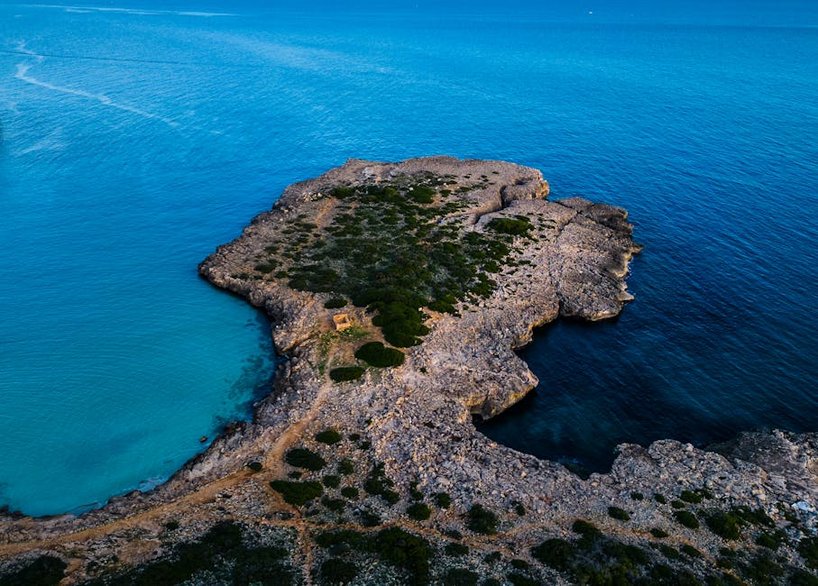
Hidden Coves in the Aegean: Your Guide to Secluded Paradise
Discovering hidden coves in the Aegean Sea is the ultimate reward for travelers seeking pristine beauty beyond the crowded ports. These secluded bays offer crystalline waters, dramatic rock formations, and a profound sense of tranquility that mass tourism rarely touches. This guide will help you locate these secret spots, understand the best ways to access them, and plan a perfect day of secluded exploration along the Greek coastline.
Essential Aegean Cove Information
The Aegean Sea, nestled between Greece and Turkey, is dotted with thousands of islands and countless stretches of ragged coastline. Its unique geology, shaped by ancient volcanic activity and tectonic shifts, created the perfect conditions for hidden inlets and protected bays. These coves served as natural harbors for ancient mariners and pirates, adding a layer of mystique to their already stunning beauty.
Today, they remain sanctuaries for those willing to venture off the beaten ferry path. The defining characteristic of a true hidden cove is limited access, often requiring a boat, a hike, or both. Their isolation preserves not just tranquility, but also remarkably clear water and untouched natural environments, from white pebble beaches to sand tinged with volcanic black or pink.
What Defines an Aegean Hidden Cove
Not every small beach qualifies as a hidden treasure. True secluded spots share specific traits.
- Limited land access, often involving an unmarked hiking trail, a steep path, or no path at all, ensuring they are never overcrowded.
- Absence of major commercial infrastructure like sunbed rentals, loud beach bars, or large parking lots, preserving a natural and peaceful atmosphere.
- Protected waters, usually shielded from the predominant northern Meltemi winds, creating calm, swimmable conditions even on windier days.
- Budget Explorer ($30-80 per day): Rely on hiking and public ferries. Pack your own lunch and gear. Join a shared taxi to a trailhead on larger islands. Costs cover ferry tickets, hiking snacks, and a good sun hat.
- Mid-Range Adventurer ($100-250 per day): Book a spot on a small-group daily boat tour, which includes transport, guide, and sometimes lunch. Alternatively, rent a basic motorboat for 3-4 hours with a friend to split costs. This offers great balance.
- Luxury Seeker ($300+ per day): Charter a private traditional caique or speedboat with a captain for a full day. They know every secret inlet. Include a gourmet picnic and snorkeling gear. This is the ultimate, stress-free discovery experience.
- Greek National Tourism Organization
- Greeka Travel Information
Key Details for Your Visit
Visiting these pristine locations comes with responsibility. You must pack in everything you need for the day, including ample water, snacks, and sun protection, as there are typically no facilities. Furthermore, you must pack out all your trash to keep these places clean for others and protect the local ecosystem. Respect for the environment is non-negotiable.
Always check local weather and sea conditions before departing, especially if you plan to use a small boat or kayak. The Meltemi wind can whip up suddenly in the afternoon, making the return journey challenging. Tell someone your plans and expected return time if you’re heading to a very remote area. Your safety is your own responsibility.
The Geography of Seclusion
The most spectacular hidden coves are often found on the southwestern or southern coasts of islands, sheltered from the wind. Larger islands like Crete, Naxos, and Milos have famous ones, but smaller, less-visited islands offer even greater solitude. The coastlines of the Peloponnese and the eastern shores of islands like Ikaria and Samos also conceal breathtaking, hard-to-reach bays waiting for discovery.
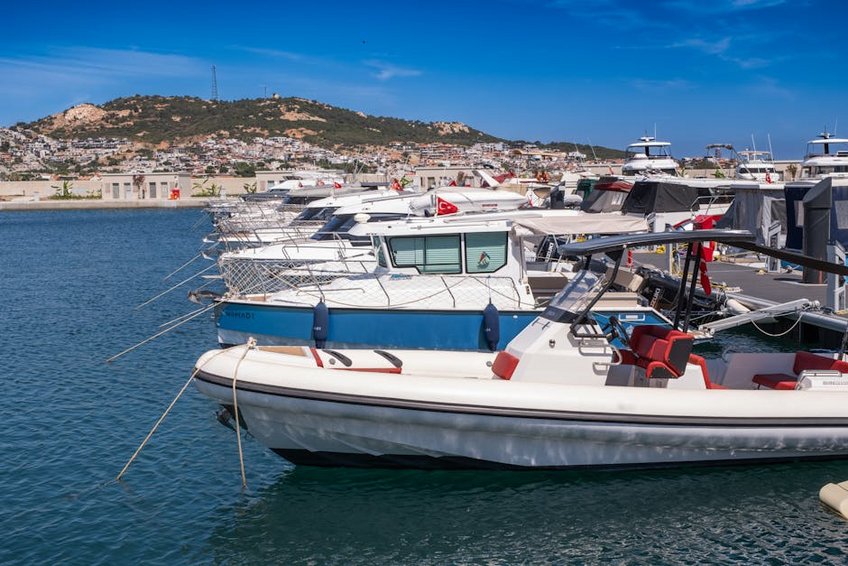
Alt: “aegean-sea-secluded-cove-turquoise-waters-rocky-cliffs”
Hidden Coves in the Aegean – Planning Your Trip
Successfully finding these secret spots requires more planning than a standard beach day. Your approach will define your experience. Research is your best tool; scour travel forums, nautical charts, and local hiking guides for clues and recent access information. Deciding between a guided boat tour, a private boat rental, or a determined hike is your first major choice, each offering different levels of adventure and autonomy.
Your budget directly impacts access. Joining a small-group boat tour is cost-effective and informative. Renting a small motorboat or kayak offers freedom but requires confidence on the water. The most affordable option is hiking, which demands good fitness and preparation. Consider mixing methods: use a boat to reach a general area, then swim or kayak into the final cove for the full explorer feel.
Best Time to Visit for Cove Exploration
The ideal window for exploring hidden coves in the Aegean is from late May to early October. June and September are particularly perfect, offering warm air temperatures of 75-85°F (24-29°C) and warm sea temperatures without the intense crowds and heat of July and August. The Meltemi winds are also less ferocious during these shoulder months, ensuring calmer seas for boating and swimming.
July and August bring the hottest weather, often exceeding 90°F (32°C), and the strongest winds, which can make some coves inaccessible by small craft. However, these months guarantee the warmest water. If you visit in peak summer, prioritize coves on the southern shores of islands for shelter. The sea remains swimmable well into October for those who prefer cooler, crowd-free conditions.
Budget Planning and Costs
Your budget shapes how you access these secluded bays.
Essential Preparation Checklist
Packing correctly is critical for comfort and safety. Essentials include reef-safe, high-SPF sunscreen, a long-sleeve UV shirt, a wide-brimmed hat, and polarized sunglasses. You need sturdy, water-friendly sandals or shoes for rocky approaches, a dry bag for your phone and keys, and a powerful portable battery pack. Never underestimate your water needs; carry at least 1.5 liters per person.
Documentation should include a printed map or offline maps on your phone, as service is often absent. If boating, ensure you have the proper license for your rental or confirm your charter captain’s credentials. Travel insurance covering marine activities and emergency evacuation is highly recommended. Book any guided tours or boat rentals at least a week in advance during peak season.
Top Islands and Coastal Regions for Discovery
While you can find secluded spots throughout the Aegean, certain islands are legendary for their concentration of hidden gems. Milos, with its volcanic coastline, is arguably the champion, featuring dozens of colorful, boat-only bays like Kleftiko and Sykia. The Peloponnese region, especially the Mani Peninsula, offers dramatic, rocky inlets with deep histories, far from the island ferry circuits.
Larger islands provide variety. Crete’s southern coast, from Chora Sfakion eastwards, has remote pebble beaches reachable by boat or rugged trails. Naxos and Ikaria also hide spectacular coves behind mountains. For total solitude, consider the Small Cyclades islands like Koufonisia or the less-visited Dodecanese islands like Karpathos, where tourism is lighter and secrets are better kept.
Must-See Highlight Coves
Kleftiko on Milos is an iconic series of sea caves and white rock formations, accessible only by water. It was once a pirates’ hideout. Sarakiniko Beach, also on Milos, presents a moonscape of smooth white volcanic rock framing stunning turquoise water, feeling utterly otherworldly. On Crete, Seitan Limania is a breathtaking, narrow fjord-like inlet with steep cliffs, requiring a careful descent.
In the Peloponnese, Voidokilia Beach is a perfect omega-shaped sandy cove bordering a nature reserve, with ancient history nearby. The Blue Caves on Kastellorizo, reached by local boat, offer magical light reflections in underwater caverns. While some names are known, their secluded feel persists due to their relative inaccessibility. Visiting at sunrise or late afternoon enhances the magical atmosphere away from day-trip crowds.
Hidden Gems and Local Favorites
Venture beyond the famous names. On Sifnos, seek out the tiny, serene Vroulidia Bay on the south coast, a favorite for locals seeking peace. In Ikaria, the isolated Nas Beach, accessible via a scenic path through a river gorge, has a unique, laid-back vibe. On Naxos, ask a taverna owner in the mountain village of Apeiranthos for directions to secret south-coast spots like Aliko, a complex of dunes, coves, and cedar forest.
In the Sporades, the coastline around Skiathos hides Lalaria Beach and its sea arch, reachable only by taxi boat. The key to finding these local favorites is to talk to residents, not tour operators. Cafe owners, fishermen, and your Airbnb host often share the best, unpublicized directions. Their advice usually leads to the most authentic and crowd-free experiences.
Exploring by Kayak or Stand-Up Paddleboard
For the active traveler, kayaking or paddleboarding offers unparalleled access to hidden coves. You can glide into shallow inlets and caves that motorboats cannot reach. Many coastal towns on islands like Milos, Paros, and Naxos offer daily kayak rentals or guided tours that target specific secluded areas. This method is quiet, eco-friendly, and allows you to set your own pace for exploration and swimming stops.
Practical Travel and Access Information
Accessing hidden coves requires strategic thinking about transportation and timing. Your base location is crucial; staying in a main port town like Adamas on Milos or Naxos Town gives you easy access to boat rental agencies and tour departure points. Alternatively, staying in a smaller coastal village near known hiking trailheads can simplify land-based exploration. Renting a car or ATV is almost essential on larger islands to reach remote trailheads or small ports.
Accommodation ranges from budget rooms in family-run pensions to luxury seaside villas with private beach access. Book your stay early, especially if you want a specific location close to a departure point for boat trips. For the most flexibility, consider a mix: a few nights in a port for boat-based exploring and a few in a remote village for hiking to nearby secluded spots.
| Access Method | Key Features & Considerations | Approximate Daily Cost (USD) |
|---|---|---|
| Group Boat Tour | Guided, social, visits 3-5 coves, includes snorkeling gear and sometimes lunch. Less flexibility. | $70 – $120 per person |
| Private Boat Charter | Full customization, privacy, captain knows secret spots. Ideal for groups. Requires advance booking. | $400 – $800+ for the boat |
| Small Motorboat Rental | Freedom to explore, cost-effective for 2-4 people. Need a boating license and confidence navigating. | $100 – $250 per day |
| Kayak/SUP Rental | Quiet, eco-friendly, accesses shallow areas. Physical effort required. Weather-dependent. | $30 – $60 per day |
| Hiking | Most affordable, rewarding, combines scenery and swimming. Requires research, fitness, and proper supplies. | $0 – $20 (transport/taxi) |