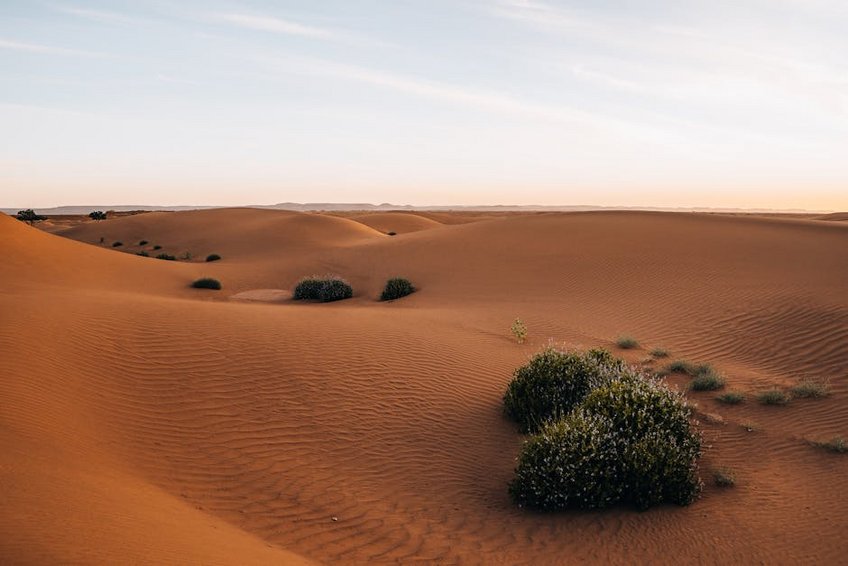
Desert Tour Experience in Morocco: Dunes, Stars, and Ancient Culture
A Desert Tour Experience in Morocco immerses you in landscapes ranging from golden Saharan dunes to rugged pre-desert plateaus, connecting modern adventure with centuries-old Berber traditions. This journey blends exhilarating 4×4 travel, camel trekking, and nights under profoundly dark skies, offering a stark contrast to Morocco’s imperial cities. We’ll cover essential planning, from choosing between Merzouga and Zagora to packing for extreme temperature swings, ensuring your adventure is both seamless and deeply authentic.
Essential Moroccan Desert Information
Morocco’s desert regions are primarily the Sahara Erg Chebbi dunes near Merzouga and the stony Hamada desert near Zagora. These areas have a rich history as ancient trade routes for caravans moving salt, gold, and spices. The indigenous Berber communities maintain distinct cultural practices, languages, and architectural styles visible in their ksars (fortified villages).
Visiting requires respect for the delicate desert ecosystem and the local nomadic and semi-nomadic lifestyles. The climate is defined by scorching daytime heat and surprisingly cold nights, with significant seasonal variation. Infrastructure is limited to purpose-built desert camps and small oasis towns, emphasizing the need for careful preparation.
Key Regions and Their Character
The two primary destinations offer different atmospheres and scenic appeals for your Sahara journey.
- Erg Chebbi (Merzouga): Features Morocco’s tallest dunes, some exceeding 150 meters (490 feet), creating a classic, cinematic Sahara landscape perfect for photography and overnight luxury camps.
- Zagora & Erg Chigaga: Offers a more remote, stony desert (hamada) experience with the massive Erg Chigaga dunes farther west; itineraries here often include Draa Valley palm oases.
- Pre-desert Valleys: Routes through the Dades and Todra Gorges provide dramatic canyon scenery and transition zones before reaching the full desert, rich in Berber kasbahs.
- Budget Group Tour (3 days/2 nights): $150-$250 per person. Includes shared 4×4 transport from Marrakech, basic desert camp dormitory beds, meals, and a short camel ride. Expect large groups and simple facilities.
- Mid-Range Private Tour (3 days/2 nights): $350-$600 per person. Features private 4×4, a guide, en-suite tents at a comfortable desert camp, all meals, and longer camel treks. Offers the best balance of comfort and value.
- Luxury Experience (4+ days): $800-$2000+ per person. Provides premium camps with king beds, private bathrooms, gourmet dining, and exclusive activities like sandboarding or private music performances. Often includes stays at boutique kasbahs en route.
- Moroccan National Tourist Office (ONMT)
- Wikitravel Morocco Guide
Understanding the Climate and Environment
Desert conditions are extreme and demand realistic preparation. Daytime temperatures from May to September frequently soar above 40°C (104°F), while winter nights from December to February can plummet below freezing at 0°C (32°F). The spring (March-April) and fall (October-November) seasons provide the most balanced climate.
Sandstorms, though infrequent, can occur, especially during seasonal shifts. Humidity is extremely low, necessitating constant hydration beyond just thirst. The intense sunlight and reflective sand require maximum sun protection, including UV-blocking clothing, sunglasses, and high-SPF sunscreen.
Cultural Significance and Heritage
The Sahara is not an empty space but a living corridor of history. Ancient ksour like Ait Benhaddou, a UNESCO site, stand as testaments to the trans-Saharan trade. Berber hospitality, centered on mint tea and shared meals, is a cornerstone of the desert culture you will encounter.
Music, particularly Gnawa spiritual music in Merzouga, has roots in West African traditions. Respectful engagement means dressing modestly, asking permission before photographing people, and understanding that the pace of life follows the sun’s rhythm, not a clock.
Alt: “erg-chebbi-sahara-dunes-camel-trek-morocco-desert”
Desert Tour Experience in Morocco – Planning Your Trip
Your Desert Tour Experience in Morocco succeeds with intentional choices about timing, tour type, and route. Most tours are multi-day packages departing from Marrakech or Fes, combining mountain passes, gorges, and desert. Independent travel to the desert frontier is possible, but final access to dunes requires a local guide or booked tour for navigation and safety.
Budget variations are significant, covering differences between shared group 4×4 tours and private, luxury tented camps. Booking at least two to three months in advance is crucial for the high season (October-April) to secure preferred accommodations. Always confirm what is included: meals, water, accommodation type, and transportation modes like 4×4 and camel rides.
Best Time to Visit the Moroccan Desert
For ideal conditions, target the shoulder seasons of March to May and September to November. Daytime temperatures range from 25-30°C (77-86°F) with cooler nights around 10-15°C (50-59°F), making outdoor activities comfortable. These periods also avoid the peak summer heat and the potential for cold winter nights that require heavy bedding.
The winter months (Dec-Feb) offer clear, cold nights excellent for stargazing but require a warm sleeping bag. Summer (June-August) is intensely hot but sees fewer tourists and lower prices. A key cultural note is that touring during Ramadan requires sensitivity, as daytime services may be slower while evenings are vibrant.
Budget Planning and Costs
Tour costs vary dramatically based on group size, duration, and luxury level. Always verify inclusions like bottled water, which is a critical expense.
Essential Preparation Checklist
Packing correctly is non-negotiable for comfort and safety. Essential clothing includes loose, light-colored layers for sun protection, a warm fleece or down jacket for nights, and a sturdy headscarf (sheash) for dust and sun. Footwear should encompass hiking shoes for rocky areas and sandals for camp.
Beyond clothes, pack a high-SPF sunscreen, lip balm with SPF, a headlamp, power banks (camps have limited charging), and wet wipes. Ensure your travel insurance explicitly covers off-road and adventure activities. For EU/US passport holders, Morocco typically grants a 90-day visa-free entry, but always check current requirements pre-departure.
Top Attractions and Sahara Activities
The journey to the dunes is as remarkable as the destination itself. Standard itineraries traverse the Tizi n’Tichka Pass in the High Atlas Mountains, revealing breathtaking vistas. The Valley of the Kasbahs along the Road of 1000 Kasbahs presents unparalleled opportunities for photography and history.
Once in the desert, the shift in pace and landscape defines the experience. Activities focus on immersion in the serene, vast environment, from silent camel rides to thrilling 4×4 dune circuits. Evenings revolve around communal dining, Berber music around a fire, and, ultimately, spectacular stargazing free from light pollution.
Must-See Highlights En Route and in the Dunes
Ait Benhaddou is a UNESCO World Heritage site and iconic fortified village used in countless films. Visiting in the early morning provides the best light and fewer crowds before tour groups arrive from Marrakech. There is no entrance fee to the village itself, but a small tip is expected for local guides.
The Todra and Dades Gorges feature towering limestone cliffs ideal for short hikes. The best light for photography hits the gorge walls in the late afternoon. Erg Chebbi dunes are most magical at sunrise or sunset when the shadows create dramatic patterns on the sand, and the temperature is comfortable for climbing.
Hidden Gems and Local Favorites
Near Merzouga, the seasonal Lake Iriki offers a chance to see flamingos (when filled) and a surreal desert-marsh landscape. Visiting requires local guidance. The Khamlia village, just south of Merzouga, is home to the Gnawa people, where you can experience authentic, spiritually infused Gnawa music performances in an intimate setting.
For a unique perspective, some local guides offer fossil-hunting excursions in the pre-desert plateaus, where ancient marine fossils are still easily found. These off-itinerary stops provide a deeper connection to the region’s geological history away from the standard tour routes.
Camel Trekking and Desert Navigation
A camel trek is a symbolic and peaceful way to approach your desert camp. Treks typically last 1-2 hours at sunset or sunrise. Communicate any discomfort to your guide immediately; they can adjust the saddle or pace. The rhythm is slow, designed for contemplation rather than speed.
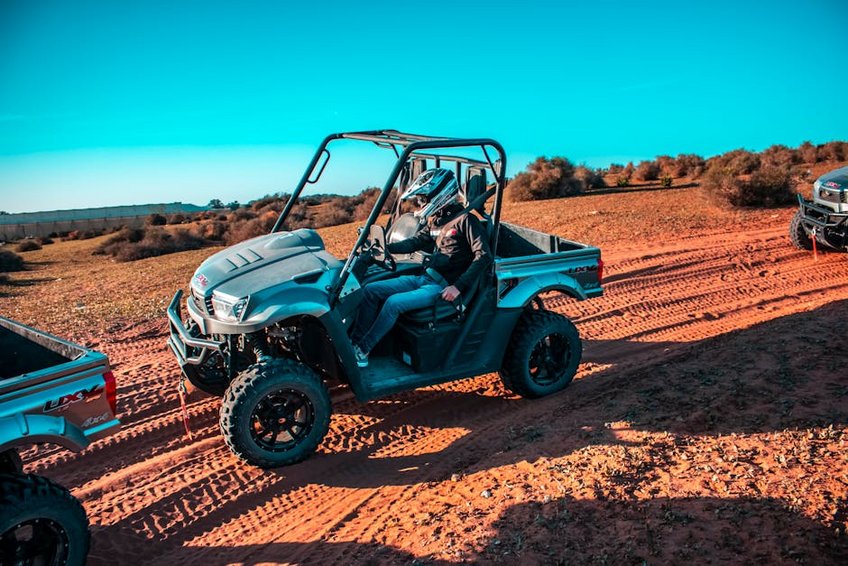
For more adventure, many camps offer sandboarding (like snowboarding on dunes) using rented boards. Alternatively, a 4×4 sunset excursion to a high dune summit provides panoramic views without the climb. Always arrange such activities through your camp or reputable guide for safety in the vast, trackless dunes.
Practical Travel Information
Reaching the desert requires a long but scenic drive from major cities. Marrakech to Merzouga is roughly 10 hours (550 km/340 miles), which is why multi-day tours with overnight stops are standard. Fes to Merzouga is a shorter 7-8 hour drive. Public buses go to gateway towns like Rissani, but you’ll need a final local taxi to your camp.
Accommodation ranges from basic berber tents to luxury camps with private bathrooms and king-sized beds. Booking a tour simplifies all logistics, including these stops. Independent travelers can rent a car, but a 4×4 is not mandatory for main roads; standard cars can reach the edge of the dunes where camps provide transfer vehicles.
| Category | Options/Features | Price Range (USD) |
|---|---|---|
| Desert Camp (Standard) | Shared tent, communal bathroom, dinner/breakfast included, group camel trek | $40-$70 per night |
| Desert Camp (Luxury) | Private en-suite tent, king bed, gourmet meals, private activities, sunset dune tour | $150-$300 per night |
| Oasis Hotel (Erfoud/Rissani) | Hotel with pool, AC, restaurant; used as start/end point for desert excursions | $60-$120 per night |
| Boutique Kasbah (Skoura/Dades) | Historic fortified residence converted to hotel, garden, panoramic views, half-board | $80-$180 per night |