Coastal Route in Montenegro: Your Ultimate Adriatic Road Trip
Driving Montenegro’s coastal route unveils over 180 miles of Adriatic splendor between the Croatian border and Albania. You’ll navigate serpentine roads past UNESCO-listed medieval towns, pristine beaches with turquoise water, and dramatic mountains that plunge into the sea. This guide details exact itineraries, budgets, and seasonal tips to maximize your journey along one of Europe’s most spectacular drives.
Discovering Montenegro’s Adriatic Coast
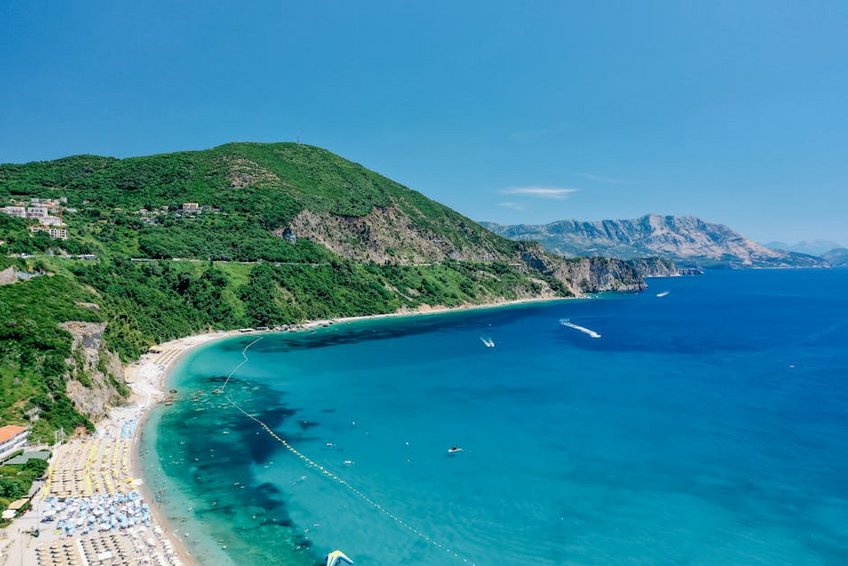
Montenegro’s coastline forms the nation’s vibrant southern edge, stretching from the Bay of Kotor to the vibrant city of Ulcinj. Its geography creates a stunning microcosm of Mediterranean landscapes, where fjord-like inlets meet pebble coves and historic settlements cling to cliffsides. The region’s climate delivers over 240 sunny days annually, supporting a lush environment of olive groves, citrus trees, and fragrant Mediterranean brush.
Historically, this coast was a coveted crossroads for Illyrians, Romans, Venetians, and Ottomans, each leaving indelible marks on its architecture and culture. Today, the coast balances preserved history with modern tourism, offering everything from luxury marinas to secluded fishing villages. Understanding this blend of natural drama and layered history is key to appreciating your drive beyond the postcard views.
What Makes This Coastline Unique
Several factors set this Adriatic drive apart from others in Croatia or Italy.
- The Bay of Kotor, often called Europe’s southernmost fjord, features sheer limestone cliffs surrounding a submerged river canyon, creating a breathtaking, mountainous amphitheater around tranquil waters.
- Budva’s Riviera contrasts ancient walled cities with vibrant 24-hour nightlife, while just south, the former fishing village of Sveti Stefan is now a pristine islet-hotel accessible by a narrow causeway.
- South of Bar, the landscape dramatically shifts to long, sandy beaches like Velika Plaža, which stretches for over 8 miles near the Albanian border, offering a completely different seaside experience.
- Budget travelers can manage on $45-65 per person daily by staying in hostels or guesthouses ($20-35), eating at bakeries and markets ($15), using public buses between towns ($5), and focusing on free activities like hiking and beach time.
- A mid-range budget of $90-140 per person covers a rental car split between two ($25), a private room or apartment ($40-70), dining at local konobas ($25), paid attractions like boat trips ($15), and incidental parking fees.
- Luxury experiences start at $250+ per person, featuring 4-5 star hotels or boutique villas, fine dining, private guided tours, speedboat rentals, and premium wine tasting sessions in the Crmnica region.
- Official National Tourist Organization of Montenegro
- Wikitravel Montenegro Guide
Key Regions and Their Characters
The Bay of Kotor area is the cultural and scenic heart, defined by its majestic, mountain-ringed bay and historic ports like Kotor and Perast. This region demands slow travel to explore its maritime museums, centuries-old churches, and fortification climbs. The atmosphere here is more serene and historically focused compared to the central coast.
Meanwhile, the Budva Riviera serves as the tourism epicenter, bustling with energy from its well-preserved Old Town to the modern resorts of Bečići. Further south, the Bar-Ulcinj stretch introduces a more relaxed, family-friendly vibe with expansive sandy shores and notable cultural influences from the former Ottoman empire, visible in Ulcinj’s old town architecture.
Climate and Best Seasons for Travel
The coastal climate features hot, dry summers and mild, wet winters. July and August see average highs of 86°F (30°C) with very little rain, perfect for beach days but accompanied by peak crowds and prices. Sea temperatures during this period are a warm 77°F (25°C), ideal for swimming and watersports.

Alt: “montenegro-bay-of-kotor-aerial-view-coastal-road”
Coastal Route in Montenegro – Planning Your Road Trip
Successfully navigating Montenegro’s shore requires strategic planning around logistics and timing. The entire drive from Herceg Novi to Ulcinj can be completed in under four hours non-stop, but you’ll want a minimum of five days to appreciate the major stops. Renting a small, maneuverable car is advisable due to narrow historic town streets and tight coastal parking.
Budget around $70-100 per day for a couple traveling mid-range, covering a rental car, modest hotels, and restaurant meals. Fuel costs approximately $1.50 per liter, and main highways require vignettes (toll stickers), while scenic routes like the Kotor serpentines are free. Book your accommodation at least three months in advance for summer travel, especially in Kotor and Budva.
Best Time to Drive the Montenegrin Coast
The ideal months for this coastal drive are May, June, September, and early October. During these shoulder seasons, daytime temperatures range from a pleasant 68-79°F (20-26°C), and the sea is warm enough for swimming from June onward. You’ll encounter significantly smaller crowds, better accommodation availability, and lower prices compared to the July-August peak.
Visiting in late spring offers the added bonus of blooming wildflowers and green landscapes before the summer dry period. Early autumn provides stable, sunny weather and harvest festivals. While winter drives are possible, be prepared for rain and some seasonal closures, though you’ll have iconic sites like Kotor’s walls almost entirely to yourself.
Budget Planning and Costs
Your daily budget will vary dramatically based on travel style and season.
Essential Preparation Checklist
Secure an International Driving Permit alongside your national license if you’re from a non-EU country; local police may request it during rental checks. Pack European Type C power adapters, as Montenegro uses 220V voltage. Download offline maps via Maps.me or Google Maps, as cellular service can be spotty on mountain roads above the coast.
For documentation, ensure your passport has at least three months’ validity beyond your planned departure. EU and US citizens don’t need a visa for stays under 90 days. Purchase comprehensive travel insurance that includes medical evacuation and coverage for driving a rental car. Finally, inform your bank of your travel dates to prevent card blocks on international transactions.
Top Attractions and Unmissable Stops
Your journey along this stunning seaboard connects a series of remarkable destinations, each with a distinct personality. From fortified towns to natural wonders, planning stops at these highlights creates a rich and varied itinerary. Allocate time not just for sightseeing, but for immersing yourself in the slow pace of coastal life, enjoying long lunches and spontaneous swims.
Remember that some of the best experiences are found between the major points. Pull over at designated viewpoints, explore small marinas, and don’t hesitate to follow signs to secluded beaches. The drive itself is a core part of the attraction, with ever-changing vistas of the deep blue Adriatic against a backdrop of grey karst mountains.
Must-See Highlights
Kotor’s Old Town, a UNESCO World Heritage site, is an essential stop. Enter through the Sea Gate and lose yourself in a labyrinth of marble streets, medieval churches, and bustling squares. The climb up the 1,350 steps to the Castle of San Giovanni rewards you with a breathtaking panorama of the entire bay. Arrive early in the morning to avoid cruise ship crowds and the intense midday sun.
The island town of Perast, a short drive north of Kotor, feels frozen in time. This tranquil baroque village fronts two iconic islets: Our Lady of the Rocks, a man-made island with a fascinating history, and the natural island of Sveti Đorđe. Take a inexpensive local boat taxi from the waterfront to visit the church and museum on Our Lady of the Rocks. Budva’s Stari Grad (Old Town) offers a contrast, with its vibrant nightlife, boutique shops, and well-preserved citadel sitting on a small peninsula.
Hidden Gems and Local Favorites
For a beach escape away from the crowds, seek out Plavi Horizonti (Blue Horizons) near Tivat. This long stretch of fine pebbles and sand offers clear, shallow waters perfect for families and is backed by fragrant pine forests providing natural shade. Another local secret is the charming village of Stoliv, nestled on the bay opposite Perast, where you can find authentic waterfront restaurants without the tourist markups.
History enthusiasts should detour to the ancient town of Bar, not for its modern port, but for Stari Bar (Old Bar). This fascinating ruin of a medieval town, set inland on a hillside, was abandoned after an earthquake in 1979. You can spend hours exploring its crumbled streets, churches, and aqueduct, with few other visitors around. The onsite museum provides excellent context for this evocative site.
Scenic Viewpoints and Photo Ops
No drive is complete without stopping at key viewpoints. The serpentine road leading up from Kotor to the Krstac pass (the old road to Cetinje) offers the most famous photo opportunity of the bay. There are several pull-offs on the 25 hairpin turns; the higher you go, the more spectacular the view. For a different perspective, take the Kotor-Cetinje highway through the new tunnel system, then exit at the Njeguši plateau for a stunning elevated lookout.
Further south, the Vidikovac lookout point on the road above Budva provides a sweeping vista of the entire Budva Riviera, Sveti Stefan, and the open sea. Time your visit for late afternoon when the setting sun bathes the coastline in golden light. Always park safely in designated areas, as roadside shoulders can be narrow and traffic can be swift.
Practical Travel Information and Logistics
Navigating Montenegro’s coast involves understanding your transportation and accommodation options. The main coastal road (Jadranska Magistrala or M2) is generally well-maintained but can become congested in summer, especially around tunnel entrances and popular resort turnoffs. Secondary roads to beaches or viewpoints are often narrower and winding, requiring cautious driving.
Accommodation ranges from luxury hotels and design-focused boutique hotels within historic walls to private apartments and family-run guesthouses. In peak season, staying in one base and taking day trips can be more efficient than changing hotels nightly, given check-in/out times and packing. Consider splitting your stay between the Bay of Kotor region and the southern coast for a balanced experience.
| Accommodation Type | Best For & Features | Avg. Nightly Price (USD) |
|---|---|---|
| Luxury Hotel/Boutique | Honeymoons, special occasions; sea views, spa, fine dining, concierge. | $180 – $400+ |
| Mid-Range Hotel/Apart-Hotel | Couples & families; pool, breakfast included, private parking, central location. | $80 – $170 |
| Private Apartment | Budget-conscious & longer stays; kitchenette, local hosts, more space. | $50 – $110 |
| Guesthouse (Pansion) | Authentic experience; home-cooked meals, family atmosphere, local tips. | $35 – $70 |