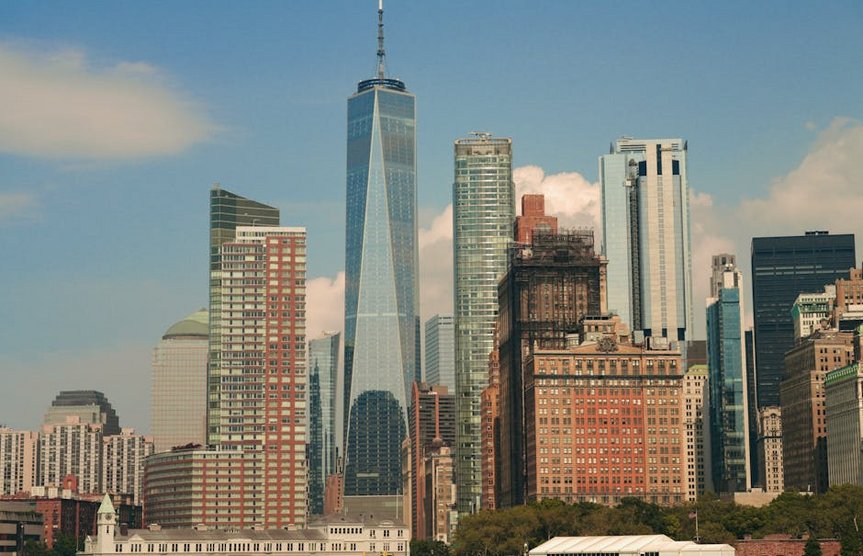
City Icons in New York
New York City’s skyline tells a story of ambition and art through its legendary urban landmarks. Your visit transforms when you connect with these icons beyond their famous photos, experiencing their history and daily rhythm. This guide provides the context and practical steps for a meaningful encounter with the city’s most celebrated structures and spaces, from dawn photo ops to sunset visits.
The Defining Skyline and Its History
New York’s architectural identity evolved from the 19th-century rise of skyscrapers. The race for height began with the Woolworth Building and culminated in the Empire State’s Art Deco triumph. This vertical ambition defined the modern metropolis and created its unforgettable silhouette.
These urban landmarks are not static monuments but living parts of the city’s fabric. Each structure reflects the era of its creation, from Gilded Age grandeur to modernist minimalism. They serve as waypoints, workplaces, and symbols of resilience for millions of New Yorkers and visitors alike.
Architectural Eras and Their Icons
The city’s history is written in stone, steel, and glass across distinct periods.
- Gilded Age (1880-1920): Grand Central Terminal’s celestial ceiling and the New York Public Library’s marble lions represent Beaux-Arts splendor and public ambition.
- Art Deco (1920-1940): The Chrysler Building’s stainless steel spire and Rockefeller Center’s geometric murals celebrate Jazz Age optimism and industrial artistry.
- International Style (1960s): The Seagram Building’s bronze facade and Lever House’s glass curtain wall introduced modernist simplicity to Park Avenue.
- Contemporary (Post-2000): The Vessel’s honeycomb structure and The Shed’s movable shell showcase innovative 21st-century design in Hudson Yards.
- Budget ($75-100/day): Focus on free icons like the Brooklyn Bridge walk, Staten Island Ferry, NY Public Library, and Grand Central. Use subway transit, enjoy affordable eats from pizza slices and food trucks, and stay in hostels or budget hotels in Brooklyn/Queens.
- Mid-Range ($200-350/day): Include 2-3 paid attractions like Top of the Rock observation deck ($40) or a guided tour. Dine at casual restaurants, stay at mid-tier hotels in Midtown or Long Island City, and use ride-shares for longer distances.
- Luxury ($500+/day): Enjoy VIP skip-the-line access, private guided architecture tours, and fine dining with landmark views (e.g., Manhatta). Stay at premium hotels like The Langham or Crosby Street Hotel, and use private car services for seamless transit between destinations.
- NYC Official Guide by NYC & Company
- Architectural Digest’s NYC Architecture Guide
- 6sqft New York City Real Estate and Architecture News
Why These Landmarks Endure
These structures persist in culture because they balance function with profound symbolism. They house transportation hubs, libraries, and offices while representing ideals like progress, commerce, and public access. Their imageability makes them easy to recognize and recall.
Global media, especially film and television, cemented their status as universal shorthand for urban life. Seeing them in person fulfills a cultural promise. Their endurance relies on constant renewal through restoration, like Grand Central’s 1990s revitalization, ensuring they remain active and relevant.
Beyond Manhattan: Borough Landmarks
Iconic status extends beyond Manhattan’s famous skyline. The Brooklyn Bridge’s Gothic stone towers connect boroughs with 19th-century engineering genius. Yankee Stadium in the Bronx stands as a temple of sports history.
In Queens, the Unisphere from the 1964 World’s Fair symbolizes global unity. The Staten Island Ferry offers a quintessential, free view of the harbor and Lady Liberty. Exploring these sites provides a fuller picture of the city’s diverse character.
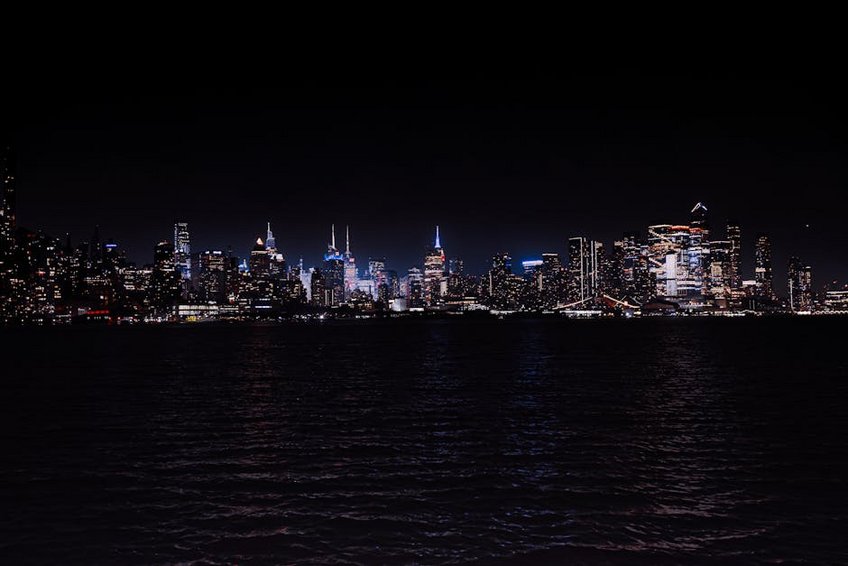
Alt: “new-york-city-skyline-empire-state-building-chrysler-sunset”
City Icons in New York – Planning Your Trip
A successful trip focusing on NYC’s architectural marvels requires strategic timing and a flexible itinerary. You will want to balance interior tours with exterior viewing, often at different times of day for optimal light and fewer crowds. Prioritizing a few key locations in depth often beats a rushed checklist approach to urban exploration.
Your budget should account for attraction ticket costs, which range from free (walking the High Line) to $40+ for observation decks. Purchasing combination passes like the New York CityPASS can offer savings if your list includes several major paid landmarks. Always book timed-entry tickets online in advance for popular sites like the Empire State Building.
Plan your days geographically to minimize transit time. Group a day around Midtown (Rockefeller Center, NYC Public Library, Grand Central) and another downtown (Brooklyn Bridge, 9/11 Memorial, Wall Street). Wear comfortable walking shoes, as the best connections between these urban landmarks are often made on foot.
Best Time to Visit NYC Landmarks
Visit New York City landmarks between late April to early June and September to October for ideal weather. Daytime temperatures range from 60-75°F (15-24°C) with comfortable humidity, perfect for walking between sites. These shoulder seasons also see fewer tourist crowds compared to the peak summer months.
Winter visits from December to February offer magical holiday decorations at Rockefeller Center and Fifth Avenue storefronts. While cold at 30-40°F (-1 to 4°C), you’ll find shorter lines at major indoor attractions. Early spring and late fall are riskier for weather but can provide the best photography light and discounted hotel rates.
Budget Planning and Costs
Experiencing NYC’s icons suits all budgets with smart planning.
Essential Preparation Checklist
Book all timed-entry tickets for major attractions at least two weeks in advance, especially for the One World Observatory and Summit One Vanderbilt. Secure accommodation in a central neighborhood like Midtown, Chelsea, or Financial District to minimize daily travel time to the main clusters of urban landmarks.
Pack layers for variable indoor/outdoor temperatures and exceptionally comfortable walking shoes. Download essential apps: NYC Subway for transit, Citymapper for navigation, and TodayTix for last-minute theater tickets near iconic venues like Broadway’s theaters. Ensure your phone has a portable charger for all-day photography and mapping.
Top Attractions and Iconic Experiences
Manhattan’s density means legendary sites often stand just blocks apart. Start with the classics to understand their scale and setting before seeking out hidden angles and viewing points. The experience of each landmark changes dramatically with the time of day and season.
Observation decks offer the quintessential perspective on the city’s architectural tapestry. Each provides a different narrative: the Empire State Building showcases historic Art Deco, Top of the Rock frames the Empire State and Central Park, and One World Observatory delivers a poignant, sky-high view of rebirth and resilience.
Must-See Highlights
The Empire State Building’s 86th-floor observatory remains the most classic urban panorama. Visit just before sunset to see the city transition from day to glittering night. Tickets start at $44 for standard admission, with express passes reducing wait times significantly.
Grand Central Terminal’s main concourse is a free masterpiece. Look up at the celestial ceiling mural and whisper in the whispering gallery near the Oyster Bar. The terminal offers both daily commuter bustle and meticulously restored Beaux-Arts details at every turn.
The Brooklyn Bridge pedestrian walk provides a stunning, free perspective on both the Manhattan skyline and the bridge’s own Gothic stone towers. Walk from Manhattan to Brooklyn in the early morning for the best light and fewest crowds, then enjoy a coffee in DUMBO.
Hidden Gems and Local Favorites
For a unique view of the Chrysler Building’s iconic spire, visit the lobby of the Chrysler Center at 666 Fifth Avenue. The small, ornate lobby offers a quiet, upward-looking perspective on the building’s Art Deco crown, free from the crowds of larger observation decks.
The Roosevelt Island Tramway provides an affordable, thrilling aerial view of the East River and Midtown skyline for the price of a subway fare ($2.90). It’s a functional commuter line that doubles as a spectacular short sightseeing trip, especially beautiful at golden hour.
Discover the beautiful, lesser-known City Hall Station, the original 1904 subway terminal. While no longer in public use, its intricate tile work and chandeliers can be seen by staying on the downtown 6 train past the last stop (on weekends, check MTA schedule) as it turns around.
Architecture Tours and Walks
Guided walking tours provide invaluable context you might miss alone. The Municipal Art Society offers expert-led tours focusing on specific areas like Art Deco Midtown or the Modernist architecture of Lincoln Center. Prices range from $25-$50 per person for a two-hour deep dive.
For self-guided exploration, the AIA Guide to New York City app is an excellent digital resource. It allows you to create custom walking routes based on architectural style or neighborhood. Always look up—many building facades feature intricate details, gargoyles, and sculptures invisible from street level.
Practical Travel Information for NYC
Navigating New York efficiently is key to enjoying its landmarks. The city’s grid system (streets run east-west, avenues north-south) makes orientation relatively straightforward. Public transportation, primarily the subway and buses, is the most practical way to travel between distant icons like the Cloisters uptown and the Financial District downtown.
Accommodation location significantly impacts your daily itinerary. Staying in Midtown places you within walking distance of Rockefeller Center, Times Square, and the Theater District. Neighborhoods like Chelsea, the West Village, or the Upper West Side offer more local character with slightly longer transit times to major hubs.
| Experience Category | Iconic Examples & Features | Estimated Cost (USD) |
|---|---|---|
| Observation Decks | Empire State Building (Historic), Top of the Rock (Central Park views), One World Observatory (Modern) | $40 – $75 |
| Historic Interior Tours | Grand Central Terminal (Free), New York Public Library (Free), Radio City Music Hall (Guided Tour) | $0 – $35 |
| Bridge & Park Walks | Brooklyn Bridge Walk (Free), High Line Park (Free), Central Park (Free, pedicab extra) | $0 – $50+ |
| Cultural Institution Entry | The Metropolitan Museum of Art (Pay-what-you-wish for NY residents), Museum of Modern Art, American Museum of Natural History | $25 – $30 |