Canal Tours in Amsterdam: Seeing the City from Its Historic Waterways
Amsterdam’s identity intertwines with its canals, a UNESCO-listed network offering the definitive perspective on the city’s Golden Age architecture and modern charm. A canal tour in Amsterdam provides an efficient, scenic, and historically rich introduction, gliding past 17th-century gabled houses, hidden courtyards, and iconic bridges you simply cannot see from the street. This guide details how to choose the right cruise, reveals the best times to go, and highlights what makes each waterway district unique for your visit.
Amsterdam’s Canals: A Historic Blueprint
The concentric rings of canals, known as the Grachtengordel, were a 17th-century urban planning marvel designed during the Dutch Golden Age to manage water, defense, and commerce. This ambitious project transformed Amsterdam into a wealthy trade hub, with merchants building elaborate, narrow homes along the new waterways to showcase their prosperity. Today, this district remains the city’s historic heart, with over 1,500 bridges crossing more than 100 kilometers of navigable canals.
Each of the four main canals—Singel, Herengracht, Keizersgracht, and Prinsengracht—has its own character and history. The Herengracht (Gentlemen’s Canal) was the most prestigious, while the Prinsengracht is the longest and often the liveliest. Understanding this layout helps you appreciate the subtle differences in architecture and atmosphere as you float by, turning a simple boat ride into a journey through time.
Understanding the Canal Belt Layout
Navigating the waterways is easier when you know the basic structure. The canals form four semi-circles around the old city center, intersected by radial streets and smaller connecting canals.
- Singel: Originally the city’s outer moat, it’s the innermost canal and home to the vibrant Bloemenmarkt (Floating Flower Market).
- Herengracht: Known for its stately, wide mansions and being the address for the city’s elite, including the famous “Golden Bend.”
- Keizersgracht: Named after Emperor Maximilian I, it’s slightly wider and features a mix of grand homes and trendy boutiques.
- Prinsengracht: Dedicated to the Prince of Orange, this is the longest canal, lined with houseboats, cafes, and landmarks like the Anne Frank House.
- Budget Classic Cruise: ($18-$25) A standard one-hour tour on a large shared boat with a recorded audio guide. This is the most common and affordable option, perfect for a basic overview. Book directly online to avoid queue markups.
- Mid-Range Guided Tour: ($30-$45) A 75-90 minute cruise on a smaller, covered boat with a live, knowledgeable guide in English. This offers better interaction, the ability to ask questions, and often includes a drink. It represents the best value for engaged travelers.
- Luxury Private or Themed Experience: ($60-$150+) This includes private boat rentals (like an electric “sloep”), dinner cruises with multi-course meals, or premium cocktail tours. Ideal for special occasions, these offer complete customization, privacy, and gourmet amenities.
- I amsterdam Official City Portal
- UNESCO World Heritage: Amsterdam Canal District
Key Architectural Features to Spot
Amsterdam’s canal houses are famous for their distinctive gables, which served both decorative and practical purposes for hoisting goods. Look for neck, bell, and step gables, each representing different architectural periods from the Renaissance to Baroque. The houses are also characteristically narrow and deep due to historical property taxes based on frontage width.
Additionally, notice the ornate façade stones and large windows. The windows allowed maximum light into the deep interiors, while the hooks at the top of each building were essential for moving furniture through the narrow staircases. Spotting these details from your boat adds a layer of understanding to the city’s functional beauty.
The Role of Houseboats
Houseboats are an integral part of Amsterdam’s canals, with over 2,500 legally moored vessels. They emerged post-World War II due to housing shortages and have evolved into permanent, highly regulated homes. From your cruise, you’ll see everything from traditional, rustically charming barges to modern, architect-designed floating houses.
Living on a canal comes with unique challenges, like winter freezing and mandatory hull inspections. Observing these floating communities offers a glimpse into a distinctive Amsterdam lifestyle, balancing historic waterways with contemporary urban living.
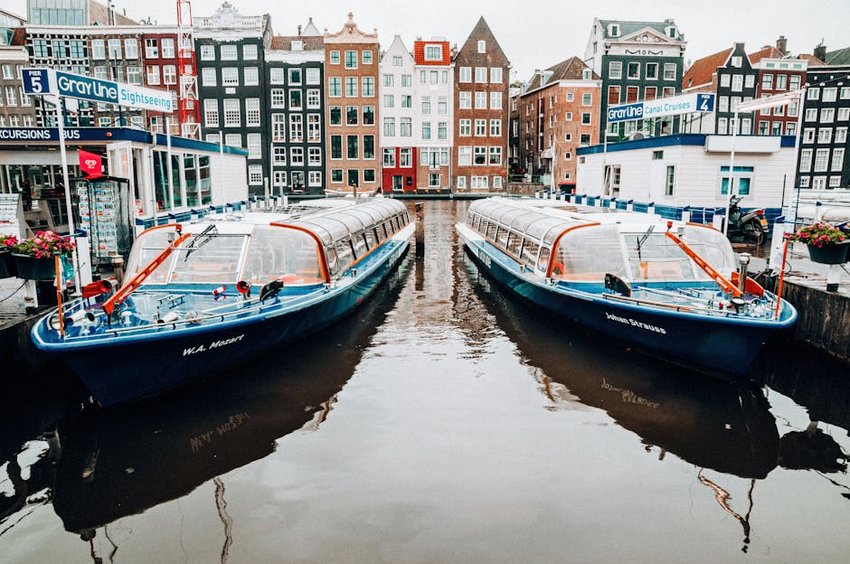
Alt: “amsterdam-canal-cruise-boat-passing-17th-century-bridge-and-houses”
Canal Tours in Amsterdam – Planning Your Trip
Choosing the right canal cruise depends on your interests, budget, and desired experience. The main options include large, open-top boats with recorded audio guides, smaller covered vessels with live guides, and private rental boats like electric sloops. Your canal tour in Amsterdam can be a quick one-hour overview or a leisurely evening adventure with drinks.
For first-time visitors, a classic one-hour cruise covering the highlights of the Canal Belt is often the best introduction. If you seek a more intimate or themed experience, smaller operator tours focusing on history, architecture, or even cheese and wine are excellent alternatives. Booking online in advance is strongly recommended, especially during peak seasons from April to September.
Consider combining your waterway excursion with a museum visit, as many tour companies offer discount combos with the Rijksmuseum or Van Gogh Museum. This approach saves money and simplifies logistics, allowing you to experience both art and architecture seamlessly in one day.
Best Time to Visit for a Canal Cruise
The optimal months for a canal tour are April, May, September, and October. During these shoulder seasons, you’ll enjoy milder weather (50-65°F / 10-18°C), fewer crowds, and beautiful spring blooms or autumn foliage reflecting in the water. Summer (June-August) offers long daylight hours but comes with peak tourist numbers and higher prices.
Winter cruises (November-March) provide a magical, cozy experience, often with heated, covered boats and fewer passengers. While temperatures range from 34-46°F (1-8°C), the chance to see the city lights twinkling on the water and enjoy a hot chocolate on board is uniquely atmospheric. Some operators even run special “Light Festival” tours in December and January.
Budget Planning and Costs
Canal cruise prices vary significantly based on the type of boat, duration, and inclusions. Here’s a typical cost breakdown to help you budget.
Essential Preparation Checklist
Pack layers regardless of the season, as it can be cooler and windier on the water. A waterproof jacket is wise, and consider a hat and sunglasses for open-top boats. For photography, a polarizing filter can help reduce glare from the water, and a zoom lens is useful for capturing architectural details from a distance.
Ensure you have your booking confirmation (digital is fine) and arrive at the dock at least 15 minutes before departure. Most major operators are located near Central Station (like Stromma or Lovers) or along Damrak and Prins Hendrikkade. Check if your ticket includes a specific boat time or allows flexible boarding.
Top Attractions and Activities from the Water
A canal tour offers unparalleled views of Amsterdam’s most famous landmarks, many of which are best appreciated from their aquatic front doors. You’ll glide past world-class museums, historic churches, and hidden hofjes (almshouse courtyards) invisible from street level. This unique vantage point connects the city’s past and present in a continuous, flowing narrative.
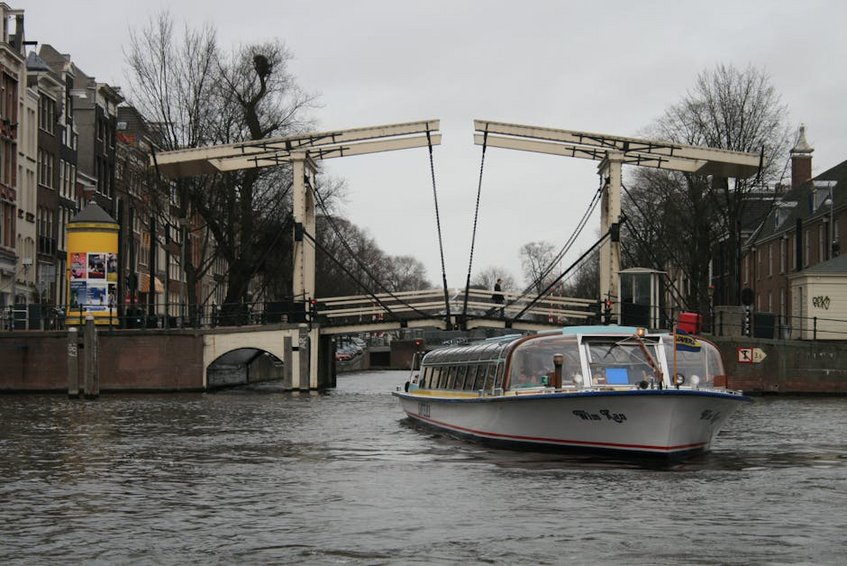
Beyond the standard highlights, many cruises venture into the Jordaan district’s narrower canals or the Amstel River, providing contrasting atmospheres. The Amstel offers grand views of the Carré Theatre and the iconic Magere Brug (Skinny Bridge), especially beautiful when illuminated after dark. Each route tells a different part of Amsterdam’s story.
Must-See Highlights
The Anne Frank House on the Prinsengracht is a profoundly moving sight from the canal, its rear façade a stark reminder of history. Most tours pass by, though visiting the interior requires a separate, pre-booked ticket months in advance. Similarly, the Westerkerk’s tall spire, often mentioned in Anne’s diary, dominates the skyline.
The “Seven Bridges” view on the Reguliersgracht is a photographer’s dream, where you can see seven arched bridges perfectly aligned. The “Golden Bend” on the Herengracht showcases the widest, most opulent mansions, built by the wealthiest 17th-century merchants. Your guide will point out these and other iconic spots.
Hidden Gems and Local Favorites
Look for the narrowest house in Amsterdam at Singel 7, just 1 meter wide. Spot the “Museum of the Canals” (Grachtenmuseum) housed in a grand Herengracht mansion, which provides excellent context for what you’re seeing. Many tours also pass by the charming “Cafe t’ Smalle” on the Egelantiersgracht, a classic Dutch brown café.
In the Jordaan, watch for hidden hofjes—tranquil courtyards built around almshouses for elderly women. Peeking into these serene spaces from the boat offers a quiet contrast to the bustling city. The “Houseboat Museum” on the Prinsengracht is another unique sight, housed in a converted freighter.
Evening and Specialty Cruises
Evening tours transform the experience, as thousands of lights illuminate bridges and building façades, creating a romantic ambiance. Many companies offer wine and cheese or cocktail cruises for adults. The annual Amsterdam Light Festival (December-January) features special routes past spectacular light art installations designed by international artists.
For history buffs, specialized architecture tours delve deeper into gable styles and urban planning. Foodies might prefer a “Pizza Cruise” or a “Pancake Cruise.” Researching these niche options can tailor your waterway exploration to specific interests beyond the standard sightseeing loop.
Practical Travel Information
Transportation to the central cruise departure points is exceptionally easy. Amsterdam Central Station is a major hub, with most tour docks located directly outside its south exit along the IJ waterfront. Trams 2, 12, and 13 also stop at nearby Dam Square, a short walk from the Damrak piers.
Accommodation near the canals puts you in the heart of the action but can be pricier and noisier. Consider staying in the adjacent Jordaan, De Pijp, or the Plantage district for a slightly quieter, more local vibe while remaining within easy walking or cycling distance of all major cruise operators.
| Accommodation Type | Best For & Location Tips | Average Price Range (USD/Night) |
|---|---|---|
| Boutique Hotel | Couples/Solo; Jordaan or Southern Canal Belt for charm & quiet. | $180 – $350 |
| Design Hotel | Style-seekers; Eastern Docklands or De Pijp for modern architecture. | $200 – $400 |
| Bed & Breakfast | Authentic experience; Plantage or West for host interaction & value. | $120 – $250 |
| Apartment Rental | Families/Groups; Jordaan or Oud-West for space & kitchen facilities. | $220 – $500 |