Best Trekking Routes in Turkey for Epic Mountain Adventures
Turkey offers some of Europe and Asia’s most dramatic and historically rich trekking routes, combining Mediterranean coastlines, towering alpine peaks, and ancient stone pathways. Your adventure ranges from high-altitude challenges on Mount Ararat to coastal walks above turquoise seas, with trails passing Lycian ruins and traditional mountain villages. This guide details the premier long-distance paths, provides essential seasonal and logistical planning, and helps you choose the perfect trail for your fitness level and interests, ensuring a memorable journey.
Essential Trekking Information for Turkey
Turkey’s diverse geography creates distinct trekking zones, each with unique climates, landscapes, and cultural touchpoints. The Taurus Mountains run parallel to the Mediterranean, offering rugged trails, while the Kaçkar Mountains in the northeast provide a lush, alpine experience reminiscent of the Alps. Understanding these regional differences is key to selecting your route and preparing adequately for variable conditions.
Historical context enriches every step, as many trails follow ancient trade, pilgrimage, or military routes. You’ll walk in the footsteps of Romans, Byzantines, and Ottomans, with waymarks often leading directly to archaeological sites. This fusion of natural beauty and layered history defines the Turkish trekking experience, setting it apart from purely wilderness hikes elsewhere.
Understanding the Major Trekking Regions
Turkey’s trekking potential is vast, but a few regions stand out for their developed trails and infrastructure.
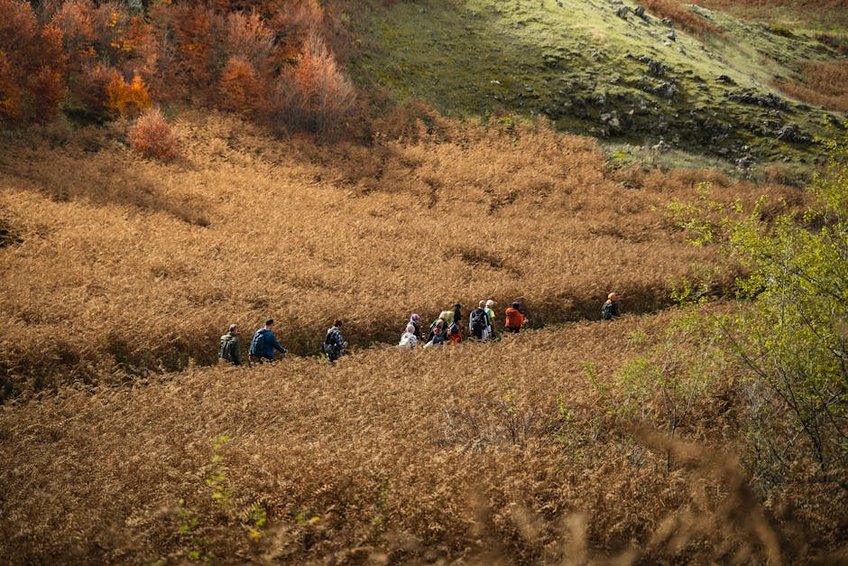
- Lycian Way: This 540-km (335-mile) coastal path follows the Turquoise Coast from Fethiye to Antalya, famed for sea views, pine forests, and access to ruins like Patara and Olympos. It’s best for winter and spring hiking.
- Kaçkar Mountains: Located in the northeast near the Georgian border, this alpine region features high passes, glacial lakes, and yaylas (summer pastures). The trekking season is short, from July to September, due to heavy snow.
- Cappadocia: Known for its fairy chimneys, this central region offers unique valley walks through volcanic rock formations and underground cities. Trails are generally less strenuous and can be hiked year-round, though summer is hot.
- Budget Trekker ($35-60 USD/day): This involves camping or staying in basic village pensions, self-catering with market food, and using public transport. It’s feasible on the Lycian Way and Saint Paul Trail where villages are frequent.
- Mid-Range Hiker ($80-150 USD/day): This budget allows for small guesthouses with breakfast, lunches at trailside cafes, baggage transfer services on some routes, and occasional guided day hikes. It offers the best balance of comfort and immersion.
- Guided Expedition ($200-400 USD/day): Necessary for Mount Ararat or full Kaçkar traverses, this includes all permits, licensed guides, cooks, pack animals, food, and camping gear. It’s a fully supported wilderness experience.
- Republic of Türkiye Ministry of Culture and Tourism
- Trekking in Turkey (Trail Information Portal)
Key Details for Trail Selection
Your choice should depend heavily on the season and your desired challenge level. The Lycian Way is accessible from October to May, with ideal temperatures between 15-25°C (59-77°F), while the Kaçkar Mountains are only snow-free for a brief summer window. Always check recent trail conditions, as waymarking maintenance can vary.
Consider your self-sufficiency carefully. While the Lycian Way has villages every day, routes like the Saint Paul Trail are more remote, requiring you to carry more supplies. Fitness levels range from gentle valley walks in Cappadocia to demanding multi-day ascents on Mount Ararat, which requires a guide and permit.
Cultural and Historical Context
Trekking here is a cultural immersion. The trails connect remote villages where hospitality traditions are strong. You may be invited for çay (tea) by locals. Many paths are named for historical figures, like the Saint Paul Trail, which traces the apostle’s first missionary journey through Pisidia.
Respectful engagement enhances the experience. Learning a few Turkish phrases is appreciated. Dress modestly when passing through villages, and always ask permission before photographing people. This respect for local customs is as important as following Leave No Trace principles in the natural environment.
Alt: “lycian-way-turquoise-coast-trail-mediterranean-view”
Best Trekking Routes in Turkey – Planning Your Adventure
Choosing among the best trekking routes in Turkey requires matching the trail’s character to your goals. The famed Lycian Way excels for coastal scenery and reliable infrastructure, making it a superb first long-distance hike in the country. For high-mountain enthusiasts, the Kaçkar Traverse offers a true alpine challenge with fewer fellow trekkers, requiring greater self-reliance and navigation skills.
Your budget will shape the experience. Independent trekking on marked trails costs as little as $35-50 USD per day, covering basic pensions and meals. Guided tours for remote areas like Ararat or specialized cultural walks can range from $150 to $400 USD per day, including permits, meals, and transport. Booking accommodations in advance is crucial during peak seasons (April-May, September-October).
Best Time to Visit for Trekking
The optimal trekking season varies dramatically by region. For the Mediterranean trails like the Lycian Way, visit between October and April to avoid extreme summer heat, with daytime highs of 18-24°C (64-75°F). Spring brings wildflowers, while autumn offers warmer sea temperatures for swimming after a hike.
In contrast, the Kaçkar Mountains and Mount Ararat have a very short summer season from mid-July to mid-September. Even then, you must prepare for variable conditions, with temperatures at high camps dropping to -5°C (23°F). For Cappadocia, spring (April-June) and autumn (September-October) provide pleasant walking weather without the peak summer crowds.
Budget Planning and Costs
Daily costs depend on your style of travel and the region’s remoteness.
Essential Preparation Checklist
Physical training should focus on building endurance for long days with a pack, including stair climbing and downhill hiking to prepare for Turkish terrain. Break in your footwear meticulously—trails are often rocky and uneven. Pack layers for shifting mountain weather, including a quality waterproof jacket and thermal base layers.
Logistically, ensure your passport has six months’ validity. Most Western nationals can get an e-Visa online before travel. Purchase travel insurance that explicitly covers trekking above 3,000 meters if attempting Ararat or the high Kaçkar. Book your first few nights’ lodging and key domestic flights in advance, especially for peak seasons.
Top Routes and Trail Highlights
Turkey’s long-distance trails offer unparalleled variety. The Lycian Way remains the most popular for good reason, with its reliable waymarks, stunning coastal vistas, and daily access to villages. For those seeking solitude and raw mountain scenery, the less-traveled paths in the Kaçkar range deliver a profound wilderness experience, often above the tree line.
Each route tells a different story. The Saint Paul Trail delves into the heart of ancient Pisidia, passing seldom-visited Roman sites. Meanwhile, the newly developed Carian Trail explores a wild peninsula dotted with Carian ruins. Choosing a path is about selecting the narrative you wish to follow through the landscape.
Must-See Highlights on the Lycian Way
The section from Ölüdeniz to Faralya features the iconic Butterfly Valley overlook, a breathtaking coastal view. Near Adrasan, the trail climbs from sea level to the ancient mountaintop city of Olympos, offering a challenging but rewarding day. The ruins of Patara, with its immense beach and sprawling archaeological site, are a major cultural highlight accessible from the trail.
Practical tips enhance these visits. Start the Butterfly Valley section early to avoid the midday sun on the exposed climb. At Olympos, consider staying in one of the famous treehouse accommodations. For Patara, allocate a full rest day to explore the ruins and enjoy the 18km-long beach, the nesting ground for loggerhead sea turtles.
Hidden Gems and Local Favorites
Beyond the famous trails, consider the İzmir region’s “Sacred Way,” connecting ancient Ionian cities. It sees very few international trekkers. In the Kaçkar, the trail from Yukarı Kavron to the Dilber Düzü plateau is a local favorite, leading to serene high pastures and views of the highest peaks.
Finding these gems requires local insight. Engage with guesthouse owners in trail towns like Kalkan or Yusufeli; they often know of beautiful day-hike loops not in guidebooks. Using a local guide for a single day on a popular route can also reveal these off-itinerary spots, from hidden swimming coves to village festivals.
High-Altitude Challenges: Ararat and Kaçkar
Mount Ararat (5,137m/16,854ft) is a serious expedition requiring a certified guide, permits, and proper acclimatization. The standard route takes 5-6 days round trip from Doğubayazıt. Success depends more on weather windows than technical climbing skill, though crampons and ice axes are used.
The Kaçkar Traverse is a 7-10 day point-to-point trek between Ayder and Barhal. It involves crossing high passes over 3,000 meters, requiring good fitness and navigation. While not technical, the weather is notoriously changeable. Hiring a guide with pack animal support is highly recommended for route-finding and carrying group gear.
Practical Travel and Logistics
Getting to trailheads typically involves flying into a major hub like Istanbul or Antalya, then taking domestic flights or overnight buses to regional centers. From there, local dolmuş (shared minibuses) or arranged transfers reach the village starts. Planning buffer days for travel is wise, as connections can be infrequent.
Accommodation on the trails ranges from wild camping (where permitted) to charming village pensions called “pansiyons.” On popular routes like the Lycian Way, you can often book the next night’s stay by phone from the trail, with your pack sometimes transported ahead by local services for a fee. In remote areas, you must be fully self-sufficient.
| Route | Best For | Difficulty & Season | Avg. Daily Cost (USD) |
|---|---|---|---|
| Lycian Way | Coastal views, history, village stays | Moderate; Oct-April | $40-100 |
| Kaçkar Traverse | Alpine scenery, wilderness, challenge | Strenuous; July-Sept | $80-200+ |
| Mount Ararat Summit | High-altitude achievement | Very Strenuous; July-Aug | $250-400 (guided) |
| Cappadocia Valleys | Unique geology, easy access, culture | Easy-Moderate; April-June, Sept-Oct | $50-120 |