Berlin Wall Heritage Tour
Exploring Berlin’s Cold War history is a powerful journey through a city physically and ideologically divided for decades. A Berlin Wall Heritage Tour offers the most insightful way to understand this complex period, moving beyond textbook facts to stand at the very sites where history unfolded. This guide provides all the practical details you’ll need, from choosing the right tour format to understanding the key memorials and planning your visit around the city’s layered narrative.
Understanding the Berlin Wall’s History
The Berlin Wall was not a single, static barrier but a constantly evolving system of fortifications. Erected virtually overnight on August 13, 1961, by the German Democratic Republic (GDR), its primary purpose was to halt the mass exodus of citizens from East to West Berlin. For 28 years, it stood as the most potent symbol of the Iron Curtain, splitting neighborhoods, families, and an entire city.
Over time, the initial barbed wire and cinderblocks evolved into a sophisticated border complex known as the “Death Strip.” This area featured multiple walls, anti-vehicle trenches, floodlights, watchtowers, and a raked sand path to detect footprints. Understanding this evolution is key to appreciating the immense scale of the division and the desperation of those who tried to cross it. The fall of the Wall on November 9, 1989, remains one of the 20th century’s most celebrated moments of peaceful revolution.
Key Historical Phases to Know
Most Cold War history tours will contextualize your visit within these critical periods.
- Construction (1961): The initial barrier went up rapidly, catching many Berliners by surprise and literally dividing streets and tram lines overnight.
- Fortification (1960s-1970s): The simple wall was replaced by the complex Border Wall 75 system, turning the divide into a nearly impenetrable militarized zone.
- Stagnation & Protest (1980s): Growing civil unrest in East Germany, combined with changing Soviet policies, created pressure that ultimately led to the border’s opening.
- Budget (Free – $25): Follow the free, city-marked Berlin Wall Trail by bike or foot. Enhance it with a low-cost audio guide app ($5-10) or join a “pay-what-you-wish” walking tour, where you tip the guide at the end based on your experience.
- Mid-Range ($25 – $75): This range covers most standard 3-4 hour guided walking or biking tours led by professional historians. It often includes entrance to a key site like the Berlin Wall Memorial Documentation Center or a visit to a remaining watchtower.
- Luxury ($75 – $150+): Private, customizable tours with expert guides, including vehicle transport between dispersed sites. May include exclusive access, detailed archival material, or combined themes like “Cold War Espionage” with visits to former Stasi locations.
- Berlin.de Official Wall Site
- Berlin Wall Memorial Foundation
The Human Impact of Division
The Wall’s legacy is measured in human stories. At least 140 people died at the Berlin Wall between 1961 and 1989, with many more injured or imprisoned for attempting to flee. A Berlin Wall memorial walk reveals stories of ingenious escape attempts through tunnels, hot air balloons, and hidden car compartments. Meanwhile, life in the shadow of the Wall created a unique psychology for citizens on both sides, a topic often explored on deeper historical tours.
From Death Strip to Open Space
Today, the former path of the Wall has been transformed. Long stretches are now marked by a double row of cobblestones embedded in streets and sidewalks. The former Death Strip in the city center has become valuable real estate, home to parks, government buildings, and Potsdamer Platz. This transformation from a site of repression to one of integration is a central theme of any visit.
Alt: “berlin-wall-memorial-documentation-center-exhibition-hall”
Berlin Wall Heritage Tour – Planning Your Trip
Choosing the right Berlin Wall Heritage Tour depends on your interests, time, and budget. Options range from free, self-guided walks using a map and app to comprehensive full-day excursions with expert historians. Most visitors find that a guided tour is invaluable for context, as many Wall remnants are unmarked or integrated into modern architecture. Booking ahead is essential during peak seasons from May through September.
Your planning should account for at least half a day to do the subject justice. Key sites are spread across several kilometers, so comfortable walking shoes are non-negotiable. Consider combining a focused guided tour in the morning with independent exploration of specific memorials in the afternoon. Weather in Berlin can be unpredictable; pack layers and a rain jacket regardless of the season.
Best Time to Visit the Berlin Wall Sites
The optimal months for a Berlin Wall history tour are April-May and September-October. During these shoulder seasons, you’ll encounter milder temperatures ranging from 50-68°F (10-20°C) and fewer crowds than the busy summer. Summer (June-August) is pleasant but crowded, with highs around 75°F (24°C). Winter visits (November-March) offer a stark, atmospheric experience with temperatures between 30-40°F (-1 to 4°C), but some outdoor exhibits may have limited hours.
For a profoundly moving experience, consider visiting around significant anniversaries. November 9th marks the fall of the Wall, and August 13th commemorates its construction. These dates often feature special events, readings, and memorial ceremonies at sites like the Berlin Wall Memorial on Bernauer Strasse.
Budget Planning and Costs
Costs can vary from free to over $100 per person depending on tour type and inclusions.
Essential Preparation Checklist
Beyond a camera and comfortable shoes, consider a few specific items. A power bank for your phone is crucial for using navigation and translation apps throughout the day. Download offline maps of the Berlin Wall Trail and the “Berlin Wall” app from the Berlin Wall Foundation for on-site information. Carry both cash (Euros) and a credit card, as some smaller memorial sites or bookshops may not accept cards.
Check visa requirements if you’re traveling from outside the EU/Schengen area; US citizens can visit for up to 90 days without a visa. While not mandatory, reading a brief history book or watching a documentary like “The Tunnel” before your trip will significantly deepen your understanding and engagement during the tour itself.
Top Berlin Wall Sites and Memorials
Berlin’s Wall history is preserved at several major sites, each with a different focus. The most comprehensive location is the Gedenkstätte Berliner Mauer (Berlin Wall Memorial) on Bernauer Strasse. Here, a preserved section of the border fortifications, complete with the Death Strip, stands alongside a moving documentation center and the Chapel of Reconciliation. This site powerfully conveys the Wall’s physical reality and human cost.
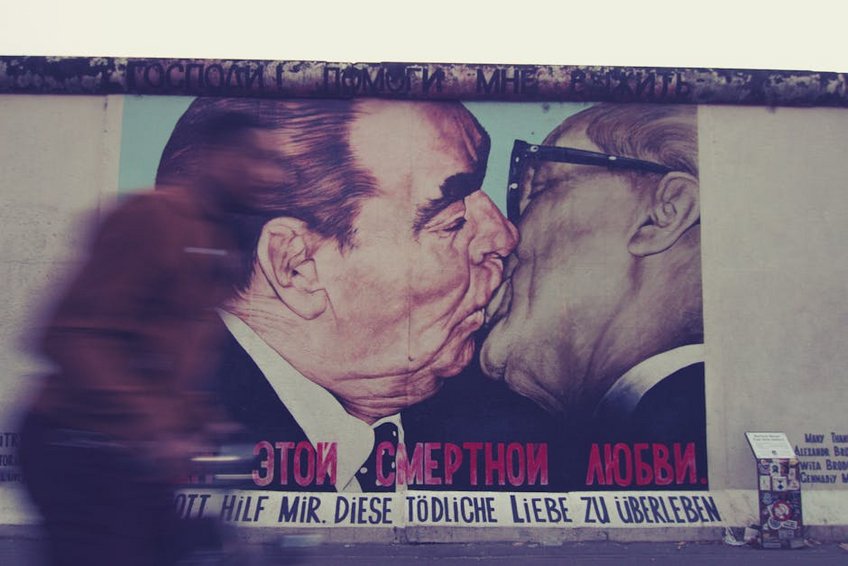
For seeing the longest remaining stretch of the outer wall, head to the East Side Gallery in Friedrichshain. This 1.3 km section became an open-air gallery in 1990, featuring over 100 paintings by artists from around the world. It’s a celebration of freedom but requires context, as the paintings are on the “eastern” side of the Wall, which was originally bare concrete facing the Death Strip.
Must-See Highlights
The Berlin Wall Memorial on Bernauer Strasse is the essential starting point. Its outdoor exhibition is free and open 24/7, while the Documentation Center’s viewing platform provides the best overview of the border system’s layout. Allow at least two hours here. The Topography of Terror, built on the former Gestapo headquarters, has an extensive outdoor section along Niederkirchnerstrasse featuring the last longest stretch of the Wall in the city center.
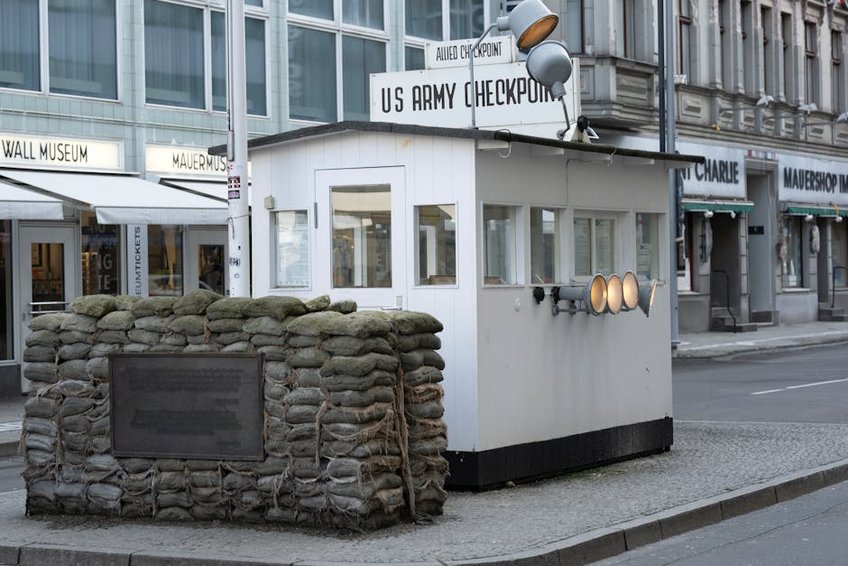
Checkpoint Charlie, the famous Allied border crossing, is now a commercialized museum site. While the museum (Haus am Checkpoint Charlie) is privately run and dense with artifacts, the outdoor replica booth and signs offer a popular photo opportunity. Understanding its historical significance versus its current touristy presentation is part of the modern Berlin experience.
Hidden Gems and Local Insights
Venture to less-visited neighborhoods to find poignant remnants. In Treptow, the “Grenzwachturm Kieler Eck” is a fully preserved GDR watchtower that you can enter, offering a claustrophobic sense of a border guard’s perspective. In Prenzlauer Berg, the Mauerpark (literally “Wall Park”) is built on part of the former Death Strip and is now a vibrant Sunday flea market and karaoke spot, representing the city’s transformation.
For a tangible piece of history, visit the Black Box Cold War Museum near Checkpoint Charlie. It’s smaller and more focused than some larger institutions, providing a clear, concise overview. Also, look down as you walk; the double row of cobblestones and occasional informational plaques marking the Wall’s path across the city are themselves a subtle, city-wide memorial.
Museums and Documentation Centers
Complement your outdoor exploration with indoor context. The Berlin Wall Memorial’s Documentation Center uses personal stories, audio recordings, and films to explain the Wall’s construction and its impact on the surrounding neighborhood. The German Historical Museum (Deutsches Historisches Museum) provides the essential broader national and European context for the Cold War era, helping to situate the Berlin story within wider global tensions.
Practical Tour and Travel Information
Berlin is exceptionally well-connected by public transport (BVG), making all Wall sites easily accessible. Purchase a day ticket for zones AB (around €9) for unlimited travel on buses, trams, U-Bahn, and S-Bahn. Most tours start near central hubs like Brandenburg Gate, Alexanderplatz, or Friedrichstrasse Station. For a self-guided tour, renting a bike is an excellent way to cover more ground along the marked Berlin Wall Trail.
Accommodation near the central Mitte district places you within easy reach of Checkpoint Charlie, the Topography of Terror, and Brandenburg Gate. Staying in trendier neighborhoods like Friedrichshain or Kreuzberg offers proximity to the East Side Gallery and a more local vibe, with easy U-Bahn access back to central sites.
| Tour Type | Features & Focus | Price Range (USD) |
|---|---|---|
| Walking Tour | 3-4 hours, expert guide, sites like Memorial & Checkpoint Charlie, small group. | $20 – $40 |
| Bike Tour | Covers more ground (East Side Gallery, Bornholmer Strasse), includes bike rental, active pace. | $35 – $55 |
| Private Tour | Fully customizable itinerary, guide dedicated to your group, hotel pickup, in-depth Q&A. | $150 – $300+ |
| Third Reich & Cold War Combo | Full-day history tour linking WWII sites with Wall history for broader context. | $60 – $90 |