Berlin Travel Guide: Discover History, Culture, and Modern Energy
Exploring the German capital offers a profound journey through pivotal 20th-century history, world-class museums, and a famously avant-garde arts scene. Your Berlin travel guide should navigate the city’s distinct neighborhoods, from the historical weight of Mitte to the creative pulse of Kreuzberg, each telling a different part of the city’s story. This guide provides practical tips on navigating the efficient public transport, securing tickets to top sites, and experiencing the local lifestyle to make your visit seamless and deeply engaging.
Berlin’s Essential History and Layout
Berlin’s identity is shaped by its dramatic 20th-century history, from the Weimar Republic and Nazi era to Cold War division and eventual reunification. The physical remnants of the Berlin Wall, now an open-air gallery, stand in stark contrast to the gleaming government quarter, illustrating the city’s transformation. Understanding this historical context turns a simple visit into a meaningful exploration of resilience and renewal.
The city is not a monolithic center but a collection of unique districts, or ‘Kieze,’ each with its own character. Central Mitte holds the iconic Brandenburg Gate and Museum Island, while former West areas like Charlottenburg offer elegant, pre-war grandeur. Former East districts, such as Friedrichshain and Prenzlauer Berg, buzz with youthful energy, street art, and innovative dining in refurbished industrial spaces.
Understanding the City’s Districts
Choosing where to spend your time depends on your interests. Each borough provides a distinct slice of urban German life.
- Mitte: The historical core, ideal for first-time visitors. Key sites include the Reichstag Building, Holocaust Memorial, and the start of the Berlin Wall Memorial. It’s dense with landmarks but can feel tourist-heavy.
- Kreuzberg & Friedrichshain: The epicenters of counter-culture, street food, and nightlife. Explore the East Side Gallery, Markthalle Neun, and sprawling weekend flea markets. These areas are vibrant, gritty, and full of character.
- Prenzlauer Berg & Charlottenburg: Offer different vibes of refined living. Prenzlauer Berg features beautifully restored buildings, boutique shopping, and family-friendly parks. Charlottenburg boasts the grand palace, upscale shopping on Kurfürstendamm, and more classic café culture.
- Budget Traveler ($65-85/day): Stay in a hostel dorm, use public transit (7-day pass ~$38), enjoy street food (currywurst, döner) and supermarket meals, focus on free attractions like the East Side Gallery, Topography of Terror, and Reichstag Dome registration.
- Mid-Range Traveler ($120-180/day): Private room in a design hotel or Airbnb, mix of casual and mid-tier restaurant meals, entrance fees for 2-3 major museums, occasional taxi rides, and a guided walking tour or boat cruise.
- Luxury Traveler ($300+/day): Boutique or five-star hotel in Mitte or Charlottenburg, fine dining at Michelin-starred or acclaimed restaurants, private guided tours, premium tickets to opera or philharmonic, and convenient taxi or private car service.
- Berlin Tourism Board Official Site
- Berlin Public Transport Company (BVG)
Key Historical Landmarks You Cannot Miss
Several sites are essential for grasping Berlin’s complex narrative. The Reichstag Dome, with its Norman Foster-designed glass cupola, symbolizes transparent democracy and offers a panoramic city view requiring advance online registration. A short walk away, the Holocaust Memorial’s field of 2,711 concrete stelae provides a powerful, somber space for reflection.
For Cold War history, the Berlin Wall Memorial on Bernauer Strasse is the most comprehensive documentation site, featuring preserved border segments and a viewing tower. Checkpoint Charlie, while now a commercialized photo op, is historically significant; visit the free open-air exhibition nearby for better context.
Navigating the Cultural Landscape
Berlin’s cultural offerings are staggering. Museum Island, a UNESCO World Heritage site, hosts five monumental museums, including the Pergamonmuseum and the Neues Museum with its iconic Bust of Nefertiti. The Berlinische Galerie and the Hamburger Bahnhof museum for contemporary art showcase more modern movements.
The performing arts scene is equally rich, with three major opera houses, the Berlin Philharmonic, and countless experimental theaters. The city’s club culture is legendary, with venues like Berghain setting a global standard for electronic music, though door policies are famously selective.
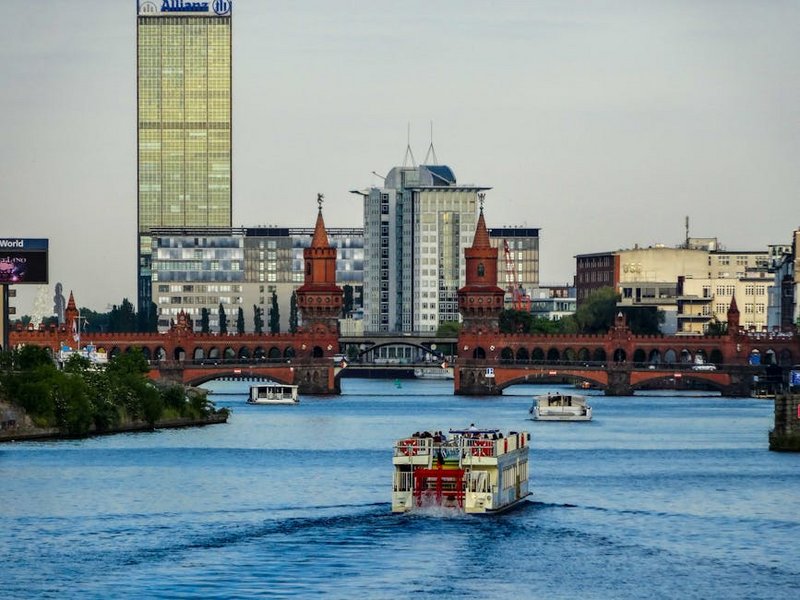
Alt: “berlin-brandenburg-gate-sunset-skyline-urban-landmark”
Berlin Travel Guide – Planning Your Visit
Successful exploration of the German capital requires strategic planning around weather, budgets, and advance bookings. The city experiences distinct seasons, with mild summers perfect for beer gardens and cold, often gray winters that are ideal for museum-hopping. Your Berlin travel plan should leverage the city’s superb public transportation and consider purchasing a welcome card for included transit and discounts.
Accommodation costs vary widely by district and season, with summer and major events like the Berlinale film festival driving higher prices. Booking apartments or hotels at least two months in advance secures better rates and location options. Remember that many smaller shops and some museums close on Sundays, while nightlife thrives from Thursday through Saturday.
Best Time to Visit Berlin
Visit Berlin between May and September for the most pleasant weather, with average highs of 65-75°F (18-24°C) and long daylight hours perfect for outdoor sightseeing and festivals. This peak season brings larger crowds and higher prices, so book accommodation and popular tour slots at least three months in advance to ensure availability.
The shoulder seasons of April and October offer a compelling balance, with cooler temperatures of 50-60°F (10-15°C) and fewer tourists. December is a special case for the famous Christmas markets, despite cold averages of 30-40°F (-1 to 4°C). Winter months from January to March are the quietest and most affordable, best for indoor cultural pursuits.
Budget Planning and Costs
Berlin is relatively affordable for a Western European capital, but costs can escalate quickly. Here’s a tiered breakdown for a daily budget per person.
Essential Preparation Checklist
Pack for variable weather with layers, a waterproof jacket, and comfortable walking shoes—expect to walk extensively. A universal power adapter (Type F, 230V) is mandatory, and a portable power bank is useful for long days navigating with your phone. Download the BVG app for public transport schedules and tickets, and the Google Translate app for occasional German menu deciphering.
EU citizens need only an ID card, while US, UK, and Canadian travelers require a passport valid for at least three months beyond their stay for visa-free visits up to 90 days. Purchase travel insurance that covers medical care and trip interruptions. Notify your bank of travel plans to use credit/debit cards widely accepted across the city, though keep some euros for small vendors and markets.
Top Attractions and Urban Experiences
Berlin’s must-see list blends iconic monuments with immersive neighborhood explorations. Allocate at least a full day for Museum Island alone to appreciate its archaeological treasures properly. The Reichstag Dome requires free but mandatory online booking, often weeks in advance for prime time slots, but it’s worth the planning effort for its symbolic and visual payoff.
Beyond the landmarks, the city’s true character shines in its everyday spaces. Spend an afternoon wandering the canals of Kreuzberg, browsing books at the Jewish Quarter’s Hackesche Höfe courtyards, or relaxing in the sprawling Tiergarten park. Evening might lead to a techno club, a cozy kneipe (pub), or a world-class concert, reflecting the city’s 24-hour energy.
Must-See Highlights
The Brandenburg Gate, Berlin’s most iconic symbol, is impressive day or night and serves as the gateway to Unter den Linden boulevard. Visit early morning to avoid the largest crowds. Nearby, the glass dome of the Reichstag offers a stunning 360-degree view and a powerful lesson in transparent governance; book a specific entry time online well before your trip.
Museum Island houses five world-class institutions. Prioritize the Pergamonmuseum for its monumental ancient structures and the Neues Museum for Egyptian artifacts. Purchase a one-day Area Ticket for entry to all five. For 20th-century history, the Topography of Terror documentation center, built on the former Gestapo headquarters, provides a sobering and essential free exhibition.
Hidden Gems and Local Favorites
Venture beyond the guidebook staples to places Berliners cherish. The Teufelsberg, an artificial hill built from WWII rubble topped with a abandoned Cold War listening station, offers gritty history and panoramic views. Take a stroll along the Landwehr Canal in Kreuzberg, stopping at open-air bars in the summer, or explore the raw art studios and cafes in the Holzmarkt complex by the River Spree.
For a unique retail experience, visit the RAW-Gelände, a former railway repair yard in Friedrichshain now home to indie shops, a flea market, clubs, and a beach bar. The Prater Garten in Prenzlauer Berg, Berlin’s oldest beer garden, provides a classic, leafy setting for a locally-brewed pint away from the tourist throngs.
Unique Tours and Activities
Consider joining a specialized tour to gain deeper insight. Several companies offer excellent Third Reich and Cold War walking tours led by expert historians. For a different perspective, take a leisurely boat tour on the Spree River, passing key government and historical buildings from the water. Food tours in neighborhoods like Kreuzberg introduce you to the city’s diverse culinary scene, from traditional German to Turkish and Vietnamese influences.
Rent a bicycle to cover more ground comfortably; Berlin is very bike-friendly with extensive lanes. A ride through the Tiergarten, along the Wall Trail, or to the Schloss Charlottenburg gardens makes for a perfect afternoon. In winter, the numerous Christmas markets, especially the nostalgic one at the Gendarmenmarkt, create a magical atmosphere.
Practical Travel Information and Logistics
Berlin is served by two main airports: Tegel (TXL) is closer to the city center but has limited public transport, while Schönefeld (SXF) is farther out but well-connected by train and will eventually become part of the new Berlin Brandenburg (BER). The city’s public transport system (BVG) is exceptionally efficient, integrating U-Bahn (subway), S-Bahn (urban rail), trams, and buses with a single ticket.
Accommodation ranges from budget hostels in Friedrichshain to luxury hotels on Unter den Linden. For a more local feel, consider an Airbnb in neighborhoods like Neukölln or Prenzlauer Berg. Most visitors find staying within the Ringbahn (the circular S-Bahn line) provides the best balance of access and local atmosphere.
| Accommodation Type | Best For & Features | Price Range/Night (USD) |
|---|---|---|
| Hostel / Budget Hotel | Solo travelers & groups; social atmosphere, basic amenities, central locations in East Berlin. | $25 – $65 |
| Mid-Range Design Hotel / Apartment | Couples & mid-budget travelers; style-focused, better locations, often includes breakfast. | $90 – $180 |
| Boutique / Heritage Hotel | Special occasions; unique design, historical buildings, superior service in districts like Mitte. | $200 – $350 |
| Luxury 5-Star Hotel | High-end travelers; premium amenities (spas, fine dining), prime locations near Tiergarten or Potsdamer Platz. | $400+ |