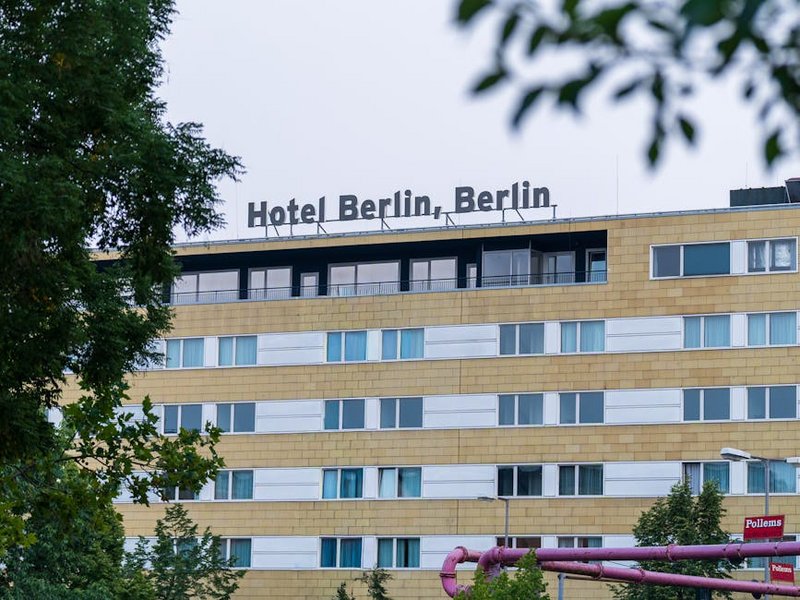
Berlin Travel Guide: Navigate History, Culture, and Modern Energy
Berlin stands as a living history book where every street corner tells a story, from its divided past to its unified, avant-garde present. This guide provides the essential framework for exploring the German capital, balancing must-see historical landmarks with insider tips on its dynamic neighborhoods and vibrant cultural scene. We’ll cover everything from navigating the U-Bahn to securing museum tickets, ensuring your visit is both profound and practical.
Essential Berlin Information
Berlin’s identity is shaped by its 20th-century history, emerging as a powerhouse of creativity and remembrance. The city officially reunified on October 3, 1990, a date now celebrated as German Unity Day. Today, it functions as a federal state and the capital of Germany, with a population nearing 3.7 million across its twelve distinct boroughs.
The local currency is the Euro (€), and while credit cards are widely accepted, it’s wise to carry some cash, especially for smaller shops, markets, and flea markets. German is the official language, but English is very commonly spoken in tourist areas, hotels, and restaurants, making communication straightforward for international visitors. The city operates on Central European Time (CET, UTC+1) and switches to daylight saving time in summer.
Understanding the City Layout
Berlin isn’t a centralized city with one main square; it’s a collection of neighborhoods, or ‘Kieze,’ each with its own character. Navigating is easiest when you think in terms of districts rather than a simple center.
- Mitte: The historical center, home to Museum Island, the Brandenburg Gate, and the Reichstag. It’s the most tourist-heavy area but essential for first-time visitors.
- Kreuzberg & Friedrichshain: Known for alternative culture, street art, vibrant nightlife, and the East Side Gallery. These areas are perfect for experiencing Berlin’s famous creative energy.
- Prenzlauer Berg: A formerly gritty district now characterized by beautifully restored Altbau buildings, family-friendly parks, and a bustling café culture.
- Charlottenburg-Wilmersdorf: Offers a more elegant, pre-war Berlin feel with high-end shopping on Kurfürstendamm and the stunning Charlottenburg Palace.
- Budget Traveler ($65-$90/day): Stay in a hostel dorm, use the WelcomeCard for transit, eat street food like currywurst or doner kebab, and focus on free attractions like the East Side Gallery, Tiergarten park, and free museum entry days (often the first Sunday of the month).
- Mid-Range Traveler ($100-$180/day): This covers a private room in a boutique hotel or Airbnb in areas like Prenzlauer Berg, dining at casual sit-down restaurants, visiting 2-3 paid museums daily, and enjoying a few drinks at a beer garden.
- Luxury Traveler ($250+/day): Includes stays at five-star hotels like Hotel Adlon Kempinski, fine dining at Michelin-starred restaurants, private guided tours of historical sites, and premium seats at the Berlin Philharmonic.
- Berlin Official Tourism Website
- Berlin Public Transport (BVG)
Key Historical Context
Modern Berlin cannot be understood without acknowledging the Berlin Wall, which physically and ideologically divided the city from 1961 to 1989. The fall of the Wall on November 9, 1989, triggered reunification. Remnants and memorials, like the Berlin Wall Memorial on Bernauer Strasse, are scattered throughout the city.
Equally significant is the city’s role in World War II and the Holocaust. Memorials like the Memorial to the Murdered Jews of Europe and the Topography of Terror documentation center are sobering, essential visits. This history of division and remembrance directly influences the city’s tolerant, forward-looking ethos today.
Visa and Entry Requirements
As part of Germany and the Schengen Area, Berlin welcomes travelers from the US, Canada, UK, and Australia for up to 90 days within a 180-day period without a visa for tourism. Your passport should be valid for at least three months beyond your planned departure date from the Schengen zone. Always check the latest entry requirements with official government sources before booking your trip.
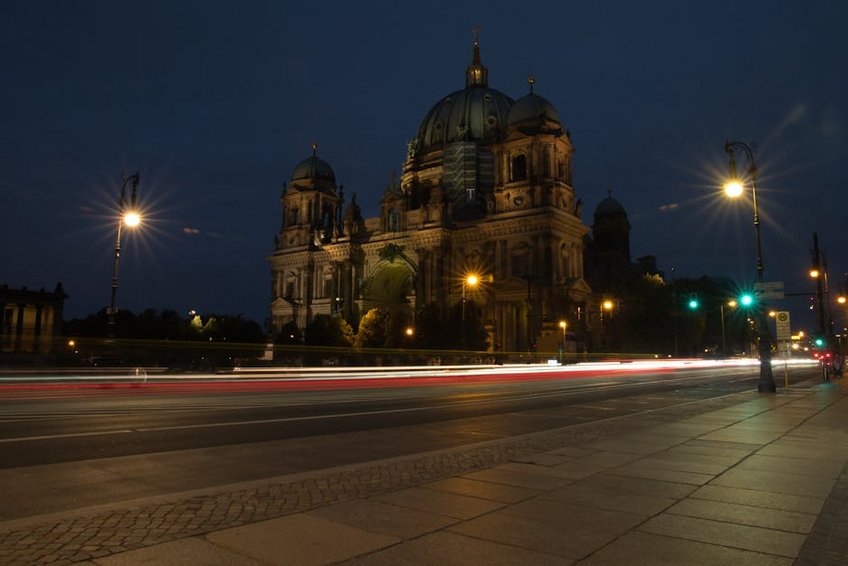
Alt: “berlin-brandenburg-gate-sunset-skyline-architecture”
Berlin Travel Guide – Planning Your Trip
Effective planning for Berlin hinges on aligning your interests with the right neighborhoods and pre-booking key attractions. The city is vast, so concentrating your stay in one or two districts saves valuable transit time. Invest in a Berlin WelcomeCard for unlimited public transport and discounts at over 200 attractions, which streamlines both movement and budgeting.
A mid-range daily budget for Berlin is quite reasonable compared to other Western European capitals. Expect to spend around $100-$150 USD per person per day, covering a comfortable hotel, public transport, museum entries, and meals at mid-tier restaurants. This budget allows for a full experience without constant financial worry.
Best Time to Visit Berlin
The ideal months for a Berlin visit are late spring (May-June) and early fall (September-October). During these periods, you’ll enjoy mild temperatures ranging from 59-68°F (15-20°C), fewer crowds, and long daylight hours perfect for exploration. Summer (July-August) is peak season, with temperatures up to 77°F (25°C) but also larger crowds and higher prices.
Winter (December-February) is cold, with highs around 37°F (3°C), but it has its own charm with Christmas markets and cozy indoor activities. The shoulder seasons truly offer the best balance of pleasant weather, manageable tourism levels, and a full calendar of cultural events.
Budget Planning and Costs
Costs in Berlin can vary significantly based on your travel style. Here’s a tiered breakdown to help you plan.
Essential Preparation Checklist
Pack for variable weather, even in summer. Essentials include a comfortable waterproof jacket, walking shoes, a power adapter (Type F, 230V), and a portable power bank. For museums and churches, modest attire is respectful. Download the BVG (public transport) and DB Navigator (trains) apps for real-time schedules and ticket purchasing.
Book accommodation at least 2-3 months in advance for summer or Christmas market visits. Secure timed-entry tickets online for major attractions like the Reichstag dome and the Pergamon Museum weeks ahead. Ensure you have comprehensive travel health insurance that covers the Schengen area.
Top Attractions and Activities
Berlin’s attractions span centuries, from Prussian palaces to Cold War relics. Prioritizing is key, as seeing everything is impossible. A smart itinerary mixes iconic historical sites with immersive local experiences in distinctive neighborhoods to capture the city’s true spirit.
Allocate time for contemplation at memorial sites and for spontaneity in parks or cafés. The city’s magic often lies in the unexpected moments—stumbling upon a hidden courtyard, a pop-up market, or a lively street performance.
Must-See Historical Landmarks
The Brandenburg Gate is the iconic symbol of German unity and a necessary starting point. Just north, the Reichstag Building offers free entry to its stunning glass dome, but advance online registration is mandatory. Allow 90 minutes for the audio tour and panoramic city views.
Visit the Berlin Wall Memorial on Bernauer Strasse for the most authentic and informative preservation of the border fortifications. It’s more impactful than the larger East Side Gallery. Nearby, Checkpoint Charlie feels commercialized but remains a historically significant point of interest.
Museum Island and Cultural Hubs
A UNESCO World Heritage site, Museum Island houses five world-class institutions. The Pergamon Museum, currently undergoing renovations with a partial opening, and the Neues Museum, home to the iconic bust of Nefertiti, are the top draws. A day pass (around $19 USD) for all five is excellent value.
For 20th-century history, the Topography of Terror, built on the former Gestapo headquarters, offers a free, thorough, and harrowing exhibition. The Jewish Museum Berlin, with its architecturally stunning building, provides a deeper, more experiential look at German-Jewish history.
Exploring Local Neighborhoods
Dedicate an afternoon to wandering Kreuzberg, particularly along the Landwehr Canal and Oranienstrasse, for street art, eclectic shops, and international cuisine. In the evening, the area around Simon-Dach-Strasse in Friedrichshain buzzes with lively bars and restaurants.
For a quieter, picturesque vibe, explore Prenzlauer Berg’s Kollwitzplatz market (on Saturdays) and the surrounding cafés. Charlottenburg offers a different pace with the opulent Charlottenburg Palace gardens and the high-end shopping boulevard, Kurfürstendamm.
Practical Travel Information
Berlin’s public transportation system (BVG) is comprehensive, efficient, and the best way to explore. It integrates U-Bahn (subway), S-Bahn (city rail), trams, and buses. Single tickets cost about $3.50 USD, but passes like the 24-hour ticket ($9.50) or the Berlin WelcomeCard offer better value for tourists.
Accommodation choices are plentiful. Mitte is most central for sights, while Kreuzberg and Prenzlauer Berg offer more local flavor. Charlottenburg provides classic hotel luxury. Booking direct with hotels or using reputable platforms is recommended, especially for longer stays.
| Accommodation Type | Best For & Features | Avg. Nightly Price (USD) |
|---|---|---|
| Hostel / Budget Hotel | Solo travelers & groups; social atmosphere, basic amenities, central locations like Mitte East | $25 – $70 |
| Boutique Hotel / Apartment | Couples & mid-range travelers; design-focused rooms, local neighborhood feel (e.g., Prenzlauer Berg) | $100 – $200 |
| Business Hotel | Convenience & comfort; near transit hubs like Hauptbahnhof, modern facilities, reliable service | $150 – $250 |
| Luxury / Historic Hotel | Splurge & iconic stays; top-tier service, prime locations (Unter den Linden), spa facilities | $300+ |