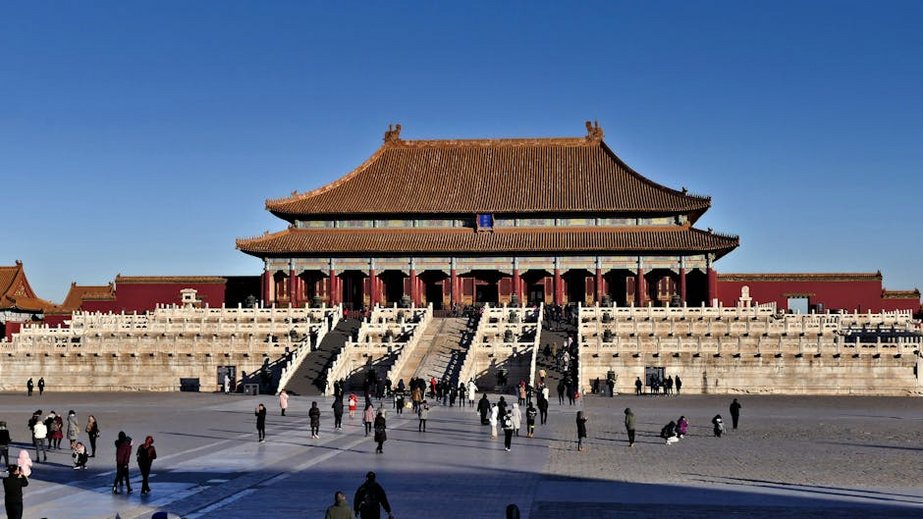
Beijing Travel Guide
Visiting China’s capital offers an unforgettable blend of ancient history and hyper-modern dynamism. Your Beijing travel experience spans imperial palaces like the Forbidden City, dynamic food scenes in ancient hutongs, and cutting-edge architecture in the Central Business District. This guide provides essential planning tips, must-see attractions, and cultural insights to navigate this sprawling metropolis efficiently.
Essential Information on China’s Capital
Beijing, the political and cultural heart of China, houses over 21 million residents within its 16,800 square kilometer municipal area. The city’s history as a capital dates back over 800 years to the Yuan Dynasty, leaving layers of architectural and cultural heritage. Modern development has created a metropolis where traditional siheyuans (courtyard homes) stand alongside soaring skyscrapers.
Beijing operates on China Standard Time (UTC+8), which is 12 hours ahead of Eastern Standard Time. The official language is Mandarin Chinese, though basic English appears on subway signs and major tourist sites. The currency is the Chinese Yuan (CNY), with current exchange rates hovering around 7.2 CNY to 1 USD for convenient mental calculations.
Key Details Every Visitor Should Know
Understanding a few core facts makes arrival smoother. Public transportation ranks among the world’s best, while certain cultural customs differ from Western norms.
- All foreign visitors must register their accommodation with local police within 24 hours of arrival, a process hotels handle automatically.
- Internet access requires preparation, as many Western sites (Google, Facebook, Instagram) remain blocked without a reliable VPN service installed before arrival.
- Air quality varies significantly; monitor AQI levels daily and consider packing N95 masks for poor air days, common in winter.
- Budget travelers spend $40-65 daily using hostel dorms ($8-15), metro transportation ($3), street food meals ($2-5 each), and free attractions like Temple of Heaven Park ($5). Focus spending on one major paid site daily like the Summer Palace ($10).
- Mid-range visitors allocate $100-180 daily for business hotels ($60-100), taxi/DiDi rides ($10-15), restaurant meals ($8-15 each), and all entrance fees. This tier allows comfortable guided day trips to the Great Wall ($60-80) without financial stress.
- Luxury experiences cost $250+ daily featuring five-star hotels ($180+), private drivers ($80-120/day), fine dining ($50+ meals), and exclusive access tours. Consider splurging on a private Mutianyu Great Wall visit with cable car and fewer crowds.
- Beijing Municipal Government
- China Highlights Travel Guide
- Travel China Guide
Historical and Cultural Context
Beijing’s layout follows strict Confucian principles, with the Forbidden City at its symbolic center along a north-south axis. Successive dynasties expanded the city, leaving distinct architectural layers from Mongol, Ming, and Qing rule. The 20th century added revolutionary monuments and Olympic venues, creating a fascinating historical tapestry.
The city’s culture balances imperial formality with lively neighborhood spirit. Residents practice tai chi in park mornings, crowd into steamed bun shops for lunch, and gather for evening square dancing. This daily rhythm persists amidst rapid modernization, offering visitors authentic glimpses into local life beyond major landmarks.
Visa and Entry Requirements
Most travelers need a tourist (L) visa obtained before arrival, requiring passport photos, application forms, and proof of itinerary. Standard processing takes 4-5 business days, with expedited options available for higher fees. Ensure your passport has at least six months’ validity and several blank pages for the visa stamp and entry endorsements.
Visa-free transit policies allow stays up to 144 hours for travelers continuing to a third country, provided they remain within Beijing Municipality. You must hold confirmed onward tickets and complete a temporary entry registration upon arrival. Always verify current regulations with the Chinese embassy, as policies adjust periodically.
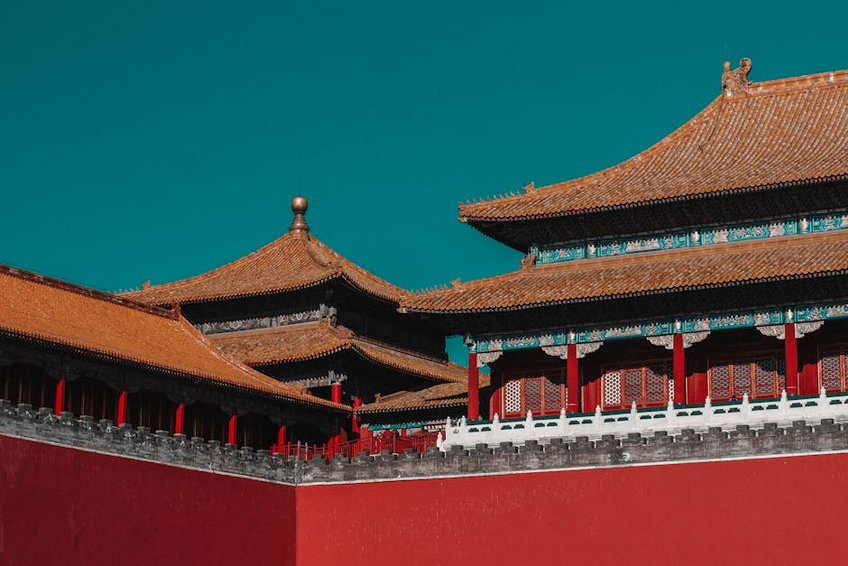
Alt: “forbidden-city-imperial-architecture-beijing-skyline”
Beijing Travel – Planning Your Trip
Effective planning transforms a Beijing visit from overwhelming to seamless. Your Beijing travel itinerary should balance iconic sites with neighborhood exploration, accounting for considerable distances between attractions. Allocate time for both structured tours and spontaneous discovery in the city’s endless hutongs (alleyways).
Budget considerations show wide variation, from $40 hostel beds to $500+ luxury hotel suites per night. Street food meals cost under $3, while fine dining experiences exceed $100 per person. Transportation remains exceptionally affordable, with subway rides costing about $0.50 and taxi starts at $2.30 for 3 kilometers.
Physical preparation matters in this walkable city with uneven surfaces at historical sites. Comfortable walking shoes with good support are non-negotiable for navigating the vast Forbidden City complex and Great Wall sections. Download essential mobile apps like Didi (Chinese Uber), Pleco (translation), and Maps.me for offline navigation before departure.
Best Time to Visit Beijing
Visit Beijing between late September and early November for ideal conditions, featuring mild temperatures of 50-70°F (10-21°C), clear skies, and autumn foliage. Spring from April to early June offers similar comfort before summer humidity arrives, though occasional sandstorms from the Gobi Desert can affect air quality during March and April.
Summer months from June to August bring intense heat reaching 95°F (35°C) with high humidity and frequent afternoon thunderstorms. Winter spans December to February with temperatures dropping to 20°F (-7°C) and limited snowfall, offering fewer crowds but requiring serious cold-weather gear. Major holidays like Chinese New Year (late Jan/early Feb) and National Week (Oct 1-7) create extreme crowding at all attractions.
Budget Planning and Costs
Daily budgets vary dramatically based on accommodation and dining choices. These three tiers cover core expenses excluding international flights.
Essential Preparation Checklist
Pack versatile layers regardless of season, as temperatures fluctuate dramatically between air-conditioned interiors and outdoor sites. Include comfortable walking shoes, a reusable water bottle (tap water isn’t drinkable), portable power bank, and all essential medications with original packaging. Electronics require Type A, C, or I plugs with 220V compatibility.
Secure comprehensive travel insurance covering medical evacuation, as local hospitals often require upfront payment from foreigners. Book major attractions like the Forbidden City online 7-10 days in advance, especially for peak seasons. Notify your bank of travel plans to prevent card blocks, and carry some USD for emergency exchange if needed.
Top Attractions and Imperial Sites
Beijing’s must-see landmarks represent centuries of architectural ambition and cultural significance. The Forbidden City alone warrants half a day minimum to appreciate its scale and detail. Other UNESCO sites like the Temple of Heaven and Summer Palace showcase different aspects of imperial design philosophy and garden aesthetics.
Beyond the major monuments, Beijing’s charm emerges in its contrasting neighborhoods. Spend time wandering through Nanluoguxiang’s touristy hutongs, then discover quieter alleys in the Gulou area. The 798 Art District offers completely different energy with contemporary galleries housed in Bauhaus-style factory buildings.
Must-See Historical Highlights
The Forbidden City requires advance online booking through its official website, with tickets priced around $8.50 (April-October) or $5.50 (November-March). Arrive at opening (8:30am) to enter through the Meridian Gate and explore the outer courts before crowds peak around 10am. Allow 4-5 hours minimum to cover the essential halls and museums.
The Great Wall has multiple accessible sections from Beijing, each with distinct characteristics. Mutianyu (2-hour drive) offers restored walls with cable cars, making it family-friendly. Jinshanling provides a more authentic hiking experience with fewer visitors. Badaling remains the closest (90 minutes) but most crowded option, best visited on weekday mornings.
Temple of Heaven Park impresses with its circular Altar of Heaven where emperors prayed for good harvests. Visit early morning to see locals practicing tai chi, calligraphy with water brushes, and other traditional activities. The park entrance costs $4, with additional $5-8 fees for entering the temple complexes themselves.
Hidden Gems and Local Favorites
Beijing’s Lama Temple (Yonghegong) stands as the city’s most important Tibetan Buddhist monastery outside Tibet. The stunning 18-meter tall Maitreya Buddha carved from a single sandalwood tree justifies the $3 admission. Combine with a walk through neighboring Confucius Temple for contrasting philosophical perspectives within the same neighborhood.
The Ancient Observatory near Jianguomen station features fascinating astronomical instruments from Ming and Qing dynasties. Climb the restored watchtower for unique city views without crowds. The nearby Legation Quarter showcases early 20th-century European architecture from the foreign diplomatic compound era, now housing boutique cafes and galleries.
For authentic hutong life, venture beyond the renovated shopping streets to the Bell and Drum Tower area. Climb the Drum Tower for periodic drum performance demonstrations throughout the day. Then explore the zigzagging alleyways behind it, where daily life continues with neighborhood vegetable markets and traditional courtyard homes.
Museum and Cultural Exploration
The National Museum of China on Tiananmen Square’s eastern side houses over 1 million artifacts spanning Chinese civilization. Entrance is free with passport reservation, requiring 3-4 hours for highlights like the Ancient China exhibit. The Capital Museum offers more manageable scale with excellent Beijing-specific historical displays and fewer visitors.
798 Art District occupies a former electronics factory complex with converted industrial spaces hosting contemporary galleries. Galleries like UCCA Center for Contemporary Art present major international exhibitions. The area’s cafes and boutiques make for pleasant wandering between gallery visits, though some venues close on Mondays.
Practical Travel Information and Logistics
Navigating Beijing’s vast urban area requires understanding its efficient but complex systems. The city’s layout follows a ring road system, with attractions scattered across multiple rings. While the subway reaches most tourist areas, walking distances from stations can be considerable at sprawling sites like the Summer Palace.
Accommodation choices cluster in distinct districts catering to different travel styles. Wangfujing offers luxury shopping and proximity to the Forbidden City. Sanlitun provides international dining and nightlife. The Gulou area delivers traditional hutong atmosphere with modern cafes. Choose based on your priority experiences rather than central location alone.
| Accommodation Area | Best For | Price Range/Night (USD) |
|---|---|---|
| Wangfujing/Dongcheng | First-time visitors, luxury shopping, Forbidden City access | $80-$300+ |
| Sanlitun/Chaoyang | Nightlife, international dining, embassy district | $60-$200 |
| Gulou/Dongcheng North | Hutong experience, cafes, local atmosphere | $40-$150 |
| Haidian University District | Budget travelers, Summer Palace access, student vibe | $30-$100 |