Barcelona Travel Guide: Navigate Culture, Cuisine, and Coastal Charm
Barcelona seamlessly blends centuries of architectural innovation with vibrant Mediterranean energy, creating a magnetic cityscape that rewards thoughtful exploration. This Barcelona Travel Guide provides the essential framework for discovering its unique character, from Gaudí’s masterpieces to the narrow lanes of the Gothic Quarter. You will learn how to navigate seasonal crowds, savor authentic Catalan cuisine, and design an itinerary that balances iconic sights with local secrets.
Essential Barcelona City Information
Barcelona is the cosmopolitan capital of Spain’s Catalonia region, distinguished by its artistic heritage and strong cultural identity. Founded as a Roman city, its layers of history are visible in the Roman walls, medieval cathedrals, and the groundbreaking Modernisme movement. The city’s layout is organized into distinct neighborhoods, or ‘barris,’ each offering a different vibe and set of experiences for visitors.
The local language is Catalan, though Spanish is universally spoken and English is common in tourist areas. The city operates on Central European Time (CET) and uses the Euro (€) as currency. Public transportation is exceptionally efficient, with an integrated metro, bus, and tram network that makes navigating between districts straightforward and affordable.
Key Neighborhoods and Their Vibes
Understanding Barcelona’s districts helps you choose where to stay and explore based on your interests.
- Eixample: Home to the Sagrada Família and Passeig de Gràcia, this grid-plan district is famous for its Modernist architecture, high-end shopping, and a more formal, elegant atmosphere compared to the old town.
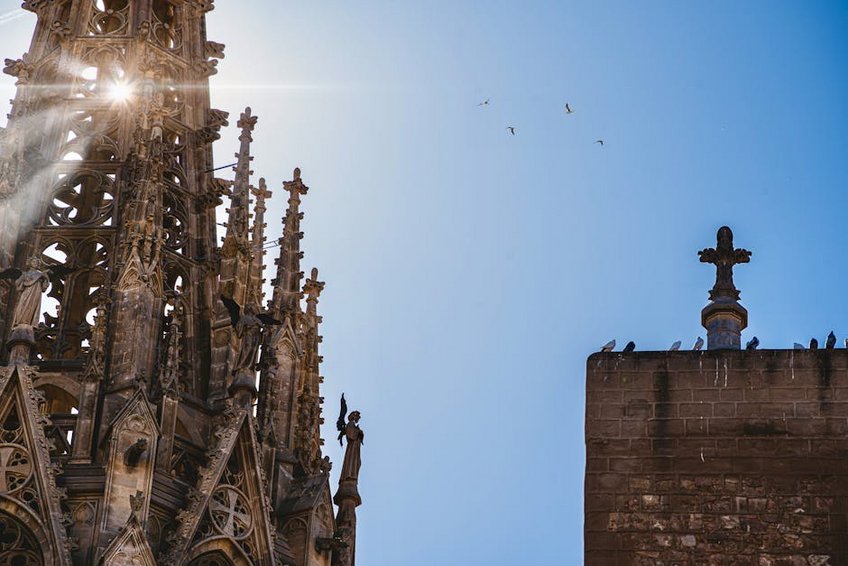
- Gothic Quarter (Barri Gòtic): The historic heart, a maze of narrow medieval streets hiding Roman ruins, the Barcelona Cathedral, and quaint plazas filled with cafes and boutiques, best explored on foot.
- El Born: Adjacent to the Gothic Quarter, this trendy area mixes medieval history with contemporary art galleries, designer shops, and some of the city’s best tapas bars, centered around the Santa Maria del Mar basilica.
- Budget Traveler ($70-100/day): Stay in hostel dorms or budget guesthouses, eat main meals from markets like Mercat de la Boqueria or as inexpensive ‘menú del día’ lunch specials, use a T-Casual transport ticket, and focus on free sights like park visits and Gothic Quarter wandering.
- Mid-Range Traveler ($150-250/day): This covers a comfortable hotel or Airbnb in Eixample or Gràcia, restaurant dining for most meals with wine, pre-booked entry to 1-2 major attractions daily, and occasional taxi rides. It offers the best balance of comfort and experience.
- Luxury Traveler ($400+/day): Enjoy five-star hotels on Passeig de Gràcia, dining at Michelin-starred restaurants like Disfrutar or ABaC, private guided tours of monuments, and premium experiences like sailing along the coast or helicopter tours.
- Official Barcelona City Council Website
- Official Tourism of Spain – Barcelona Guide
- Barcelona Public Transport (TMB)
Cultural Context and Local Identity
Catalan culture is a defining element of life here, with its own language, traditions, and a pronounced sense of regional pride. This identity is celebrated through festivals like La Mercè in September, castells (human towers), and sardana dances. Visitors should be respectful of this distinct culture, which is a point of local pride and political significance.
Architecturally, the city is a UNESCO-listed open-air museum of Modernisme, the Catalan variant of Art Nouveau. Antoni Gaudí is the most famous proponent, but his contemporaries like Lluís Domènech i Montaner and Josep Puig i Cadafalch also left magnificent buildings. This artistic legacy is not just historical but a living part of the city’s aesthetic.
Climate and Seasonal Overview
Barcelona enjoys a Mediterranean climate with mild, humid winters and hot, sunny summers. Coastal breezes often temper the heat. The city receives most of its rainfall in autumn and early spring, while summer is typically very dry. This climate supports a vibrant outdoor lifestyle, with terrace dining and beach days central to the local experience for much of the year.
Alt: “barcelona-sagrada-familia-gaudi-architecture-sunset-silhouette”
Barcelona Travel Guide – Planning Your Trip
Strategic planning dramatically enhances your visit to Catalonia’s capital, helping you avoid the biggest crowds and budget surprises. The ideal Barcelona Travel Guide balances advance booking for major attractions with leaving room for spontaneous discovery in its neighborhoods. Your success hinges on timing your visit for favorable weather and manageable tourist density.
Budgeting requires considering city tourist taxes, the cost of attraction entry fees, and seasonal price fluctuations for flights and hotels. Dining costs can vary widely, from affordable market tapas to high-end tasting menus. Planning your daily geographic exploration by district minimizes transit time and maximizes your immersion in each area’s unique character.
Best Time to Visit Barcelona
For ideal weather and manageable crowds, target the shoulder seasons of late April to early June and September to October. Daytime temperatures range from a pleasant 65-75°F (18-24°C), and you’ll avoid the peak summer heat and congestion. Major festivals occur in April (Sant Jordi) and September (La Mercè), adding cultural excitement but also drawing larger crowds.
The peak summer months of July and August bring intense heat, often exceeding 86°F (30°C), dense crowds at all major sites, and higher prices. Winter (November to February) is mild, with temperatures around 50-57°F (10-14°C), offering low prices and few lines, though some beachfront areas feel quiet and you may encounter rainy days.
Budget Planning and Costs
A daily budget varies significantly based on travel style and season. Here is a realistic breakdown for different spending levels.
Essential Preparation Checklist
Book accommodations at least three months in advance for summer or festival visits, focusing on locations near metro stations. Pre-purchase timed-entry tickets online for the Sagrada Família, Park Güell Monumental Zone, and Casa Batlló to guarantee entry and skip long queues. Secure comprehensive travel insurance that covers medical care and trip interruptions.
Pack comfortable walking shoes for cobblestone streets, a reusable water bottle, a power adapter for Type F sockets (220V), and a light jacket for cooler evenings. Learn a few basic Catalan or Spanish phrases like “Bon dia” (Good day) and “Gràcies” (Thank you). Download offline maps and the official TMB app for public transport routes and schedules.
Top Attractions and Catalan Experiences
Beyond Gaudí’s famous works, the city offers rich artistic museums, panoramic viewpoints, and lively public spaces. A fulfilling itinerary dedicates time to both the monumental and the everyday, perhaps pairing a morning at a museum with an afternoon exploring a local market. The magic often happens in the spaces between the major sites, in small plazas and neighborhood cafes.
Many top sights are spread across different districts, so grouping visits geographically saves time. For instance, combine the Picasso Museum and the Santa Maria del Mar basilica in El Born. Always check for free admission hours, like Sunday afternoons at the MNAC or first Sundays of the month at several Gaudí houses, though expect larger crowds during these times.
Must-See Architectural Highlights
The Sagrada Família is Gaudí’s unfinished masterpiece, a basilica that blends Gothic and Art Nouveau forms with organic shapes. Book a timed ticket with tower access for panoramic city views. Nearby, Passeig de Gràcia is an open-air museum of Modernisme, where you can visit Casa Batlló and the block-like Casa Milà (La Pedrera), both showcasing Gaudí’s innovative use of light, space, and natural forms.
Park Güell, originally a failed housing development, is now a public park featuring colorful mosaic terraces, whimsical structures, and forested trails. Access to the monumental core requires a ticket. For a different architectural era, the Gothic Quarter’s Barcelona Cathedral and the nearby remains of the Roman Temple of Augustus reveal the city’s ancient foundations.
Hidden Gems and Local Favorites
Escape the crowds at the Hospital de Sant Pau, a breathtaking Modernist complex of pavilions and gardens, often quieter than Gaudí sites. In Gràcia, explore Plaza del Sol and Plaza de la Virreina for a village-like atmosphere with trendy bars and independent shops. The Bunkers del Carmel (Turó de la Rovira) offer a 360-degree panoramic view of the entire city, popular at sunset.
Visit the Mercat de Sant Antoni, a restored market less touristy than La Boqueria, for an authentic local shopping experience. The El Raval neighborhood, while edgy, is home to the contemporary art museum MACBA and fascinating cultural diversity. For a unique perspective, take the historic Tramvia Blau up to Tibidabo amusement park for vintage rides and stunning elevated views.
Beaches and Outdoor Activities
Barcelona’s urban beaches, like Barceloneta and Bogatell, offer a quick seaside escape, though they can be crowded in summer. For a more relaxed vibe, take a short train north to beaches in towns like Sitges. The Montjuïc hill provides extensive green space, hosting the Montjuïc Castle, the Olympic facilities, the Fundació Joan Miró, and magical fountain shows (Magical Fountain of Montjuïc) on weekend evenings.
The Ciutadella Park is the city’s central green lung, perfect for a stroll, rowboat rental on the lake, or visiting the Parliament of Catalonia and the Barcelona Zoo. For serious hiking or biking, the Collserola Natural Park, just behind the city, offers forest trails and viewpoints away from the urban buzz, easily accessible by metro or train.
Practical Travel and Accommodation Information
Navigating the city is intuitive thanks to its well-designed infrastructure. The Barcelona-El Prat Airport (BCN) is the main international gateway, connected to the city center by Aerobús, metro (L9 Sud), or taxi. For intercity rail travel, Sants Station is the primary hub for high-speed AVE trains and regional services. Upon arrival, purchasing a multi-day Hola BCN! travel card or a T-Casual ticket is cost-effective for unlimited public transport use.
Accommodation choices define your experience. The Eixample district offers central convenience and upscale options, while the Gothic Quarter immerses you in history. Gràcia provides a local, bohemian feel, and Barceloneta is best for beach lovers. Budget-friendly hostels cluster near Plaça de Catalunya and El Raval. Always verify if your hotel charges the city tourist tax, which is added per night.
| Accommodation Type | Best For / Features | Average Nightly Price (USD) |
|---|---|---|
| Luxury Hotel | Rooftop pools, spa services, prime Eixample/Passeig de Gràcia locations, concierge. | $300 – $700+ |
| Boutique Hotel | Design-centric, intimate settings in El Born or Gràcia, personalized service. | $180 – $350 |
| Mid-Range Hotel/Aparthotel | Family-friendly, kitchenettes, near Sagrada Família or Diagonal, good value. | $100 – $200 |
| Hostel / Budget Guesthouse | Solo travelers, social atmosphere, basic private rooms or dorms in El Raval/Gothic Quarter. | $25 – $80 |