Athens Travel Guide
Exploring Athens connects you with millennia of history where ancient ruins stand beside vibrant modern neighborhoods. This Greek capital offers more than just the iconic Acropolis, with excellent museums, coastal escapes, and a dynamic culinary scene. This guide provides the essential logistics, cultural insights, and local tips you need for a seamless and enriching trip to the heart of classical civilization.
Essential Information About Athens
Athens, the capital of Greece, is one of the world’s oldest cities with a recorded history spanning over 3,400 years. It’s the birthplace of democracy, Western philosophy, and the Olympic Games, making it a foundational destination for understanding European culture. The city’s landscape is dominated by the Acropolis, a UNESCO World Heritage site visible from many districts.
Modern Athens is a sprawling metropolis of about 3.7 million people, characterized by its mix of architectural styles. Neoclassical buildings sit alongside Roman ruins, Byzantine churches, and contemporary structures. The city’s climate is Mediterranean, featuring hot, dry summers and mild, wetter winters, ideal for year-round exploration.
Greek is the official language, but English is widely spoken in tourist areas, hotels, and restaurants. The currency is the Euro (€), and Greece is part of the Schengen Area, which affects visa requirements for many international visitors. The city operates on Eastern European Time (EET), which is UTC+2, or UTC+3 during daylight saving time.
Key Historical Periods
Athens’ history is layered, with each era leaving a distinct mark on the city’s architecture and culture.
- Classical Period (5th-4th Century BC): This Golden Age saw the construction of the Parthenon, the establishment of democracy under Pericles, and the teachings of Socrates and Plato. The architectural and philosophical achievements from this time define the city’s global image.
- Roman & Byzantine Rule (146 BC – 1453 AD): The Romans added structures like the Temple of Olympian Zeus and the Roman Agora. Later, the Byzantine Empire transformed ancient temples into Christian churches, leaving behind gems like the tiny Church of Agios Eleftherios.
- Ottoman Period & Modern Era (1453-Present): After nearly 400 years of Ottoman rule, Athens became the capital of the modern Greek state in 1834. The 19th century saw a neoclassical revival, while the 20th century brought rapid expansion and the preparations for the 2004 Olympic Games.
- Budget Traveler ($60-90/day): Stay in hostels or budget hotels in Omonia or Metaxourgeio. Eat street food like gyros and souvlaki, use public transport, and focus on free attractions like the Ancient Agora perimeter walk. Your major expense will be a combined archaeological site ticket (€30).
- Mid-Range Traveler ($120-200/day): This budget allows for a comfortable hotel in Plaka or Koukaki, meals at traditional tavernas, taxi rides for longer distances, and guided tours for key sites. You can enjoy a nice dinner with wine and visit a few museums without constant budget stress.
- Luxury Traveler ($300+/day): Options include five-star hotels with Acropolis views in Makrigianni, private guided tours with skip-the-line access, fine dining at Michelin-starred restaurants like Varoulko, and day trips to nearby islands or the Temple of Poseidon at Sounion via private transfer.
- Greek National Tourism Organisation
- Official Athens Tourism Website
- Hellenic Ministry of Culture (for site hours & tickets)
Athenian Neighborhoods and Character
Each district in Athens offers a unique vibe and experience. Plaka, nestled at the foot of the Acropolis, is the old historical neighborhood with cobblestone streets, neoclassical homes, and souvenir shops. It’s picturesque but can be crowded; visit early in the morning for a more peaceful atmosphere.
Monastiraki is a bustling area known for its flea market, street food, and vibrant energy, centered around the ancient ruins of the Library of Hadrian. Psiri, adjacent to Monastiraki, has transformed into a hub for trendy bars, mezedopoleia (small plates restaurants), and live rebetiko music, popular with locals and visitors alike.
Kolonaki is an upscale district at the base of Lycabettus Hill, featuring designer boutiques, art galleries, and chic cafes. Exarchia maintains a strong alternative, anarchist character with politically charged street art and a thriving underground music scene. The coastal suburbs of Glyfada and Vouliagmeni offer beach clubs and marina life just a short tram ride from the center.
Climate and Weather Patterns
Athens enjoys a typical Mediterranean climate with distinct seasonal variations. Summers, from June to August, are hot and dry with average highs between 90°F and 95°F (32°C to 35°C). Heatwaves can push temperatures above 100°F (38°C), so planning indoor activities for midday is wise.
Spring (April-May) and autumn (September-October) are arguably the best times to visit. Daytime temperatures range from a pleasant 68°F to 79°F (20°C to 26°C), and rainfall is less frequent. These seasons are perfect for comfortable sightseeing and outdoor dining.
Winter, from November to March, is mild but wetter. Temperatures average between 50°F and 59°F (10°C to 15°C), with January being the coldest month. Snow is rare in the city center but can dust the surrounding mountains, creating a stunning backdrop for the ancient sites.
Alt: “acropolis-hill-parthenon-temple-ancient-athens-skyline”
Athens Travel Guide – Planning Your Trip
Careful planning maximizes your time and budget in this historic capital. Your Athens itinerary should balance iconic archaeological sites with local neighborhood exploration and culinary discovery. Advance booking for major attractions is now essential to avoid long queues, especially from April through October.
Budget-conscious travelers can enjoy the city through its fantastic free offerings, like the changing of the guard at Parliament or wandering through the National Garden. Mid-range visitors get the best value from combined attraction tickets and staying in central apartments. Luxury trips might include private guided tours of the Acropolis and gourmet dining with Acropolis views.
Consider purchasing the Athens City Pass or combined archaeological site tickets for significant savings if you plan to visit multiple paid attractions. Always carry a reusable water bottle, as you can drink from the many ancient *”krenes”* (water fountains) scattered around historical areas. Comfortable walking shoes are non-negotiable for navigating the city’s marble paths and hills.
Best Time to Visit Athens
The ideal months for an Athens visit are late April to early June and September to October. During these shoulder seasons, you’ll enjoy warm, sunny days with temperatures between 70°F and 80°F (21°C and 27°C). Crowds at major sites are manageable, and hotel rates are more reasonable than in peak summer.
July and August constitute peak season, bringing intense heat, maximum crowds, and higher prices. If you visit then, schedule all outdoor monument visits for early morning opening times. The winter months offer a completely different, crowd-free experience with a chance to have sites nearly to yourself, though some hours may be reduced and you should prepare for rain.
Budget Planning and Costs
Daily costs in Athens vary widely based on your travel style and accommodation choices.
Essential Preparation Checklist
Prepare for your trip by securing the correct travel documents and packing appropriately. EU and US passport holders do not need a visa for stays under 90 days. Ensure your passport is valid for at least three months beyond your planned departure date from the Schengen Area. Purchase comprehensive travel insurance that covers medical emergencies and trip cancellations.
Pack lightweight, breathable clothing for summer, along with a sun hat, high-SPF sunscreen, and sunglasses. For spring and autumn, include layers like a light jacket. Comfortable, broken-in walking shoes are the most important item in your luggage. A European two-pin power adapter (Type C/F) is required for charging devices.
Top Attractions and Historical Sites
Athens is an open-air museum where history unfolds on every corner. The Acropolis is the undeniable centerpiece, but the city’s cultural wealth extends far beyond this single hill. From ancient marketplaces to world-class museums and panoramic hills, you can easily fill several days with exploration.
To truly appreciate the scale of ancient Athens, visit the Acropolis first for the iconic overview, then descend to explore the detailed ruins of the Agora below. The National Archaeological Museum houses one of the world’s most important collections of Greek antiquities, providing essential context for everything you see in the ruins.
Modern cultural institutions, like the Stavros Niarchos Foundation Cultural Center, showcase the city’s contemporary creative energy. Balancing ancient and modern experiences gives you a fuller, richer understanding of the Greek capital’s enduring legacy and its vibrant present.
Must-See Historical Highlights
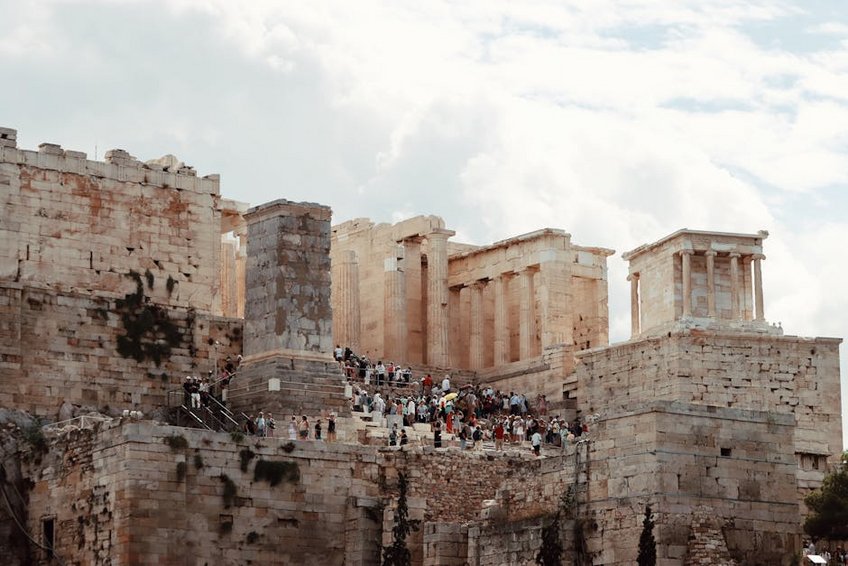
The Acropolis and its crowning glory, the Parthenon, are essential visits. Purchase your ticket online in advance to select a timed entry slot and bypass the ticket office line. Arrive at opening time (8 AM) for the best light and smallest crowds. The site also includes the Erechtheion with its Caryatid statues and the elegant Temple of Athena Nike.
The Acropolis Museum, located at the base of the hill, is a masterpiece of modern architecture. Its glass floors reveal excavation sites below, and the top-floor Parthenon Gallery is arranged to mirror the temple’s layout. Allow at least two hours to appreciate its artifacts, which provide the narrative for the stones on the hill above.
The Ancient Agora was the commercial, political, and social heart of classical Athens. Key structures include the remarkably well-preserved Temple of Hephaestus and the reconstructed Stoa of Attalos, which now houses the Agora Museum. A combined ticket (€30) grants access to the Acropolis, Agora, and several other major sites over five days.
Hidden Gems and Local Favorites
Escape the crowds at the Kerameikos archaeological site, the ancient cemetery of Athens. It’s peaceful, shaded, and features fascinating funerary monuments and the remains of the city’s ancient walls. The on-site museum is small but excellent, offering a poignant look at Athenian burial customs.
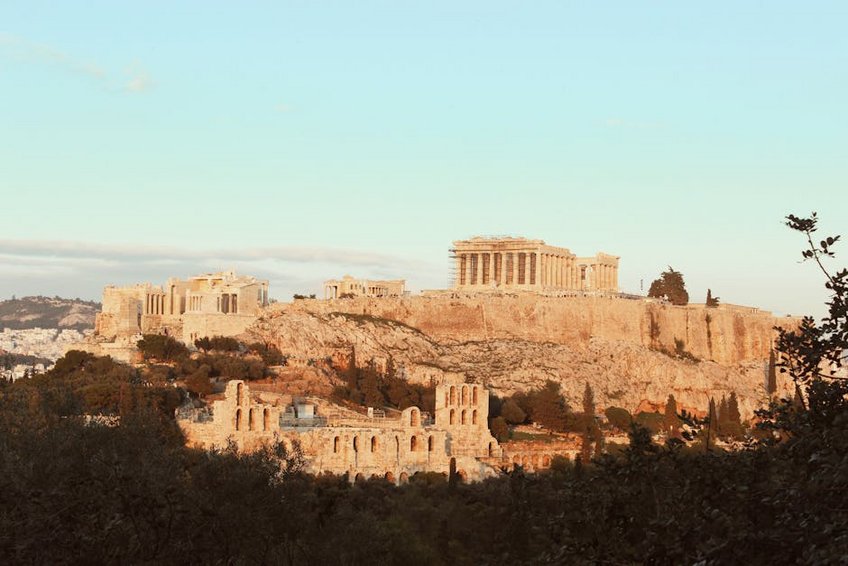
Climb Philopappos Hill for an alternative, free, and stunning view of the Acropolis, especially at sunset. The hill is a large, pine-covered park with winding paths leading to the monument of Philopappos at the summit. It’s a favorite spot for locals to walk their dogs and enjoy the panorama.
Visit the Benaki Museum of Greek Culture for a comprehensive journey through Greek art and history from prehistoric times to the 20th century. Housed in a beautiful neoclassical mansion, its collections are beautifully presented. The museum’s rooftop cafe offers another spectacular Acropolis view.
Day Trip Opportunities
Several incredible destinations are within easy reach for a day excursion from Athens. The most famous is the site of Delphi, about a 2.5-hour drive northwest. Considered the center of the world in antiquity, the Sanctuary of Apollo and its museum are nestled on the slopes of Mount Parnassus with breathtaking views.
Closer by, the Temple of Poseidon at Cape Sounion is a 1.5-hour drive along the scenic Athenian Riviera. Watching the sunset behind the 5th-century BC temple columns as they stand sentinel over the Aegean Sea is a magical experience. Public buses (KTEL) run regularly from central Athens.
You can also take a ferry from the port of Piraeus to nearby islands for the day. Aegina, the closest, is just a 40-minute hydrofoil ride away. It’s famous for its pistachios, the beautiful Temple of Aphaia, and charming seaside villages, offering a perfect taste of island life.
Practical Travel Information
Navigating Athens is straightforward with its integrated public transport system. The metro is clean, efficient, and a sightseeing attraction itself, as stations like Syntagma and Acropolis display artifacts found during construction. A 90-minute ticket costs €1.20, while a 5-day tourist pass (€8.20) offers unlimited travel on all modes.
Taxis are plentiful and relatively inexpensive compared to other European capitals. Use the “Free Now” or “Beat” apps to hail a cab transparently. Be aware that rides from the airport, Piraeus port, or major hotels have fixed rates. For the most authentic experience, walk as much as possible in the compact historical center.
Staying connected is easy with excellent 4G/5G coverage citywide. Free public Wi-Fi is available at Syntagma Square and many cafes. Purchasing a local SIM card from providers like Cosmote or Vodafone is inexpensive if you need significant data. Tipping is customary but modest; rounding up the bill or leaving 5-10% in restaurants is appreciated.
| Accommodation Type | Best Neighborhoods & Features | Price Range (USD/Night) |
|---|---|---|
| Budget Hostels/Hotels | Omonia, Exarchia; basic amenities, social atmosphere, often include breakfast. | $40 – $80 |
| Mid-Range Hotels/Apartments | Plaka, Koukaki, Psiri; central location, Acropolis views possible, more space. | $100 – $200 |
| Boutique & Design Hotels | Makrigianni, Kolonaki; unique decor, premium amenities, excellent service. | $220 – $350 |
| Luxury 5-Star Hotels | Syntagma, near Parliament; rooftop pools & bars, spa facilities, concierge. | $400+ |