Art Routes in Barcelona: Your Guide to the City’s Creative Soul
Barcelona offers an unparalleled artistic journey through centuries of creativity, from ancient Romanesque frescoes to Gaudí’s modernist masterpieces and cutting-edge contemporary galleries. Navigating this rich cultural landscape requires a thoughtful plan to connect with the works of Picasso, Miró, Dalí, and countless Catalan masters. This guide provides the essential routes, practical tips, and insider knowledge to transform your exploration of art routes in Barcelona into a deeply rewarding personal discovery, ensuring you experience both the iconic landmarks and hidden creative corners.
Barcelona’s Artistic Legacy and Foundations
Barcelona’s identity is inseparable from its artistic output, shaped by a unique blend of Catalan culture, political history, and architectural innovation. The city’s canvas extends from the narrow alleys of the Gothic Quarter, adorned with medieval stonework, to the sweeping curves of Antoni Gaudí’s iconic structures. This creative energy is not confined to museums; it spills into public squares, vibrant street art districts, and repurposed industrial spaces, offering an immersive cultural dialogue for every visitor.
Understanding the major movements is key to appreciating what you see. The city is a global epicenter for Modernisme (Catalan Art Nouveau), which flourished from the 1880s to 1910s. Beyond that, its streets witnessed the early development of Pablo Picasso and the surrealist wonders of Joan Miró, both of whom have dedicated world-class museums here. Today, a dynamic contemporary scene thrives in neighborhoods like El Raval and Poblenou, ensuring the artistic narrative is continually evolving.
Essential Art Periods to Recognize
Before you walk the routes, familiarize yourself with these defining styles.
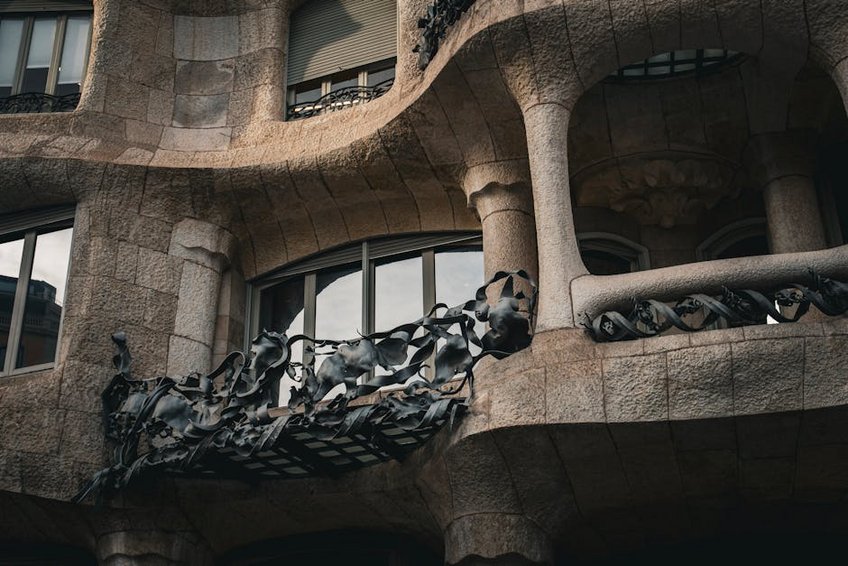
- Modernisme: Far more than architecture, this late-19th-century movement encompassed painting, sculpture, and decorative arts. Look for organic forms, floral motifs, intricate ironwork, and colorful trencadís (broken tile mosaics) on buildings by Gaudí, Domènech i Montaner, and Puig i Cadafalch.
- Catalan Romanesque & Gothic: Found in the oldest parts of the city, such as the Barcelona Cathedral and the Museu Nacional d’Art de Catalunya (MNAC). Romanesque art features stark, powerful religious frescoes, while Gothic introduces more detail and light.
- 20th-Century Masters: This includes Picasso’s Blue and Rose periods nurtured in Barcelona, Joan Miró’s playful abstract sculptures and paintings, and the provocative surrealist influence of Salvador Dalí, who spent significant time in the city.
- Budget Traveler ($40-70/day): Focus on free exterior architecture (Casa Batlló, La Pedrera), street art in El Raval, and free museum days. Use the detailed public mural maps from the city council. Stay in hostels in Gràcia or Sant Antoni and purchase a T-casual transport ticket for 10 rides ($12).
- Mid-Range Explorer ($80-150/day): This allows for 1-2 major paid attractions daily (Sagrada Família: ~$30, Picasso Museum: ~$15). Invest in a Modernisme Route pass ($30) and enjoy meals at local markets like Santa Caterina. Stay in a boutique hotel in Eixample or El Born.
- Premium Art Enthusiast ($200+/day): Enjoy private guided tours of modernist landmarks, skip-all-lines access, and fine dining in modernist settings like Els Quatre Gats. Stay at a design hotel like Casa Bonay or the Mandarin Oriental. Consider chauffeured routes or specialized photography tours.
- Official Barcelona Tourism Website
- Modernisme Route Official Site
- Museu Picasso Barcelona
Navigating the Art Geography
The city’s artistic treasures are clustered in distinct zones, making thematic exploration efficient. The Eixample district is the undisputed heart of Modernisme, with the Passeig de Gràcia as its golden mile. Meanwhile, the Ciutat Vella (Old City) holds the Gothic treasures, the Picasso Museum, and the bustling MACBA contemporary art museum. Montjuïc hill offers a concentration of major institutions like the MNAC and the Fundació Miró, providing panoramic views alongside world-class collections. Planning your days by neighborhood saves time and creates a more coherent cultural experience.
Understanding the Local Art Scene
Barcelona’s art world is deeply tied to its Catalan identity and history, including periods of repression under Franco’s dictatorship. Art became a vehicle for cultural preservation and political expression. Today, this translates into a strong sense of local pride in homegrown artists and a supportive network of galleries and studios. Engaging with this scene means looking beyond the international superstars to discover contemporary Catalan painters, sculptors, and designers whose work reflects current social dialogues.
Alt: “gaudi-casa-batllo-modernisme-facade-barcelona-passeig-de-gracia”
Art Routes in Barcelona – Planning Your Creative Journey
To maximize your experience on the art routes in Barcelona, strategic planning is essential. A successful visit balances iconic must-sees with spontaneous discoveries, accounting for opening hours, ticket availability, and walking distances. Purchasing tickets online in advance for major sites like Sagrada Família or Park Güell is non-negotiable, as they sell out days or weeks ahead, especially from April to October. Allocate at least 2-3 hours for each major museum or architectural site to appreciate them fully without rushing.
Consider investing in a specialized art pass or city card. The Barcelona Modernisme Route pass provides discounted access and mapped itineraries for over 30 Modernista buildings. Alternatively, the Barcelona Card includes free public transport and discounts at many museums, offering flexibility if you plan to mix art with other sightseeing. Budget approximately $60-$100 per day for admission fees if visiting multiple paid attractions, though many excellent public artworks and building exteriors are completely free to enjoy.
Best Time to Visit for Art Lovers
The ideal months for an art-focused trip are May-June and September-October. During these shoulder seasons, daytime temperatures range from a pleasant 68°F to 77°F (20°C to 25°C), and museum crowds are more manageable than in peak summer. The light is perfect for photographing architectural details, and many cultural festivals occur. Winter (November-February) offers the shortest lines and lower hotel rates, with temperatures between 48°F and 57°F (9°C to 14°C), but note that some smaller galleries may have reduced hours.
Summer (July-August) brings intense heat, with averages of 84°F (29°C), and the highest tourist density. If you visit then, book all tickets months in advance and schedule indoor museum visits for the hottest afternoon hours. Spring is particularly lovely for seeing Park Güell’s gardens in bloom. Regardless of season, many museums offer free admission on the first Sunday of the month or Sunday afternoons, but expect significantly larger crowds.
Budget Planning and Costs
Your art exploration budget can vary widely based on your travel style.
Essential Preparation Checklist
Comfort is paramount for a day of gallery-hopping and architectural walks. Pack supportive walking shoes, a reusable water bottle, and a lightweight scarf for entering churches that may have dress codes. Technically, ensure your phone is loaded with offline maps, the official museum apps (like the Sagrada Família app), and a translation tool. A power bank is essential, as you’ll be using your device for digital tickets, photos, and research constantly throughout the day.
Document-wise, check if your travel insurance covers trip interruption for major museum closures. EU citizens need only an ID card, while US/UK passport holders require a passport valid for three months beyond their departure date for short tourist stays. Book your key museum time slots at least two weeks in advance online. For contemporary art lovers, research current exhibitions at venues like CCCB or Arts Santa Mònica before you arrive to prioritize your visits.
Top Thematic Art Routes and Trails
Structuring your exploration thematically provides deeper insight than hopping randomly between sites. The city naturally lends itself to several defined art routes, each telling a different chapter of its story. You can dedicate a full day to a single route or combine elements from different ones based on your location and interests. Walking is the best mode of transport for these trails, allowing you to absorb the atmosphere and discover unexpected details between the main stops.
The most celebrated path is the Modernisme Route, which strings together the masterpieces of Gaudí and his contemporaries. Another powerful journey is the Picasso Route, tracing the artist’s formative years from his art school to his favorite haunts and culminating at his museum. For a contrast, the Street Art and Contemporary route explores the grit and innovation of El Raval and the converted factories of Poblenou. Each trail offers a unique lens on the city’s creative evolution.
The Modernisme Architecture Trail
This route is a feast of fantastical design. Start on Passeig de Gràcia with Casa Batlló and Casa Milà (La Pedrera), noting the competition between architects. Then, head to the Sagrada Família, dedicating time to both the Nativity Facade and the newer Passion Facade. From there, a short metro ride or a long walk leads to Park Güell, where Gaudí’s organic vision blends with public space. Don’t miss lesser-known gems like the Hospital de Sant Pau by Domènech i Montaner, a UNESCO site often overlooked by crowds.
To complete the modernist picture, visit the interior of Palau de la Música Catalana, a concert hall that is a masterpiece of stained glass and sculptural detail. For decorative arts, the Museu del Modernisme Català houses furniture, paintings, and sculptures from the period. This route requires advance tickets for almost every stop, so book a timed entry for the Sagrada Família and Park Güell’s Monumental Zone first, then build the rest of your day around those fixed times.
The Picasso and Old City Circuit
This route explores the roots of a genius. Begin at the Museu Picasso in El Born, housed in five medieval palaces, which holds one of the most extensive collections of his early work. Then, walk to the nearby Llotja de Mar, the former art school where Picasso studied. Continue to the Gothic Quarter to see the Quatre Gats café, a key modernist meeting hall he frequented, and the nearby Plaça Nova, which features a mural by contemporary artist Joan Brossa dedicated to Picasso.
The route connects art history with the charming ambiance of the old city. As you wander, look for the subtle street plaques that mark the “Picasso’s Barcelona” trail. Combine this with a visit to the nearby Barcelona Cathedral and the MUHBA Roman ruins to see the ancient layers beneath the city that also influenced its artists. This circuit is best enjoyed at a leisurely pace, with stops at small artisan shops and historic taverns along the labyrinthine streets.
Contemporary and Street Art Exploration
For a taste of the present, start at the Museu d’Art Contemporani de Barcelona (MACBA) in El Raval, a hub for post-1945 Catalan and Spanish art. The surrounding streets are an open-air gallery of large-scale murals and guerrilla art pieces. Then, head to the nearby Centre de Cultura Contemporània de Barcelona (CCCB) for cutting-edge exhibitions. Cross the city to the Poblenou district to visit the Can Framis Museum, focused on contemporary Catalan painting, and stroll through the streets of the “Street Art Triangle” near Carrer del Peru.
This route showcases the city’s ongoing creative pulse. For guided insight, companies like Barcelona Street Style Tour offer walking tours led by local artists. The art here is often temporary and politically charged, providing a raw counterpoint to the established modernisme. Many workshops and small project spaces in these areas welcome visitors, offering a chance to see artists at work and purchase original pieces directly.
Practical Travel Information and Logistics
Barcelona is a walkable city, but its art sites are spread across several districts, making public transport invaluable. The metro system is efficient, clean, and connects all major art hubs. For unlimited travel, consider an Hola BCN! travel card for 2-5 days. Taxis and ride-shares like Uber are readily available for longer hops, such as from the city center to Park Güell or the Fundació Miró on Montjuïc. Always validate your transport ticket before boarding trains or trams to avoid fines.
Accommodation choices should align with your artistic interests. Staying in Eixample places you at the heart of the modernist architecture. The El Born/Gothic Quarter is ideal for a medieval and Picasso-focused trip, while El Raval suits contemporary art lovers. Booking.com and Airbnb offer extensive options. For a truly art-infused stay, consider design hotels that themselves are part of the city’s creative landscape, often featuring works by local artists in their lobbies and rooms.
| Accommodation Area | Artistic Vibe & Advantages | Average Nightly Rate (USD) |
|---|---|---|
| Eixample (L’Esquerra & Dreta) | Heart of Modernisme; walking distance to Casa Batlló, La Pedrera; upscale galleries. | $120 – $300+ |
| El Born / Gothic Quarter | Historic charm; steps from Picasso Museum, Roman ruins; artisan boutiques. | $100 – $250 |
| El Raval | Edgy, contemporary scene; next to MACBA, CCCB; vibrant street art. | $80 – $200 |
| Gràcia | Bohemian, village feel; local artist studios; near Park Güell (less touristy). | $90 – $220 |
| Poblenou | Modern, up-and-coming; near design studios and contemporary art museums. | $95 – $230 |