Alternative Places to Visit in Paris: Discover the City’s Hidden Heart
Paris offers far more than its iconic postcard landmarks, revealing a layered, authentic city through its lesser-known arrondissements and local haunts. An exploration of alternative places to visit in Paris connects you with vibrant street art, historic villages swallowed by the metropolis, and cozy neighborhood cafés where Parisians actually live. Your trip becomes richer when you balance the Louvre with the quaint bookstores of the Latin Quarter or trade the Champs-Élysées for the artistic alleyways of Belleville.
Essential Information on Paris’s Hidden Sides
Understanding Paris’s layout is the first step to discovering its secrets. The city is divided into 20 arrondissements, spiraling out from the center like a snail shell. While the 1st through 8th hold the famous monuments, the outer districts from the 10th to the 20th offer the most authentic local life and undiscovered gems. Each possesses a distinct personality, from the artistic energy of the 11th to the village feel of the 19th.
The charm of these off-the-beaten-path areas lies in their daily rhythms. You will witness morning markets where chefs source their produce, stumble upon small galleries run by local artists, and find peaceful pockets of green space favored by residents. This approach to visiting Paris not only avoids the heaviest crowds but also provides a more nuanced and memorable understanding of French culture and urban life.
What Defines an “Alternative” Paris Experience
An alternative visit moves beyond checklist tourism to immersive discovery. It prioritizes neighborhoods over monuments, local bistros over tourist-trap restaurants, and unique museums over the most crowded ones. This style of travel is perfect for repeat visitors, culture enthusiasts, and anyone wanting to see the real Paris that exists beyond the guidebook covers.
- Seek out “Les passages couverts,” the 19th-century glass-roofed shopping arcades like Passage des Panoramas, which feel like stepping into a time capsule of old Paris with their quaint shops and quiet atmosphere.
- Visit a “brocante” or “marché aux puces,” such as the sprawling Marché aux Puces de Saint-Ouen, one of the largest antique markets in the world, where you can hunt for vintage treasures and Parisian memorabilia.
- Attend a concert at an independent venue like La Philharmonie de Paris in Parc de la Villette, which offers a stunning modern architectural contrast and world-class music in a less-touristed northeastern district.
- Budget travelers can thrive by staying in hostel-style accommodations in the 10th or 18th arrondissements ($40-70/night), eating market-fresh picnics or lunch “formules” at local bistros ($10-15), and using the unlimited Metro pass. Many of the best experiences—walking picturesque streets, visiting churches, enjoying park views—are completely free.
- Mid-range explorers might choose a boutique hotel in the Canal Saint-Martin area ($120-200/night), enjoy dinner at well-regarded neighborhood restaurants like those in the 11th ($30-50 per person with wine), and book a guided street art or food tour ($50-75 per person) for deeper insight.
- A luxury alternative experience could involve a design hotel in Saint-Germain-des-Prés ($300+/night), private guided excursions to secret ateliers or private art collections, and dining at acclaimed but lesser-known chef-owned tables in the 17th arrondissement ($100+ per person).
- Office du Tourisme de Paris (Official Tourism Site)
- Zeitgeist City – Paris Neighborhood Guides
Key Benefits of Exploring Beyond the Center
Venturing into these Parisian neighborhoods significantly enhances your trip. You will encounter substantially lower prices for food, drinks, and sometimes lodging compared to the hyper-central zones. The pace is slower, allowing for relaxed strolls and spontaneous discoveries without the pressure of navigating dense tourist throngs. Additionally, you support local businesses and communities directly, contributing to the sustainable tourism economy.
However, a few practical considerations are necessary. Public transport remains excellent, but travel times to central landmarks will be longer, typically 20-40 minutes by Metro. English may be less commonly spoken in local bistros, though a polite “Bonjour” and basic French phrases will go a very long way. The reward is a genuine connection with the city’s contemporary heartbeat.
The Historical Villages of Paris
Several districts were independent villages until their annexation by Paris in 1860. These areas retain a distinct, almost provincial character. Montmartre is the most famous example, but even it has quiet corners away from the Sacré-Cœur crowds. The Butte-aux-Cailles in the 13th arrondissement feels like a separate town with its cobbled streets and village-square vibe.
Similarly, Belleville and Ménilmontant in the east were once working-class villages and are now hubs of incredible street art and multicultural dining. Exploring these historical villages provides a tangible sense of Paris’s growth and the diverse communities that have shaped its edges, offering a completely different narrative from the grand boulevards of Haussmann’s central redesign.
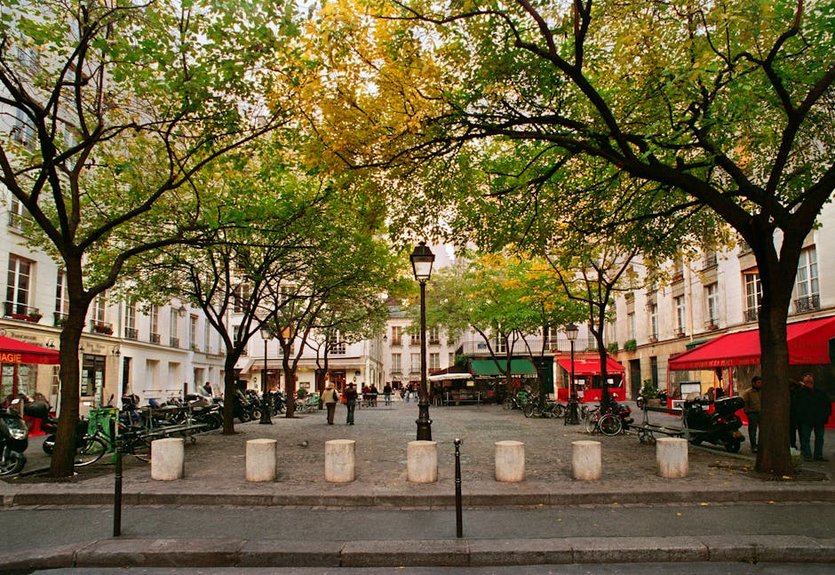
Alt: “paris-belleville-district-street-art-mural-alleyway”
Alternative Places to Visit in Paris – Planning Your Trip
Successfully discovering the hidden Paris requires a shift in mindset and logistics from a typical first-time itinerary. Allocate at least two full days of a week-long trip specifically for exploring these alternative areas. Base yourself in or near an arrondissement like the 10th, 11th, or 12th, which provide excellent Metro access to both central sights and peripheral discoveries. This positioning lets you experience local life right outside your door while keeping major attractions within reach.
Your planning should be more thematic than checklist-oriented. Instead of a day packed with monuments, plan a day dedicated to the “Artistic Left Bank” or the “Canal Culture of Northeast Paris.” Research specific markets, like the Marché d’Aligre, and note their operating days. Booking a specialized walking tour focused on street art or culinary history can be a fantastic way to gain initial insight and confidence in these less-familiar neighborhoods.
Embrace spontaneity. The best finds are often the small park, the charming bakery, or the intriguing shopfront you were not looking for. Leave room in your schedule to linger over a coffee, wander down a side street that catches your eye, or simply sit in a local square and observe daily life. This flexible approach is the essence of an authentic Parisian adventure.
Best Time to Visit for Local Experiences
Visit for local immersion from April to June and September to October. During these shoulder seasons, temperatures range from 55-70°F (13-21°C), creating ideal conditions for long walks. The tourist crowds in central areas are thinner, but the local neighborhoods are vibrant with residents enjoying the pleasant weather at sidewalk cafés and in parks.
The summer months of July and August see many Parisians leave the city, so some smaller local shops and restaurants may be closed for holiday. Winter, while cold at 35-45°F (2-7°C), offers a uniquely atmospheric and crowd-free experience, perfect for cozying up in neighborhood wine bars. Spring and fall provide the optimal balance of good weather and authentic local activity for your exploration.
Budget Planning and Costs
Exploring Paris’s hidden sides can be very kind to your wallet compared to a strictly central itinerary.
Essential Preparation Checklist
Practical prep ensures smooth discovery. Download the Citymapper app for flawless navigation on the Metro, bus, and Vélib’ bike-share system. Pack comfortable walking shoes—you will log many miles on cobblestones. Bring a reusable water bottle and a tote bag for market visits. A lightweight scarf is useful for respecting dress codes when entering lesser-visited churches in local districts.
Ensure your bank card has no foreign transaction fees and notify your bank of travel. While cards are widely accepted, having 50-100 Euros in cash is wise for small market purchases. Book any desired niche tours or popular local restaurants a few weeks in advance. Finally, learn a few key French phrases; even a simple “Bonjour, parlez-vous anglais?” demonstrates respect and is often met with warmth.
Top Alternative Neighborhoods and Attractions
The true magic of undiscovered Paris lives in its residential districts. The 10th arrondissement, centered on the Canal Saint-Martin, is a picturesque hub for picnics, vintage shopping, and café lounging. South of there, the 11th and 12th arrondissements pulse with a dynamic mix of artisan workshops, innovative restaurants, and the expansive Coulée Verte René-Dumont, an elevated park built on a former railway line.
Across the river, the 13th arrondissement surprises with its modern Bibliothèque Nationale complex, the hidden village of Butte-aux-Cailles, and the city’s premier Asian community. The 19th and 20th arrondissements in the northeast offer the Parc des Buttes-Chaumont’s stunning cliffs and grottoes, the artistic mecca of Belleville, and the serene Père Lachaise Cemetery, offering a quieter alternative to the famous burial grounds.
Must-See Hidden Highlights
Prioritize these unique spots. The Musée de la Chasse et de la Nature in the Marais is a whimsical cabinet of curiosities dedicated to hunting and nature, housed in a stunning mansion. For a green escape, the Promenade Plantée (Coulée Verte) offers a peaceful, elevated walk from Bastille almost to the Bois de Vincennes, providing unique views over the rooftops and apartments.
The Fondation Louis Vuitton in the Bois de Boulogne is an architectural masterpiece by Frank Gehry, showcasing groundbreaking contemporary art exhibitions. Lastly, the Sainte-Chapelle, while not unknown, is often overshadowed by Notre-Dame; its breathtaking stained-glass windows constitute one of the world’s greatest Gothic art achievements and are worth any queue.
Secret Courtyards and Passages
Paris’s hidden interior worlds are a delight to uncover. The covered passages of the 2nd and 9th arrondissements, such as Galerie Vivienne and Passage Jouffroy, are lined with mosaic floors, specialty bookshops, and tiny tearooms. For a secret garden, seek out the Square du Vert-Galant at the western tip of the Île de la Cité, a secluded park with perfect Seine views.
Many historic buildings, or “hôtels particuliers,” have stunning courtyards open to the public. The Musée Carnavalet’s courtyards in the Marais are free to enter and beautifully landscaped. The quiet courtyards of the Institut de France and around the Place des Vosges also offer serene retreats from the city bustle, often missed by hurried tourists.
Modern Art and Architecture Gems
Beyond the Centre Pompidou, Paris holds incredible modern sites. The Palais de Tokyo, directly across from the Eiffel Tower, is a massive space dedicated to contemporary and emerging art with a constantly changing, avant-garde program. In the 13th, the entire neighborhood around the National Library features ambitious modern residential architecture worth a stroll.
The Philharmonie de Paris in the Parc de la Villette is an acoustic and architectural wonder. For design lovers, the Musée des Arts Décoratifs houses one of the finest collections of furniture, design, and advertising art in the world, offering a fascinating journey through changing styles and tastes from the Middle Ages to the present day.
Practical Travel Information for Local Exploration
Navigating alternative Paris is straightforward with the city’s excellent public transit. The Metro system reaches every corner, and buses often provide more scenic above-ground routes. The Vélib’ bike-share system is extensive and affordable for confident urban cyclists. For areas close to the Seine, consider using the Batobus, a hop-on-hop-off boat service that connects key points along the river in a leisurely fashion.
Accommodation in these districts offers better value and local flavor. You will find a growing number of boutique hotels, charming guesthouses (chambres d’hôtes), and apartment rentals in areas like the Canal Saint-Martin, Bastille, and near the Père Lachaise. Staying here immerses you in the morning bakery ritual and the evening café scene, defining a true Parisian stay.
| Accommodation Area | Best For / Vibe | Average Nightly Price (USD) |
|---|---|---|
| Canal Saint-Martin (10th) | Bohemian chic, picnics, young crowd, indie shops | $140 – $250 |
| Bastille / République (11th) | Nightlife, vibrant dining, central access, local markets | $130 – $220 |
| Bercy / Nation (12th) | Families, Parc de Bercy, modern apartments, quieter stays | $120 – $200 |
| Buttes-Chaumont (19th) | Green spaces, village feel, amazing views, artistic vibe | $110 – $190 |