Alanya Travel Guide: Sun, Sea, and Ancient History on Turkey’s Turquoise Coast
This Alanya travel guide unlocks a resort town where sun-drenched beaches meet dramatic history. You’ll explore a stunning peninsula crowned by a Seljuk-era castle, relax on Blue Flag beaches, and navigate bustling bazaars. This guide provides essential planning details, from the best neighborhoods to stay in to hidden historical sites and authentic Turkish dining, ensuring your visit is both relaxing and culturally rich.
Essential Alanya Information
Alanya occupies a spectacular rocky peninsula on Turkey’s southern Mediterranean coast, in Antalya Province. Its iconic Red Tower and extensive castle walls are enduring symbols of its strategic importance under the Seljuk Sultanate of Rum in the 13th century. Today, the city masterfully blends this rich past with a vibrant modern resort atmosphere, welcoming millions of visitors to its long stretches of sand.
The climate is classic Mediterranean, featuring long, hot summers and mild, wetter winters. Tourism is the undeniable lifeblood of the local economy, shaping the city’s offerings and energy, especially from April through October. While the central zones are developed for visitors, the surrounding region offers authentic villages and stunning natural landscapes like the Dim River valley.
What You Need to Know Before You Go
Understanding a few key details will make your arrival and stay much smoother.
- The official currency is the Turkish Lira (TRY), but Euros are widely accepted in tourist areas; always confirm prices to avoid confusion and carry some local cash for smaller vendors and markets.
- Turkey offers an e-Visa system for citizens of many countries, including the US and UK; apply online before travel for a faster entry process at Antalya Airport (AYT).
- While Turkish is the official language, English and German are commonly spoken in hotels, restaurants, and tour agencies throughout the main tourist districts, making communication relatively easy.
- Budget travelers can manage on $40-60 USD per day by staying in hostels or guesthouses in Mahmutlar, eating street food like gözleme and kebabs, using public dolmuş minibuses, and focusing on free sights like the public beaches and castle walls.
- Mid-range visitors spending $80-150 USD daily can book comfortable boutique hotels in Kaleiçi, enjoy sit-down restaurant meals, join guided day trips to Sapadere Canyon, and rent a car for a couple of days to explore the region independently.
- A luxury budget of $200+ USD per day secures 5-star all-inclusive resorts with private beach areas, fine dining with sea views, private yacht charters along the coast, and personalized guided historical tours of the castle and archaeological museum.
- Official Alanya City Tourism Portal
- GoTurkey – Official Travel Guide of Turkey
- Republic of Turkey Ministry of Culture and Tourism
Key Historical and Cultural Details
Alanya’s history is a layered tapestry. Known as Coracesium in antiquity, it was a notorious pirate stronghold before being integrated into the Roman Empire. The city’s most defining era began in 1221 when it was conquered by Seljuk Sultan Alaeddin Keykubad I. He constructed the massive castle complex, shipyards, and the Red Tower, transforming it into a major naval base.
These Seljuk monuments remain the city’s architectural heart. Following the Seljuks, the area became part of the Ottoman Empire in 1471. This blend of Mediterranean, Seljuk, and Ottoman influences is evident everywhere, from the food to the layout of the old city, known as Kaleiçi. The culture is welcoming and family-oriented, with a strong emphasis on hospitality.
The Lay of the Land: Districts and Geography
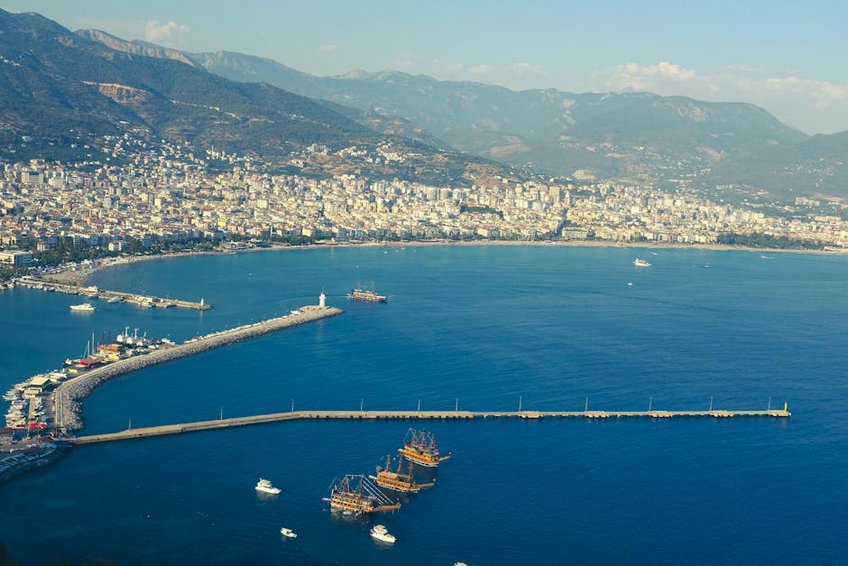
The city is geographically divided. The historic core sits on the peninsula, with the Alanya Castle at its peak and the old town cascading down its slopes. Cleopatra Beach and the Damlataş Cave mark the western base, while the iconic Red Tower and old shipyards guard the eastern harbor. The modern city and long tourist strips extend east and west along the coast.
Key areas for visitors include Kaleiçi (the old town) for history and ambiance, Cleopatra Beach for central swimming and water sports, and the districts of Mahmutlar and Konaklı for all-inclusive resorts and longer beachfront stretches. Inland areas offer cooler retreats and authentic village life, providing a contrast to the coastal buzz.
Alt: “alanya-castle-panorama-view-mediterranean-coastline-seljuk-architecture”
Alanya Travel Guide – Planning Your Trip
Successful planning for this destination balances beach time with cultural exploration. Your budget will stretch further here than in many European resorts, with excellent value in accommodation and dining. Prioritize booking your flights and central lodging several months in advance for peak summer visits, as demand is high from European holidaymakers.
An effective itinerary for this coastal city typically mixes relaxation with activity. Dedicate a full morning to exploring the castle and old town on foot, as the climbs are steep and the lanes are fascinating. Schedule boat trips or beach days for the afternoons when the sun is strongest. Evenings are perfect for strolling the harbor and enjoying long, leisurely dinners.
Best Time to Visit Alanya
Peak season runs from June to August, offering guaranteed hot, dry weather with average highs of 90-95°F (32-35°C) and sea temperatures perfect for swimming. This period is also the most crowded and expensive, with families flocking to the beaches. For the ideal balance of great weather and manageable crowds, target the shoulder months of May, late September, and October.
During these shoulder months, temperatures are very pleasant, ranging from 75-85°F (24-29°C), and the sea remains warm enough for swimming. The winter months from November to March are mild but wetter, with temperatures around 60-65°F (15-18°C); many resort hotels and tourist-focused restaurants close during this period, offering a much quieter local experience.
Budget Planning and Costs
Daily costs vary widely based on your travel style.
Essential Preparation Checklist
Pack for a sun and sea holiday with comfortable walking essentials. Beyond swimwear and sunscreen, include sturdy walking shoes or sandals for the castle’s cobbled, steep paths, a sun hat, and a light cover-up for visiting mosques. A power adapter for Type F sockets (220V) is necessary, and a small daypack is useful for carrying water and purchases.
Ensure your passport has at least six months’ validity and apply for your Turkish e-Visa online before departure. Consider travel insurance that covers medical emergencies. Book popular all-inclusive resorts 4-6 months ahead for summer, while smaller hotels in the old town may only need booking 1-2 months in advance. Learn a few basic Turkish phrases; even a simple “merhaba” (hello) is appreciated.
Top Attractions and Activities
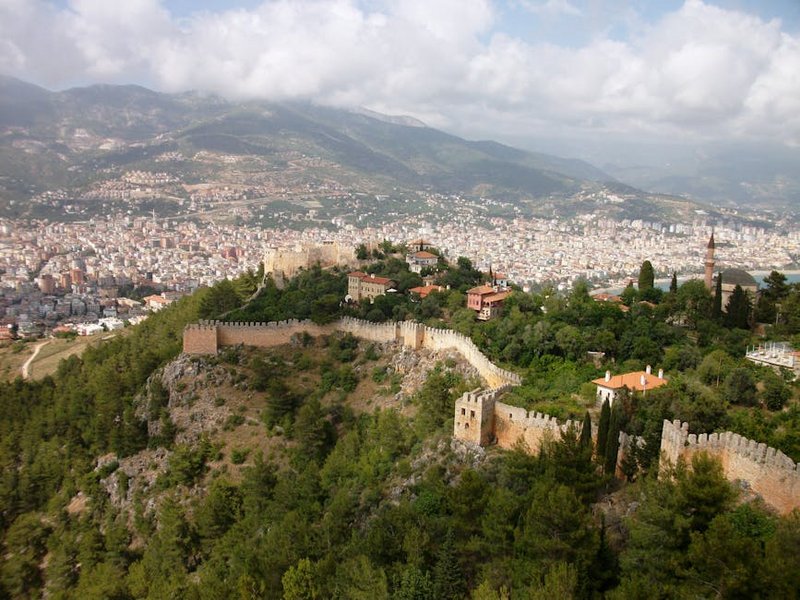
The crown jewel of the peninsula is, without question, Alanya Castle. This sprawling fortress complex offers breathtaking panoramic views and a journey through Seljuk history. Down at sea level, the bustling harbor is the launch point for classic boat trips that reveal the stunning coastline from the water, including visits to sea caves and secluded swimming spots.
For a change of pace, head inland to the Dim River and Dim Cave, where you can enjoy a traditional restaurant meal on platforms over the cool water. The city’s archaeological museum, though compact, houses important regional artifacts that provide deeper context to the area’s long history, from the Bronze Age through the Ottoman period.
Must-See Highlights
Alanya Castle is a full-day exploration. The walls enclose an entire living village with cafes, shops, and historic homes alongside the ruins of a Byzantine church and the imposing İçkale (Inner Castle). The Red Tower (Kızılkule) is an iconic octagonal defense tower guarding the historic shipyards; its museum details maritime history. Both require separate admission tickets.
Cleopatra Beach is the most famous stretch of sand, named for the Egyptian queen who allegedly swam here. For a unique geological wonder, visit Damlataş Cave, famous for its stunning stalactites and stalagmites and its microclimate believed to help with respiratory issues. A boat trip from the harbor is a quintessential activity, typically lasting 4-6 hours with lunch and swimming stops.
Hidden Gems and Local Favorites
Venture beyond the main tourist track to discover Syedra, an ancient Roman city ruins located about 20 km southeast. It offers impressive colonnaded streets, mosaics, and a spectacular hilltop setting with far fewer visitors than the main castle. For authentic local flavor, visit the Friday Market (Cuma Pazarı) in the city center, a sprawling, lively affair where residents shop for fresh produce, textiles, and household goods.
The Dim River Valley, particularly the upper reaches past the cave, offers serene picnic spots and simple restaurants where you can dine with your feet in the cool, flowing water—a perfect respite on a hot day. In the old town, explore the back streets away from the main bazaar to find quieter artisan shops and traditional tea gardens with stunning views.
Adventure and Nature Activities
The Taurus Mountains provide a dramatic backdrop for adventure. You can join guided jeep safaris that travel into the rugged foothills, visiting traditional villages and offering spectacular views back down to the coast. Rafting trips are available on nearby rivers like the Köprülü Canyon, suitable for beginners and families, typically operating from April to October.
For hiking enthusiasts, several marked trails start from the castle area and head into the surrounding hills, offering challenging walks with rewarding vistas. Scuba diving is also popular, with local dive centers offering trips to nearby reefs and wrecks suitable for all certification levels, revealing a different side of the Mediterranean ecosystem.
Practical Travel Information
Getting to and around this resort city is straightforward. Most international travelers fly into Antalya Airport (AYT), which is about a 90-minute to 2-hour drive east of Alanya. Direct transfers by shuttle bus, private taxi, or pre-booked hotel transfer are readily available. Once in the city, the local dolmuş system is an efficient and inexpensive way to travel between districts.
Accommodation options cater to every style and budget. The choice largely depends on your priorities: history and charm in the old town (Kaleiçi), beachfront convenience in Cleopatra Beach, or resort amenities in the larger complexes east and west of the center. Booking.com and local hotel websites are the most reliable platforms for reservations.
| Accommodation Type | Best For & Key Features | Average Nightly Price (USD) |
|---|---|---|
| All-Inclusive Resort | Families, convenience; multiple pools, buffet dining, kids’ clubs, private beach area | $120 – $300+ |
| Boutique Hotel (Kaleiçi) | Couples, atmosphere; historic building, personalized service, rooftop terraces with views | $70 – $150 |
| Self-Catering Apartment | Longer stays, budget flexibility; kitchenette, more space, local residential feel | $40 – $90 |
| Hostel / Guesthouse | Solo travelers, backpackers; social atmosphere, basic amenities, lowest cost | $15 – $35 |