Abu Dhabi Grand Mosque Dress Code
Visiting the Sheikh Zayed Grand Mosque requires adherence to a modest dress code designed to respect the sanctity of the Islamic place of worship. Your Abu Dhabi Grand Mosque dress code preparation is essential for gaining entry, as security strictly enforces these regulations at the entrance. Understanding and following these guidelines ensures a smooth, respectful visit to one of the world’s most magnificent architectural marvels.
Essential Visitor Information
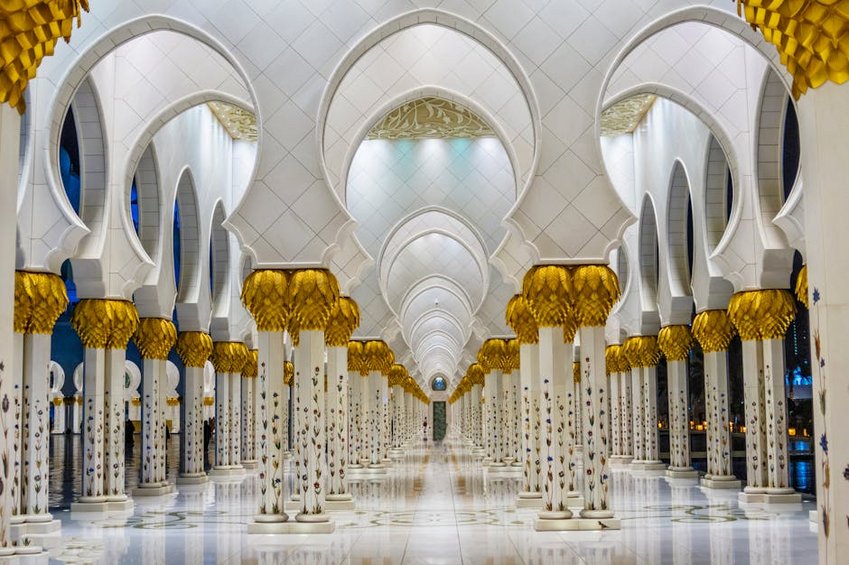
The Sheikh Zayed Grand Mosque welcomes millions of visitors annually, functioning as both a active place of prayer and a premier cultural landmark. Opened in 2007, the mosque can accommodate over 40,000 worshippers and features architectural elements from Islamic civilizations across the globe. Its pristine white marble domes and minarets create a stunning visual against the Abu Dhabi skyline.
Entry to the mosque complex is free of charge for all visitors, though you must book a timed entry slot online before arrival. General visiting hours are Saturday to Thursday from 9:00 AM to 10:00 PM, with last admission at 9:30 PM. On Fridays, the mosque opens from 4:30 PM to 10:00 PM for tourists, as mornings are reserved for worshippers.
Mandatory Dress Code Overview
The attire rules apply to all visitors, regardless of faith, gender, or nationality. The core principle is modesty, covering the body appropriately. Security personnel will conduct visual checks before you pass through the main gates.
- Clothing must be loose-fitting and non-transparent, even when backlit by the sun. Tight jeans, leggings, and bodycon dresses are not permitted.
- All attire should be clean, presentable, and free of offensive images or text. Ripped or overly casual clothing like shorts and tank tops will lead to denied entry.
- If your clothing does not meet standards, you will be directed to the onsite rental center where you can borrow appropriate garments, usually for a small fee.
- Budget Option ($5-$20): Purchase a simple, long-sleeved maxi dress or a loose tunic with pants from global retailers before your trip. A cheap pashmina scarf works as a head cover.
- Mid-Range Option ($30-$70): Buy a dedicated abaya (for women) or a smart, long-sleeved kandora-style shirt (for men) from local shops in Abu Dhabi’s souks or malls. This serves as a cultural souvenir.
- Luxury Option ($100+): Invest in a beautifully embroidered abaya or a high-quality linen outfit from a boutique. Some upscale hotels also lend elegant abayas to guests for their visit.
- Sheikh Zayed Grand Mosque Centre Official Website
- Visit Abu Dhabi Official Tourism Portal
Cultural Significance and Respect
These rules are not arbitrary but stem from Islamic values of humility and respect in a sacred space. Adhering to them shows consideration for local customs and the worshippers who pray there daily. Your compliance enhances the experience for everyone and fosters cross-cultural understanding.
Many visitors find that dressing modestly adds to the solemnity and beauty of their visit. It shifts the focus from personal appearance to the breathtaking artistry of the mosque itself. This practice aligns with the UAE’s cultural ethos of tolerance paired with tradition.
Security and Visitor Conduct
Beyond dress, certain behavioral guidelines ensure the site remains peaceful. Visitors should speak quietly, refrain from eating or drinking in prayer halls, and follow marked pathways. Photography is allowed in most areas, but avoid taking pictures of worshippers without explicit permission.
Public displays of affection, such as holding hands or hugging, are considered disrespectful within the mosque premises. Always follow instructions from the staff and volunteers, who are there to help maintain the spiritual atmosphere.
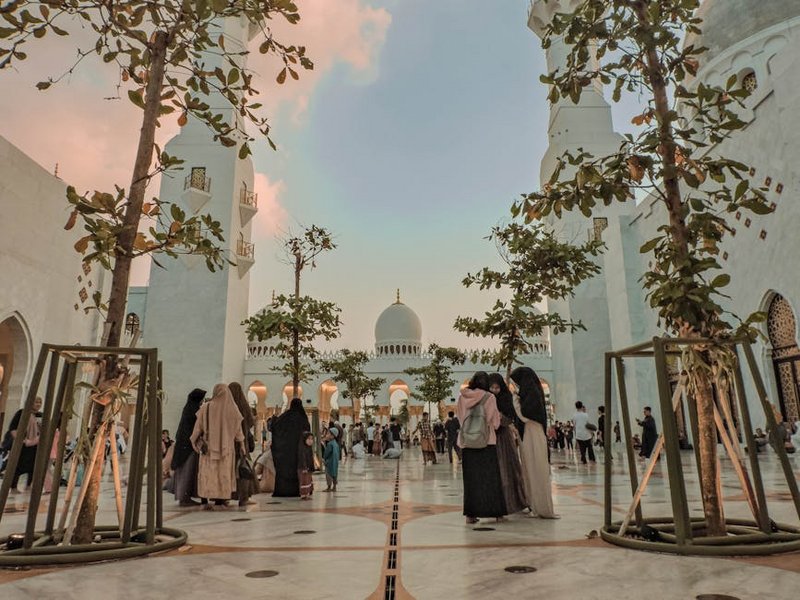
Alt: “sheikh-zayed-grand-mosque-visitors-in-modest-abaya-dress”
Abu Dhabi Grand Mosque Dress Code – Planning Your Visit
Successful planning for your mosque visit hinges on preparing your attire in advance. Your Abu Dhabi Grand Mosque dress code compliance is the most critical logistical step. This foresight prevents delays and ensures you spend more time appreciating the architecture and less time at the rental kiosk.
Consider the local climate when selecting fabrics. Abu Dhabi experiences extreme heat, especially from May to September, with temperatures regularly exceeding 100°F (38°C). Lightweight, breathable natural fibers like cotton or linen are ideal for maintaining modesty and comfort.
For women, packing a lightweight scarf or shawl in your day bag is a smart backup, even if your outfit has long sleeves. Men should avoid sleeveless shirts or vests. Planning your outfit the night before your scheduled visit eliminates last-minute stress.
Best Time to Visit the Grand Mosque
The optimal time for a visit is between October and April, when daytime temperatures range from a pleasant 75°F to 85°F (24°C to 29°C). Mornings right at opening (9:00 AM) offer cooler weather and thinner crowds, providing better photography conditions with softer light.
Evening visits after sunset are spectacular, as the mosque’s white marble is illuminated by a unique lighting system that reflects the phases of the moon. However, this is also the busiest time. Weekdays (Sunday through Thursday) are generally less crowded than weekends.
Budget Planning and Attire Costs
Your main cost will be sourcing appropriate clothing if you don’t own suitable items.
Essential Preparation Checklist
Pack a small bag with sunscreen, sunglasses, and a refillable water bottle, as you will walk extensively in open courtyards. Ensure your phone or camera is fully charged for photography. Wear comfortable, closed-toe shoes you can easily slip off, as you must remove footwear before entering carpeted prayer halls.
Book your free entry ticket online at least 48 hours in advance, especially during peak season (December-February). Have a digital or printed copy ready. Check the official website for any sudden changes in hours, particularly during the holy month of Ramadan.
Detailed Dress Code Requirements
The mosque’s guidelines provide specific requirements for men and women. These rules are non-negotiable and apply to all visitors from toddlers to seniors. Understanding the distinctions helps you pack or shop correctly.
When in doubt, choose more coverage rather than less. The rental abayas and kandoras available onsite are guaranteed to meet all standards. They are typically offered in a variety of sizes and are clean and well-maintained.
Women’s Dress Code Specifications
Women must cover their hair, arms, and legs completely. Clothing should drape loosely from the shoulders to the ankles. The abaya, a long black cloak, is the traditional and most foolproof garment, but it is not the only option.
Your own attire is acceptable if it includes a long-sleeved top that covers the wrists, paired with loose trousers or a full-length skirt. A long dress with sleeves is also suitable. The headscarf (hijab) must cover all hair and the neck, but the face can remain visible.
Tight clothing, sheer fabrics, and short or three-quarter length sleeves are not allowed. Avoid clothing with flashy decorations. Skin-tight leggings worn under a tunic are often deemed inappropriate unless the tunic is knee-length and very loose.
Men’s Dress Code Specifications
Men must cover their bodies from the navel to the knees, with shoulders also covered. This means full-length trousers are mandatory—shorts of any length are prohibited. Shirts must have long sleeves.
A standard outfit could be loose cotton trousers paired with a long-sleeved collared shirt or a loose t-shirt. Traditional Emirati menswear, the kandora, is a perfect choice and is available for rental or purchase. Avoid tight-fitting shirts or muscle tees.
Clothing should be clean and in good condition. Sleeveless undershirts, tank tops, and clothing with offensive logos will result in denied entry. Hats or caps are generally not worn inside the prayer halls.
Children’s Dress Code and Considerations
Children are expected to follow the same modesty guidelines, though enforcement may be slightly more lenient for very young toddlers. For girls, this means long pants or skirts and long-sleeved tops. For boys, long trousers and shirts with sleeves are required.
It’s advisable to dress children appropriately from the start to avoid any issues. The onsite rental center does have children’s sizes, but availability can be limited. Preparing their outfits ahead of time makes for a more relaxed family visit.
Practical Travel and Logistics
Navigating your visit involves more than just attire. Understanding transportation, timing, and onsite services will make your trip seamless. The mosque is located on the outskirts of Abu Dhabi city, easily accessible by various means.
Allocate at least two to three hours for a comprehensive visit, including time for security checks, potential attire rental, and a leisurely walk through the expansive courtyards and main prayer hall. Guided tours are available in multiple languages and provide deep cultural insights.
| Service | Details & Location | Price Range (USD) |
|---|---|---|
| Abaya/Kandora Rental | Located at the main visitor entrance. Offers standard black abayas, headscarves, and kandoras. Requires ID deposit. | $3 – $6 per set |
| Guided Mosque Tour | Free 45-60 minute tours in English/Arabic. Schedules posted at info desk. Covers history, architecture, and Islam. | Free |
| Cloakroom & Bag Storage | Secure lockers and a free cloakroom are available near the entrance for bags and personal items. | Free |
| Photography Service | Professional photographers stationed at iconic spots. You receive a digital copy via email or phone. | $15 – $30 per photo |