Turkey Pamukkale Thermal Pools Temperature Guide for Travelers
Visiting the surreal travertine terraces of Pamukkale, Turkey, is a highlight for many travelers. The key to a perfect visit lies in understanding the Pamukkale thermal pools temperature, which varies throughout the day and seasons, directly impacting your comfort and experience. This guide provides specific temperature data, seasonal analysis, and practical tips to help you plan the ideal time for a soak in these ancient, mineral-rich waters.
Essential Pamukkale Information
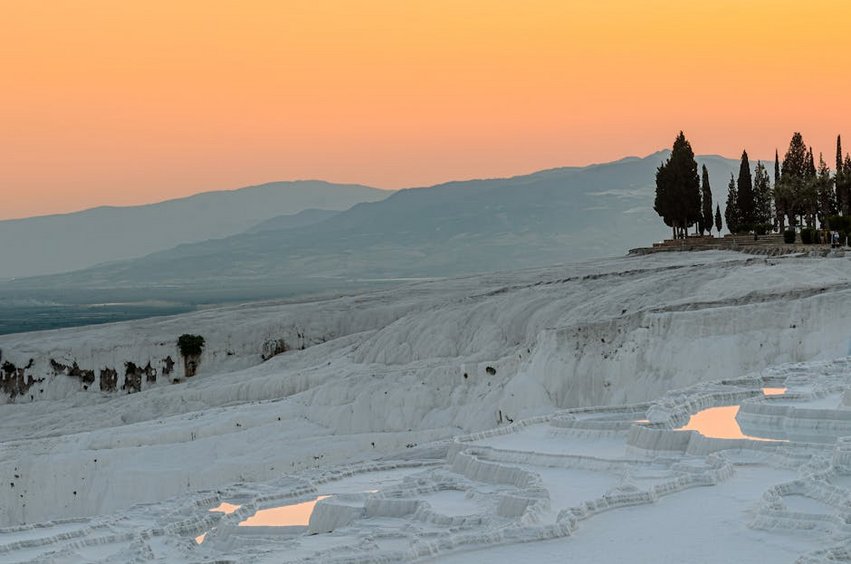
Pamukkale, meaning “Cotton Castle” in Turkish, is a UNESCO World Heritage site in southwestern Turkey’s Denizli Province. The site’s iconic white terraces are formed by calcium carbonate deposits from the area’s hot springs, which have flowed for millennia. The thermal waters are renowned for their therapeutic properties, attracting visitors since Roman times when the ancient city of Hierapolis was built atop the terraces.
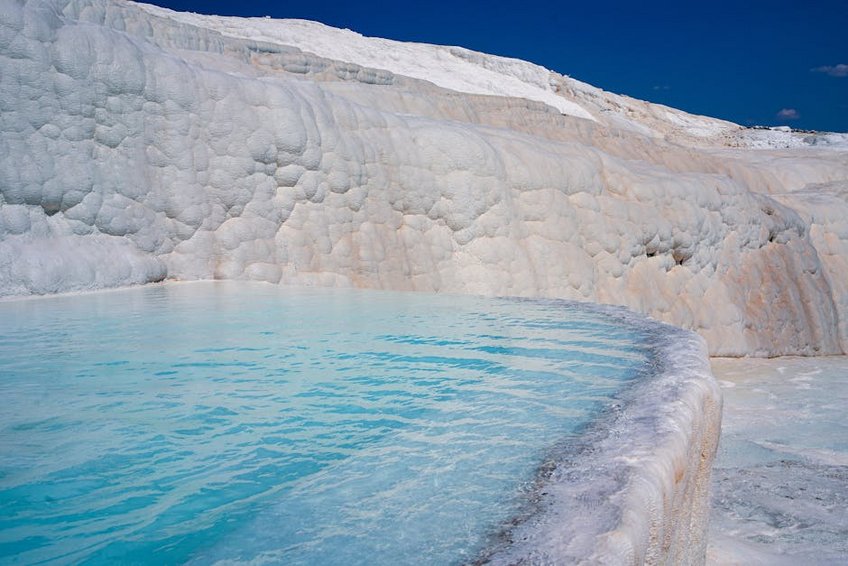
The water temperature at the source emerges from the ground at approximately 95°F (35°C). As it cascades down the vast, white terraces, it cools slightly, creating varied thermal pool temperatures across the different bathing areas. The entire geological formation stretches over 8,600 feet (2,620 meters) long and 525 feet (160 meters) high, offering breathtaking views alongside the warm, milky-blue pools.
Understanding the Water Chemistry
The warm waters are rich in minerals like calcium, magnesium sulfate, and bicarbonate. This unique composition is what creates the travertine terraces and is believed to offer health benefits.
- The high calcium content is credited with helping conditions like rheumatism and circulatory issues, while the waters are also said to be beneficial for skin and eye health.
- Visitors often notice the water has a smooth, silky feel against the skin due to the mineral saturation, which is a completely unique sensory experience.
- It’s important to rinse off thoroughly after bathing to prevent the minerals from drying on your skin, and those with very sensitive skin may want to limit their soak time.
- Budget Traveler ($45-65): This covers the entry fee to the travertines and Hierapolis (approx. $30), a public bus from Denizli, a simple lunch, and water. You would walk the terraces and use the free, shallow pools but skip the paid Cleopatra’s Pool.
- Mid-Range Traveler ($80-150): This includes entry fees, a rental car for the day or a private shuttle, lunch at a local restaurant, entry to Cleopatra’s Pool ($10 extra), and perhaps a guidebook or audio guide. This budget allows for a more comprehensive and convenient experience.
- Luxury Experience ($200+): This tier covers everything in mid-range plus a stay at a thermal hotel in Pamukkale town with private spring-fed pools, a private guided tour of Hierapolis, and fine dining. It prioritizes comfort, exclusive access, and deep relaxation.
- UNESCO World Heritage Centre
- Lonely Planet Turkey Travel Guide
Historical Significance of the Springs
The ancient city of Hierapolis was founded around 190 BC, largely due to the presence of these curative hot springs. The Romans constructed elaborate bath complexes, some ruins of which you can still see today. For centuries, people traveled great distances to bathe in these waters, believing they held healing powers bestowed by the gods. This historical context adds a profound layer to the simple act of wading in the modern pools, connecting you to a tradition that is over two thousand years old.
Preservation and Visitor Rules
To protect the fragile travertines, visitors must remove their shoes before walking on the white terraces. Designated shallow, man-made pools are available for bathing. The main antique pool, Cleopatra’s Pool, is a separate, paid attraction within the Hierapolis archaeological site where you can swim among submerged Roman columns. Adherence to these rules is strictly enforced to ensure this natural wonder is preserved for future generations.
Alt: “pamukkale-cotton-castle-travertine-terraces-turkey”
Turkey Pamukkale Thermal Pools Temperature – Planning Your Trip
Strategic planning is essential for enjoying the Pamukkale baths. The thermal pools temperature is not constant; it interacts significantly with the ambient air temperature. A 95°F (35°C) pool feels wonderfully warm on a cool 60°F (15°C) morning but can feel less refreshing during a scorching 100°F (38°C) afternoon in peak summer. Therefore, your ideal visit time depends on your personal comfort preferences and the seasonal climate.
Beyond comfort, timing affects crowd levels and photography. The white terraces glow brilliantly in the soft light of sunrise and sunset, times when the pools are also less crowded. Midday brings harsh shadows and the largest influx of tour groups, which can detract from the serene experience. Your itinerary should balance the desire for pleasant bathing conditions with opportunities to see the site at its most magical.
Best Time to Visit for Ideal Pool Temperatures
The most comfortable months for experiencing the pools are during the shoulder seasons of April-May and September-October. During these periods, daytime air temperatures range from a pleasant 70-85°F (21-29°C), making the warm water feel inviting without being overwhelming. The crowds are more manageable compared to summer, and the risk of extreme heat is low. These months offer the best overall balance for a satisfying visit.
Winter (November-March) sees air temperatures drop to 50-60°F (10-15°C) during the day, and it can be quite chilly in the early morning. During this season, the contrast between the cool air and the 95°F (35°C) water is most pronounced, creating thick steam over the pools—a stunning visual effect. However, the water can feel almost hot, and you’ll want to have a warm robe or towel ready for when you exit.
Budget Planning and Costs
Here is a cost breakdown for a day trip to Pamukkale, excluding international flights.
Essential Preparation Checklist
Packing correctly enhances your visit significantly. You must bring a swimsuit, a large bag for your shoes, and a waterproof case for your phone or camera. A sun hat, high-SPF sunscreen, and sunglasses are non-negotiable due to the intense reflection off the white limestone. Bring a large bottle of water to stay hydrated in the sun-drenched environment.
For your visit, wear easily removable sandals. You will need a towel, though some hotels lend them. Don’t forget your passport or ID, as you may need it for ticket purchase. It’s wise to book your accommodation in nearby Pamukkale town or Denizli city at least a month in advance for peak season visits to secure the best options.
Top Attractions and Activities at Pamukkale
The main attraction is, of course, walking barefoot on the gleaming white travertine terraces and wading in the warm, shallow pools that collect on its steps. The sensation of the warm, mineral-rich water flowing over your feet as you gaze across the valley is unforgettable. Plan to spend at least two hours here, allowing time to find less crowded pockets for photos and a tranquil soak.
Within the same archaeological site, the ancient city of Hierapolis demands exploration. You can walk through the remarkably intact Roman theater, which seated 15,000 people, visit the extensive necropolis (city of the dead), and see the remains of the grand Frontinus Street and the Byzantine gate. Combining the natural wonder with this historical context makes for a full-day, deeply enriching experience.
Must-See Highlights
Cleopatra’s Pool is a major paid attraction inside the complex. For an additional fee, you can swim in this warm, spring-fed pool amidst toppled Roman columns and marble fragments, all shaded by lush trees. The water temperature here is consistently around 95°F (35°C). It’s a unique historical swimming experience, though it can get crowded.
The Hierapolis Archaeology Museum, housed in the former Roman baths, is a worthwhile stop. It displays exquisite artifacts, including sarcophagi and statues excavated from the city. The Antique Pool is another notable spot, though swimming is no longer allowed there. Finally, don’t miss the travertine terraces at sunset when the white stone turns golden and pink, offering the most spectacular photographic conditions.
Hidden Gems and Local Favorites
For a different thermal experience, visit the Karahayit Red Springs, located just a few kilometers north of Pamukkale. The water here is rich in iron, giving the travertines a striking red and orange color, and the pools are significantly hotter. It’s far less touristy and offers a fascinating contrast to the white terraces. Local buses or a short taxi ride can get you there easily.
Instead of staying in the main tourist strip, consider the village of Gölemezli. It’s quieter and offers authentic local guesthouses (pansiyons) with stunning views of the Pamukkale terraces from a distance. Visiting the local weekly market in Denizli or the nearby town of Kaklik also provides a slice of authentic Turkish daily life away from the souvenir shops.
Photography Tips for the Terraces
The best light for photography is during the golden hours—shortly after sunrise and before sunset. The low angle of the sun creates long shadows that accentuate the texture of the terraces and produces a warm glow. A polarizing filter can help manage the intense glare from the water and white stone. For unique perspectives, use the surrounding greenery or the ruins of Hierapolis as framing elements in your shots.
Practical Travel Information for Pamukkale
Pamukkale is well-connected but requires some planning to reach. Most international travelers fly into Istanbul (IST or SAW) or Izmir (ADB) and then take a connecting flight to Denizli Cardak Airport (DNZ). Alternatively, an overnight bus from Istanbul or a train from Izmir are popular and cost-effective options. Once in Denizli, frequent minibuses (dolmuş) make the 30-minute journey to the town of Pamukkale.
Accommodation ranges from basic guesthouses to luxury thermal hotels. Staying in Pamukkale village allows for easy early-morning access to the terraces before the day-tripping crowds arrive. For more dining and nightlife options, staying in the city of Denizli is a good alternative, with easy dolmuş access to the site. Booking platforms like Booking.com offer the widest selection of properties.
| Accommodation Type | Key Features & Location | Price Range (USD/Night) |
|---|---|---|
| Budget Guesthouse | Basic room, shared bathroom, walking distance to travertines, often includes breakfast. | $25 – $45 |
| Mid-Range Hotel | Private room & bath, swimming pool, on-site restaurant, terrace views. | $60 – $120 |
| Thermal Spa Hotel | Luxury rooms, private thermal pools fed by spring water, spa services, fine dining. | $130 – $300+ |
| Denizli City Hotel | Modern business-style hotels, more dining options, requires transport to the site. | $40 – $90 |