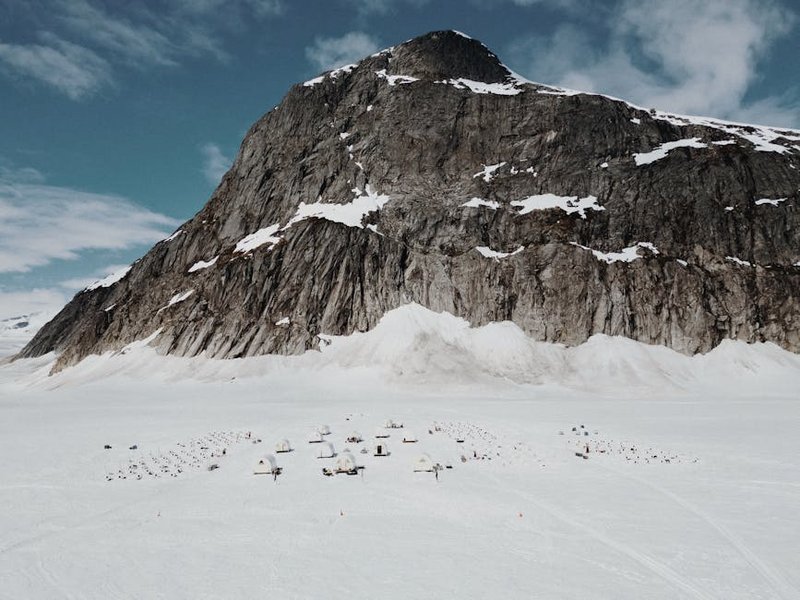
Turkey Mount Ararat Base Camp: Conquer Turkey’s Highest Peak
Mount Ararat stands as Turkey’s tallest mountain at 5,137 meters, offering an epic high-altitude trekking experience that draws adventurers worldwide. The Turkey Mount Ararat base camp serves as your launching point for summit attempts, providing essential acclimatization and stunning views of the Armenian Highlands. This guide covers everything from permits and gear to seasonal timing and local culture for a successful expedition.
Essential Mount Ararat Information
Mount Ararat, known locally as Ağrı Dağı, is a dormant volcanic massif located in eastern Turkey near the borders with Armenia and Iran. The mountain holds significant cultural and religious importance, often associated with Noah’s Ark legends from biblical traditions. Its twin peaks, Greater and Lesser Ararat, create a dramatic landscape visible from miles away.
The region experiences continental climate patterns with sharp temperature variations between day and night. Summer temperatures at base camp range from 50-68°F (10-20°C) during daylight hours, dropping to 23-32°F (-5-0°C) after sunset. Winter conditions bring heavy snowfall, making the mountain inaccessible to all but experienced alpine climbers with specialized equipment.
What You Need to Know Before You Go
Understanding these key aspects will help you prepare properly for the Ararat expedition.
- Permits are mandatory for all trekkers and must be arranged through licensed Turkish tour operators at least 30 days before your planned climb, costing approximately $50-100 per person.
- Altitude sickness represents a real concern above 3,000 meters, requiring proper acclimatization schedules with rest days built into your itinerary for safety.
- The climbing season runs from mid-June to mid-September when weather conditions are most stable, with July and August offering the highest success rates for summit attempts.
- Budget climbs cost $800-1,200 including permits, basic guide services, shared tents, and meals but exclude equipment rental and international flights, ideal for experienced climbers with their own gear.
- Mid-range options at $1,500-2,200 provide better guide-to-client ratios, higher quality meals, equipment rental, and accommodation in Doğubayazıt before and after the climb, offering excellent value.
- Luxury expeditions priced $2,500-4,000 include private guides, superior equipment, satellite communication, and comfortable base camp facilities with additional acclimatization days built into the itinerary.
- Turkish Ministry of Culture and Tourism
- Turkish Alpine Club
Geographical and Historical Context
Mount Ararat dominates the landscape of Eastern Anatolia, rising from a plateau already situated at 2,000 meters above sea level. The mountain’s volcanic origins date back millions of years, with its last eruption occurring in 1840, creating the dramatic cliffs and valleys visible today. This region has been contested territory throughout history, belonging to various empires including Armenian, Persian, Ottoman, and Russian administrations.
The area surrounding Ararat remains culturally diverse, with Kurdish communities maintaining traditional lifestyles in the foothill villages. Visitors should respect local customs, particularly regarding photography and dress codes when passing through these settlements. The mountain’s spiritual significance extends beyond Christianity, with local legends and folklore adding layers of meaning to the landscape.
Mount Ararat’s Climbing History
Modern climbing expeditions began in the 19th century, with Friedrich Parrot making the first recorded ascent in 1829. Since then, thousands have attempted the summit, with success rates varying based on weather conditions and climber preparation. The Soviet era restricted access to the mountain due to its proximity to sensitive border areas, only reopening to international climbers in the 1990s.
Contemporary climbing routes follow paths established by early explorers, with the most popular approach beginning from the south side near Doğubayazıt. This route passes through four distinct ecological zones, from arid steppe to permanent ice fields above 4,000 meters. Each zone presents unique challenges, requiring appropriate gear and climbing techniques for safe passage.
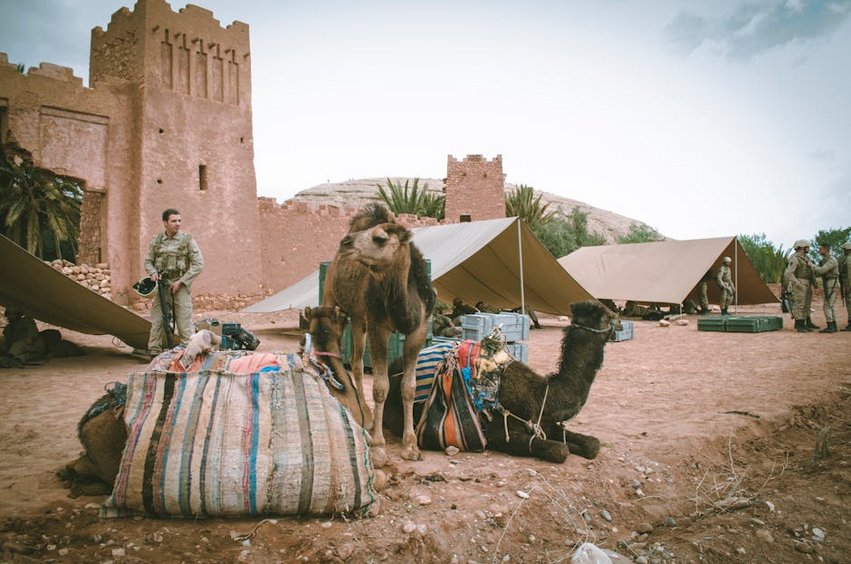
Alt: “mount-ararat-base-camp-trekking-expedition-turkey”
Turkey Mount Ararat Base Camp – Planning Your Trip
Proper planning transforms your Mount Ararat ascent from a dream into a achievable adventure with memorable outcomes. Your Turkey Mount Ararat base camp experience requires careful attention to seasonal timing, physical conditioning, and logistical arrangements through authorized operators. Budgeting realistically for guided services, equipment rental, and emergency contingencies ensures you can focus on the climbing experience itself.
Most international travelers fly into Istanbul or Ankara before taking domestic flights to either Van or Ağrı airports, the closest access points to the mountain. From there, ground transportation arranged by your tour operator transfers you to Doğubayazıt, the gateway town for Ararat expeditions. Allow 2-3 days for travel and initial acclimatization before beginning your ascent to base camp at 3,200 meters.
Physical preparation should include cardiovascular training, strength exercises targeting legs and core, and practice hikes with weighted packs at increasing elevations. Mental readiness for changing weather conditions and potential itinerary adjustments proves equally important for expedition success. Pack essential medications, high-energy snacks, and communication devices alongside your climbing gear.
Best Time to Visit Mount Ararat
Visit Mount Ararat between late June and early September for optimal climbing conditions with minimal snow coverage on standard routes. July and August offer the most stable weather patterns, with daytime temperatures at base camp averaging 59°F (15°C) and summit temperatures around 14°F (-10°C). These months provide longer daylight hours and reduced precipitation compared to other periods.
Shoulder seasons in June and September present more variable conditions with occasional storms but fewer climbers on the mountain. Winter months from October through May bring extreme cold, heavy snowfall, and avalanche risks that preclude safe ascents for all but highly experienced alpine teams. Monitor weather forecasts closely during your planned dates and build flexibility into your schedule.
Budget Planning and Costs
Your Ararat expedition budget varies significantly based on services included and comfort level desired.
Essential Preparation Checklist
Your gear list must include technical equipment rated for high-altitude mountaineering conditions and sudden weather changes. Essential items comprise insulated mountaineering boots, four-season tent, sleeping bag rated to -22°F (-30°C), crampons, ice axe, harness, and layered clothing systems for temperature regulation. Test all equipment before departure to ensure proper function in challenging environments.
Documentation requirements include passport valid for six months beyond your stay, climbing permit arranged through your operator, travel insurance covering high-altitude mountaineering, and emergency contact information. Begin booking processes 3-4 months in advance for peak season expeditions, allowing time for permit applications and physical conditioning. Consult your physician about altitude medication and vaccination recommendations for eastern Turkey.
Top Attractions and Activities
The Mount Ararat region offers diverse experiences beyond the primary climbing objective, enriching your Turkish adventure with cultural and natural highlights. Doğubayazıt serves as the main hub with its impressive Ishak Pasha Palace, a stunning example of Ottoman architecture dating to the 17th century. The nearby Meteor Crater and ancient Armenian churches provide fascinating day trips during acclimatization periods.
Wildlife enthusiasts might spot Armenian sheep, wild goats, and various bird species inhabiting the mountain’s lower slopes, particularly in the early morning hours. The surrounding valleys feature unique geological formations and seasonal wildflower displays during July and August. Local guides can arrange cultural visits to Kurdish villages where traditional hospitality includes tea ceremonies and storytelling.
Must-See Highlights
Ishak Pasha Palace stands as the region’s architectural masterpiece, blending Ottoman, Persian, and Armenian design elements across its courtyards, mosques, and residential quarters. Visit during morning hours to avoid crowds and capture the best photographs of the palace against Mount Ararat’s backdrop. Entry costs approximately $5 with guided tours available for an additional $10-15.
The Ararat Mountain Base Camp itself offers spectacular panoramic views, particularly at sunrise and sunset when the light transforms the landscape. The camp serves as a multicultural gathering point where climbers from around the world share stories and strategies. Basic facilities include tent platforms, cooking areas, and emergency shelter, though amenities remain minimal by design.
Noah’s Ark National Park presents various sites associated with the biblical flood narrative, including potential landing spots and rock formations resembling ship shapes. While scientific evidence remains debated, the cultural significance makes these locations worthwhile stops. Combine your visit with nearby canyons and waterfalls for a full day of exploration from Doğubayazıt.
Hidden Gems and Local Favorites
Beyazıt Ulu Mosque, located near Ishak Pasha Palace, represents one of Turkey’s oldest Islamic structures with unique architectural features predating the Ottoman era. Local residents often gather here for prayers and community events, offering authentic cultural interactions. Visit during non-prayer times and dress modestly with covered shoulders and knees as a sign of respect.
The underground city of Doğubayazıt remains lesser-known than Cappadocia’s similar sites but provides fascinating insights into historical defensive structures. Local guides can arrange access to these subterranean passages, though lighting remains limited so bring your own headlamp. The experience complements understanding of the region’s strategic importance throughout history.
Trekking Routes and Variations
Standard south route ascensions follow a 4-5 day itinerary with overnight stops at Camp 1 (4,200m) and Camp 2 (4,800m) before summit day. This approach provides gradual acclimatization with established campsites and relative safety compared to other paths. Alternative routes from the north and west sides present greater technical challenges requiring advanced ice climbing skills.
Many operators offer combination trips incorporating Mount Ararat with other regional highlights like Lake Van or the Armenian border regions. These extended itineraries range from 10-14 days, providing deeper cultural immersion and additional acclimatization opportunities. Consider your available time, fitness level, and specific interests when selecting from available route options.
Practical Travel Information
Reaching Mount Ararat requires international flights to Istanbul (IST) or Ankara (ESB), followed by domestic connections to either Ağrı (AJI) or Van (VAN) airports. From these regional hubs, pre-arranged transfers via private vehicle or shared minibus transport you to Doğubayazıt, approximately 2-3 hours driving time. Road conditions vary from modern highways to rougher mountain passages, particularly after seasonal weather events.
Accommodation options in Doğubayazıt range from basic guesthouses at $20-40 nightly to comfortable hotels priced $60-120, with the Grand Derya Hotel and Karahan Hotel offering reliable services for climbers. During the expedition itself, you’ll stay in tents at various elevations, with base camp providing the most established facilities. Book lodging well in advance for July and August when demand peaks.
| Category | Options/Features | Price Range (USD) |
|---|---|---|
| Accommodation | Basic guesthouses with shared bathrooms, mid-range hotels with private facilities, luxury options with mountain views | $20-120/night |
| Transportation | Domestic flights Istanbul-Ağrı, private transfers to Doğubayazıt, local taxi services, rental cars with 4WD capability | $150-400 total |
| Guided Services | Basic group tours, small group expeditions with better ratios, private guides with customized itineraries | $800-4,000 total |
| Equipment Rental | Essential gear packages, premium equipment upgrades, technical climbing tools, clothing systems | $200-600 total |