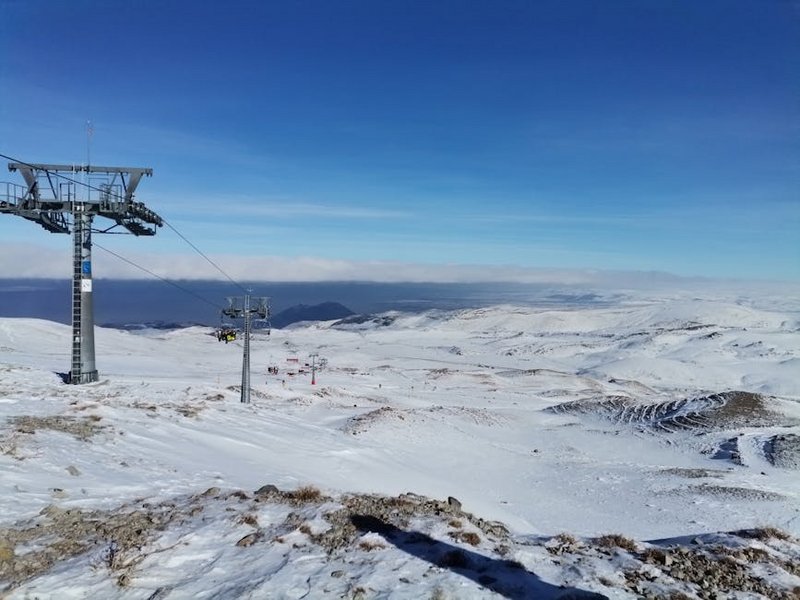
Turkey Aladağlar Mountains Climbing
Turkey Aladağlar Mountains climbing offers an exceptional alpine adventure in Central Anatolia, featuring rugged peaks over 3,700 meters and diverse routes for various skill levels. This mountain range provides technical rock faces, high-altitude trekking, and glacier travel within Aladağlar National Park’s protected wilderness areas. This guide covers essential planning, seasonal strategies, and practical tips for a successful expedition.
Essential Aladağlar Information
Aladağlar forms part of the Taurus Mountains, stretching across Niğde, Kayseri, and Adana provinces with elevations reaching 3,756 meters at Demirkazık Peak. The region’s geological history created limestone formations, deep valleys, and permanent glaciers that attract mountaineers worldwide. National Park status since 1995 ensures conservation while permitting regulated climbing activities.
Geographical Overview
Understanding the landscape helps navigation and safety preparation.
- Central Taurus Range location spans 30 kilometers wide with Emli Valley as primary access point for most climbing routes.
- Key peaks include Demirkazık (3,756m), Kızılkaya (3,725m), and Alaca (3,586m) with varying technical difficulties.
- Glacier systems like Çamardi Glacier require crampons and ice axes even during summer climbing seasons.
- Budget climbs cost $1,200-$1,800 using refuges instead of guided services, bringing personal gear, and joining group permits.
- Mid-range expeditions run $2,000-$2,800 including certified guides, equipment rentals, and village accommodations before/after climbs.
- Luxury packages reach $3,500 with private guides, helicopter support options, and boutique hotel stays in Cappadocia post-climb.
- Aladağlar National Park Official Site
- Turkish Mountaineering Federation
Historical Significance
Turkish mountaineering culture centers around Aladağlar since the first recorded ascents in the 1920s by European expeditions. Local guides from Çukurbağ village have supported climbs for generations, preserving route knowledge and safety protocols. The mountains host international climbing festivals annually, celebrating this rich mountaineering heritage.
Conservation Status
Aladağlar National Park implements strict regulations to protect endemic species like Anatolian leopards and Taurus cedar forests. Climbing permits from the Ministry of Forestry and Water Affairs are mandatory, with fees supporting conservation efforts. Leave No Trace principles apply throughout the region, requiring waste carry-out systems.
Turkey Aladağlar Mountains Climbing – Planning Your Expedition
Successful Turkey Aladağlar Mountains climbing demands careful preparation for altitude, weather variability, and technical route requirements. Spring through autumn offers viable windows, though conditions change rapidly above 3,000 meters elevation. Budget $1,200-$3,500 depending on guide services, duration, and equipment rentals.
Physical conditioning should emphasize cardiovascular endurance and strength training for carrying packs up to 20kg. Acclimatization hikes in surrounding valleys prevent altitude sickness during peak ascents. Local guiding companies provide essential safety support and route knowledge.
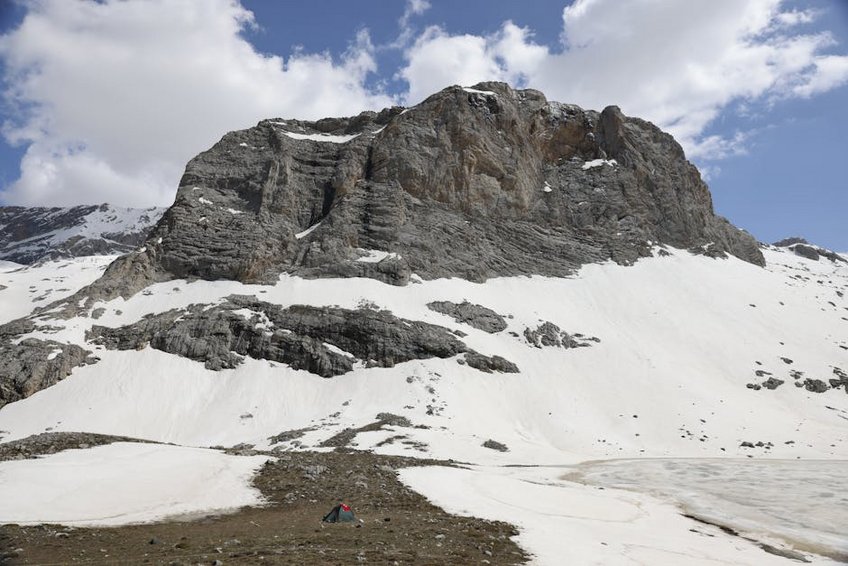
Alt: “aladaglar-mountains-demirkazik-peak-climbing-route”
Best Time to Visit Aladağlar for Climbing
June through September delivers optimal climbing conditions with stable weather, minimal snow at lower elevations, and accessible high camps. Daytime temperatures range 50-68°F (10-20°C) while nights drop to 32-41°F (0-5°C) at base camps. July and August see more climbers, requiring earlier permit applications.
Shoulder seasons in May and October present colder conditions with 23-50°F (-5-10°C) ranges but fewer visitors. Winter climbing December-March demands expedition-level preparation for temperatures plunging to -4°F (-20°C) with heavy snowfall. Ice climbing opportunities peak during these frozen months.
Budget Planning and Costs
Climbing expenses vary significantly based on services and duration.
Essential Preparation Checklist
Technical gear must include harnesses, helmets, crampons, ice axes, and ropes rated for alpine conditions. Clothing systems should layer merino wool base layers, insulated mid-layers, and waterproof shells for sudden weather changes. Footwear requires B2/B3 mountaineering boots with rigid soles for mixed terrain.
Documentation needs include passport copies, climbing insurance with evacuation coverage, and international driving permits if renting vehicles. Book guides 3-6 months early for peak season, especially for Kızılkaya or direct Demirkazık routes. Medical preparations should address altitude medication and comprehensive first aid training.
Top climbing routes and activities
Aladağlar presents diverse climbing objectives from non-technical high passes to demanding multi-pitch ascents on sheer limestone walls. The classic Demirkazık Normal Route serves as introduction to high-altitude climbing with moderate difficulty. More experienced climbers target technical faces like the North Wall of Kızılkaya requiring advanced rock skills.
Emli Valley provides central access to most routes, with refuges at 2,900 meters offering accommodation between summit attempts. Glacier travel on Çamardi Glacier introduces crevasse rescue practice and ice climbing fundamentals. Many routes combine rock, ice, and mixed climbing within single ascents.
Must-See climbing highlights
Demirkazık Peak’s Southeast Ridge delivers a classic alpine climb over 2-3 days with spectacular summit views across the entire range. The route involves rock scrambling up to UIAA II difficulty and requires basic glacier crossing near the top. Guides recommend this ascent for first-time visitors to Aladağlar.
Kızılkaya’s North Face presents one of Turkey’s most challenging rock climbs at 600 meters of vertical limestone with difficulties reaching 5.10c. This technical route demands multi-day bivouac strategies and advanced protection placement skills. Only experienced alpinists should attempt this committing face.
Alaca Peak offers accessible summit opportunities via its West Ridge, suitable for strong hikers with basic scrambling experience. The 2-day round trip from Çukurbağ village introduces high-altitude environments without technical climbing requirements. This peak serves well for acclimatization before attempting higher objectives.
Hidden Gems and Less-Traveled Paths
Directissime Route on Demirkazık’s West Face provides sustained technical climbing on pristine limestone with minimal traffic compared to popular routes. This 12-pitch adventure requires solid 5.9 lead climbing skills and careful route finding through overlapping systems. Local guides know the precise line through this complex face.
Yedigöller Plateau offers spectacular alpine camping away from main climbing routes, featuring seven glacial lakes surrounded by lesser peaks. Approach requires 2-day trekking from Sokullupinar village with full expedition gear. This remote area delivers solitude and unparalleled stargazing opportunities.
Via Ferrata and climbing variations
Newly installed via ferrata routes near Çukurbağ provide introductory vertical experiences with fixed cables and ladders. These protected climbs suit beginners learning exposure management or families seeking adventure activities. Local guides offer half-day tours including equipment and safety instruction.
Winter ascents transform familiar routes into ice climbing adventures with frozen waterfalls and mixed conditions. January through March sees experienced teams climbing technical ice lines on normally dry rock faces. These seasonal variations require specialized cold-weather gear and avalanche awareness training.
Practical climbing travel information
Transportation to Aladağlar typically involves flying into either Kayseri (ASR) or Adana (ADA) airports, then 3-4 hour drives to mountain villages. Rental cars provide flexibility, though shuttle services from major hotels in Cappadocia offer reliable alternatives. Local dolmuş (minibus) networks connect villages but have limited schedules.
Accommodation ranges from basic mountain refuges to comfortable village pensions with hot showers and home-cooked meals. Advance reservations essential during climbing season June-September, with many refuges operating on first-come basis. Mobile service exists in valleys but disappears on higher routes.
| Accommodation Type | Features and Services | Price Range (USD) |
|---|---|---|
| Mountain Refuges | Dormitory sleeping, basic meals, water access | $15-30/night |
| Village Pensions | Private rooms, breakfast included, gear storage | $40-80/night |
| Camping | Designated areas only, no facilities, self-sufficient | Permit fees $5-10 |
| Guided Base Camps | Meals provided, equipment rentals, guide services | $100-200/night |