Tropical Island Holidays in Asia: Your Ultimate Getaway Guide
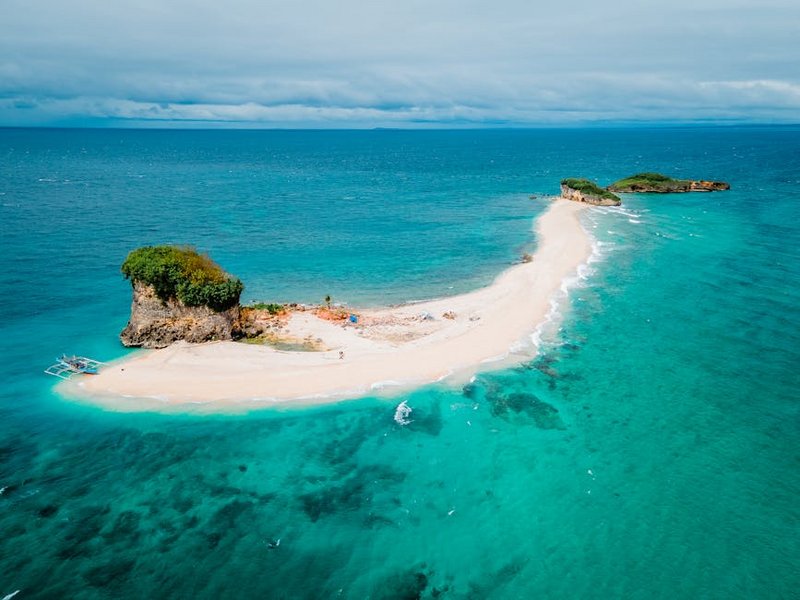
Planning tropical island holidays in Asia offers an unparalleled escape into diverse landscapes, from the limestone cliffs of Thailand to the pristine atolls of the Maldives. This region combines luxury resorts, vibrant marine life, and rich cultural experiences across thousands of islands, each with its unique charm and adventure. This guide provides essential planning tips, destination comparisons, and practical advice to help you craft your perfect Asian island itinerary, whether seeking relaxation or exploration.
Essential Asian Island Geography and Climate
Asia’s tropical islands span several major regions, primarily within Southeast Asia and the Indian Ocean. The archipelagos of Indonesia and the Philippines contain over 25,000 islands, while destinations like Thailand, Malaysia, and Vietnam feature renowned coastal gems. Each area has a distinct monsoon pattern, directly influencing the best travel times and available activities for visitors. Understanding these seasonal shifts is crucial for a successful trip.
The tropical climate ensures warm temperatures year-round, typically ranging from 77°F to 95°F (25°C to 35°C). Humidity levels remain high, and afternoon showers are common even during the dry season. Regional weather systems create microclimates, meaning island groups just a few hundred miles apart can experience different conditions simultaneously. This variation allows for island-hopping to find the best weather during your visit.
Key Regions and Their Characteristics
Island destinations in Asia are grouped into several distinct zones.
- Southeast Asian Archipelagos: Includes Indonesia’s Bali and Komodo, and the Philippines’ Palawan and Boracay, known for dramatic landscapes, rich culture, and world-class diving spots with vibrant coral reefs.
- Andaman Sea Coast: Encompasses Thailand’s Phuket and Krabi, and Myanmar’s Mergui Archipelago, famous for limestone karsts, emerald waters, and a blend of bustling and secluded beach experiences.
- Indian Ocean Atolls: Features the Maldives and Sri Lanka, offering luxury overwater bungalows, exceptional whale watching, and unique low-lying coral island ecosystems.
- Budget Traveler ($40-$80/day): Stay in hostels or guesthouses in less-developed islands like Indonesia’s Gili Islands or parts of the Philippines. Use local ferries for transport, eat at warungs or street food stalls, and focus on free activities like hiking and beachcombing. This budget requires flexibility and advance booking for ferry tickets.
- Mid-Range Explorer ($100-$250/day): This comfortable range allows for private boutique hotels, domestic flights between islands, daily snorkeling or diving trips, and meals at decent restaurants. You can experience a mix of relaxation and adventure in destinations like Thailand’s Koh Lanta or Malaysia’s Perhentian Islands without major financial stress.
- Luxury Seeker ($400-$1,000+/day): Opt for five-star resorts with private pools in Bali, overwater villas in the Maldives, or charter private yacht excursions. This tier includes spa treatments, gourmet dining, private guides, and seamless transfers. Premium prices guarantee high service standards and exclusive locations.
- World Health Organization (Travel Health)
- Lonely Planet Destination Guides
- Coral Reef Alliance (Conservation Info)
Understanding Monsoon Seasons
The primary factor affecting your holiday is the dual monsoon system. The Southwest Monsoon generally brings rain to western and southern regions from May to October, impacting the Andaman Sea and western Indonesian islands. Conversely, the Northeast Monsoon affects eastern coastlines from November to April, bringing wetter conditions to places like Eastern Thailand and the Philippine east coast. However, these patterns are generalizations.
For instance, while Bali experiences its dry season from April to October, Eastern Indonesia has different cycles. You can often find sunny weather year-round by selecting the correct archipelago for your travel dates. Consulting detailed monthly weather maps for your specific target islands is the most reliable planning method.
Marine Biodiversity and Conservation
Asian waters are part of the Coral Triangle, the global epicenter of marine biodiversity. This region hosts over 75% of the world’s known coral species and thousands of fish species. Iconic marine life includes manta rays in Nusa Penida, whale sharks in the Philippines, and sea turtles across numerous nesting sites. This incredible underwater world is a major draw for snorkelers and divers.
Unfortunately, this ecosystem faces threats from climate change, pollution, and unsustainable tourism. When planning your island escape, prioritize operators with strong eco-certifications and follow responsible snorkeling guidelines. Your choices can help preserve these environments for future travelers.
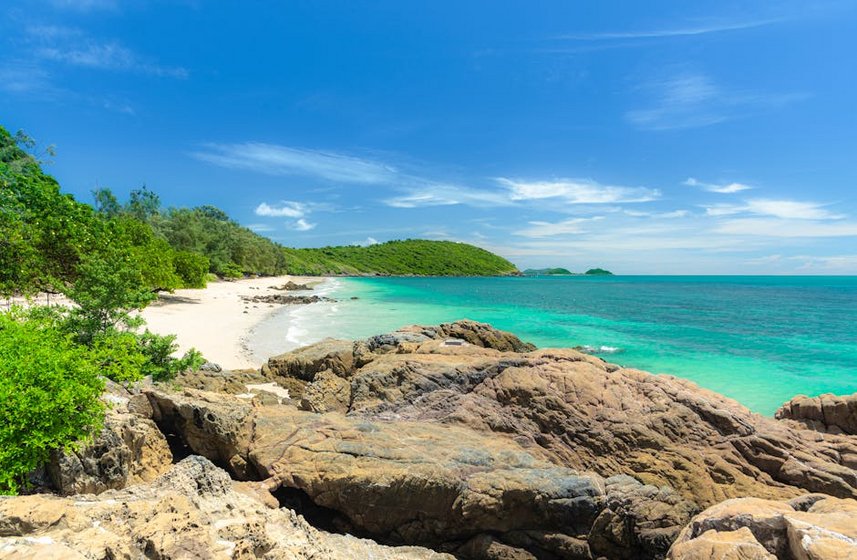
Alt: “asian-tropical-island-white-sand-beach-turquoise-water”
Tropical Island Holidays in Asia – Planning Your Trip
Strategic planning transforms a good island vacation into a great one. Your first decision involves choosing between a single-destination resort stay or a multi-island hopping adventure. Resort stays offer deep relaxation and convenience, while island hopping provides cultural and scenic variety but requires more logistical coordination. Consider your energy level and trip goals before booking.
Budget planning is equally vital, as costs vary wildly. A luxury overwater villa in the Maldives can exceed $1,000 per night, while a charming beach bungalow in Indonesia might cost $50. Most expenses will be for flights, accommodation, and inter-island transport, with food and activities being relatively affordable in Southeast Asia. Always factor in the cost of travel insurance that covers marine activities and potential weather disruptions.
Finally, preparation goes beyond packing swimwear. You will need specific documentation, health precautions like malaria prophylaxis for certain remote islands, and the right gear for water activities. Research visa requirements well in advance, as policies for US and EU passport holders differ by country, ranging from visa-free entry to pre-approved online visas.
Best Time to Visit Asian Islands
The ideal window for most Asian island destinations is during the dry season, which typically falls between November and April for the western regions like the Maldives, Sri Lanka, and Thailand’s Andaman coast. During these months, you can expect abundant sunshine, calm seas perfect for boating and diving, and minimal rainfall, with average temperatures between 82°F and 90°F (28°C and 32°C). This is also the peak tourist season, so book flights and hotels at least three to four months in advance.
Shoulder seasons like May-June or October can offer a valuable compromise with fewer crowds and lower prices, though you may experience brief afternoon showers. The rainy season (July-September in many areas) brings lush greenery and the lowest prices but risks travel disruption from storms and reduced visibility for diving. For surfing, the monsoon swells on certain coasts create ideal conditions.
Budget Planning and Costs
Your total cost depends heavily on destination choice and travel style.
Essential Preparation Checklist
Start by securing the correct travel documents. Many Asian countries now offer eVisa systems or visa-on-arrival for tourists, but requirements change. Ensure your passport has at least six months’ validity beyond your departure date. Next, visit a travel clinic for recommended vaccinations (Hepatitis A, Typhoid) and discuss antimalarial medication if visiting remote jungle areas. Purchase comprehensive travel insurance that explicitly covers scuba diving and emergency evacuation.
Packing requires tactical choices. Essentials include reef-safe sunscreen to protect coral, a high-quality snorkel mask (consider a full-face mask for beginners), a dry bag for boat trips, and a universal power adapter. Lightweight, quick-dry clothing and a solid pair of sandals are perfect for the humid climate. Don’t forget waterproof cases for your phone and camera to capture the underwater magic.
Top Island Destinations and Experiences
Asia’s island portfolio is astonishingly diverse, catering to every type of traveler. For underwater enthusiasts, sites like Raja Ampat in Indonesia offer the planet’s most biodiverse reefs. Culture seekers find deep spiritual heritage in Bali’s temples and ceremonies, while adventure travelers can hike through jungle interiors to hidden waterfalls or kayak through vast lagoons. The key is matching the destination to your personal travel aspirations.
Beyond the famous names, countless lesser-known islands provide authentic and crowd-free experiences. These hidden gems often require additional travel time or basic accommodations but reward visitors with pristine environments and genuine local interaction. Whether you prioritize luxury, adventure, culture, or solitude, an ideal Asian island match awaits.
Must-See Highlights and Iconic Islands
Palawan in the Philippines consistently tops global lists for its otherworldly landscapes. The Underground River and Bacuit Archipelago with El Nido and Coron offer kayaking through limestone karsts over crystal-clear lagoons. Boat tours are the primary access method, costing $25-$50 USD for day trips. Visit early in the morning to avoid the peak tour crowds and have serene photo opportunities.
Bali, Indonesia, provides a holistic holiday blending culture, nature, and wellness. Explore ancient temples like Uluwatu, watch traditional Kecak dances, surf the waves of Uluwatu, and relax in the lush terraces of Ubud. The island’s infrastructure supports all budgets. For a different vibe, the nearby Gili Islands offer car-free bliss with excellent snorkeling right off the beach, where sea turtles are commonly spotted.
The Maldives is synonymous with luxury and overwater bungalows. Resorts occupy their own private islands, offering unmatched privacy and direct lagoon access. The marine life here is spectacular, with house reefs often accessible from your villa steps. While expensive, all-inclusive packages can provide good value. For a unique experience, consider a liveaboard diving safari to explore remote atolls.
Hidden Gems and Local Favorites
For those looking to escape the well-trodden path, the Indonesian archipelago holds countless secrets. The Wakatobi Islands in Southeast Sulawesi are a diver’s paradise with pristine reefs and minimal tourism infrastructure. Access requires a flight to Makassar followed by a local connection, but the underwater spectacle is worth the journey. Similarly, the Kei Islands boast some of the world’s whitest sand beaches and incredibly friendly local communities.
In Thailand, skip the crowds of Phuket and head to Koh Kood or Koh Mak in the Trat archipelago. These islands maintain a sleepy, low-key atmosphere with family-run bungalows, empty beaches, and a focus on sustainable tourism. In Malaysia, the Perhentian Islands offer fantastic coral reefs and jungle hiking at a very affordable price point, popular with backpackers and mid-range travelers seeking great value.
Diving and Snorkeling Hotspots
Asia contains some of the globe’s most renowned dive sites. Raja Ampat, Indonesia, is the crown jewel for biodiversity, with legendary sites like Cape Kri where you can see hundreds of fish species on a single dive. Liveaboard boats are the best way to explore this remote region. Similarly, Sipadan Island in Malaysia offers unparalleled encounters with large pelagic species, including schooling barracuda and turtles, but requires a permit secured in advance.
For snorkelers, accessible and vibrant reefs abound. The Philippines’ Apo Island has a protected marine sanctuary teeming with life just meters from the shore. In Thailand, the Surin and Similan Islands, accessible by day trip or liveaboard, feature granite boulders and coral gardens. Always check current conditions and choose operators that enforce no-touch, no-stand-on-coral rules to protect these fragile ecosystems.
Practical Travel Information and Logistics
Navigating between Asian islands involves a mix of transport modes. Major international gateways like Singapore Changi (SIN), Bangkok Suvarnabhumi (BKK), and Kuala Lumpur (KUL) offer connecting flights to regional island airports. For closer archipelagos, fast ferries, slow public boats, and private speedboat charters are the standard. Research schedules carefully, as ferry services often reduce frequency or cease entirely during the rainy season due to safety concerns.
Accommodation ranges from international luxury chains to locally owned homestays. Booking platforms are widely used, but for remote islands or unique boutique properties, contacting the property directly via email or social media can sometimes secure better rates or availability. Consider your location priorities: beachfront, village center for culture, or a secluded hillside for views.
| Transport Type | Best For / Features | Price Range (USD) |
|---|---|---|
| Domestic Flight | Connecting major hubs to island airports (e.g., Bali to Komodo). Quick but limited baggage allowance. | $50 – $200 per segment |
| Speedboat Ferry | Popular tourist routes (e.g., Phuket to Phi Phi). Faster, more comfortable, often includes hotel pickup. | $20 – $60 per trip |
| Public Ferry | Local travel (e.g., between Filipino islands). Very affordable, authentic experience, but slower and less predictable. | $5 – $25 per trip |
| Private Boat Charter | Families/groups, flexible island-hopping, remote access. Full control over itinerary and stops. | $150 – $600+ per day |