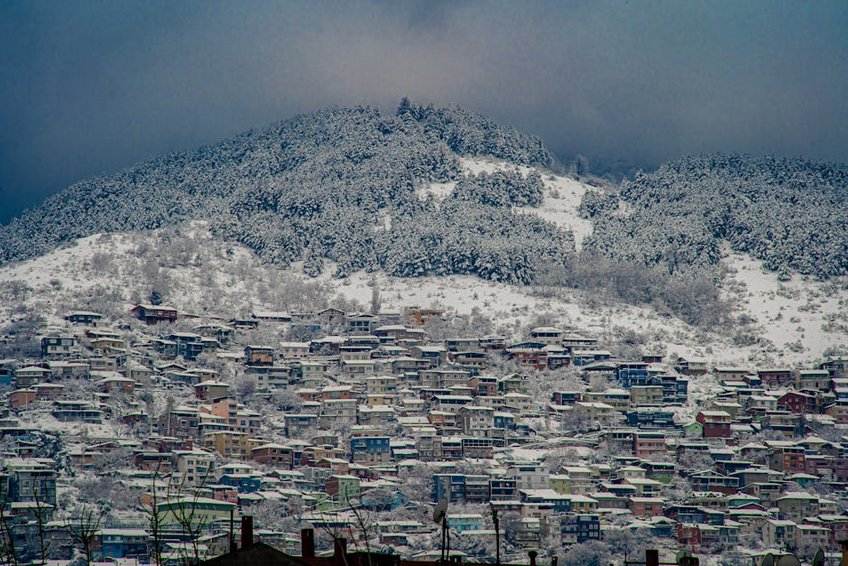
Uludağ Travel Guide: Winter Sports and Summer Hiking in Turkey
Planning a trip to Turkey’s premier mountain destination requires navigating seasonal extremes and diverse activity options. The Uludağ travel guide you’re reading provides essential logistics for both skiing powder in winter and trekking wildflower meadows in summer. This comprehensive resource details transportation routes, accommodation tiers across Bursa, and month-by-month climate specifics for optimal planning.
Essential Uludağ Mountain Information
Uludağ, meaning “Great Mountain,” rises to 2,543 meters (8,343 feet) as the highest peak in western Turkey’s Marmara Region. Historically known as Mysian Olympus, its slopes transition from coastal plains near Bursa to alpine terrain within a national park. The mountain’s dual identity as a major ski resort and protected natural area creates unique travel dynamics.
Summer temperatures range from 15°C to 25°C (59°F to 77°F) at higher elevations, while winter sees consistent snow from December through March. The national park designation means development is concentrated in specific resort zones, preserving extensive backcountry areas for exploration. This balance between accessibility and wilderness defines the mountain experience.
Key Geographical and Historical Context
Understanding the mountain’s background enhances any visit to this iconic Turkish destination.
- The mountain formed during the Alpine orogeny, creating its dramatic ridgelines and diverse mineral springs that feed Bursa’s famous thermal baths below.
- During Byzantine times, monasteries dotted its slopes, with some ruins still accessible to determined hikers exploring beyond the main trails.
- The modern ski resort development began in the 1960s, establishing Turkey’s first major winter sports infrastructure that now hosts international competitions.
- Budget winter trips cost $70-100 USD daily, utilizing Bursa city lodging with shuttle transport, renting basic ski gear, and purchasing multi-day lift passes. This approach requires early morning travel to the mountain but saves substantially on accommodation.
- Mid-range visitors spend $150-250 USD daily for resort hotel packages including breakfast, ski rental, and lift access. This tier offers the best value for convenience, with walking access to slopes and facilities included in package pricing.
- Luxury experiences reach $400-600 USD daily for premium hotels with spa access, private equipment fitting, and guided off-piste touring. These packages often include airport transfers and gourmet dining options not available to independent travelers.
- Bursa Metropolitan Municipality Official Tourism Portal
- Ski Resort Information and Uludağ Piste Maps
Seasonal Climate and Packing Essentials
Visitors encounter dramatically different conditions depending on their travel timing. Winter demands serious cold-weather gear, with temperatures frequently dropping to -15°C (5°F) at night during January and February. Daytime skiing conditions typically range from -5°C to 0°C (23°F to 32°F), requiring thermal layers, waterproof outerwear, and proper eye protection.
Summer hiking presents opposite requirements, with strong sun exposure at altitude despite moderate temperatures. Pack breathable clothing, sturdy trail shoes, sunblock, and at least two liters of water per person for day hikes. Sudden weather changes can occur, so always carry a lightweight shell even on clear days.
Park Regulations and Conservation Status
Uludağ National Park enforces specific rules to protect its ecosystems. Open fires are strictly prohibited outside designated picnic areas, and wild camping requires advance permission from park authorities. Visitors should stay on marked trails to minimize environmental impact and avoid disturbing wildlife, including wild boar, jackals, and numerous bird species.
The park entry fee is nominal, approximately 3 USD per person, payable at the main entrance stations. Some secondary hiking trails may be temporarily closed during spring thaw or for wildlife protection periods, so checking current status with the Bursa Forestry Department before departure is advisable.
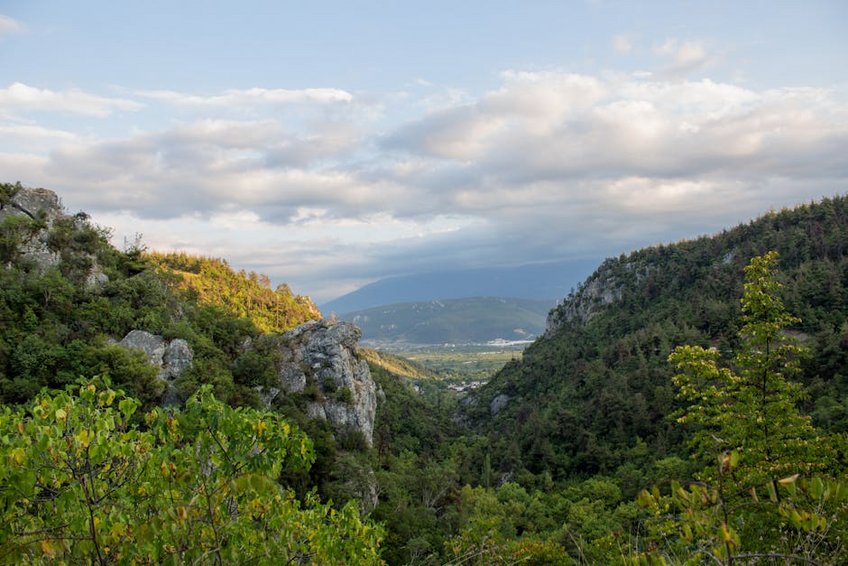
Alt: “uludag-mountain-ski-resort-piste-view-winter”
Uludağ Travel Guide – Planning Your Mountain Visit
Effective preparation separates frustrating trips from seamless mountain adventures. This Uludağ travel guide emphasizes advance booking for winter accommodations, as the ski season sees near-capacity occupancy from late December through February. Summer requires different planning, with focus on transportation logistics to trailheads rather than resort reservations.
Budget allocation varies significantly by season. Winter visitors should anticipate higher costs for lift tickets, equipment rental, and slope-side lodging. Summer travelers enjoy lower accommodation prices but need to budget for guided tours if attempting technical routes or visiting remote areas without public transport access.
Best Time to Visit Uludağ
The optimal visiting period depends entirely on your planned activities. For skiing and snowboarding, target January through early March when snowpack is deepest and all lifts operate regularly. February offers the most reliable conditions, with average base depths of 1.5 meters (5 feet) across the resort’s 24 pistes.
Hikers and nature enthusiasts should visit between mid-June and mid-September when trails are snow-free and mountain huts are operational. July brings spectacular wildflower displays across the alpine meadows. Shoulder seasons in May and October offer solitude but require preparedness for changeable weather and possible trail closures.
Budget Planning and Costs
Daily expenses vary dramatically between seasons and travel styles.
Essential Preparation Checklist
All visitors need valid travel insurance covering mountain sports, which many standard policies exclude. Digital copies of passports and a Turkish phrasebook or translation app prove invaluable for interactions outside resort areas. Download offline maps of trail networks and save emergency contact numbers for mountain rescue services.
Winter travelers must verify equipment reservations two weeks ahead, especially for boot sizes outside the average range. Summer hikers should break in footwear thoroughly before arrival and carry physical cash (Turkish Lira) for remote tea houses and transportation. Reserve airport transfers or rental cars well in advance during peak periods.
Top Attractions and Mountain Activities
Uludağ delivers diverse experiences across its elevation gradient. The ski resort area concentrates winter sports infrastructure with modern chairlifts serving terrain for all ability levels. Beyond the developed zones, backcountry skiing routes require guides but offer pristine powder conditions away from crowds.
Summer transforms the landscape into a hiking paradise with trails ranging from gentle valley walks to challenging summit approaches. The Sarıalan plateau serves as a central hub for families, while more experienced trekkers embark on multi-day routes between mountain refuges. Cable car rides provide panoramic views regardless of season.
Must-See Highlights and Experiences
The Uludağ Teleferik, Turkey’s longest cable car system, delivers breathtaking views during its 8.8-kilometer ascent from Bursa. This engineering marvel transports visitors from urban heat to mountain coolness in approximately 25 minutes. Tickets cost approximately 12 USD roundtrip, with cabins departing every half-hour from the city’s lower terminal.
Skiers should prioritize the main resort area’s interconnected pistes, particularly the challenging black runs from the Tutyeli and Cobankaya lifts. These offer the mountain’s steepest terrain with reliable snow coverage. Non-skiers enjoy snowshoe tours along marked forest trails, available through resort operators for about 35 USD including equipment and guide services.
Hidden Gems and Local Favorites
Local hikers favor the path to Ice Age glacial lakes, particularly Aynalıgöl and Kilimligöl, accessible via a moderate 4-hour trek from the Softaboğan area. These secluded alpine lakes reflect surrounding peaks perfectly on calm days. The trail sees few international visitors, offering authentic wilderness moments just hours from the resort’s crowds.
Another lesser-known spot is the Karabelen plateau on the mountain’s northern slopes, where traditional yayla (summer pasture) culture persists. Visitors can observe sheep-herding practices and sample fresh dairy products at simple shepherd huts. Reaching this area requires private transportation or a dedicated guided tour from Bursa.
Adventure Sports Beyond Skiing
During summer months, mountain biking trails cater to various skill levels, with bike rentals available at the upper cable car station. Paragliding operators launch from designated sites near the summit, offering tandem flights with certified pilots for approximately 120 USD. These flights provide unparalleled aerial perspectives of the Sea of Marmara on clear days.
Rock climbing enthusiasts find developed routes on the mountain’s granite faces, particularly around the Çobankaya area. Local guiding companies provide equipment and instruction for various difficulty levels. Always verify guide credentials and current route conditions, as some areas may be restricted during nesting seasons for protected bird species.
Practical Travel Information and Logistics
Transportation to Uludağ involves multiple options with different convenience and cost profiles. Most international travelers fly into Istanbul Airport (IST) or Sabiha Gökçen Airport (SAW), then transfer to Bursa via bus, rental car, or private transfer. The final mountain ascent requires either the cable car from Bursa or road travel via dedicated shuttle services.
Accommodation splits between slope-side hotels at the ski resort and more varied options in Bursa city below. Resort hotels offer immediate ski access but limited dining variety, while city lodging provides cultural immersion and culinary diversity at the expense of daily commute time to the mountain. Choose based on your trip priorities.
| Accommodation Category | Key Features and Locations | Price Range (USD) |
|---|---|---|
| Luxury Resort Hotels | Ski-in/ski-out access, spa facilities, multiple restaurants, equipment rental on-site | $200-400/night |
| Mid-Range Mountain Hotels | Walking distance to lifts, breakfast included, basic amenities, some with pool access | $90-180/night |
| Bursa City Hotels | Cultural location, diverse dining, thermal bath access, requires cable car commute | $50-120/night |
| Mountain Refuges/Hostels | Basic dormitory accommodation, summer only, ideal for hikers, communal facilities | $15-30/night |