

Turkey Istanbul Tulip Festival: A Guide to the City in Bloom
Visiting the Turkey Istanbul Tulip Festival offers a spectacular display where millions of bulbs burst into coordinated color across the city’s historic parks and waterfronts. This annual celebration transforms the metropolis into a living canvas, blending Ottoman horticultural heritage with modern landscape artistry from early April through May. Planning your visit around peak bloom times and key locations ensures you experience one of the world’s most impressive urban floral events, complete with cultural happenings and photographic opportunities at every turn.
Istanbul Tulip Festival Essential Information
The Istanbul Tulip Festival, or Lale Festivali, is a city-wide event celebrating the flower deeply intertwined with Turkish history. Tulips originated in Central Asia and became a cultural icon during the Ottoman Empire’s Tulip Era in the 18th century. Today’s festival is a massive municipal project, with the Istanbul Metropolitan Municipality planting over 30 million bulbs annually.
Events span public squares, historical sites, and parks, creating an immersive floral experience. The festival typically runs from the first week of April to the end of the month, though blooming schedules can shift slightly based on spring temperatures. It is a free public event, drawing both locals and international visitors to its vibrant displays.
Historical Significance of the Tulip
The tulip’s journey to becoming a national symbol is a key part of Turkish identity.
- Ottoman Era Symbolism: During the Tulip Era (1718–1730), the flower symbolized wealth, peace, and perfection in art, textiles, and tile work, far before it became popular in the Netherlands.
- Modern Revival: The contemporary festival began in 2005 as an initiative to reclaim this botanical heritage and promote urban beautification, sparking a major horticultural revival across Turkey.
- Cultural Motif: You will see the tulip shape, known as the “lale,” intricately designed into Iznik tiles, mosque decorations, and traditional handicrafts throughout the city year-round.
- Budget Traveler ($80-$120/day): Stay in hostels or budget hotels in areas like Taksim or Sultanahmet, use public transit (Istanbulkart), enjoy street food and local cafes, and focus on free festival viewing. Allocate funds for a Bosphorus ferry ride for unique floral views from the water.
- Mid-Range Traveler ($150-$250/day): Book a boutique hotel in Beyoglu or Karakoy, dine at well-reviewed local restaurants, use occasional taxis for convenience, and join a guided historical tour that includes festival highlights. This budget allows for comfort and deeper cultural immersion.
- Luxury Traveler ($350+/day): Choose five-star hotels with Bosphorus views, enjoy fine dining at rooftop restaurants, hire a private guide for a custom tulip and history tour with driver, and perhaps take a private yacht tour to see the shoreline gardens from the water in ultimate comfort.
- Istanbul Metropolitan Municipality (Official Festival Organizer)
- Lonely Planet Istanbul Travel Guide
Key Details and Festival Scope
Understanding the festival’s scale helps with planning. Municipal gardeners plant tens of millions of bulbs, including heirloom Ottoman varieties, each autumn for the spring bloom. The displays are not confined to one location but are spread across nearly every district, with Emirgan Grove serving as the epicenter.
You can expect themed gardens, artistic arrangements, and night illuminations at major sites. The festival also coincides with Istanbul’s pleasant spring weather, with average daytime temperatures ranging from 55°F to 68°F (13°C to 20°C). This makes exploration on foot particularly enjoyable.
Festival Layout and Major Zones
The floral displays are strategically placed to complement Istanbul’s iconic skyline. The most concentrated and artistic installations are in the city’s large European-side parks. Meanwhile, the Asian side features beautiful, often less crowded, neighborhood plantings.
Each park has a different design theme, from geometric patterns echoing Turkish carpets to flowing rivers of color. Signage is often in Turkish and English, and pathways are well-maintained for easy walking and photography throughout the event areas.
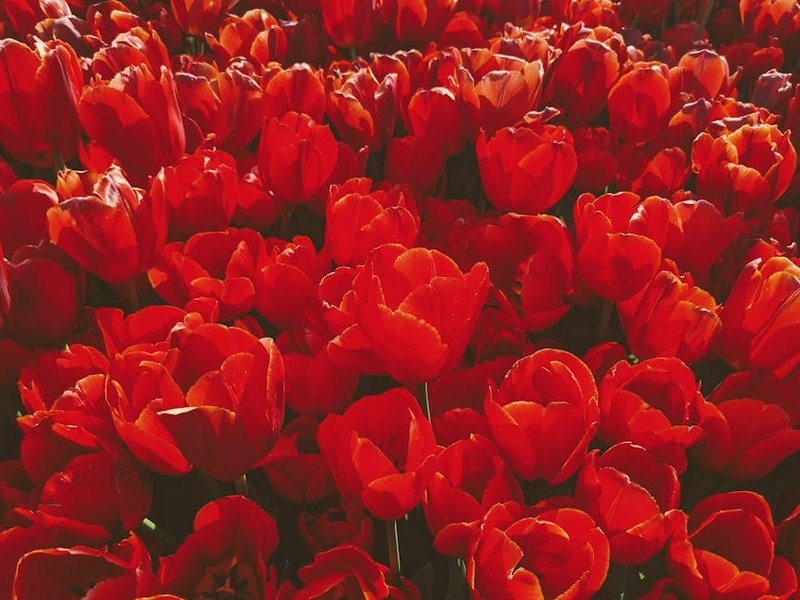
Alt: “emirgan-grove-tulip-festival-colorful-flower-beds-istanbul-spring”
Turkey Istanbul Tulip Festival – Planning Your Trip
Your Turkey Istanbul Tulip Festival experience depends heavily on timing and advance preparation. The peak bloom period is notoriously dependent on spring weather patterns, with a warm spell accelerating the display and a cold snap delaying it. Successful visitors monitor local bloom reports in late March and secure accommodations early, as this period is popular.
Budgeting for this trip is similar to a standard Istanbul visit, with no festival entry fees. Costs revolve around flights, hotels, dining, and local transportation. Invest in comfortable walking shoes, as exploring the scattered garden sites involves considerable time on your feet across the city’s hills.
Planning should also include visits to major historical sites, as the tulips beautifully frame monuments like the Blue Mosque and Topkapi Palace. Allocate time for both dedicated garden visits and serendipitous discoveries of smaller street plantings during your urban exploration.
Best Time to Visit for the Tulip Displays
Visit Istanbul between April 10th and April 25th for the highest probability of peak blooms. This two-week window typically offers the most complete and vibrant displays across all major parks. Early April can see the first blooms, while late April remains beautiful, though some early varieties may begin to fade.
Temperatures during this core period are pleasant, averaging 59°F to 68°F (15°C to 20°C). Crowds are heaviest on weekends, especially Sundays when local families visit. For the best experience with manageable crowds, target weekday visits to the main parks and arrive in the morning shortly after they open.
Budget Planning and Costs
Your budget for this floral holiday can vary significantly based on travel style.
Essential Preparation Checklist
Pack layers for variable spring weather, including a light waterproof jacket, comfortable walking shoes, sunscreen, and a sun hat. Bring a quality camera or smartphone with ample storage, as well as a portable power bank for a full day of photography. A refillable water bottle is also highly recommended.
Ensure your passport is valid for at least six months beyond your entry date. US and EU passport holders can obtain an e-Visa online before travel. Book flights and accommodations at least three months in advance for the best rates and availability during this popular season. Consider purchasing comprehensive travel insurance that covers trip interruptions.
Top Attractions and Festival Activities
While tulips blanket the city, specific parks and events form the cornerstone of the festival experience. These locations are chosen for their size, landscape features, and ability to host large, intricate displays. Beyond passive viewing, the season includes photography contests, art exhibitions, and traditional music performances nestled within the gardens.
Allocate at least two full days to explore the primary gardens without rushing. Combining a garden visit with a nearby historical attraction, like pairing Gulhane Park with Topkapi Palace, makes for an efficient and culturally rich day. Evening visits to illuminated gardens offer a completely different, magical atmosphere worth experiencing.
Must-See Festival Gardens and Parks
Emirgan Grove is the undisputed highlight, featuring three historic pavilions set among hillsides terraced with millions of tulips in stunning patterns. Allow 2-3 hours to explore its different sections and enjoy tea at one of its cafes. Admission is free, and it’s easily reachable by bus or taxi from central areas.
Gulhane Park, right next to Topkapi Palace, offers a stunning combination of floral displays and imperial history. Its slopes provide beautiful views of the Sea of Marmara through a curtain of blossoms. Meanwhile, Yildiz Park offers a more forested, tranquil setting with charming chalets and hidden floral arrangements perfect for a peaceful stroll.
Hidden Gems and Local Favorites
For a less crowded experience, visit the Asian side’s Beykoz Grove or Camlica Hill. These locations offer spectacular panoramic views of the Bosphorus framed by tulip beds, frequented more by Istanbulites than tourists. The Fethi Pasa Grove on the Asian side also provides a steep, terraced garden with an intimate feel.
Explore neighborhood squares in upscale districts like Bebek or Arnavutkoy, where municipal plantings create incredibly photogenic street scenes against a backdrop of classic Ottoman-era wood houses and chic cafes. These spots offer an authentic glimpse of how the festival integrates into daily city life.
Photography Tips and Best Vantage Points
For iconic shots, arrive at Emirgan Grove at opening time to capture the patterns without crowds. Use a wide-angle lens for landscape shots of the color blocks and a macro lens for detailed shots of unique heirloom tulip varieties. The pavilions offer elevated viewpoints for commanding overviews of the gardens.
For cityscape combinations, position yourself in Gulhane Park to frame tulips with the Topkapi Palace walls or in Sultanahmet Park to capture blooms with the Blue Mosque domes. The best light for photography is typically in the early morning or the golden hour before sunset, when the sunlight is soft and warm.
Practical Travel Information for Istanbul
Navigating Istanbul during the tulip season requires understanding the city’s extensive transit system and accommodation landscape. The city is divided by the Bosphorus, with most festival parks on the European side. An Istanbulkart is essential for affordable travel on metros, trams, ferries, and buses across both continents.
Accommodation prices rise in April, so early booking is crucial. Staying in neighborhoods with good transit links to major parks, like Sisli, Besiktas, or Uskudar, can offer better value than the heavily tourist-centric Sultanahmet area. Reliable ride-hailing apps like BiTaksi also work well for direct trips to garden entrances.
| Accommodation Type | Best Areas & Features | Price Range/Night (USD) |
|---|---|---|
| Budget Hostel/Hotel | Taksim or Sultanahmet; basic amenities, shared facilities, social atmosphere | $25 – $60 |
| Boutique Hotel | Beyoglu or Karakoy; unique design, central location, breakfast included | $80 – $180 |
| Luxury Hotel | Besiktas or Sariyer; Bosphorus views, spa, fine dining, concierge service | $250 – $600+ |
| Vacation Rental | Kadikoy (Asian Side) or Cihangir; apartment-style, kitchen, local neighborhood feel | $50 – $150 |


