Transylvania Tour in Romania: Explore Castles and Medieval Towns
A Transylvania tour in Romania transports you through dense Carpathian forests to fortified Saxon churches and castles that inspired legendary tales. This central Romanian region delivers authentic medieval architecture, vibrant local cultures, and landscapes ranging from alpine meadows to pastoral hills. This guide details itinerary planning, essential sights, practical logistics, and cultural insights for an independent journey.
Essential Transylvania Information
Transylvania is a historical region in central Romania, renowned for its well-preserved medieval towns and dramatic mountain scenery. Culturally, it’s a fascinating blend of Romanian, Hungarian, and Saxon German influences, evident in its architecture, cuisine, and traditions. The area’s fame is often linked to Bram Stoker’s Dracula, though the connection to the real 15th-century figure Vlad the Impaler is more nuanced.
Key Historical and Cultural Context
Understanding the region’s layered history enriches your visit significantly. Several distinct cultural threads define the area.
- Saxon Heritage: Ethnic Germans, invited in the 12th century, built the iconic fortified churches in villages like Biertan and Viscri, now UNESCO World Heritage sites.
- Hungarian Influence: A significant ethnic Hungarian population, particularly in cities like Cluj-Napoca and Târgu Mureș, contributes to the bilingual signage and vibrant cultural festivals.
- Vlad the Impaler & Dracula Lore: While Bran Castle is marketed as “Dracula’s Castle,” its real link to Vlad is tenuous; the more authentic connection is to Poienari Citadel, his actual fortress.
- Budget Traveler ($50-75/day): Stay in hostels or guesthouses, use regional trains and buses, eat at local ‘gratar’ or ‘cantine’ for meals, and visit free attractions like city fortifications and pedestrian old towns.
- Mid-Range Traveler ($100-150/day): This includes comfortable boutique hotels or B&Bs in city centers, renting a small car for flexibility, dining at well-rated traditional restaurants, and entering all major paid attractions with guided tours.
- Luxury Traveler ($250+/day): Stay at historic 5-star hotels or renovated noble houses, hire a private driver-guide for door-to-door service, enjoy fine dining experiences, and book exclusive after-hours access to sites like Corvin Castle.
- Romania Tourism
- UNESCO: Villages with Fortified Churches
Geographical Layout and Key Areas
Transylvania is not a single destination but a collection of distinct zones, each with unique attractions. Navigating them efficiently requires understanding the distances and travel modes between major hubs.
The region is anchored by several historic cities. Sibiu and Brașov serve as perfect bases, offering excellent accommodations and dining while being close to major castles and natural attractions. The picturesque Saxon villages are scattered throughout the southern part of the region, accessible via car or local tour.
Climate and Seasonal Considerations
Weather patterns vary dramatically by season, directly impacting your experience. Summers (June-August) are warm, with averages of 70-80°F (21-27°C), but can be crowded. Winters (December-February) are cold and snowy, 20-35°F (-7 to 2°C), creating a magical atmosphere but potentially limiting access to some mountain roads.
For most travelers, the shoulder seasons of late spring (May) and early autumn (September-October) provide the ideal balance. You’ll encounter pleasant temperatures of 55-70°F (13-21°C), thinner crowds, and beautiful natural scenery, from blooming meadows to autumn foliage.
Alt: “transylvania-carpathian-mountains-medieval-castle-landscape”
Transylvania Tour in Romania – Planning Your Itinerary
Crafting a successful itinerary for a Transylvania tour in Romania hinges on balancing historic cities, famous castles, and pastoral villages. A minimum of five to seven days allows you to experience the highlights without excessive driving. Focus on two main bases, like Sibiu and Brașov, to minimize hotel changes and maximize exploration time.
Your daily driving will typically range from one to three hours between points of interest. Factor in extra time for photography, leisurely lunches in village squares, and unexpected scenic stops. Booking castle tickets online in advance during peak season (July-August) is highly recommended to avoid long queues.
Best Time to Visit Transylvania
The optimal months for a Carpathian Mountains tour are May, June, September, and early October. During these periods, daytime temperatures range from a comfortable 60-75°F (15-24°C), rainfall is moderate, and tourist crowds are manageable. The landscapes are particularly vibrant with spring flowers or autumn colors.
July and August bring peak crowds and warmer weather, up to 85°F (29°C). While all attractions are fully operational, expect higher prices and more congestion at major sites like Bran Castle. Winter offers a starkly beautiful, snowy experience perfect for Christmas markets, but some minor roads and rural guesthouses may be closed.
Budget Planning and Costs
Daily costs vary widely based on your travel style. Romania remains a relatively affordable European destination for Western travelers.
Essential Preparation Checklist
Prepare for varied conditions and historical sites. Pack layers, including a waterproof jacket and comfortable walking shoes with good grip for cobblestone streets and castle grounds. A universal power adapter (Romania uses Type F plugs, 230V) and a local SIM card for reliable navigation are crucial.
Ensure your passport is valid for at least three months beyond your planned departure date from the Schengen Area. US and EU citizens do not need a visa for stays under 90 days. Book rental cars and central accommodations at least three months in advance for summer travel.
Top Attractions and Medieval Experiences
Your journey through this historic region will center on its legendary castles, fortified churches, and impeccably preserved old towns. Each site tells a different part of the story, from Saxon defense to Gothic fantasy. Allocate time to wander beyond the main gates to discover hidden courtyards and local cafes.
The experience extends beyond stone walls. The Transfăgărășan and Transalpina mountain roads offer some of Europe’s most spectacular driving routes, open from late June to October. For a slower pace, consider hiking in the Piatra Craiului or Făgăraș mountains, accessible from towns like Zărnești.
Must-See Castles and Fortified Churches
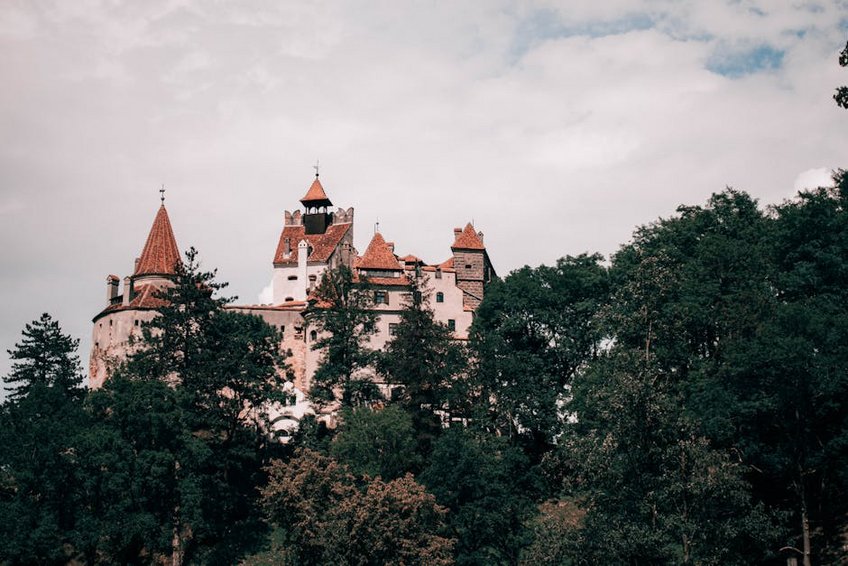
Bran Castle is the most famous, a 14th-century fortress perched on a rocky outcrop. While its Dracula connection is fictional, its museum and atmospheric rooms are worth the visit; go early or late to avoid crowds. Nearby, the majestic Peleș Castle in Sinaia is a 19th-century royal summer residence showcasing breathtaking Neo-Renaissance architecture and opulent interiors.
Corvin Castle in Hunedoara is arguably the region’s most spectacular Gothic fortress, with a massive drawbridge, towering halls, and a dramatic cliffside setting. For authentic Saxon heritage, visit the fortified churches in Biertan or Viscri. These UNESCO sites feature defensive walls and watchtowers built by villagers to withstand invasions.
Historic Saxon Towns and Cities
Sibiu, a former European Capital of Culture, charms visitors with its pastel-colored baroque buildings, large pedestrian squares, and unique “eye” roof windows. The ASTRA National Museum Complex, an open-air village museum on its outskirts, is exceptional. Brașov is famed for its Gothic Black Church, the narrow Rope Street, and the panoramic views from Mount Tâmpa, accessible by cable car.
For a smaller, equally captivating experience, explore Sighișoara. This is the birthplace of Vlad the Impaler and features a stunning, inhabited medieval citadel on a hill, complete with a clock tower and pastel houses. Cluj-Napoca, the unofficial capital, offers a more youthful, university-town vibe alongside significant Hungarian cultural landmarks.
Natural Wonders and Scenic Drives
The Transfăgărășan Highway (DN7C) is a masterpiece of engineering winding through the Făgăraș Mountains. It connects Transylvania to Wallachia and offers stunning views of Bâlea Lake and waterfall. Note it’s typically open from late June to October, depending on snow. The nearby Bâlea Glacier Ice Hotel is a unique winter attraction.
For wildlife enthusiasts, the Libearty Bear Sanctuary near Zărnești provides a ethical chance to see rescued brown bears in a large forested enclosure. The Piatra Craiului National Park offers some of the region’s best hiking trails, ranging from easy walks to challenging ridge routes, with the possibility of spotting chamois and rare flowers.
Practical Travel and Transportation Guide
Navigating the region requires some planning, as public transport between villages is limited. Most international travelers fly into Bucharest Henri Coandă Airport (OTP) or Cluj-Napoca Airport (CLJ). From there, renting a car provides the greatest freedom to explore rural areas and follow your own schedule.
Train travel is reliable between major cities like Bucharest, Brașov, Sibiu, and Cluj. Services are slower than Western European standards but are affordable and scenic. For travel beyond rail lines, local maxitaxis (shared minibuses) operate but schedules can be infrequent and challenging without Romanian language skills.
| Transportation Method | Best For | Approx. Daily Cost (USD) |
|---|---|---|
| Rental Car | Maximum flexibility, visiting villages & castles | $35 – $60 + fuel |
| Regional Train | City-to-city travel (Bucharest-Brașov-Sibiu-Cluj) | $10 – $25 per journey |
| Private Driver-Guide | Stress-free, informative multi-day tours | $150 – $300 per day |
| Local Tours (Day Trips) | Focused sightseeing from a base city like Brașov | $50 – $100 per person |