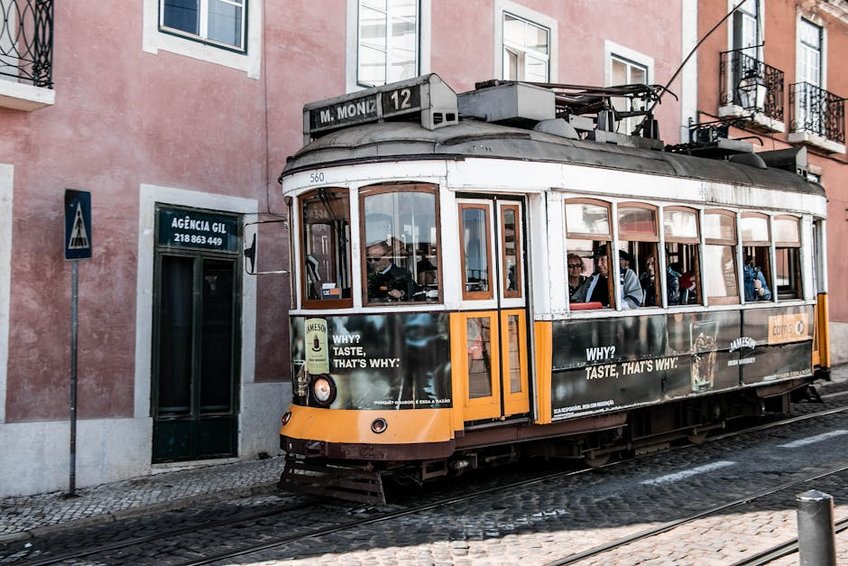
Tram Routes in Lisbon: Your Essential Guide to Navigating the City
Exploring Lisbon’s charming neighborhoods and steep hills becomes an iconic experience aboard its historic tram network. The famous yellow trams, particularly the legendary Tram 28, offer more than just transportation; they provide a moving tour through the city’s historic quarters. This guide details every route, ticket option, and insider tip to master your urban adventure efficiently and affordably, transforming your sightseeing into a seamless journey.
Essential Lisbon Tram Network Information
Lisbon’s tram system is operated by Carris and consists of six historic lines navigating the city’s oldest districts. These iconic Remodelado trams, many dating from the 1930s, are specifically designed for Lisbon’s narrow, winding streets and significant gradients. While modern light rail and bus networks handle most daily commutes, these vintage trams serve as a vital tourist attraction and a functional link between key landmarks.
The network’s appeal lies in its ability to access areas where modern buses cannot go, connecting Alfama, Graça, and Baixa with a nostalgic charm. Understanding the distinction between the historic wooden trams and the modern articulated trams on Line 15 is crucial for planning. Each line offers a unique perspective on the city’s topography and architectural heritage, making a ride an integral part of the Lisbon experience.
Key Tram Lines and Their Destinations
Each line serves a distinct purpose, connecting major sights with residential neighborhoods. Knowing which tram to catch saves considerable time and walking.
- #12 (Praça da Figueira → Martim Moniz): A short but scenic circular route around the castle hill, perfect for connecting downtown squares with the Mouraria district without a steep climb.
- #15E (Praça da Figueira ↔ Algés): A modern, high-capacity line running along the riverfront to Belém, essential for visiting the Jerónimos Monastery and Belém Tower. It is often crowded but frequent.
- #18 (Cais do Sodré ↔ Ajuda): Connects the transportation hub at Cais do Sodré to the Ajuda neighborhood and National Palace, offering a quieter alternative to reach western points.
- #24 (Praça Luís de Camões ↔ Campolide): Winds through the chic Príncipe Real district and up to the Campolide area, providing access to beautiful gardens and viewpoints away from the main tourist flow.
- #25 (Praça da Figueira ↔ Campo de Ourique): A less-touristy alternative that runs from downtown to the local market and dining scene in Campo de Ourique, favored by residents.
- Budget (Under $35): Rely on the €6.60 24-hour transport pass for unlimited tram, bus, and Metro travel. Walk between closer stops in districts like Baixa and take only essential rides. Enjoy the free views from the tram windows as your tour.
- Mid-Range ($35-$80): Utilize multi-day transport passes and combine tram rides with paid attractions like the Santa Justa Lift. Consider a dedicated tram tour for historical commentary. Enjoy lunch at stops along the routes, like in Campo de Ourique.
- Luxury ($80+): Book a private, guided historical tram tour for an exclusive experience. Use taxis or ride-shares for inconvenient segments, saving tram rides for photography and leisure. Stay in a central hotel like in Chiado for easy walk-on access to multiple lines.
- Carris Official Transport Website
- Visit Lisboa Official Tourism Board
History and Cultural Significance
Electric trams first arrived in Lisbon in 1901, revolutionizing city transport. The iconic yellow Remodelado trams, still in service today, were introduced in the 1930s. They have since become an inseparable symbol of the city’s identity, featuring in countless films and postcards.
Their survival is a testament to practical engineering; their small size and unique articulation allow them to navigate tight corners on hills where modern vehicles would fail. Riding these trams is not merely about getting from point A to point B. It is a journey into living history, offering a tangible connection to Lisbon’s 20th-century urban life.
Navigating the Ticketing System
Lisbon uses an integrated Viva Viagem card for all public transport. A single tram ride costs €3.00 when purchased onboard from the driver. For unlimited travel, the 24-hour Carris/Metro public transport pass for €6.60 offers far better value.
Simply tap the reusable card when boarding. If planning multiple tram journeys, the pass pays for itself quickly. Always validate your card at the machine inside the tram, even with a pass, to avoid a fine. Purchasing the card at a Metro station before your first tram ride is the most cost-effective strategy.
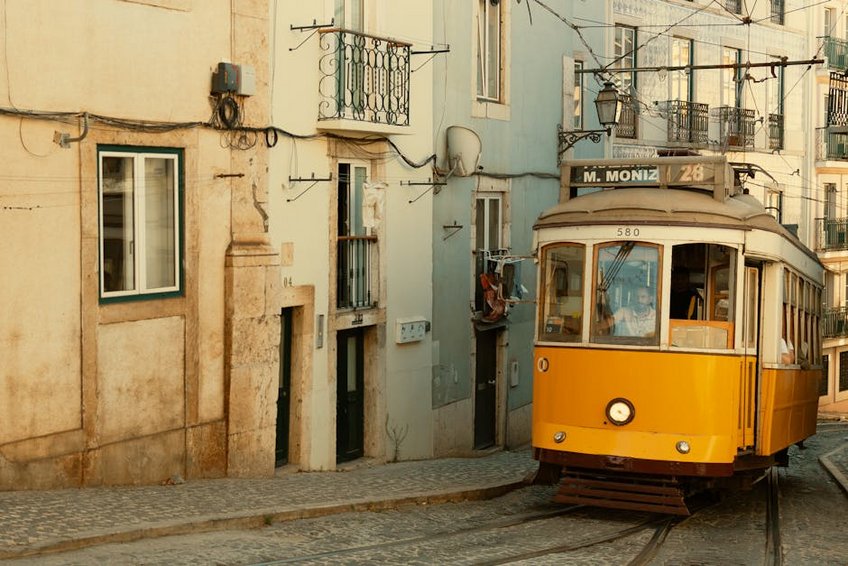
Alt: “historic-yellow-tram-28-lisbon-narrow-street-alfama”
Tram Routes in Lisbon – Planning Your Ride
Successfully navigating the tram system requires strategic timing and route selection. The most famous route, Tram 28, is perpetually crowded, making early morning or late evening rides more pleasant. For practical transportation, lines like the #15E to Belém or the #12 loop are often more efficient for reaching specific destinations without the queues.
Your exploration of Lisbon’s tram routes should balance iconic experience with logistical sense. Allocate a full day to ride multiple lines leisurely, hopping off at intriguing stops. Purchase your Viva Viagem card in advance and load it with a 24-hour pass to maximize flexibility. This approach turns transit into a highlight rather than a hassle.
Focus on the experience each line offers: #28 for historic core views, #15E for riverfront travel, and #12 for a quick hilltop connector. Check real-time tracking on the Carris website or app to minimize wait times. Knowing the peak tourist hours, typically from 10:00 AM to 5:00 PM, helps you plan a smoother journey.
Best Time to Ride the Trams
The optimal months for tram exploration are April-June and September-October. During these shoulder seasons, daytime temperatures range from 65-75°F (18-24°C) and crowds are thinner. July and August see intense heat, often exceeding 86°F (30°C), making crowded trams uncomfortable.
For daily timing, board Tram 28 before 8:30 AM or after 7:00 PM to experience it with fewer passengers. Weekdays are always less busy than weekends. The trams operate from approximately 6:00 AM to 11:00 PM, with evening rides offering beautifully lit views of the city’s hillsides.
Budget Planning and Costs
Costs can vary based on how extensively you use the network. Here’s a typical budget breakdown.
Essential Preparation Checklist
Wear comfortable, non-slip shoes for stability on the moving trams and for exploring stops. Carry a refillable water bottle, especially in summer, as trams can get hot. A secure cross-body bag or money belt is non-negotiable to protect against pickpockets in crowded carriages.
Ensure your phone is charged with offline maps (Google Maps works well) and the ‘Carris’ app installed for live tracking. Have small euro coins or your pre-purchased Viva Viagem card ready before boarding. If prone to motion sickness, take preventative measures, as the routes are exceptionally winding and hilly.
Top Attractions Accessible by Tram
Lisbon’s trams deliver you directly to postcard-perfect viewpoints and historic monuments. The network turns transit into a sightseeing activity itself, with each line curating a unique visual tour. From hilltop castles to riverside monuments, the city’s greatest hits are conveniently linked by these iconic vehicles.
Planning your day around tram stops minimizes exhausting uphill walks. You can efficiently connect the Sé Cathedral, São Jorge Castle, and the Miradouro da Graça viewpoint using just a couple of lines. This approach conserves energy for exploring the destinations themselves rather than the journeys between them.
Must-See Highlights on the Network
Starting point for Tram 28 at Praça Martim Moniz offers a multicultural market square. Disembark at the Largo da Graça stop for the stunning Miradouro da Graça, a terrace with panoramic city views, best visited in the late afternoon light.
The Sé Cathedral is a short walk from the tram line through Alfama’s alleyways. In Belém, the #15E stops directly in front of the monumental Jerónimos Monastery. A single tram line can connect these distant landmarks in under 45 minutes, showcasing the system’s efficiency.
Hidden Gems and Local Favorites
Take Tram #25 to its final stop at Campo de Ourique for a visit to the Mercado de Campo de Ourique, a local food hall less crowded than Time Out Market. The #24 tram passes through the elegant Príncipe Real district, home to the beautiful Jardim do Príncipe Real and unique concept stores.
Hop off Tram #28 at Rua Escolas Gerais for a quiet stroll along one of Alfama’s most picturesque streets, away from the main tourist path. These stops offer authentic slices of Lisbon life, providing a respite from the more congested central hubs.
Photography Tips from the Trams
For clear shots, stand near a window and use a fast shutter speed (1/500s or faster) to freeze motion. The best light for photography inside the trams is mid-morning or late afternoon when the sun casts dramatic shadows through the windows.
Focus on capturing candid moments of daily life and the changing cityscapes through the window frames. Iconic shots include the tram winding past the Sé Cathedral or climbing a steep, narrow lane. Remember to be respectful of other passengers while taking photos.
Practical Travel and Navigation Information
Navigating Lisbon’s transit requires understanding the hierarchy of options. The historic trams are perfect for specific scenic or historic routes, while modern trams, buses, and the Metro are faster for direct point-to-point travel. Combining them is key to efficient exploration.
Accommodation located near a tram line, particularly in areas like Baixa, Alfama, or along the #15E route, adds tremendous convenience. This allows for easy morning departures and simple returns after a long day of sightseeing, eliminating complex transfer logistics.
| Transport Type | Best For / Key Features | Price Range (USD) |
|---|---|---|
| Historic Tram (e.g., #28) | Sightseeing, hilltop access, iconic photos. Frequent stops, often crowded. | $3.30 (single ride) or included in 24-hr pass ($7.20) |
| Modern Tram (Line 15E) | Fast travel to Belém monuments. High capacity, air-conditioned. | Same fare as historic trams |
| Lisbon Metro | Speed between districts (e.g., Airport to downtown). Not scenic. | Included in same Viva Viagem card/pass |
| Ride-Share/Taxi | Late-night travel, direct routes with no stops. Door-to-door convenience. | $8-$20 for cross-city trips |