Temple Tour in Kyoto: Your Complete Cultural Journey Guide
Kyoto, once Japan’s imperial capital, offers one of the world’s most profound temple tours through its serene gardens, historic pagodas, and deep cultural traditions. A proper temple tour in Kyoto connects you with over a thousand years of Japanese history, from the iconic golden pavilion of Kinkaku-ji to the quiet meditation halls of lesser-known sanctuaries. This guide provides the specific planning, seasonal timing, and cultural insights needed to navigate the city’s spiritual landscape thoughtfully and efficiently, ensuring your pilgrimage is both enlightening and logistically smooth.
Kyoto’s Temple Landscape: Essential Information
Kyoto’s temples are not monolithic; they represent distinct Buddhist sects, architectural styles, and historical periods, spread across distinct city districts. The city houses over 1,600 temples, each offering a unique perspective, from the Zen rock gardens of Ryoan-ji to the vibrant vermilion gates of Fushimi Inari Shrine. Understanding this diversity helps you curate an itinerary that matches your interests, whether they lie in garden design, history, or spiritual practice.
Many of these religious sites were founded during the Heian period (794-1185) when Kyoto was the heart of Japanese power and culture. This long history means a single visit can encompass everything from ancient Nara-period architecture to Edo-period painting masterpieces. The temples serve as living museums, preserving art, rituals, and landscaping techniques that define Japanese aesthetics.
Understanding Buddhist Sects and Styles
Your experience will differ greatly depending on the temple’s sect. Knowing the basics enriches the visit.
- Zen Temples (Rinzai & Soto): Emphasize meditation (zazen) and minimalist karesansui (dry landscape) rock gardens designed for contemplation, like those at Daitoku-ji and its sub-temples.
- Tendai & Shingon (Esoteric Buddhism): Feature elaborate rituals, mandalas, and often mountainous locations like Enryaku-ji on Mount Hiei, offering sweeping views alongside spiritual intensity.
- Pure Land Buddhism (Jodo): Showcases grand, ornate architecture designed to represent the Western Paradise, as seen in the majestic Phoenix Hall of Byodo-in in nearby Uji.
- Budget Traveler ($40-60/day): Covers 2-3 temple entries ($4-7 each), bus/subway pass ($12), simple meals (ramen/bento for $15), and a hostel dorm. Focus on free gardens and neighborhoods like Higashiyama’s preserved streets.
- Mid-Range Traveler ($100-180/day): Allows for 3-4 major temples, a guided half-day walking tour ($40-60), comfortable hotel/ryokan stay ($80-120), and nice sit-down meals. This tier offers the best balance of comfort and experience.
- Luxury Traveler ($300+/day): Includes private guide ($200+), premium kaiseki meals, stays in high-end ryokans or boutique hotels, and exclusive after-hours temple access or specialized cultural workshops like calligraphy or tea ceremony.
- Official Kyoto Travel Guide
- Japan Guide: Kyoto Temples & Shrines
The Five Great Zen Temples of Kyoto
Known as the “Kyoto Gozan,” this network represents the pinnacle of Zen culture and political influence from the Muromachi period. Visiting them offers a focused journey into Zen philosophy, architecture, and garden design. Tenryu-ji in Arashiyama, for instance, features a stunning landscape garden created by the famous designer Muso Soseki.
Nanzen-ji, another of the five, is famous for its imposing Sanmon gate and aqueduct, blending spiritual and historical significance. Exploring these temples systematically reveals the development of Zen aesthetics and its integration with Kyoto’s natural scenery. You can easily spend half a day at a major temple complex and its subtemples.
World Heritage Sites and Preservation
Seventeen properties in Kyoto, including 13 temples and shrines, are collectively designated as a UNESCO World Heritage Site. This designation ensures their preservation but also means they are popular. The “Historic Monuments of Ancient Kyoto” include Kiyomizu-dera, Nijo Castle, and the Kamigamo Shrine.
Visiting these sites supports ongoing conservation but requires strategic timing. Arriving at opening time or during late afternoon on weekdays helps avoid the largest crowds. Remember, these are active religious sites, so quiet respect is always required.
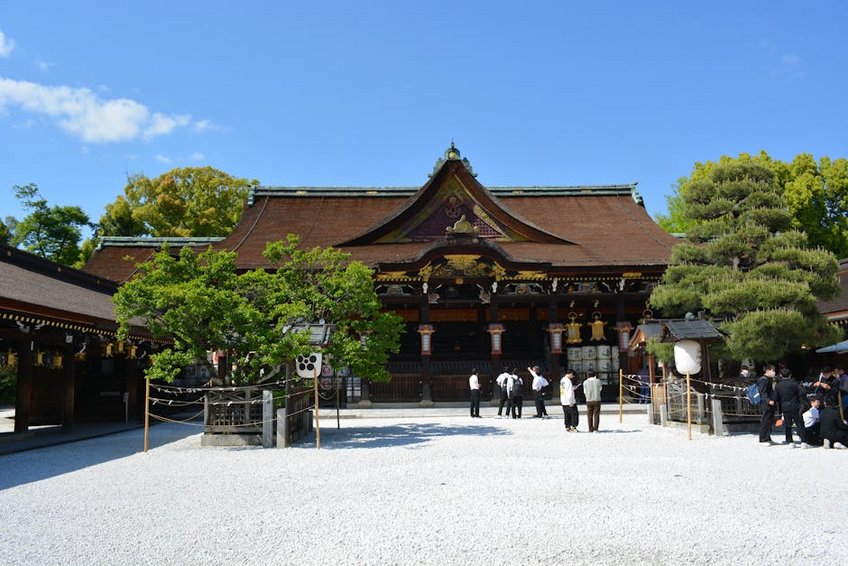
Alt: “kiyomizu-dera-wooden-stage-kyoto-hillside-view”
Temple Tour in Kyoto – Strategic Planning Your Visit
Crafting a successful Kyoto temple itinerary requires balancing iconic must-sees with personal pacing to avoid “temple fatigue.” Group temples geographically to minimize travel time; for example, explore Kinkaku-ji (Golden Pavilion) and Ryoan-ji in Northwest Kyoto on the same morning. Allocate at least 90 minutes for major temples and 30-45 minutes for smaller ones.
Consider purchasing a one-day or two-day Kyoto City Bus & Subway Pass for unlimited travel, as many temples are best reached by bus. For a truly immersive temple tour in Kyoto, budget allows, incorporate a temple stay (shukubo) at a place like Myoren-ji or Tenryu-ji for morning meditation with monks. This transforms a simple visit into a deep cultural experience.
Finally, always check for special night openings (light-up events) during cherry blossom and autumn foliage seasons, which offer a completely different, often less crowded, atmosphere. These require separate tickets and advance booking, but the illuminated gardens and buildings are unforgettable.
Best Time to Visit Kyoto’s Temples
The ideal months are late March to early April for cherry blossoms and late October to November for brilliant autumn colors, with temperatures ranging from 50-70°F (10-21°C). These peak periods offer stunning natural backdrops but come with significant crowds; book accommodations 6-8 months in advance.
Excellent shoulder seasons include May-June (before the rainy season) and September-early October, offering pleasant weather and thinner crowds. Winter (December-February), while cold at 35-50°F (2-10°C), provides a stark, quiet beauty, occasional snow-dusted roofs, and the shortest queues, perfect for contemplative visits.
Budget Planning and Costs
Temple entrance fees, transportation, and guided tours form the core costs. Here’s a realistic daily budget breakdown.
Essential Preparation Checklist
Pack comfortable, slip-on shoes as you’ll remove them frequently inside temple halls. Bring cash (Japanese yen), as many smaller temples and donation boxes do not accept credit cards. A small towel or handkerchief is useful for the ritual hand washing (temizuya) at entrances.
Ensure you have adequate travel insurance covering medical care. Learn a few basic Japanese phrases like “sumimasen” (excuse me) and “arigato gozaimasu” (thank you). Download offline maps and a translation app, as English signage varies. Finally, carry a reusable water bottle and a plastic bag for your shoes when you need to carry them.
Top Temple Districts and Iconic Attractions
Kyoto’s temples cluster in distinct geographical areas, each with its own character. Northern Kyoto (Kitayama) is home to the majestic Kinkaku-ji and the rock garden of Ryoan-ji. Eastern Kyoto (Higashiyama) features the famous wooden stage of Kiyomizu-dera and the philosopher’s path connecting numerous smaller temples.
Western Kyoto (Arashiyama) offers the bamboo grove and the World Heritage site Tenryu-ji. Central Kyoto holds the imposing Nijo Castle. Focusing on one district per day minimizes transit time and creates a coherent thematic experience, whether it’s Zen philosophy, Heian-era grandeur, or scenic mountain views.
Must-See Temple Highlights
Kinkaku-ji (Golden Pavilion): This Zen temple covered in gold leaf, reflected in a mirror pond, is Kyoto’s most iconic image. Visit early to see it in softer light with fewer crowds. The surrounding strolling garden is also exquisite.
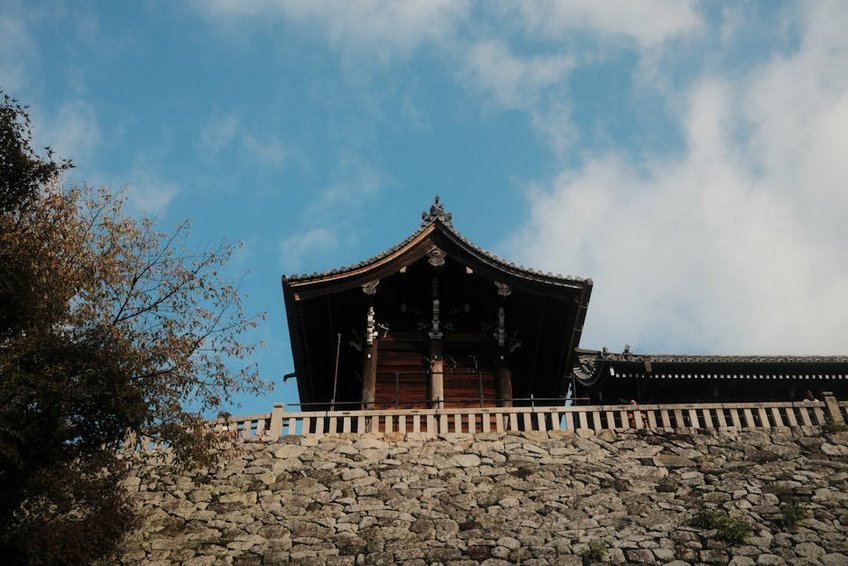
Kiyomizu-dera: Famous for its massive wooden stage projecting over the hillside, offering panoramic city views. The temple complex is vast; explore the Otowa Waterfall and the adjacent historic streets of Sannenzaka and Ninenzaka.
Fushimi Inari Taisha: Known for its thousands of vibrant red torii gates forming tunnels up Mount Inari. For a quieter experience, start your hike early (before 8 AM) or later in the afternoon to avoid the peak crowds on the lower paths.
Hidden Gems and Local Favorites
Venture beyond the top ten list to places like Gio-ji in Arashiyama, a tiny temple famous for its mesmerizing moss garden and thatched-roof hall, creating a profoundly peaceful atmosphere. Another is Shisen-do, a secluded hermitage in Northern Higashiyama with a perfectly railed garden and soundscape of running water, beloved by locals for contemplation.
For a unique experience, visit Koto-in, a subtemple within Daitoku-ji. Its simple approach through a bamboo grove leads to a stunning maple tree and stone garden, often empty compared to its famous neighbors. These spots offer the serene, personal connection many seek in a Kyoto temple visit.
Zen Garden Exploration
Zen gardens, or karesansui, are abstract landscapes of raked gravel, moss, and strategically placed rocks designed to aid meditation. The most famous is at Ryoan-ji, where 15 rocks are arranged so you can never see all at once from any vantage point. Daitoku-ji’s Zuiho-in subtemple features a garden with a hidden Christian cross, a fascinating historical artifact.
To fully appreciate these gardens, sit quietly on the viewing veranda for 10-15 minutes, allowing your mind to settle. The experience is about perception and introspection, not just a quick photo. Different times of day change the light and shadow play dramatically.
Practical Travel Information and Logistics
Navigating Kyoto is efficient via its bus and subway network. The bus system is most useful for reaching temples, but can be crowded. The subway (Karasuma and Tozai Lines) is faster for north-south and east-west travel. Taxis are a viable option for small groups visiting multiple spots in a single district.
Accommodation choices greatly affect your experience. Staying in a traditional ryokan in Gion or Higashiyama immerses you in the historic atmosphere, while modern hotels near Kyoto Station offer convenience for day trips. Book any temple lodgings (shukubo) well in advance, as spaces are very limited.
| Accommodation Type | Best For / Features | Price Range (USD/Night) |
|---|---|---|
| Budget Hostel / Guesthouse | Solo travelers, social atmosphere, basic amenities, central locations like near Kyoto Station. | $25 – $60 |
| Business Hotel | Efficiency, cleanliness, small but functional rooms, often near transit hubs. | $70 – $130 |
| Traditional Ryokan | Cultural immersion, tatami rooms, kaiseki meals, onsen baths, locations in Gion or Arashiyama. | $200 – $500+ |
| Temple Stay (Shukubo) | Unique spiritual experience, morning meditation, vegetarian shojin ryori meals, serene settings. | $80 – $150 per person |