Spain Seville Semana Santa Celebrations: A Traveler’s Essential Guide
Experiencing the Semana Santa in Seville places you at the heart of Spain’s most profound cultural spectacle, a week where centuries-old devotion transforms the city’s streets into a living, breathing tableau of history and emotion. This Holy Week celebration involves over 60 brotherhoods parading elaborate pasos, or floats, in solemn processions that weave from neighborhood churches to the Cathedral, accompanied by the haunting sound of saetas and marching bands. Your visit requires understanding the intricate schedule, securing strategic viewpoints, and respecting the deep local traditions that define this unique event.
Essential Information About Semana Santa
Semana Santa, or Holy Week, is the annual Christian commemoration of the Passion of Jesus Christ, culminating in Easter Sunday. In Seville, this tradition dates back to the 16th century and is organized by religious brotherhoods known as cofradías. These fraternities, often based in local parishes, spend the entire year preparing for their designated procession day and time, which is fixed by the Coordinating Council of Brotherhoods.
The processions feature two main types of floats: pasos depicting scenes of the Passion and dolorosas showing the Virgin Mary in mourning. Each massive structure is carried on the necks of costaleros, teams of 30 to 50 men hidden beneath drapes who move with synchronized, swaying steps. The atmosphere shifts from somber silence during certain moments to spontaneous outbursts of sacred song, creating a powerful emotional arc throughout the week.
Key Dates and Chronology of Events
Holy Week follows the lunar calendar, so dates change yearly, typically falling in late March or April. The official schedule, or horario, is published months in advance by the Council of Brotherhoods, detailing the exact exit and return times for all 60+ processions.
- Palm Sunday (Domingo de Ramos): The week begins with festive olive and palm branches, featuring iconic processions like La Borriquita from the San Gregorio church and El Amor from the San Vicente neighborhood.
- Holy Wednesday (Miércoles Santo): This marks the start of the most intense nights, with major brotherhoods like El Cristo del Buen Fin and Los Panaderos processing into the early morning hours under dramatic illumination.
- Good Friday (Viernes Santo): The most solemn day, featuring the revered El Silencio brotherhood, which processes in complete silence at midnight, and La Macarena, whose Virgin is one of Seville’s most beloved icons.
- Easter Sunday (Domingo de Resurrección): The week concludes with celebratory morning processions marking the Resurrection, offering a contrasting tone of joy and renewal.
- Budget Traveler ($800-$1,200): Stay in a hostel or budget hotel outside the historic center, use public transport, watch processions from public streets, and eat mainly at tapas bars. This covers a dorm bed ($40-70/night), daily food budget ($35), and local transit.
- Mid-Range Traveler ($1,800-$2,800): Book a central 3-star hotel or apartment 6+ months ahead ($150-250/night), purchase a reserved balcony seat for one major procession ($80-150), enjoy sit-down meals, and use taxis. This offers comfort and guaranteed viewing for key moments.
- Luxury Traveler ($4,000+): Reserve a room with a balcony overlooking a main route like Calle Sierpes ($400-700/night), hire a private guide for context and access ($300/day), dine at top restaurants, and have a chauffeur navigate closed streets. This provides the ultimate seamless and insightful experience.
- Seville Official Tourism Board – Holy Week Guide
- Spain.info – National Holy Week Information
The Brotherhoods and Their Significance
Each cofradía is a micro-community with its own history, social composition, and distinctive regalia including tunics, hoods, and candles. Membership is often multigenerational, with families participating for centuries. The nazarenos, or penitents, who walk in the processions wear conical hoods called capirotes, a tradition that historically allowed for anonymous penitence.
Their role is not merely ceremonial; they maintain the brotherhood’s chapel, fund the processions, and perform charitable works year-round. Watching a procession offers insight into Seville’s social fabric, as you witness doctors, students, and shopkeepers marching side-by-side in shared devotion. The identity of the costaleros remains a closely guarded secret until they emerge, exhausted, at the journey’s end.
Understanding the Procession Route and Etiquette
All processions follow a designated route from their home church to the Cathedral and back, passing through the official review stand at Calle Sierpes and Plaza de la Campana. The journey to the Cathedral is called the ida, and the return is the vuelta. Certain points, like the narrow entrance to the Cathedral known as the Puerta de la Campanilla, present dramatic logistical challenges.
As a spectator, respectful behavior is paramount. Dress modestly, maintain silence during solemn moments, and never cross between the marching nazarenos or the floats. Clapping is reserved only for exceptionally skilled saeta singers or moving passages. Remember, you are observing a religious ritual, not a performance for tourists.
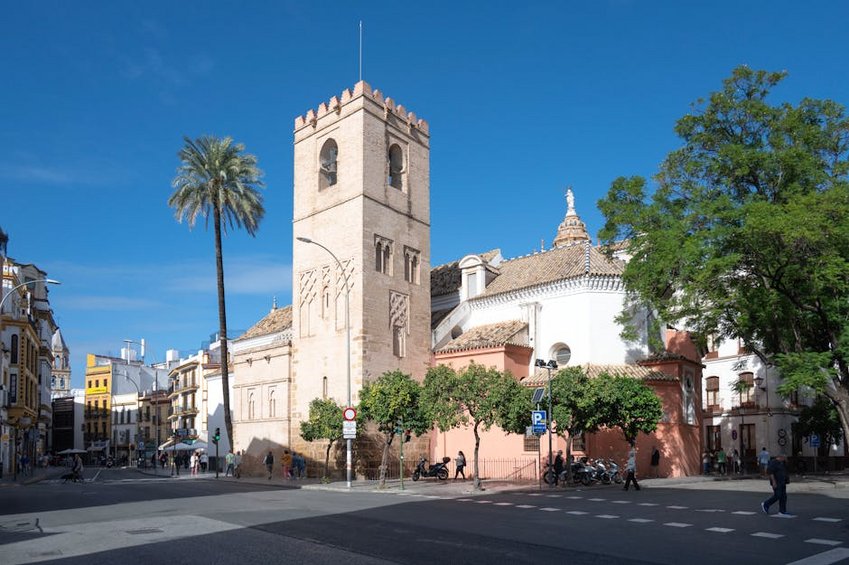
Alt: “seville-holy-week-procession-nazarenos-cathedral-square-night”
Spain Seville Semana Santa Celebrations – Planning Your Trip
Attending these celebrations demands careful planning far beyond a typical city break. Accommodations in the city center sell out six to nine months in advance, with prices often doubling or tripling. You must decide whether to focus on the grand processions near the Cathedral or explore neighborhood departures for a more intimate experience. Flexibility is key, as processions can run hours behind schedule due to their immense size and the physical strain on the carriers.
Your budget should account for premium hotel rates, reserved seating if desired, and the cost of dining in a city operating at peak capacity. Many restaurants offer special Semana Santa menus, and tapping bars between processions becomes part of the ritual. Purchasing a detailed guidebook or program, called a cartel, upon arrival will be your most valuable tool for navigation and understanding.
Ultimately, a successful visit hinges on balancing scheduled viewing with spontaneous discovery, allowing the rhythm of the week to guide you. Pack comfortable shoes for standing on cobblestones for hours and a light jacket for cool spring evenings.
Best Time to Visit and Seasonal Considerations
The ideal window for attending Semana Santa spans the week itself, from Palm Sunday to Easter Sunday, with the most intense and famous processions occurring from Holy Wednesday through Good Friday. Weather in Seville during this period is generally mild, with daytime highs averaging 68-75°F (20-24°C) and nighttime lows around 50-59°F (10-15°C), though occasional rain can occur.
Shoulder season visits in the weeks before or after offer a quieter city but miss the main event. If you cannot secure accommodations for the peak week, consider staying in nearby towns like Carmona or Utrera and commuting by train for key days. The official dates for upcoming celebrations are published years in advance, allowing for long-term planning.
Budget Planning and Costs
Costs vary dramatically based on accommodation type and viewing preferences. Here’s a realistic breakdown for a 5-day trip.
Essential Preparation Checklist
Begin preparations by booking flights and lodging as soon as dates are confirmed, ideally 8-12 months prior. Secure travel insurance that covers trip interruption, as plans may shift due to weather or fatigue. EU/US passport holders don’t need a visa for stays under 90 days, but ensure your passport is valid for at least three months beyond your departure date.
Pack layered clothing for variable temperatures, with dark or subdued colors recommended out of respect. Absolutely essential are comfortable, broken-in walking shoes, a portable phone charger, a refillable water bottle, and a small foldable stool if you plan on claiming street-side spots early. Download offline maps and the official Semana Santa app for real-time procession tracking.
Top Experiences and Processional Highlights
Beyond simply watching, immerse yourself by visiting brotherhood churches to see the pasos up close before they depart. The Basilica of La Macarena and the Church of San Lorenzo, home to El Gran Poder, are must-visits. Attend a saeta singing contest or listen for the spontaneous, emotional saetas cried from balconies during processions.
Explore the complementary world of Semana Santa cuisine, trying traditional sweets like torrijas (fried bread soaked in milk) and pestiños (honey-coated pastries). Visit a capirote workshop to see the hoods being made or a costalero training session to appreciate the immense physical preparation involved.
Must-See Processions and Brotherhoods
La Macarena on Good Friday morning is arguably the most famous, featuring the Virgen de la Esperanza Macarena, whose jeweled tears and profound sorrow move thousands. El Silencio on late Thursday night processes in utter silence, broken only by the rhythmic drag of chains worn by penitents, creating an atmosphere of unparalleled gravity.
La Esperanza de Triana crosses the Guadalquivir River via the Isabel II Bridge at dawn on Good Friday, a breathtaking scene as the first light hits the Virgin’s canopy. For sheer spectacle, Los Gitanos on Holy Thursday night features dramatic saetas and a passionate following. Each offers a distinct window into Sevillian faith and artistry.
Hidden Gems and Local Viewpoints
Skip the crowded Cathedral area for neighborhood church departures, or salidas. Watching a paso exit its chapel, maneuvering through the narrow parish streets with pinpoint precision, is a raw and authentic experience. The Alameda de Hércules area offers more space and a lively, local crowd.
Locals often watch the vuelta, or return journey, which is less crowded but equally emotional as the costaleros push exhausted toward home. For a unique perspective, find a spot near a steep hill like Calle Mármoles to witness the incredible strength and coordination required to lift the multi-ton floats.
The Art of the “Paso” and Musical Accompaniment
Each paso is a moving museum piece, often featuring sculptures by master artists like Juan de Mesa or Martínez Montañés from the 17th century. The intricate silverwork, embroidered drapes, and floral arrangements are artistic treasures. The marching bands, or bandas, provide the solemn soundtrack, with specific marches composed for each brotherhood.
The most poignant musical moment is the saeta, a deeply emotional, flamenco-style prayer sung a cappella from a balcony to a passing Virgin. This unplanned, raw expression of devotion often brings the entire procession to a halt and remains a highlight for many visitors.
Practical Travel Information for Seville
Navigating Seville during Holy Week requires strategy, as the entire city center becomes a pedestrian zone with constantly shifting street closures. The local transit authority, TUSSAM, publishes special bus rerouting maps. Taxis are scarce and expensive near procession routes; walking is always the most reliable option between viewing points.
Accommodation choices define your experience. Staying within the historic center puts you in the middle of the action but requires accepting noise and crowds 24/7. Opting for a place across the river in Triana offers a slightly quieter base with excellent local processions and easy walking access to the center via bridges.
| Accommodation Type | Best Areas & Features | Price Range/Night (USD) |
|---|---|---|
| Luxury Hotel | Santa Cruz, Avenida de la Constitución. Balcony views, concierge service for seat tickets. | $350 – $700+ |
| Mid-Range Hotel | El Arenal, Museo. Central location, modern amenities, often fully booked early. | $180 – $350 |
| Apartment Rental | Triana, La Macarena. More space, kitchen, local neighborhood feel. | $120 – $300 |
| Budget Hostel/Pension | Near Plaza de Armas station, Alameda. Basic lodging, social atmosphere, book extremely early. | $40 – $120 |