Spain Camino de Santiago Pilgrimage: Walking the Ancient Pilgrim Path
The Spain Camino de Santiago pilgrimage represents an eight-century-old tradition blending spiritual reflection with physical endurance across northern Spain’s diverse landscapes. You will traverse Roman roads, medieval villages, and rolling countryside while earning the Compostela certificate upon completing 100 kilometers. This guide covers route selection, budget planning, cultural immersion, and practical logistics for modern pilgrims.
Essential Camino de Santiago Information
The Way of St. James began in the 9th century after the discovery of Apostle James’ remains in Santiago de Compostela. European Christians established walking routes from their homelands, creating Europe’s first cultural itinerary recognized by UNESCO. Modern pilgrims continue this tradition for religious, cultural, or personal growth reasons.
Historical Significance and Modern Relevance
Medieval pilgrims walked the Camino seeking indulgences and spiritual cleansing during challenging times. The route’s popularity declined until the late 20th century when cultural rediscovery and improved infrastructure revived interest. Today, over 300,000 people annually complete various Camino routes with diverse motivations.
Primary Pilgrimage Routes Overview
Several established paths lead to Santiago Cathedral, each offering distinct landscapes and difficulty levels.
- Camino Francés: The French Way spans 780 kilometers from St-Jean-Pied-de-Port through Pamplona, Burgos, and León with well-developed infrastructure and social opportunities.
- Camino Portugués: The Portuguese Route runs 620 kilometers from Lisbon or 240 kilometers from Porto featuring coastal sections, vineyards, and historic towns.
- Camino del Norte: The Northern Route follows 825 kilometers along Spain’s Cantabrian coast with challenging elevation changes and spectacular sea views.
- Budget pilgrim experience costs $25-40 daily using municipal albergues ($5-15), supermarket meals, and minimal entertainment with total three-week Camino Francés costing $600-900.
- Mid-range comfort budget runs $50-75 daily combining private albergues ($15-25), restaurant meals, luggage transport ($5-10 daily), and occasional hotel stays totaling $1,200-1,800 for full French Way.
- Luxury supported journey averages $100-150 daily featuring hotel accommodations, guided tours, premium restaurants, and private transfers reaching $2,500-3,500 for complete pilgrimage experience.
- Official Pilgrim’s Reception Office
- Camino de Santiago Forum
Pilgrim Credentials and Compostela Certificate
Your pilgrim passport gets stamped at accommodations, churches, and cafes along the route as proof of journey completion. The Compostela certificate requires walking at least 100 kilometers or cycling 200 kilometers to Santiago with stamped credentials. Request this Latin document at the Pilgrim Office near the cathedral after verifying your travel motives.
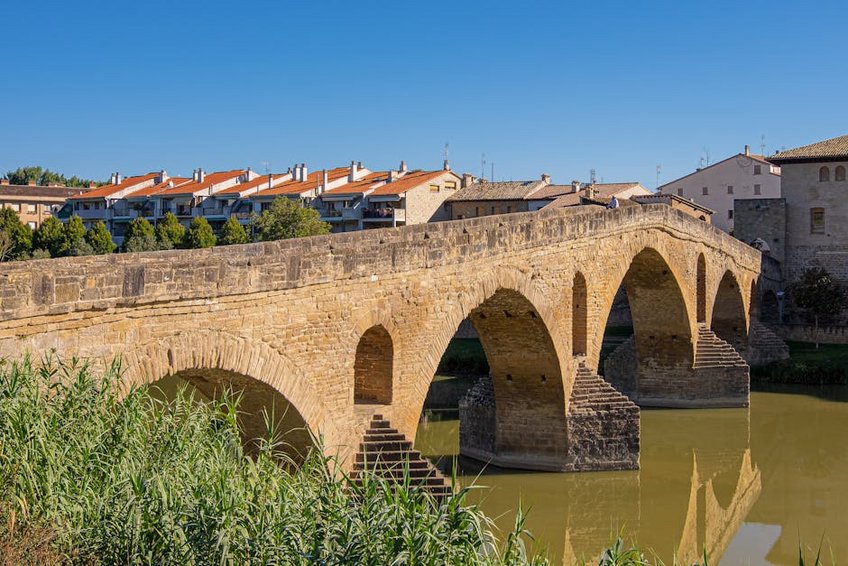
Alt: “camino-de-santiago-pilgrim-walking-french-route-landscape”
Spain Camino de Santiago Pilgrimage – Planning Your Journey
Successful Spain Camino de Santiago pilgrimage planning involves selecting appropriate routes, timing your walk for optimal conditions, and preparing physically for daily distances. You should research accommodation options along your chosen path and understand credential requirements before departure. Budget considerations range from basic pilgrim hostels to private hotel accommodations depending on comfort preferences.
Best Time to Walk the Camino
Spring months from April through June provide mild temperatures between 55-75°F (13-24°C) with blooming landscapes and manageable crowd levels. Autumn walking from September to October offers similar conditions with harvest festivals and comfortable hiking weather before winter rains arrive. Summer months see crowded albergues and temperatures reaching 85°F (29°C) while winter brings limited services and potential route closures.
Budget Planning and Costs
Your daily expenses vary significantly based on accommodation choices and dining preferences.
Essential Preparation Checklist
Break in hiking shoes over several weeks and test your backpack with 10-15% body weight during training walks of increasing distance. Secure travel insurance covering hiking activities and potential medical evacuation from remote sections along the route. Book initial accommodation for the first two nights while remaining flexible for subsequent stops based on daily walking performance.
Top Attractions and Camino Experiences
The Camino Francés features iconic landmarks like the iron cross at Cruz de Ferro where pilgrims leave stones symbolizing burdens. You will encounter Romanesque architecture in Burgos Cathedral, Gothic masterpieces in León, and modern art installations throughout rural sections. Natural highlights include the Pyrenees crossing, Rioja vineyards, and Galician forests approaching Santiago.
Must-See Cultural and Historical Sites
Pamplona’s cathedral city walls and Ernest Hemingway connections provide fascinating historical context beyond running of the bulls season. The Burgos Cathedral represents Spanish Gothic architecture at its finest with elaborate facades and numerous chapels requiring two-hour visits. León’s stained-glass windows in Santa María de León Cathedral create breathtaking light displays during morning prayer services.
Hidden Gems and Local Encounters
Villages like Rabanal del Camino maintain medieval atmosphere with monk-led vespers services and simple pilgrim accommodations off main tourist routes. The Galician hamlet of O Cebreiro features prehistoric pallozas (stone huts) and spectacular mountain views often missed by hurried walkers. Local farmers sometimes offer fresh cheese samples and conversation near Morgade where simple stone fountains provide perfect resting spots.
Spiritual and Reflective Moments
Sunrise walks through misty Galician valleys create profound moments of solitude and connection with nature’s rhythms. Evening pilgrim blessings in smaller village churches offer intimate ceremonies regardless of religious affiliation. The final approach to Santiago Cathedral culminates in Plaza del Obradoiro where emotions overflow upon completing this transformative journey.
Practical Camino Travel Information
Navigation along marked routes uses yellow arrows and scallop shell symbols on trees, posts, and buildings with detailed guidebooks as backup. You can transport luggage between accommodations through services like Jacotrans or Correos for $5-10 daily if preferring daypack-only walking. Mobile coverage remains reliable along most routes with pilgrim-specific apps providing real-time accommodation availability.
| Accommodation Type | Features and Services | Price Range (USD) |
|---|---|---|
| Municipal Albergues | Basic dormitory beds, kitchen access, pilgrim atmosphere, first-come basis | $5-15 nightly |
| Private Hostels | Reserved beds, better facilities, often include breakfast, laundry services | $15-30 nightly |
| Hotels and Guesthouses | Private rooms, en-suite bathrooms, restaurant meals, luggage storage | $50-100 nightly |
| Monastery Stays | Unique experience, donativo system, spiritual environment, simple conditions | Donation basis |