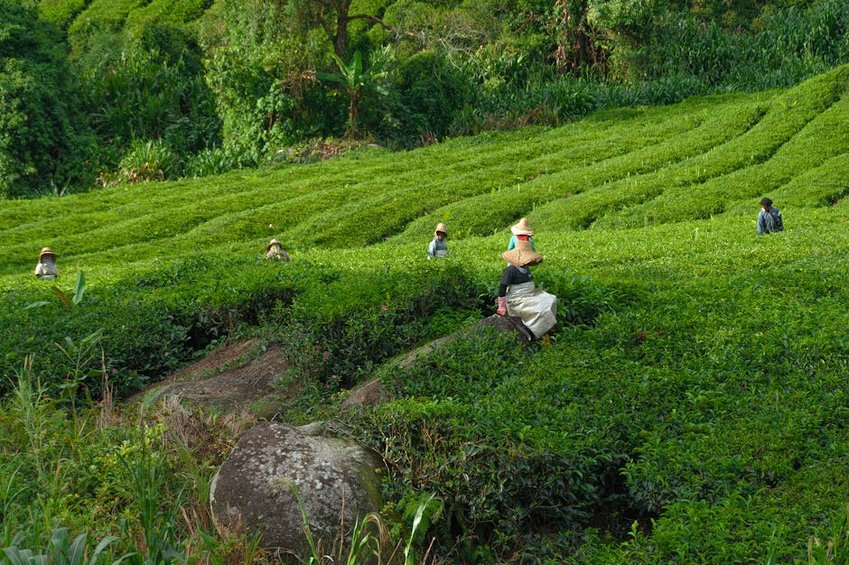
South Korea Boseong Green Tea Fields: A Tranquil Journey
Exploring South Korea Boseong Green Tea Fields immerses you in vibrant terraced landscapes where organic cultivation meets centuries-old traditions. These sprawling plantations near the southern coast offer photography opportunities, cultural workshops, and serene hiking trails through manicured hills. This guide covers seasonal visits, budget tips, and authentic experiences for your Korean tea adventure.
Essential Information about Boseong Tea Fields
Boseong’s tea plantations date to the 1930s when Japanese colonists first introduced systematic cultivation methods. The region’s humid subtropical climate and well-draining volcanic soil create ideal growing conditions for Camellia sinensis. Today, Boseong produces 40% of South Korea’s domestic tea supply.
Daehan Dawon remains the most famous plantation, featuring over 5.8 million tea bushes across 1,650 acres. Visitors encounter traditional Korean architecture alongside modern visitor centers offering tastings. The area’s elevation ranges from 100 to 500 meters above sea level.
Spring brings the first flush harvest between late April and early May, considered the premium quality period. Summer offers lush greenery, while autumn provides golden hues against evergreen bushes. Winter visits reveal stark beauty with occasional snow dusting the terraces.
History and Cultural Significance
Korean tea culture spans back to the Silla Dynasty around the 6th century, with Buddhist monks cultivating early varieties. Boseong’s modern development began under Japanese occupation, evolving into sustainable organic farming post-liberation. The region now symbolizes Korea’s agricultural heritage.
- 1939: Japanese establish first commercial plantation using Korean labor forces
- 1957: Korean families reclaim operations, focusing on quality over quantity
- 2003: Designated as Korean Traditional Tea Cultural District preserving methods
- Budget travelers spend $50-80 daily using local buses, street food, and hostel stays while enjoying free hiking trails and plantation walks
- Mid-range visitors allocate $100-150 for rental cars, restaurant meals, and boutique hotels plus paid tea tasting experiences and cultural workshops
- Luxury experiences cost $200-300 featuring private guides, fine dining, and resort accommodations with spa treatments using green tea ingredients
- Korea Tourism Organization
- Boseong County Official Website
Geographic Location and Climate
Boseong County sits in South Jeolla Province, approximately 290 kilometers south of Seoul. The plantations cluster around mountainous areas benefiting from coastal fog and mineral-rich soil. Temperatures range from 25°F to 85°F (-4°C to 29°C) annually.
Coastal influences maintain humidity around 70-80% year-round, crucial for tea leaf development. The terrain features steep slopes creating natural drainage while maximizing sun exposure. These microclimates produce distinct flavor profiles in the harvested leaves.
Types of Tea Grown
Boseong specializes in green tea varieties including Ujeon (first flush), Sejak (second flush), and Jungjak (third flush). Each harvest timing creates different caffeine levels and flavor intensities. The plantations also produce fermented black teas and seasonal blends.
Organic certification ensures no pesticides touch these delicate leaves. Hand-picking methods preserve flavor compounds while mechanical harvesting handles larger volumes. Visitors can compare tasting notes across harvest seasons during guided sessions.
South Korea Boseong Green Tea Fields – Planning Your Trip
Organizing your South Korea Boseong Green Tea Fields visit requires considering seasonal weather patterns and local festival schedules. The region offers diverse accommodation options from traditional hanok stays to modern hotels. Advance bookings secure better rates and ensure availability during peak seasons.
Spring and autumn deliver the most comfortable weather for exploring the terraced landscapes. Summer brings higher humidity but vibrant greenery, while winter offers discounted rates with fewer visitors. Each season presents unique photographic opportunities across the plantation vistas.
Budget between $50-150 daily depending on accommodation style and dining preferences. Local transportation costs remain reasonable with bus fares under $5 per trip. Multi-day passes provide savings for extensive exploration of the tea country.
Best Time to Visit Boseong Green Tea Fields
Visit between May and June for optimal weather conditions averaging 65-75°F (18-24°C) with minimal rainfall. These months coincide with the first and second tea harvests offering fresh tastings. Crowds peak during the Boseong Green Tea Festival in early May.
September through October provides pleasant temperatures of 60-70°F (15-21°C) with autumn foliage accents. Shoulder season visits in April or November see 30% lower accommodation prices. Winter months from December to February average 30-45°F (-1 to 7°C) with occasional snowfall.
Budget Planning and Costs
Daily expenses vary based on travel style and seasonality considerations. Include transportation, meals, activities, and accommodations in your calculations.
Essential Preparation Checklist
Pack layered clothing for changeable mountain weather, including waterproof jackets and comfortable walking shoes. Bring camera equipment with polarizing filters to enhance green tones and manage glare. Consider a portable power bank for extended photography sessions.
Secure Korean tourist visas if required, though many Western passports enjoy 90-day visa-free stays. Book accommodations 2-3 months ahead for spring visits. Learn basic Korean phrases for ordering tea and navigating transportation.
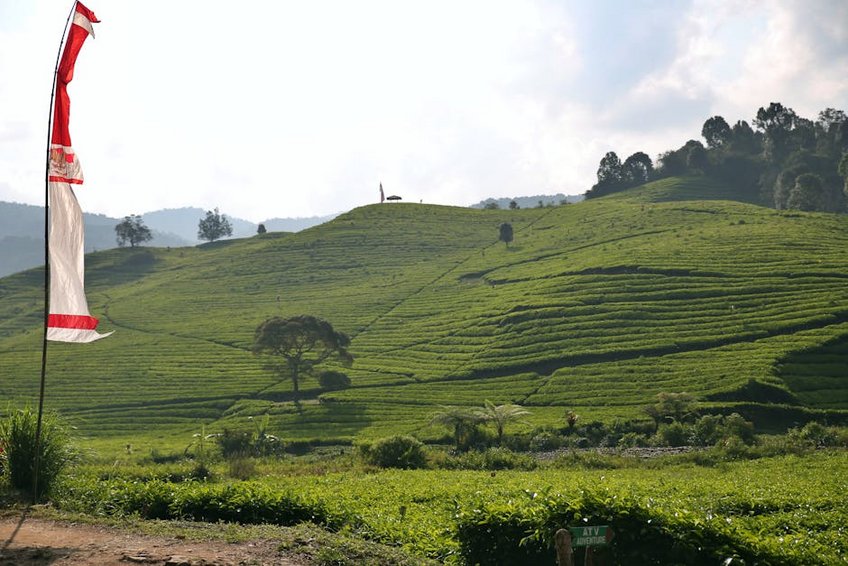
Alt: “boseong-green-tea-plantations-terraced-hills-south-korea”
Top Attractions and Activities
Daehan Dawon Tea Plantation serves as the primary destination with well-maintained paths through stunning terraces. The site features observation decks, traditional tea houses, and museums detailing production processes. Visitors typically spend 3-4 hours exploring the various sections.
Yulpo Beach combines coastal scenery with tea-themed attractions including green tea seawater pools. The nearby Boseong Green Tea Museum offers interactive exhibits about cultivation history. These complementary sites create diverse itinerary options.
Guided tours explain harvesting techniques and brewing methods while providing cultural context. Photography workshops capitalize on morning light and misty conditions. Hands-on experiences include tea picking during harvest seasons.
Must-See Highlights
Daehan Dawon’s main terrace presents iconic views photographed for numerous Korean dramas and films. The plantation’s bamboo forest path provides shaded walking routes connecting different elevation levels. Both locations offer unparalleled visual experiences throughout daylight hours.
Boseong Green Tea Festival each May features cultural performances, tea ceremony demonstrations, and market stalls. The event includes hands-on picking experiences for visitors. Festival attendance requires early accommodation reservations.
Green Tea Experience Center allows visitors to create personalized tea blends using local ingredients. The center provides professional guidance on flavor pairing and brewing techniques. Sessions typically last 60-90 minutes with materials included.
Hidden Gems and Local Favorites
Seawater Green Tea Pool at Yulpo Beach combines ocean views with therapeutic bathing using tea-infused waters. This lesser-known attraction remains uncrowded outside summer weekends. The complex includes sauna facilities and relaxation areas.
Local family-operated tea houses near the plantations serve authentic blends unavailable commercially. These establishments often provide storytelling about generations of tea farming. Finding them requires asking residents for recommendations.
Sunrise hikes along plantation ridges reveal mist-covered valleys before tourist arrivals. The early light creates spectacular photography conditions. These routes remain accessible year-round with proper footwear.
Tea Tasting and Cultural Workshops
Formal tea tasting sessions introduce the subtle differences between flush seasons and processing methods. Experts guide participants through proper brewing temperatures and steeping times. Most sessions include 5-7 variety samplings with detailed explanations.
Traditional tea ceremony workshops teach Korean etiquette and historical significance. Participants learn proper bowing techniques and serving protocols. These cultural immersions typically last two hours with hands-on practice.
Practical Travel Information
Boseong connects to major cities via express buses from Seoul’s Nambu Terminal and Gwangju’s U-Square Terminal. Journey times average 4-5 hours with comfortable seating and rest stops. Rental cars provide flexibility for exploring surrounding countryside.
Local transportation relies on infrequent buses between plantations and town centers. Taxi services offer reasonable rates for group travel. Walking remains the best option within individual plantation grounds.
| Accommodation Type | Features and Amenities | Price Range (USD) |
|---|---|---|
| Traditional Hanok | Heated floors, courtyard gardens, homemade breakfast | $60-100/night |
| Mid-range Hotel | Private bathrooms, tea service, tour booking | $80-120/night |
| Luxury Resort | Spa treatments, fine dining, private guides | $150-250/night |
| Guesthouse | Shared facilities, kitchen access, social atmosphere | $30-50/night |