Small Towns to Visit in Italy for Authentic Charm
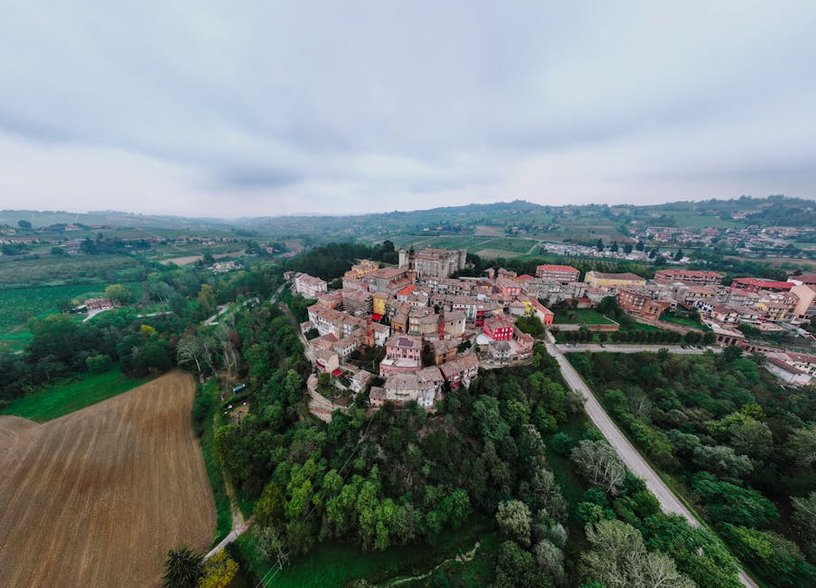
Exploring small towns to visit in Italy offers a journey beyond the well-trodden paths of major cities into the country’s vibrant regional heart. These historic borghi provide intimate access to Italy’s culinary traditions, artistic heritage, and stunning landscapes, from the dramatic cliffs of the Amalfi Coast to the rolling vineyards of Tuscany. This guide details the most enchanting destinations, providing practical planning tips and cultural insights for your off-the-beaten-track Italian adventure.
Essential Information on Italian Small Towns
The charm of Italy’s lesser-known towns lies in their preservation of daily life, architecture, and traditions that have existed for centuries. Visiting these destinations allows you to experience the authentic pace of Italian culture, where passeggiata (evening strolls) and piazza life are central. You’ll find a deeper connection to regional histories, from medieval trade routes to ancient agricultural practices, that shape each location uniquely.
What Makes Italian Borghi Special
These towns offer distinct characteristics not found in larger urban centers.
- Preserved Historic Centers: Many are classified as “Borghi Più Belli d’Italia” (Most Beautiful Villages in Italy), with intact medieval or Renaissance architecture, car-free zones, and original defensive walls you can walk along.
- Hyper-Local Cuisine: Menus change with the season and feature ingredients sourced from within a few kilometers, offering dishes you simply cannot find in cities or exported abroad.
- Community Festivals: Annual sagre (food festivals) and historical reenactments provide immersive cultural experiences, celebrating everything from truffles and olives to medieval jousting tournaments.
- Budget Traveler ($80-120/day): Stay in agriturismo farm stays or hostels, use regional trains/buses, enjoy picnic lunches with market finds, and focus on free attractions like historic center walks. This style works well in regions like Sicily or Le Marche.
- Mid-Range Traveler ($150-250/day): Book charming B&Bs or 3-star hotels, rent a small car for flexibility, dine at traditional trattorias for lunch and dinner, and join a few paid guided tours or cooking classes. This is ideal for Tuscany or Puglia.
- Luxury Traveler ($350+/day): Reserve rooms in luxury boutique hotels or restored historic castles, hire a private driver for day trips, dine at Michelin-starred restaurants in the countryside, and book exclusive private tours with local experts. Perfect for areas like the Lake District or Chianti.
- The Most Beautiful Villages in Italy Association
- Italian National Tourist Board
Key Travel Considerations
Traveling to these destinations often requires a bit more planning than a city stay. Public transportation can be infrequent, especially on weekends, making a rental car the most flexible option for exploring multiple hilltop villages in regions like Umbria or Le Marche. However, many towns are well-connected by regional trains, offering scenic journeys through the countryside.
Accommodation ranges from family-run bed and breakfasts to restored historic residences called alberghi diffusi. Booking directly with local proprietors often yields better rates and invaluable insider tips on where to eat and what to see. English is less widely spoken than in tourist hubs, so learning a few basic Italian phrases greatly enhances your experience.
Regional Diversity and Climate
Italy’s geography creates dramatic climatic and cultural differences between its small towns. Northern villages in the Dolomites offer alpine culture and cool summers, while southern Puglian towns bask in Mediterranean heat and feature unique trulli stone houses. Central Italy’s hill towns, like those in Tuscany, experience four distinct seasons with hot summers and chilly, misty winters.
This diversity means packing and planning must be region-specific. A spring visit to a coastal Ligurian town requires different attire than an autumn trip to a mountain village in South Tyrol. Researching the micro-climate of your chosen area is essential for comfort, especially if you plan on extensive walking on cobblestone streets and staircases.
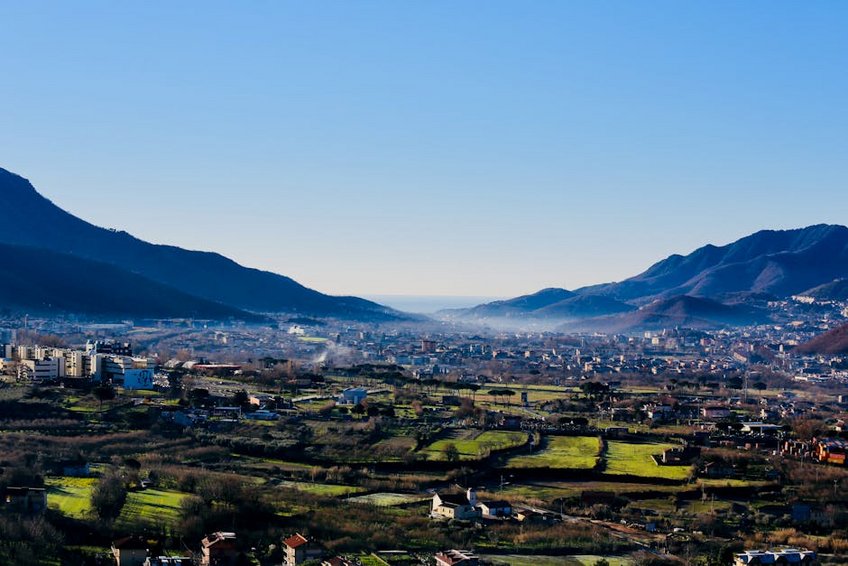
Alt: “italian-hilltop-village-cobblestone-streets-medieval-architecture”
Small Towns to Visit in Italy – Planning Your Itinerary
Crafting an itinerary around these destinations requires balancing travel logistics with a desire for immersion. Focus on one or two regions rather than attempting a cross-country tour; for example, dedicate a week to exploring the hill towns of Tuscany or the cliffside villages of the Cinque Terre. This approach reduces transit time and allows you to appreciate local rhythms.
Your budget should account for the cost of a rental car, tolls, and fuel if exploring independently. Alternatively, regional train passes can be cost-effective for linear routes. Dining costs are often lower than in cities, but unique local specialties or wine tastings at small vineyards can be worthy splurges that directly support the local economy.
Best Time to Visit Italy’s Small Towns
The ideal months for visiting most Italian small towns are late April through early June and September through October. During these shoulder seasons, temperatures range from a pleasant 65°F to 75°F (18°C to 24°C), crowds are manageable, and the countryside is either blooming or harvest-ready. Major festivals often occur in these periods, adding cultural vibrancy.
Peak summer (July-August) brings intense heat, often exceeding 86°F (30°C), and large crowds, especially in famous coastal villages. Many family-run shops and restaurants in non-touristic towns may close for a holiday in August. Winter offers a starkly beautiful, quiet experience with potential snow in northern regions, but some services and attractions operate on reduced hours.
Budget Planning and Costs
Daily costs vary significantly based on region and travel style.
Essential Preparation Checklist
Packing essentials include comfortable, broken-in walking shoes with good grip for uneven stone paths, layers for variable weather, and a reusable water bottle to refill at public fountains. Bring a portable power bank, as exploring all day can drain your phone battery used for navigation and translation apps. A physical road map is a wise backup for rural areas with poor signal.
Ensure your travel documents include a passport valid for at least three months beyond your planned departure from the Schengen Area. U.S. and EU passport holders do not need a visa for tourist stays under 90 days. Purchase travel insurance that covers medical emergencies and potential trip interruptions, especially if visiting remote areas. Book key accommodations and rental cars several months in advance for peak and shoulder seasons.
Top Destinations by Region
Each Italian region boasts its own constellation of remarkable small towns, offering diverse landscapes and cultural flavors. From the alpine peaks of the north to the sun-drenched islands of the south, you can curate a trip based on your interests, whether that’s wine, history, coastline, or cuisine. Focusing on a specific area allows for deeper exploration and less time in transit.
Must-See Hilltop Towns of Central Italy
In Tuscany, Montepulciano is famed for its robust Vino Nobile wines and Renaissance palazzos lining the main street. The town hosts antique markets and offers sweeping views over the Val di Chiana. Nearby, the perfectly preserved medieval gem of San Gimignano, with its iconic tower houses, provides a tangible journey back to the 14th century.
Umbria, Tuscany’s quieter neighbor, features Spello, celebrated for its intricate floral displays during the Infiorate festival in June and its well-preserved Roman walls. Assisi, while a major pilgrimage site, retains a small-town feel in its steep, stone-clad streets centered around the majestic Basilica of Saint Francis. Both towns offer a serene atmosphere and exceptional local food.
Coastal and Island Gems
The Cinque Terre villages, like Vernazza and Manarola, are iconic for their colorful houses tumbling down to the Ligurian Sea, connected by scenic hiking trails. Further south in Campania, Positano on the Amalfi Coast offers vertical beauty with steep streets, chic boutiques, and pebble beaches, best visited in the shoulder seasons to avoid overwhelming crowds.
For an island escape, consider the Aeolian Islands north of Sicily. Salina, the greenest island, is known for its sweet Malvasia wine and caper production, offering a relaxed pace and stunning volcanic landscapes. It provides a more authentic alternative to the busier island of Capri, with fantastic seafood and fewer day-trippers.
Northern Italian Highlights
The Dolomites region features enchanting towns like Ortisei in Val Gardena, a center for Ladin culture and woodcarving, serving as a gateway to spectacular alpine hikes and ski slopes. In Piedmont, the Baroque town of Alba is the heart of the white truffle and fine wine region, surrounded by picturesque hillside villages like Barolo and Barbaresco, each lending their name to world-class wines.
Practical Travel Information
Navigating Italy’s small towns involves understanding regional transit options and choosing the right base. While trains connect many towns, especially in the north and along coasts, bus services can be sparse and infrequent in rural areas. Renting a compact car is often the most efficient way to explore, providing the freedom to stop at unsignposted viewpoints and visit multiple villages in a day.
Accommodation types vary widely. Agriturismi (farm stays) offer immersive rural experiences, often with home-cooked meals. Alberghi Diffusi are unique hotels where rooms are spread across several restored buildings in a historic center. Traditional B&Bs provide personal hospitality and local advice. Booking platforms are useful, but sometimes calling directly secures better rates or last-minute availability.
| Accommodation Type | Best For / Features | Price Range/Night (USD) |
|---|---|---|
| Agriturismo (Farm Stay) | Families, foodies; includes breakfast, often dinner, pool, rural setting | $90 – $180 |
| Bed & Breakfast (B&B) | Couples, solo travelers; personalized service, central town location, local tips | $70 – $150 |
| Albergo Diffuso (Scattered Hotel) | Unique experience; rooms in historic buildings, modern amenities, authentic feel | $120 – $250 |
| Short-Term Rental (Apartment) | Groups, longer stays; kitchenette, living space, live like a local | $80 – $200 |