Ski Resorts in Turkey: Your Alpine Guide to Anatolia
Turkey transforms into a premier winter sports destination from December through March, offering surprisingly diverse terrain across several mountain ranges. These ski resorts in Turkey combine modern infrastructure with cultural charm, providing reliable snow conditions, shorter lift lines than European counterparts, and significantly lower costs. This guide details everything from the powder-packed slopes of Palandöken to the family-friendly runs of Uludağ, covering essential planning, budgeting, and insider tips for your Anatolian ski adventure.
Essential Turkish Ski Information
Turkey’s primary ski regions are situated in the Anatolian mountains, with elevations ensuring consistent winter snowfall. The season typically runs from mid-December to early April, though this varies annually with climate patterns. Resorts range from dedicated winter sports centers like Palandöken to mixed-use areas like Kartalkaya, which also serve as summer retreats.
Investments over the past decade have modernized lift systems and snowmaking capabilities at major centers. Turkish hospitality shines here, with ski passes, equipment rentals, and on-mountain meals costing a fraction of Alpine prices. Understanding the geographic spread helps in planning a multi-resort trip across different regions.
Key Geographic Regions and Climate
The main skiing areas are concentrated in three zones. The Eastern Anatolia region, including Erzurum, offers the highest altitudes and coldest, driest snow. The Central Anatolian resorts near Ankara provide reliable conditions close to the capital. The Marmara and Mediterranean regions feature resorts with milder temperatures and shorter seasons.
- Eastern Anatolia (Palandöken, Sarıkamış): High-altitude terrain above 2,000 meters (6,560 feet) with continental climate; season lasts from late November to mid-April.
- Central Anatolia (Erciyes, Kartalkaya): Volcanic peaks with extensive snowmaking; convenient access from major cities like Ankara and Kayseri.
- Marmara & Mediterranean (Uludağ, Saklıkent): Coastal-proximity resorts with quicker seasonal transitions; ideal for beginners and weekend skiers.
- Budget Traveler ($60-$90/day): Stay in a nearby town pension, use public transport, purchase multi-day lift passes, and eat at local restaurants. Ski rentals are affordable, but book equipment early at smaller shops for best rates.
- Mid-Range Skier ($120-$200/day): Stay in a slope-side 3-4 star hotel with breakfast, enjoy hotel rentals, eat lunches on-mountain, and take occasional taxis. This tier offers the best balance of comfort and value at most Turkish mountain resorts.
- Luxury Experience ($250-$400+/day): Book a 5-star hotel or private chalet with spa, hire a private instructor, dine at fine restaurants, and use private transfers. Available at Palandöken and Erciyes, this includes concierge ski service and premium lift line access.
- Turkish Airlines Travel Guides
- Ski Resort Info International Database
A Brief History of Turkish Skiing
Organized skiing in Turkey began in the 1930s, with the first ski club founded in Istanbul. Uludağ, near Bursa, became the nation’s first official ski resort, opening in the 1960s. Development accelerated in the 2000s, driven by government initiatives to promote winter tourism beyond coastal areas.
Major investments for the 2011 Winter Universiade in Erzurum catapulted Palandöken into an international-class venue. Similarly, Kayseri’s investment in Erciyes transformed it into Central Anatolia’s largest winter sports complex. This history explains the modern facilities found at these emerging destinations.
Understanding the Resort Categories
Turkish ski areas fall into distinct categories based on size and visitor profile. Destination resorts like Palandöken and Erciyes offer extensive terrain, numerous hotels, and vibrant apres-ski. Day-trip resorts such as Kartalkaya and Kartepe primarily serve nearby urban populations on weekends.
Boutique and emerging areas like Ilgaz and Sarıkamış cater to specific niches, offering quieter slopes and lower prices. Your choice depends on whether you seek a full ski vacation or a cultural trip with some slope time mixed in.
Alt: “palandoken-ski-resort-turkey-modern-lifts-mountain-terrain”
Ski Resorts in Turkey – Planning Your Trip
Organizing a ski trip to Turkey requires considering seasonality, regional accessibility, and your skiing proficiency. December and January offer the freshest snow, while February and March provide longer, sunnier days. Flying into Istanbul is the main international gateway, with domestic connections or buses to mountain regions.
Budget planning is straightforward, with lift tickets averaging $25-$40 per day and quality ski rentals costing around $15-$25 daily. Accommodation ranges from budget-friendly pensions to luxury hotels with ski-in/ski-out access. Advance booking is crucial for the peak weeks around New Year and national holidays.
Best Time to Visit for Optimal Skiing
Visit Turkish ski resorts between mid-January and early March for the most reliable conditions. This period avoids the potential early-season uncertainty of December and the spring slush that can arrive in late March. Daily temperatures typically range from -5°C to -10°C (23°F to 14°F) in the east and -2°C to 5°C (28°F to 41°F) in the west.
The shoulder seasons of late December and late March offer fewer crowds and lower prices, with a higher chance of variable snow quality. For guaranteed snow coverage and open terrain, February is the safest bet across all major Anatolian winter sports centers.
Budget Planning and Costs
Your daily budget varies dramatically based on resort choice and comfort level. Turkey remains a value destination compared to the Alps or North America.
Essential Preparation Checklist
Pack standard ski gear including thermal layers, waterproof jacket and pants, gloves, and goggles. While rental equipment is widely available, bringing your own boots ensures proper fit. The sun at high altitudes is intense, so high-SPF sunscreen and lip balm are mandatory despite cold temperatures.
Check visa requirements; many nationalities can obtain an e-Visa online before arrival. Travel insurance must explicitly cover winter sports. Book flights to Istanbul (IST or SAW) at least two months early for the best fares to these popular winter destinations.
Top Turkish Ski Resorts and Terrain
Turkey’s leading winter sports centers cater to different skill levels and trip styles. Palandöken is renowned for its challenging steep runs and long season, making it a favorite for experienced skiers. Erciyes boasts the country’s most extensive lift network and varied terrain suitable for all abilities.
Uludağ serves as the most accessible major resort from Istanbul, perfect for families and beginners. Kartalkaya offers reliable snow and forested trails just a few hours from Ankara. Each location has a distinct character, from vibrant apres-ski scenes to quiet, nature-focused environments.
Must-See Resort Highlights
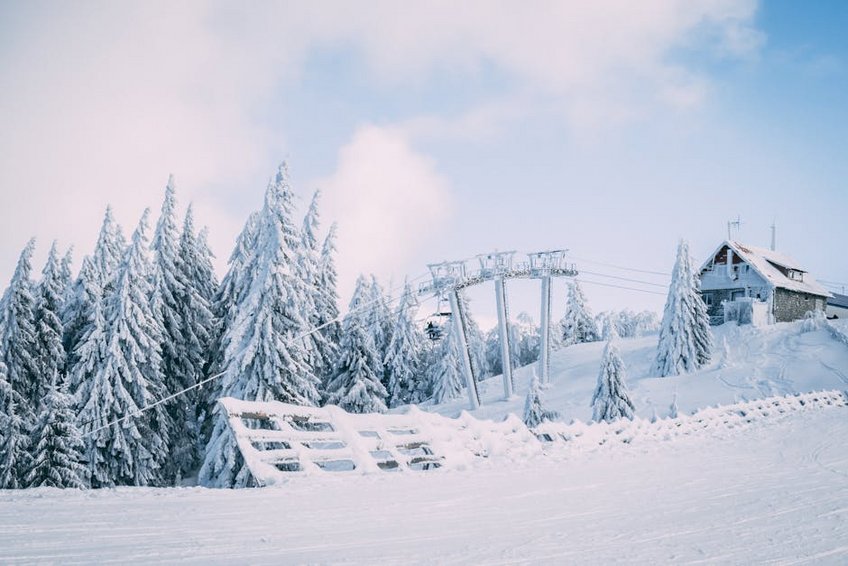
Palandöken’s Ejder 3200 lift accesses Turkey’s highest ski point at 3,125 meters (10,253 feet), with the 12 km (7.5 mile) Sultan run providing an epic descent. The resort hosted World Cup events and features Olympic-grade slopes. Night skiing on illuminated pistes adds another dimension to the experience here.
Mount Erciyes has 54 runs spread across two main sectors, connected by a modern gondola system. The resort’s snowmaking covers 95% of terrain, guaranteeing skiing from December onward. Off-piste opportunities abound in the volcanic landscape surrounding this massive dormant volcano.
Uludağ’s 28 km (17 miles) of groomed trails are ideal for progression, with excellent ski schools and gentle beginner areas. The resort village has a lively atmosphere with numerous restaurants and shops. Its proximity to Bursa allows for cultural excursions to historical sites and thermal baths.
Hidden Gems and Local Favorites
Sarıkamış, near the Armenian border, offers unique “crystal snow” due to its dry continental climate and stands of pine trees reminiscent of Colorado. It remains uncrowded, with affordable accommodation in the nearby town. The resort is developing but already provides genuine Turkish hospitality away from international crowds.
Ilgaz Mountain National Park features a quaint, family-run resort with stunning scenery between Ankara and Istanbul. It’s perfect for a relaxed ski weekend combined with nature walks in protected forests. The slower pace and traditional wooden lodges create a nostalgic winter atmosphere missing at larger complexes.
Freeride and Off-Piste Opportunities
While ski patrol controls most marked areas, guided off-piste touring is growing in popularity, especially around Erciyes and Palandöken. Local guides know safe zones beyond the boundaries where untouched powder can be found days after a storm. Avalanche safety equipment is essential and can be rented with guiding services.
Spring corn snow touring on higher volcanic slopes provides excellent late-season adventures. Always hire a certified mountain guide through reputable agencies or your hotel; independent exploration in unfamiliar backcountry carries significant risk in these mountain ranges.
Practical Travel and Logistics
Reaching Turkey’s ski areas involves domestic flights, long-distance buses, or rental cars from major cities. Turkish Airlines and Pegasus offer regular flights from Istanbul to Erzurum (ERZ) for Palandöken and Kayseri (ASR) for Erciyes. Bus services are comfortable and affordable, with direct routes from Istanbul and Ankara to all major resorts.
Accommodation options span luxury hotels at the base of lifts, mid-range hotels in resort villages, and budget guesthouses in nearby towns. Booking three months in advance secures the best choices and rates for the core winter season from January to March.
| Resort | Key Features & Terrain | Daily Lift Pass (USD) |
|---|---|---|
| Palandöken (Erzurum) | Highest altitude, steep runs, FIS-certified slopes, night skiing | $35-$45 |
| Erciyes (Kayseri) | Largest ski area, 54 runs, extensive snowmaking, gondola connection | $30-$40 |
| Uludağ (Bursa) | Most accessible, family-friendly, ski schools, vibrant village | $25-$35 |
| Kartalkaya (Bolu) | Forested trails, reliable snow, close to Ankara, weekend destination | $20-$30 |