Singapore Travel Guide: Your Essential Trip Planner for the Lion City
Planning a trip to Southeast Asia’s gleaming city-state requires detailed information to navigate its unique blend of cultures, cutting-edge attractions, and strict local regulations. This Singapore travel guide provides the practical insights and seasonal strategies you need for a seamless visit, from securing budget-friendly hawker meals to understanding public transport etiquette. We’ll cover the best neighborhoods for your stay, optimal visit timing to avoid monsoon rains, and how to efficiently experience both iconic sights and local gems.
Singapore Essential Information
Singapore is a sovereign city-state and island country located at the southern tip of the Malay Peninsula. Founded as a British trading colony in 1819 by Sir Stamford Raffles, it gained independence in 1965 and has since transformed into a global financial hub. The nation’s population of approximately 5.7 million enjoys one of the world’s highest standards of living, supported by a diverse ethnic mix of Chinese, Malay, Indian, and Eurasian communities.
The country operates as a parliamentary republic with a legal system renowned for its efficiency and strict enforcement. English serves as the primary administrative language, though Mandarin, Malay, and Tamil are also official. Visitors will notice the spotless streets and organized infrastructure, direct results of comprehensive governance and civic-minded policies. This environment creates a exceptionally safe and convenient destination for international travelers.
Climate and Weather Patterns
Singapore has a tropical rainforest climate with consistently high humidity and temperatures year-round. There is no true dry season, though precipitation varies slightly between monsoon periods. Understanding these patterns is crucial for packing and daily itinerary planning.
- Northeast Monsoon (Dec-Mar): Brings more frequent afternoon showers. Temperatures average 86°F (30°C) with humidity around 84%. This period sees slightly cooler evenings.
- Southwest Monsoon (Jun-Sep): Generally drier but with occasional thunderstorms. Haze from regional agricultural fires can sometimes affect air quality in September.
- Inter-monsoon Periods (Apr-May, Oct-Nov): Characterized by more unpredictable, short-lived heavy rain and thunderstorms, often in the late afternoon.
- Budget Traveler ($70-100/day): Stay in hostels in Little India or Lavender. Eat primarily at hawker centers ($3-5/meal). Use public transport exclusively. Enjoy free attractions like Gardens by the Bay outdoor gardens, Southern Ridges hike, and neighborhood exploration.
- Mid-Range Traveler ($150-250/day): Book 3-4 star hotels in Bugis or near Clarke Quay. Mix hawker meals with casual restaurant dining. Use a combination of MRT and occasional taxis. Visit paid attractions like Universal Studios, S.E.A. Aquarium, and the SkyPark at Marina Bay Sands.
- Luxury Traveler ($400+/day): Stay at iconic properties like Marina Bay Sands or Raffles Hotel. Dine at celebrity chef restaurants and Michelin-starred hawker stalls. Use private car transfers. Book exclusive experiences like a private Supertree observation deck visit or a cultural tour with a historian.
- Singapore Tourism Board
- Land Transport Authority (Public Transport Info)
Visa and Entry Requirements
Entry regulations depend entirely on your passport nationality. U.S., U.K., Canadian, and EU passport holders typically receive a 90-day social visit pass upon arrival without a pre-arranged visa. Immigration officers stamp this directly into your passport after verifying your onward travel ticket and proof of sufficient funds.
Always ensure your passport has at least six months’ validity remaining from your date of entry. Singapore Changi Airport uses automated immigration lanes for many passports, speeding up the process. Declare any goods subject to duty, like tobacco products exceeding personal allowance limits, to avoid severe fines.
Local Laws and Etiquette Basics
Singapore’s laws are strictly enforced, and ignorance is not considered a valid defense. Common regulations that surprise visitors include bans on chewing gum importation, littering, jaywalking, and smoking in most indoor public spaces and designated outdoor zones. Fines for infractions are substantial.
Social etiquette emphasizes respect and harmony. Use your right hand for giving and receiving items, particularly when interacting with Malay or Indian Singaporeans. Queue orderly for public transport and services. Discussing local politics or criticizing government policies is generally avoided in casual conversation.
Alt: “singapore-skyline-marina-bay-sands-gardens-by-the-bay”
Singapore Travel Guide – Planning Your Trip
Crafting your Singapore itinerary involves balancing iconic attractions with neighborhood exploration while accounting for the climate. A successful visit pairs advance bookings for major sites with flexible time for spontaneous discovery in areas like Tiong Bahru or Kampong Glam. Allocate your budget strategically, as accommodation represents the largest cost, while world-class food remains remarkably affordable.
Purchase tourist passes like the Singapore Tourist Pass for unlimited public transport rides over 1-3 days. Download essential apps including Grab for ride-hailing, the official Changi Airport app, and the NParks app for navigating the Botanic Gardens. Consider travel insurance that covers trip interruption due to sudden illness, as healthcare standards are high but costly for visitors.
Best Time to Visit Singapore
The ideal months for a Singapore visit are February through April. This window falls after the rainy Northeast Monsoon and before the hottest months. You’ll experience slightly less rainfall, with average temperatures between 88°F (31°C) during the day and 75°F (24°C) at night. Major cultural events like Chinese New Year (Jan/Feb) and Hari Raya Puasa (date varies) offer incredible experiences but require early accommodation booking.
Shoulder seasons in May-June and November provide good value with manageable weather, though brief afternoon storms are likely. The Great Singapore Sale typically runs from June to July. Avoid late September if sensitive to haze. Regardless of timing, always carry an umbrella and plan indoor activities for the midday heat.
Budget Planning and Costs
Daily costs vary dramatically based on accommodation and dining choices. Here’s a realistic breakdown for different travel styles.
Essential Preparation Checklist
Pack lightweight, breathable clothing made from natural fibers like cotton and linen. Include a light sweater or shawl for aggressively air-conditioned malls, cinemas, and public transport. Footwear should be comfortable for extensive walking and easy to remove, as required when entering some temples and homes.
Ensure you have a universal power adapter (Type G, three rectangular pins) and a portable power bank. Singapore’s voltage is 230V. Notify your bank of travel plans to use credit/debit cards, which are widely accepted. Purchase a local SIM card at Changi Airport for affordable data to power navigation apps. Pack any essential prescription medications in their original containers.
Top Attractions and Unmissable Activities
The Lion City’s compact size allows visitors to experience diverse worlds within a single day. From futuristic gardens to historic neighborhoods, the key is planning visits around opening hours and weather. Most major attractions are accessible via the MRT system, making it easy to hop between districts efficiently.
Consider bundled attraction passes like the Go City Singapore Pass for significant savings if you plan to visit several paid sites. Many museums and cultural institutions offer free admission during certain hours or specific days of the week, which your accommodation concierge can help you identify. Always book time slots online for popular spots to avoid disappointment.
Iconic Landmarks and Modern Marvels
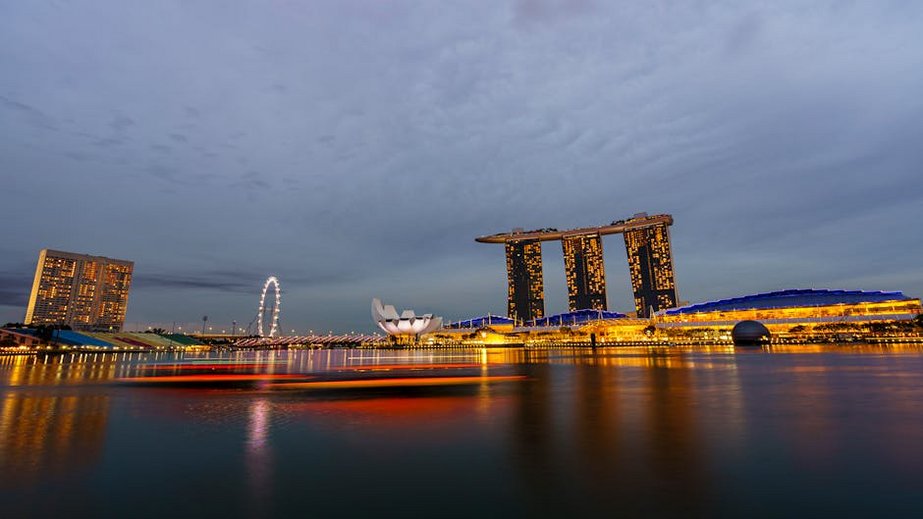
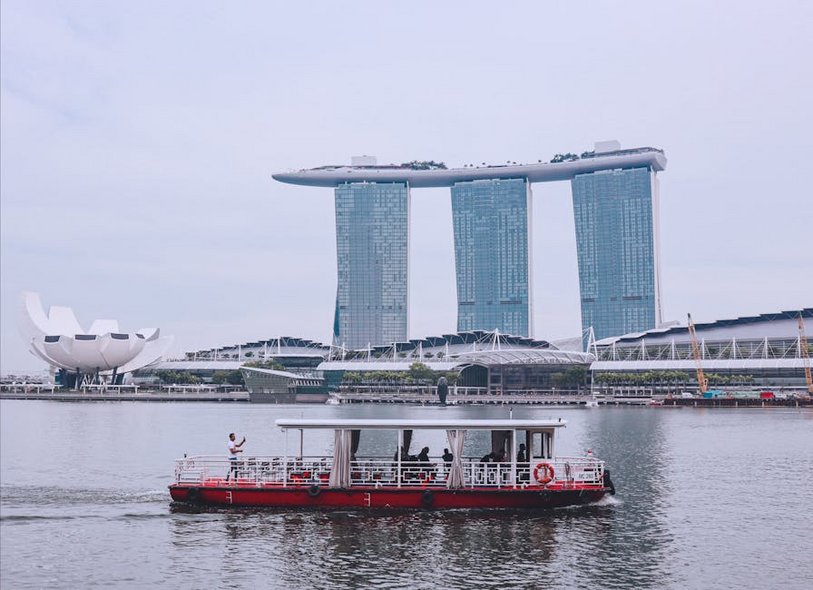
Marina Bay Sands is the definitive postcard image, but the experience extends beyond the photo. Visit the SkyPark Observation Deck for panoramic city views, best booked for late afternoon to witness the transition from day to night. Adjacent, Gardens by the Bay features the climate-controlled Flower Dome and Cloud Forest conservatories, and the stunning nightly Garden Rhapsody light and sound show at the Supertree Grove.
Sentosa Island offers concentrated entertainment, including Universal Studios Singapore, S.E.A. Aquarium, and Adventure Cove Waterpark. The island is accessible via monorail, cable car, or a scenic boardwalk. For a historical perspective, tour the National Gallery Singapore, housed in the former Supreme Court and City Hall buildings, showcasing Southeast Asian art.
Cultural Neighborhoods and Hidden Gems
Step into Singapore’s multicultural heart by exploring its historic districts. Kampong Glam, centered around the magnificent Sultan Mosque, is the Malay-Arab quarter with vibrant textile shops and Middle Eastern eateries on Arab Street. Haji Lane offers narrow alleys filled with independent boutiques and wall murals.
Little India bursts with color, scent, and sound along Serangoon Road. Visit the Sri Veeramakaliamman Temple, browse the 24-hour Mustafa Centre department store, and savor a traditional banana leaf meal. Tiong Bahru, one of Singapore’s oldest housing estates, blends pre-war architecture with hipster cafes, art galleries, and a fantastic wet market.
Nature and Greenery in the City
Despite its urban density, Singapore lives up to its “City in a Garden” moniker. The Singapore Botanic Gardens, a UNESCO World Heritage Site, provides 160 acres of tropical greenery free of charge, with the National Orchid Garden as its paid highlight. For a forest escape, the MacRitchie Reservoir Park features treetop walkways and hiking trails through mature rainforest.
The Southern Ridges connects several parks via a 6.2-mile (10km) trail, with the Henderson Waves pedestrian bridge as its architectural centerpiece. For wildlife, the Jurong Bird Park is a world-class aviary, and the Night Safari offers a unique after-dark zoo experience observing nocturnal animals in naturalistic habitats.
Practical Travel Information: Logistics Made Easy
Navigating Singapore is straightforward thanks to its efficient and clean public transportation network. The Mass Rapid Transit (MRT) subway system is the backbone, complemented by an extensive bus network and readily available taxis. For first-time visitors, staying within a 5-10 minute walk of an MRT station dramatically improves convenience and reduces travel time between attractions.
Accommodation choices range from world-renowned luxury hotels to compact but clean budget hostels. Location significantly impacts your daily experience. Staying in districts like Marina Bay, Orchard Road, or Clarke Quay puts you close to major sights, while neighborhoods like Joo Chiat or Balestier offer more local flavor and better value.
| Accommodation Type | Best For / Key Features | Avg. Price Range/Night (USD) |
|---|---|---|
| Luxury Hotels | Iconic views, infinity pools, premium service. Marina Bay Sands, Raffles. | $350 – $800+ |
| Boutique Hotels | Design, character, prime locations in Chinatown or Katong. | $150 – $300 |
| International Chain (3-4*) | Reliable standards, business amenities, near MRT stations. | $100 – $220 |
| Hostels & Pod Hotels | Solo travelers, social atmosphere, Little India or Bugis locations. | $25 – $70 |