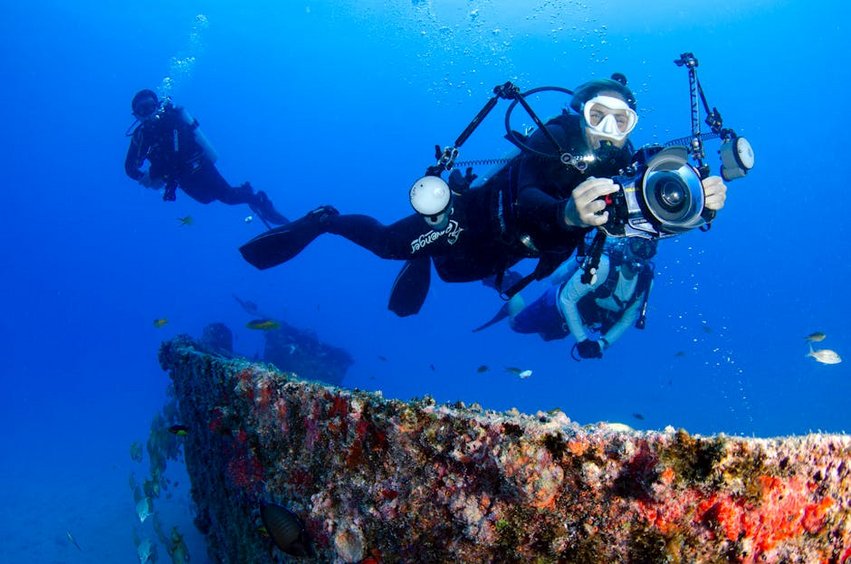
Scuba Diving Routes in Turkey: Your Guide to Aegean and Mediterranean Depths
Turkey’s coastline offers some of the Mediterranean’s most accessible and varied scuba diving experiences, blending ancient history with vibrant marine life. Your exploration of Turkish dive sites reveals underwater mountains, submerged cities, and caverns teeming with marine biodiversity across distinct routes. This guide details the premier underwater routes, from the Aegean’s clear waters to the Mediterranean’s historic wrecks, providing seasonal tips and practical logistics for divers of all levels.
Essential Turkish Dive Site Information
Turkey’s primary diving regions split between the Aegean and Mediterranean coasts, each offering unique conditions and attractions. The Aegean Sea, bordering western Turkey, features clearer visibility and cooler temperatures, home to islands like Gökçeada and Bozcaada. Meanwhile, the southern Mediterranean coast, often called the Turquoise Coast, provides warmer waters and a higher concentration of ancient wreck sites and dramatic wall dives.
Dive centers operate under strict regulations from the Turkish Ministry of Culture and Tourism, requiring guides for all recreational dives. Most operators are PADI or SSI affiliated, offering services in English and German. The local diving community is well-established in hubs like Kaş, Bodrum, and Fethiye, with infrastructure supporting day boats and liveaboard adventures.
What You Need to Know Before Diving
Understanding regional logistics ensures a smooth underwater adventure.
- Certification cards are mandatory, and dive logs may be requested by operators, especially for deeper sites or wreck penetrations beyond introductory levels.
- The official currency is the Turkish Lira, but dive centers in tourist areas widely accept Euros and major credit cards, with prices often quoted in Euros for convenience.
- Water temperatures range from 16°C (61°F) in winter to 28°C (82°F) in peak summer, dictating wetsuit requirements from 5mm to 3mm shorties depending on the season.
- Budget diving: Expect $50-75 per day for two guided boat dives, including basic gear rental. Hostels or budget guesthouses near Fethiye or Kuşadası offer affordable packages. Self-catering and using local dolmuş (minibus) transport keeps costs low.
- Mid-range diving: Plan for $90-130 per day covering two premium boat dives with high-end gear, lunch, and transfers. This tier includes comfortable boutique hotels in Kaş or Bodrum and diving at more exclusive sites like the Canyon at Kekova.
- Luxury diving: All-inclusive liveaboard charters run $1,500-$2,500 for a 7-day itinerary, featuring up to four dives daily, gourmet meals, and guides for advanced sites. High-end resorts in Marmaris or Antalya offer private boat charters for $300-500 per day.
- Turkish Airlines Travel Guides
- PADI Dive Site Resources
- Turkish Ministry of Culture and Tourism
Key Marine Life and Seasonal Sightings
The marine ecosystem varies significantly between the two seas. The Aegean’s nutrient-rich waters attract larger pelagic life, including occasional tuna, barracuda, and schools of bonito, especially around offshore pinnacles. Visibility here often exceeds 30 meters (100 feet) from June to September, creating ideal conditions for underwater photography.
Conversely, the Mediterranean coast showcases more colorful benthic life. You’ll commonly encounter octopus, moray eels, sea bream, and the protected Mediterranean monk seal near remote coastal caves. From April to June, sightings of loggerhead sea turtles (Caretta caretta) are frequent around nesting beaches like İztuzu near Dalyan.
Historical and Geological Context
The underwater landscape is a product of seismic activity and ancient trade. Many wrecks, like the Roman-era Uluburun dating to 1300 BC, sank along historical shipping lanes, now preserved as submerged museums. Geological formations like the underwater canyon at Saklıkent near Kaş were shaped by tectonic shifts, creating swim-throughs and dramatic drop-offs.
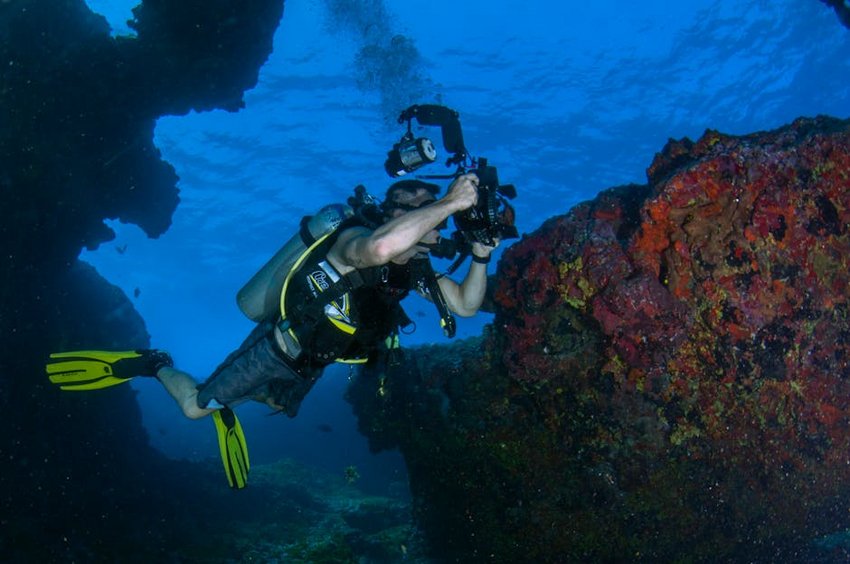
Alt: “turkey-aegean-coast-scuba-diving-boat-rock-formations”
Scuba Diving Routes in Turkey – Planning Your Trip
Organizing your underwater journey requires matching your interests with the right regional itinerary. The most popular route for beginners focuses on the sheltered bays of the Gulf of Gökova near Bodrum, featuring shallow reefs and sponge gardens. Intermediate divers often chart a course along the Lycian Way’s underwater trail from Fethiye to Kaş, combining reef dives with accessible wrecks like the plane wreck at Uluburun.
Advanced divers seeking depth and challenge plan routes around the Big Three: the wall dives of Kaleköy, the caverns of the Blue Cave near Marmaris, and the deep wreck of the HMS Majestic in the Dardanelles. Liveaboard trips are essential for reaching remote Aegean islands, with week-long itineraries covering dive sites around the Datça Peninsula and Bozburun.
Best Time to Visit for Diving Conditions
The optimal period for scuba diving routes in Turkey runs from late May through early October. July and August offer the warmest water, averaging 26-28°C (79-82°F), and the calmest sea conditions, but also attract peak crowds. Visibility is consistently best during these months, often reaching 40 meters (130 feet) on Aegean sites.
Shoulder seasons present distinct advantages. May, June, September, and early October provide very good conditions with water between 20-24°C (68-75°F) and significantly fewer divers. The water remains clear, and marine life is active, making these months ideal for photographers and those preferring quieter sites.
Budget Planning and Costs
Daily diving costs vary by region and service level.
Essential Preparation Checklist
Packing correctly is crucial for a dive trip here. Bring your certification card, logbook, and dive insurance documents. A 3mm to 5mm wetsuit is necessary year-round; consider a hood for spring and autumn dives. Underwater photographers should pack wide-angle lenses for wrecks and macro lenses for Aegean marine life.
Logistically, secure a Turkish visa online before arrival if required for your passport. Book dive centers and accommodations at least three months in advance for July/August travel. Ensure your travel insurance includes dive coverage up to 30 meters, and carry a basic first-aid kit and seasickness remedies for boat days.
Top Diving Regions and Signature Sites
The Turkish Riviera divides into several iconic diving corridors, each with a unique character. The Bodrum Peninsula serves as the gateway to over 30 dive sites, famous for its sponge-draped reefs and the wreck of a Carthaginian galley. Further south, the stretch between Marmaris and Datça is renowned for its dramatic underwater topography, featuring tunnels, arches, and steep walls covered in red gorgonians.
The Kaş region is arguably the country’s diving capital, offering unparalleled variety. Here, walls plummet to over 60 meters, ancient amphorae litter the seabed, and the current-swept pinnacles attract large pelagic fish. This area provides reliable conditions for divers seeking both historical intrigue and vibrant marine ecosystems in a single location.
Must-See Highlights
Begin with the Uluburun Wreck near Kaş, a Late Bronze Age site where replicas of the world’s oldest known shipwreck rest at 30 meters. The site is an underwater museum, accessible to advanced divers, revealing ancient trade goods. Next, the Blue Cave (Mavi Mağara) near Marmaris offers a breathtaking cavern dive where sunlight creates ethereal blue hues, suitable for all levels.
The airplane wreck in the Gulf of Fethiye is a unique artificial reef. A deliberately sunk DC-3 aircraft sits upright at 24 meters, now encrusted with corals and home to schools of glassfish. For a pure adrenaline dive, the Kargı Wall near Bodrum features a sheer drop from 5 to over 50 meters, with strong currents that bring in eagle rays and large groupers.
Hidden Gems and Local Favorites
Venture to the less-visited sites for a more intimate experience. The Three Islands (Üçadalar) area between Bodrum and Gökova is a local secret, where several rocky islets create current-rich environments perfect for spotting nudibranchs and rare slipper lobsters. Access requires a dedicated day boat from Bodrum marina, but the pristine reefs are worth the journey.
Near Kaş, ask local guides about the small cavern network at Limanağzı Cove. This shallow, protected site is not in most brochures but offers stunning light beams and abundant seahorse populations. Similarly, the bay of Akvaryum (Aquarium) near Çeşme is a sheltered cove with incredible biodiversity in just 10 meters of water, ideal for long, relaxed dives and macro photography.
Wreck Diving Circuit
Turkey’s wreck diving circuit spans centuries. The HMS Majestic, a World War I battleship sunk in the Dardanelles, rests at 24 meters and is for experienced divers only due to depth and occasional strong currents. For a more accessible wreck, the Turgut Reis, a 60-meter cargo ship sunk near Kuşadası in 2007, sits at 18-30 meters and is already thriving with marine life.
The most famous modern wreck is the Diver’s Delight, a passenger ferry intentionally sunk near Marmaris in 2016. It lies perfectly upright at 28 meters, allowing for safe penetration of its car deck and upper cabins. This site is a magnet for barracuda and large groupers, providing excellent photographic opportunities.
Practical Travel Information for Divers
Navigating Turkey for a dive holiday is straightforward with proper planning. International travelers typically fly into Istanbul (IST) or Antalya (AYT) and then take domestic flights to coastal hubs like Bodrum (BJV) or Dalaman (DLM). Domestic flights are frequent and affordable, often costing $40-80 one-way. Alternatively, long-distance buses connect major cities to coastal towns comfortably and economically.
Accommodation ranges from diver-centric hostels with gear storage and rinse tanks to luxury resorts with five-star PADI centers. Booking a package that includes dive logistics and lodging simplifies the trip significantly. Most diving activity is concentrated in specific towns, so choosing your base carefully determines your daily travel time to the marinas.
| Diving Hub | Key Features & Sites | Avg. Daily Cost for 2 Dives (USD) |
|---|---|---|
| Kaş | Walls, ancient wrecks, amphorae fields, pinnacles | $80 – $120 |
| Bodrum | Reefs, sponge gardens, plane wreck, beginner-friendly | $60 – $90 |
| Fethiye | Blue Cave, canyon dives, turtle spotting | $70 – $100 |
| Marmaris | Caverns, modern wrecks, pelagic action | $65 – $95 |