Safranbolu Travel Guide
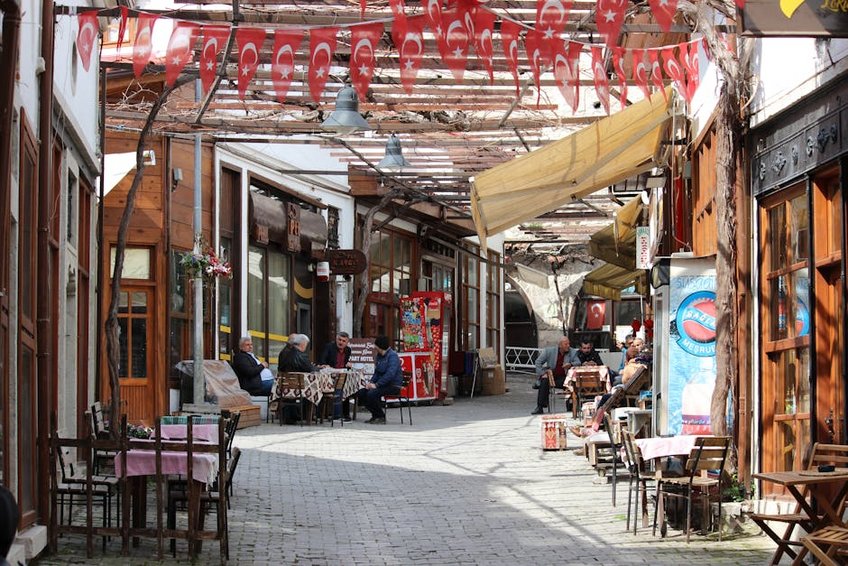
Discovering Safranbolu feels like stepping into a living museum of Ottoman-era life. This UNESCO World Heritage town in Turkey’s Black Sea region is celebrated for its astonishingly well-preserved timber-framed mansions, cobblestone lanes, and rich cultural heritage dating back to the 13th century. This Safranbolu Travel Guide provides all the practical details you need to explore its historic bazaars, savor its unique cuisine, and experience its timeless charm.
Essential Historical and Cultural Context
Safranbolu’s history stretches from the Bronze Age through Roman, Byzantine, and Seljuk rule, peaking during the Ottoman Empire. Its name derives from saffron, a valuable spice once cultivated locally and traded along the historic Silk Road routes that passed nearby. The town’s wealth grew from this trade, funding the construction of its iconic architecture.
The preservation of Safranbolu’s urban fabric is exceptional, with over a thousand registered historical artifacts and hundreds of traditional houses. Unlike many historical sites, this isn’t a reconstructed open-air museum but a fully functioning town where people live and work. Its 1994 UNESCO listing recognized it as a key model of Ottoman urbanism, protecting its unique character from modern development pressures.
Understanding the Town’s Layout
Navigating Safranbolu is easier when you understand its three distinct districts.
- Çarşı (Market District): The historical heart where you’ll find most tourist attractions, boutique hotels in old mansions, and the old bazaar. This area has steep, winding streets and the most concentrated Ottoman architecture.
- Bağlar (Vineyards District): A summer retreat area located on hillsides, featuring larger mansions with gardens where wealthy families would spend the hot season. It offers panoramic views and a more residential feel.
- Kıranköy: The modern town center with banks, supermarkets, and contemporary amenities. It developed in the 20th century as the town expanded beyond its historical core.
- Budget Traveler ($40-60/day): Stay in a basic guesthouse or hostel dorm. Eat street food like gözleme (savory pancakes) and simit (sesame bread rings). Explore free attractions like wandering the old quarters and visiting public mosques. Use local dolmuş (shared minibuses) for transport.
- Mid-Range Traveler ($80-120/day): Book a room in a restored Ottoman mansion hotel with breakfast included. Enjoy meals at traditional lokantas (restaurants) and visit paid museums. Take an occasional taxi for convenience and join a guided walking tour for historical context.
- Luxury Experience ($150+/day): Stay in a high-end boutique hotel like the historic Havuzlu Konak. Dine at fine restaurants with Ottoman cuisine tasting menus. Hire a private guide for in-depth tours and arrange private transport for day trips to surrounding regions.
- Republic of Turkey Ministry of Culture and Tourism
- UNESCO World Heritage Centre – City of Safranbolu
Key Historical Landmarks to Recognize
The Cinci Han, a massive 17th-century caravanserai, served as a secure inn for traveling merchants and their camels. It now operates as a hotel, allowing you to sleep within history. The İzzet Mehmet Pasha Mosque, built in 1796, dominates the Çarşı skyline with its elegant single dome and twin minarets, representing late Ottoman religious architecture.
Old Turkish baths, like the Cinci Hamamı and Kaymakamlar Gezi Evi, are still operational. Visiting them offers insight into traditional social and cleansing rituals. The historic clock tower and the former government house further anchor the town’s historical center, providing orientation points as you explore.
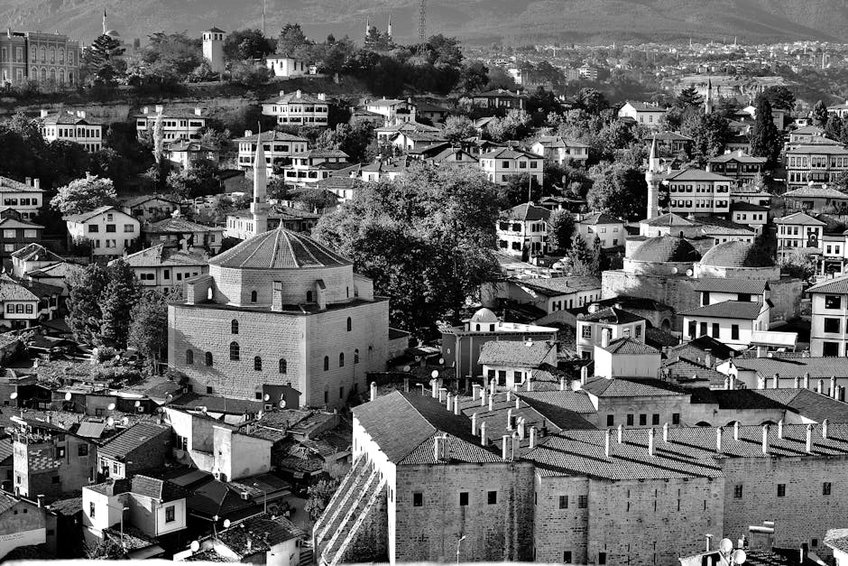
Alt: “safranbolu-ottoman-houses-cobblestone-streets-carsi-district”
Safranbolu Travel Guide – Planning Your Trip
Planning a trip to this Ottoman gem requires considering seasonality and itinerary structure. Spring (April-May) and autumn (September-October) offer ideal weather, with daytime temperatures between 60-75°F (15-24°C) and smaller crowds. Summer brings warmth and more tourists, while winter can be cold and snowy, creating a picturesque but quiet atmosphere.
You need a minimum of two full days to appreciate Safranbolu without rushing. Dedicate one day to exploring the Çarşı district on foot and another for visiting outlying attractions like the İncekaya Aqueduct and the crystal-clear Bulak Mencilis Cave. Extend your stay to three days if you want a more relaxed pace or plan side trips to the nearby Amasra coastline.
Best Time to Visit Safranbolu
Visit between late April and June for blooming flowers and comfortable temperatures ranging from 55-75°F (13-24°C). This period precedes the peak summer tourist rush, so accommodation prices remain reasonable. The weather is perfect for walking the hilly streets all day.
September and October are equally pleasant, with crisp air and autumn colors. Daily highs average 68°F (20°C), cooling to 50°F (10°C) at night. The harvest season also means fresh local produce at the markets. Winter visits (December-February) offer a magical, snowy scene but prepare for temperatures dropping below freezing, around 32°F (0°C).
Budget Planning and Costs
Daily costs vary significantly based on your travel style and accommodation choice.
Essential Preparation Checklist
Pack comfortable, sturdy walking shoes with good grip for uneven cobblestones and steep inclines. Bring layers, as temperatures can shift between districts and from day to evening. A compact umbrella or light rain jacket is wise, especially in spring and fall.
Ensure your passport is valid for at least six months beyond your entry date. U.S. and EU passport holders can obtain an e-Visa online before travel for tourism stays up to 90 days. Notify your bank of international travel and carry some Turkish Lira in cash for small vendors in the bazaar, though cards are widely accepted.
Top Attractions and Activities
The charm of this Ottoman town lies in both its grand landmarks and its quiet, everyday details. Wandering without a strict map often leads to the best discoveries, like hidden courtyards and artisan workshops. Most major sites are within walking distance in the Çarşı district, creating a wonderfully compact historical experience.
Beyond architecture, the town offers immersive experiences like tasting workshops and nature excursions. The surrounding Karabük province features impressive caves, canyons, and forests perfect for short day trips. Balancing indoor museum visits with outdoor exploration provides a complete picture of the region’s appeal.
Must-See Highlights
The Safranbolu City History Museum, housed in the old government building, provides excellent context with exhibits on local life, crafts, and the UNESCO preservation process. The Kaymakamlar Museum House is a fully furnished traditional home that demonstrates Ottoman interior design and daily domestic life across its three floors.
Walk across the historic İncekaya Aqueduct, a 116-meter-long stone structure from the 18th century, now fitted with a transparent glass walkway section for thrilling views of the Tokatlı Canyon below. Visit the working artisans’ bazaar to watch coppersmiths, saddlemakers, and weavers practice centuries-old crafts, with pieces available for purchase as authentic souvenirs.
Hidden Gems and Local Favorites
Discover the Yemeniciler Arastası, a secluded street dedicated to traditional Yemeni (flat-heeled shoe) makers. Few tourists find this alley, where you can watch craftsmen hand-stitch leather using methods unchanged for generations. For a peaceful escape, find the hidden Hıdırlık Hill viewpoint at sunset for a stunning, golden-hour panorama over the red-tiled roofs.
Locals frequent the weekly market (pazar) held near the bus station for fresh produce, cheese, and textiles. It operates one specific day each week and offers a vibrant slice of local life. Seek out the small, family-run lokantas behind the main bazaar for the most authentic and affordable home-cooked meals, away from the more tourist-oriented menus.
Traditional Craft Workshops
Participating in a short workshop is a memorable way to engage with local heritage. Several shops in the bazaar offer brief, hands-on experiences in copper etching, where you can engrave a small plate to take home. You can also find arasta (weaving) workshops that explain the intricate process of creating traditional Turkish textiles on wooden looms.
For food enthusiasts, joining a Turkish delight (lokum) making demonstration is a sweet option. These sessions often explain how the town’s namesake saffron was historically used in confections. Booking these activities is usually done informally by asking at the shop itself one day in advance.
Practical Travel Information
Reaching this historic town requires a bit of journeying, as it lacks its own airport or major train station. The most common route involves flying into Istanbul (IST or SAW) and then taking a connecting bus or renting a car for the scenic drive. Once in town, everything in the historical center is easily accessible on foot, though taxis are available for trips to outlying districts or attractions.
Accommodation is a highlight, with many options located in beautifully restored Ottoman konaks (mansions). These typically feature wooden interiors, central hallways, and period furniture. Booking directly through the hotel’s website often yields better rates and availability than large online travel agencies, especially for smaller, family-run properties.
| Transportation Method | Details & Travel Time | Approximate Cost (USD) |
|---|---|---|
| Bus from Istanbul | Direct services from Esenler Otogar. 5-6 hour journey. | $15-$25 per person |
| Private Transfer | Door-to-door service from Istanbul airports. Most comfortable option. | $180-$250 per vehicle |
| Rental Car | Freedom for day trips. Drive from Istanbul takes 4.5 hours via highway. | $35-$60 per day |
| Local Dolmuş (Minibus) | For trips to nearby sites like Bulak Cave or Yenice Forest. | $1-$3 per ride |