Riyadh Travel Guide: Your Essential Portal to Saudi Arabia’s Capital
Exploring Riyadh unveils the dynamic heart of modern Saudi Arabia, where ancient history and futuristic ambition converge across a sprawling desert metropolis. Your Riyadh travel guide should account for a city of contrasts, from UNESCO-listed Diriyah to the 99-story Kingdom Centre, requiring smart planning around climate, culture, and logistics. This guide provides the essential insights, from navigating traditional souqs to understanding new tourism initiatives, ensuring a seamless and enriching visit to Saudi Arabia’s powerful capital.
Understanding Riyadh: A City of Transformation
Riyadh serves as the political and administrative nucleus of Saudi Arabia, undergoing one of the world’s most rapid urban transformations under the Vision 2030 plan. The population exceeds 7.5 million, with infrastructure projects like King Abdullah Financial District reshaping the skyline monthly. This growth creates a unique travel environment where centuries-old customs coexist with new entertainment and cultural sectors opening to international visitors.
Historically, Riyadh originated from the settlements of Wadi Hanifa, with the First Saudi State established in Diriyah during 1744. The modern city’s foundation traces to King Abdulaziz Al Saud’s 1902 capture of Al Masmak Fortress, a pivotal moment commemorated at the fort’s museum today. Understanding this history enriches visits to the old quarters and provides context for the nation’s contemporary direction, blending deep tradition with ambitious future goals.
Key Cultural and Historical Context
Recognizing Riyadh’s dual identity helps travelers appreciate its unique character.
- The city operates as a conservative Islamic capital where local customs heavily influence daily life, including prayer timings that pause commercial activity five times daily, requiring flexible scheduling for tours and shopping.
- Vision 2030 reforms have introduced new entertainment venues, concerts, and sporting events like Formula E, creating a burgeoning tourism sector that still respects traditional social structures and religious observance.
- Architectural evolution spans from mud-brick Najdi style in Diriyah to postmodern skyscrapers, visually narrating Saudi Arabia’s journey from isolated kingdom to global economic player within a single cityscape.
- Budget travel averaging $85-120 daily covers hostel or budget hotel stays ($40-60), meals at local eateries like Kudu ($15), ride-sharing app transport ($15), and attraction entry fees ($15), focusing on free museums and historical sites.
- Mid-range comfort at $200-300 daily includes four-star hotel stays in Olaya ($120-180), mixed dining at restaurants like Najd Village ($40), private taxi tours ($40), and paid entry to multiple attractions like Sky Bridge ($30).
- Luxury experiences exceeding $400 daily feature five-star palaces like The Ritz-Carlton ($250+), fine dining at world-class venues ($100), private driver service ($80), and exclusive guided tours with special access to restricted cultural sites.
- Saudi Tourism Authority Official Site
- Lonely Planet Riyadh Travel Guide
- Riyadh Season Official Festival Information
Climate and Geographical Setting
Riyadh occupies the central Najd plateau, approximately 600 meters above sea level, creating a harsh desert climate that dictates travel planning. Summer temperatures from June to September frequently exceed 110°F (43°C), limiting outdoor activities to early mornings or evenings and making air-conditioned malls popular daytime destinations. The period from November to March offers pleasant conditions, with daytime averages around 68-77°F (20-25°C) and cooler nights, ideal for exploring historical sites and outdoor cafes.
Rainfall averages only 4 inches (100 mm) annually, typically occurring in brief, intense showers during March and April that can cause flash flooding in wadis. Sandstorms, known as *shamal*, occasionally reduce visibility in spring, affecting road travel and flight schedules. This arid environment necessitates constant hydration, protective clothing, and itinerary flexibility for any Saudi capital exploration during transitional seasons.
Neighborhoods and Districts Overview
Riyadh’s vast expanse organizes into distinct districts, each serving different purposes for residents and visitors. The historical Al-Dirah area houses Al Masmak Fortress and Deera Square, offering traditional market experiences within walking distance of key museums. Diplomatic Quarter (DQ) features landscaped parks, embassies, and pedestrian-friendly zones with a more international atmosphere, popular for evening strolls.
Modern commercial hubs include Olaya and King Fahd Road, where luxury hotels, shopping malls like Kingdom Centre and Al Faisaliah, and corporate headquarters cluster. Northern suburbs like Al Nakheel and Al Muhammadiyah offer residential calm with villa-style accommodations, while Diriyah’s redevelopment establishes a premier cultural destination along the Wadi Hanifa banks. Choosing accommodation location significantly impacts your daily transport time and experience focus.
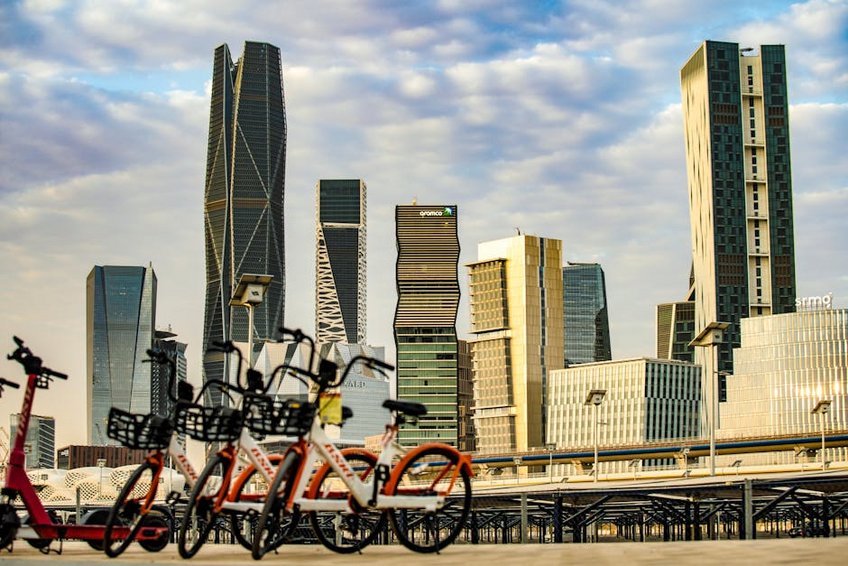
Alt: “riyadh-skyline-modern-skyscrapers-desert-background-evening”
Riyadh Travel Guide – Planning Your Saudi Capital Exploration
Effective planning transforms a Riyadh visit from overwhelming to extraordinary, balancing iconic sights with local immersion. Your Riyadh travel guide strategy should begin with visa procurement through the accessible e-visa portal, followed by booking accommodations in districts matching your primary interests, whether historical or commercial. Allocate a minimum of four days to experience the city’s scale, dedicating time to both monumental projects like Boulevard Riyadh City and intimate moments in Diriyah’s alleyways.
Budget considerations show significant range, with daily expenses spanning from $85 for budget-conscious travelers to $400+ for luxury experiences, excluding international flights. Mid-November through March delivers optimal weather for comprehensive exploration, while summer visits require an indoor-focused agenda. Advance reservations for popular restaurants and guided tours prove essential, particularly during Riyadh Season festival months when the city hosts millions of visitors for concerts and events.
Best Time to Visit Riyadh
Visit Riyadh between November and early April for comfortable outdoor exploration, with daytime temperatures averaging 70-80°F (21-27°C) and minimal rainfall. December and January see cooler evenings around 50°F (10°C), perfect for desert excursions and open-air heritage sites like Diriyah. This period avoids extreme heat while offering clear skies for photography at Kingdom Centre’s sky bridge or the Royal Diriyah Opera House.
Shoulder months of October and late April present warmer days reaching 90°F (32°C) but thinner crowds at major attractions like the National Museum. Summer months from May to September challenge visitors with temperatures soaring above 104°F (40°C), necessitating indoor-focused itineraries across air-conditioned malls, museums, and evening events. Major festivals like Riyadh Season typically run October through December, blending entertainment with cultural programming.
Budget Planning and Costs
Daily costs in Riyadh vary dramatically based on accommodation style, dining choices, and transportation preferences.
Essential Preparation Checklist
Secure your tourist e-visa through the official Saudi portal before booking flights, ensuring your passport has six months validity and checking vaccination requirements. Download essential apps including Careem or Uber for transportation, HungerStation for food delivery, and Tawakkalna for health status verification at certain venues, as these services streamline daily logistics significantly. Pack modest clothing covering shoulders and knees, comfortable walking shoes for expansive sites, and a scarf for women to cover hair when entering mosques.
Book accommodations at least one month ahead for peak season visits, focusing on locations with convenient Metro access given the city’s traffic congestion. Purchase comprehensive travel insurance covering medical evacuation, familiarize yourself with local customs regarding photography of government buildings, and carry both credit cards and some Saudi Riyals (SAR) for traditional markets. Verify your mobile provider’s roaming packages or purchase a local SIM at King Khalid International Airport for reliable navigation and communication.
Top Attractions and Cultural Experiences
Riyadh delivers world-class attractions spanning ancient archaeological sites to record-breaking modern architecture, each revealing different facets of Saudi identity. Begin your exploration at Diriyah, the UNESCO World Heritage Site and birthplace of the First Saudi State, where restored mud-brick palaces and museums illustrate Najdi heritage along the palm-filled Wadi Hanifa. Contrast this with a visit to the Kingdom Centre Tower, whose sky bridge offers panoramic city views 300 meters above the bustling Olaya district, especially dramatic at sunset.
The National Museum provides essential context through eight immersive galleries, detailing Arabian history from prehistoric times through the unification of Saudi Arabia, with exceptional displays of rock art and Islamic manuscripts. For contemporary culture, the JAX District in the industrial area has transformed into a vibrant creative quarter with galleries, cafes, and street art, showcasing the kingdom’s emerging arts scene. Each site requires advance ticket purchase through their respective websites or authorized platforms.
Must-See Historical and Modern Highlights
Al Masmak Fortress stands as Riyadh’s most iconic historical monument, a clay and mud-brick fort housing a museum that chronicles King Abdulaziz’s 1902 capture of Riyadh. Allow ninety minutes to explore its courtyards, watchtowers, and exhibits displaying traditional weapons and photographs. Entry costs approximately $4 (15 SAR) and audio guides enhance the experience, with early morning visits avoiding both heat and tour groups.
Boulevard Riyadh City represents the monumental new entertainment district, featuring themed zones, international restaurants, concert venues, and seasonal attractions across a 1.5-million-square-meter complex. Evening visits showcase spectacular lighting installations and fountain shows, with access fees around $27 (100 SAR) during festival periods. The Royal Diriyah Opera House hosts world-class performances in a stunning architectural setting, requiring ticket reservations months ahead for popular events through their official website.
King Abdulaziz Historical Center combines multiple attractions across spacious grounds, including the National Museum, Murabba Palace, and surrounding parks ideal for family picnics. Dedicate half a day to this complex, starting with the museum’s expertly curated exhibits before exploring the traditional architecture of the palace. The site operates from 9 AM to 9 PM, closed on Sundays, with free entry to outdoor areas and minimal museum admission fees under $5.
Hidden Gems and Local Favorites
Edge of the World (Jebel Fihrayn) delivers an epic day trip destination 90 minutes northwest of Riyadh, where dramatic escarpments drop 300 meters to the desert floor, creating breathtaking vistas. Local tour operators provide 4×4 transportation and guides for this off-road adventure, costing $80-120 per person including lunch, with departures timed for sunrise or sunset photography at the cliffs. Prepare for rugged conditions and carry ample water, as summer temperatures here exceed city levels.
Al Zal Market in the old Dirah district offers an authentic traditional shopping experience far from glossy malls, with narrow alleyways selling oud perfume, Arabian coffee pots, spices, and textiles. Practice polite bargaining for items like *bisht* cloaks or *mabkhara* incense burners, visiting mid-morning before prayer closures. The adjacent Al Thumairi Street provides excellent photo opportunities of traditional architecture against modern skyscraper backdrops, particularly in golden hour light.
Family-Friendly Activities and Parks
Riyadh offers numerous family-oriented attractions, including the spectacular King Abdullah Park with its dancing fountain shows, walking trails, and children’s play areas near King Fahd Road. The park operates from 4 PM to midnight, with evening light displays creating memorable experiences for all ages and free entry making it accessible for repeat visits. Nearby, the Riyadh Zoo houses over 1,500 animals across 40 exhibits, including Arabian oryx and Nubian ibex, with shaded pathways and feeding demonstrations.
Winter Wonderland at Riyadh Season transforms parts of the city into festive theme parks during cooler months, featuring ice skating, carnival rides, and international dining options tailored for family entertainment. Ticket packages start around $40 per person, with weekday visits minimizing queue times for popular attractions. For educational fun, the interactive exhibits at the Saudi Aramco Museum of Petroleum and Minerals engage children with science displays, though advance booking through schools or groups is often required.
Practical Travel Information and Logistics
Navigating Riyadh requires understanding its vast scale and evolving infrastructure, with the new Metro system providing efficient transport between key districts alongside traditional taxis and ride-sharing services. King Khalid International Airport (RUH) serves as the primary gateway, located 35 kilometers north of the city center, with arrival procedures streamlined for e-visa holders through automated passport control gates. Accommodation options range from international luxury chains in financial districts to locally-owned apartments in residential areas, each offering different proximity to attractions.
The Riyadh Metro’s completed lines connect the airport to downtown, King Abdullah Financial District, and major university areas, with fares under $2 per trip and women-only carriages available. Ride-sharing apps Uber and Careem dominate point-to-point transportation, offering both standard cars and premium options with English-speaking drivers familiar with tourist destinations. Traffic congestion peaks during morning and evening commutes, making Metro travel particularly advantageous for reaching business districts and major malls.
| Category | Options/Features | Price Range (USD) |
|---|---|---|
| Airport Transfer | Official taxis (orange), ride-share pick-up zones, hotel limousine services | $25-60 to city center |
| Metro Public Transit | Six lines connecting major districts, women-only carriages, daily/weekly passes | $0.50-4 per journey |
| Ride-Sharing Apps | Uber, Careem with multiple vehicle classes, English-speaking drivers common | $5-25 within urban areas |
| Car Rental | International agencies at airport, navigation apps essential, free parking scarce | $35-85 daily with insurance |