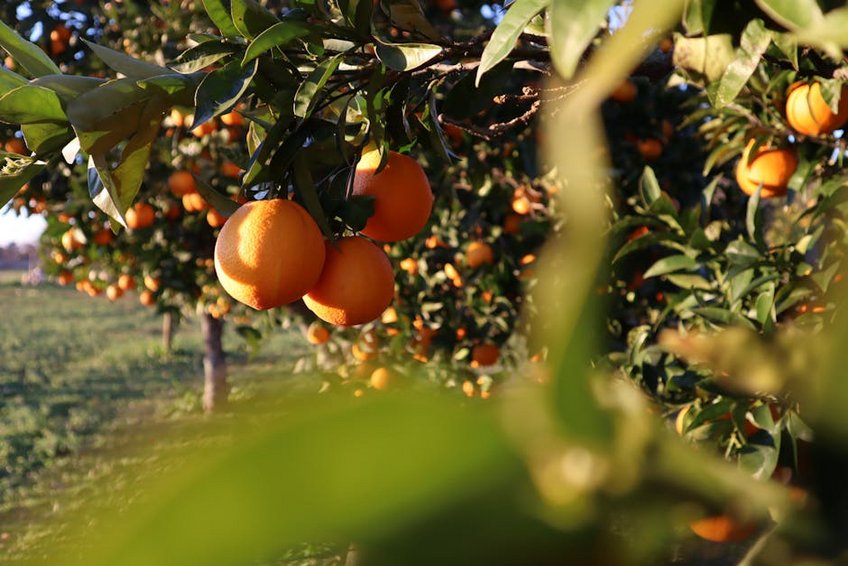
Orange Orchard Tours in the Mediterranean
Exploring the sun-drenched citrus groves of the Mediterranean offers a uniquely aromatic journey through history, culture, and stunning landscapes. Orange orchard tours provide an intimate look at traditional farming, from the blossom-covered trees of spring to the fruit-laden branches of winter. This guide covers everything from the best regions for a citrus experience to practical planning tips for your agricultural adventure.
Essential Mediterranean Citrus Culture
The connection between oranges and the Mediterranean basin spans centuries, deeply rooted in trade and cultivation. The region’s ideal climate, with mild, wet winters and hot, dry summers, creates perfect conditions for citrus trees to thrive. Historical influences from the Moors in Spain to Arab traders in Sicily shaped the orchards you see today.
Different citrus varieties dominate specific areas, each with its own harvest calendar and cultural significance. The famed Valencia orange, perfect for juice, is synonymous with eastern Spain. In contrast, the aromatic bergamot orange is primarily cultivated in southern Italy for perfumes and Earl Grey tea.
What You Need to Know Before You Go
Understanding the basics of Mediterranean citriculture will greatly enhance your tour experience. These key points provide essential context for your visit to the groves.
- Harvest seasons vary dramatically: Navel oranges peak from November to January, while blood oranges, a Sicilian specialty, are best from December to April, and late-season Valencias can be picked as late as June.
- Most working orchards are private agricultural businesses; always book tours in advance through official websites or reputable local tour operators, as spontaneous walk-ups are rarely accommodated.
- Wear sturdy, closed-toe shoes suitable for walking on uneven, often muddy ground, and bring a hat and sunscreen, as you’ll spend significant time exposed to the strong Mediterranean sun with minimal shade.
- Budget tours ($15-$35 per person) usually include a one-hour guided walk through the groves with a tasting of fresh juice and fruit. These are often group tours booked through local tourist offices in areas like Greece’s Peloponnese or Turkey’s Antalya coast.
- Mid-range experiences ($50-$120 per person) often feature a half-day tour with a deeper agricultural explanation, a tasting of multiple citrus varieties and derivative products like liqueurs or marmalades, and sometimes a simple lunch using farm ingredients.
- Luxury private tours ($150-$300+ per person) provide full-day access with the farm owner or agronomist, hands-on harvesting activities, a gourmet multi-course meal paired with local wines, and custom gift boxes of produce to take home, commonly found in boutique estates in Sicily or Andalusia.
- Visit Valencia Tourism Board
- Sicilia Official Tourism Agritourism Guide
Key Regions for Orange Cultivation
The Mediterranean rim offers several distinct destinations, each with a unique twist on the citrus experience. Spain’s Andalusia region, particularly around Seville, is famous for its bitter Seville oranges used in marmalade. The Algarve in Portugal and the Valencia Community in Spain are powerhouses for sweet orange production.
Italy’s Sicily, especially around Mount Etna, produces unique blood oranges with red flesh due to the volcanic soil’s temperature fluctuations. The Peloponnese in Greece and the Turkish Mediterranean coast near Antalya also host vast, fragrant groves open for seasonal visits. Each area offers tours that blend agricultural education with local gastronomy.
The Agricultural Calendar and Tours
Your experience will be defined by the season you choose to visit. Spring brings the magical “maze” or blossom season, filling the air with an intense, sweet fragrance and offering stunning photographic opportunities of white flowers against dark green leaves. This is a quieter time for tourist visits.
Late autumn through winter is the primary harvest period for most sweet oranges, making it the most active and participatory time for tours. Some estates offer summer tours focusing on irrigation techniques and tree maintenance, providing a deeper understanding of sustainable farming challenges in a hot climate.
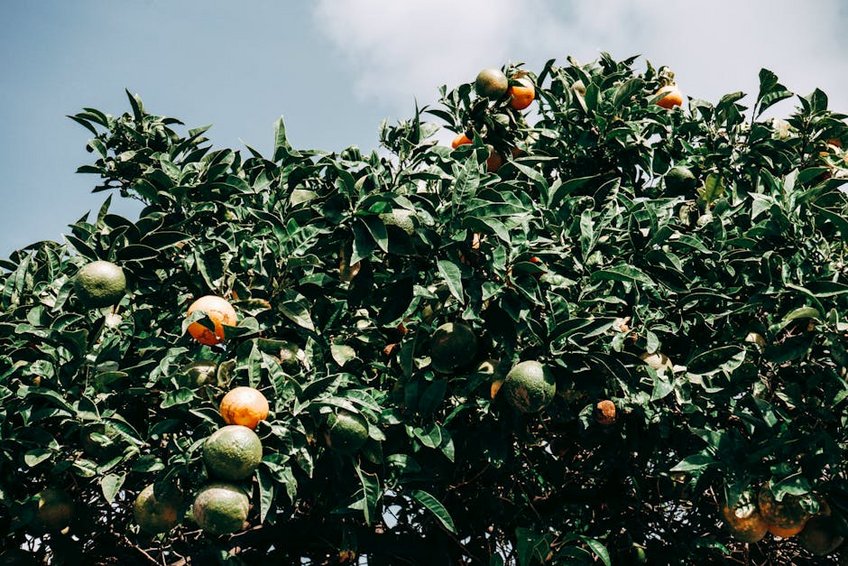
Alt: “mediterranean-orange-orchard-blossom-season-spring-sunlight”
Orange Orchard Tours – Planning Your Mediterranean Trip
Organizing a citrus-focused itinerary requires attention to seasonal timing and regional specialties. Your orange orchard tours will be most rewarding if you align your travel dates with specific harvest periods or cultural festivals. Research individual farms, as offerings range from simple walk-throughs to full-day workshops on pruning or organic pest control.
Consider combining different types of agritourism experiences. Many working farms also produce olive oil, wine, or almonds, offering combined tours that showcase the diversity of Mediterranean polyculture. Booking directly with farms often provides a more authentic experience than through large commercial tour platforms.
Best Time to Visit Mediterranean Orchards
Visit between November and March for the classic harvest experience, when days are mild (55-68°F or 13-20°C) and trees are heavy with fruit. This is peak season for citrus travel, coinciding with local harvest festivals in towns like Burriana, Spain. Accommodation should be booked at least two months in advance during this period.
The shoulder months of April and October offer pleasant weather (65-75°F or 18-24°C) and fewer visitors. While the main orange harvest may be over, you can find late-harvest varieties or tours focusing on blossom honey production. Summer months are hot (often above 86°F/30°C) and less ideal for orchard walks, though some farms offer early morning tours.
Budget Planning and Costs
Costs for orchard experiences vary based on inclusion level and region. Here’s a typical breakdown for different budget levels.
Essential Preparation Checklist
Packing correctly ensures comfort and respect for the agricultural environment. Essential items include durable walking shoes with good grip, clothing that can get dirty, a reusable water bottle, and a small backpack. Bring cash (Euros) for purchasing products directly from the farm shop, as remote locations may not accept cards.
Required documentation typically includes standard travel insurance and, for non-EU citizens, a valid passport. EU and US passport holders generally do not need a visa for short stays in the Schengen Area. Check specific country entry requirements, especially for travel to Turkey. Book all tours and key accommodations at least one month prior to your visit, particularly for peak harvest season.
Top Orchard Destinations and Activities
The Mediterranean coastline is dotted with renowned citrus regions that welcome visitors. Beyond simply walking among trees, many destinations have built immersive experiences around their agricultural heritage. These activities connect you to the land and its products in memorable ways, from cooking classes to photography workshops held at golden hour.
Choosing the right base location is crucial. Staying in a historic farmhouse or “masseria” within an estate, like those in Puglia, Italy, allows for early morning and late evening access to the groves. Alternatively, base yourself in a central town like Valencia or Seville and take day trips to various surrounding farms for comparative insights.
Must-See Highlights
The La Ribera region in Valencia, Spain, is the undisputed home of the Valencia orange. Visit the Museu de la Taronja in Burriana to understand the history before touring nearby cooperative farms. In Sicily, the “Conca d’Oro” (Golden Shell) valley near Palermo is a breathtaking sea of citrus, best viewed from the hilltop town of Monreale.
For a unique varietal, seek out tours in Calabria, Italy, focused on the prized Diamante citron, used in Jewish rituals. The Marmaris region in Turkey offers tours of massive commercial groves, often followed by a traditional Turkish breakfast featuring fresh orange blossom honey. Each major site requires 2-3 hours for a proper visit, including travel time from main cities.
Hidden Gems and Local Favorites
Venture beyond the major producers to discover authentic, less-commercialized farms. On the island of Porquerolles, off the French Riviera, the Conservatoire Botanique grows hundreds of rare and ancient citrus species in a stunning setting. In the Axarquía region of Andalusia, family-run farms still cultivate oranges using centuries-old Moorish irrigation channels.
For a truly local experience, visit during a town’s “Fiesta de la Naranja.” These harvest festivals, like in Sóller, Mallorca, feature parades with citrus-decorated floats, free tastings, and folk music. Locals often know of small-scale growers who don’t advertise online but welcome respectful visitors who call ahead. Ask at village bars or markets for personal recommendations.
Agritourism and Hands-On Experiences
Many progressive farms now offer participatory activities. You can join a harvesting crew for a morning, learning how to twist oranges from the stem without damaging the tree. Other workshops teach the art of crafting marmalade, distilling orange blossom water, or grafting new trees—a skill you can take home.
Some estates combine citrus tours with other local crafts. For instance, you might spend a morning in an orange grove and an afternoon in a ceramics workshop painting tiles with citrus motifs. These multi-activity days provide a richer understanding of how agriculture influences regional culture and artisanal traditions beyond the farm gate.
Practical Travel Logistics
Navigating the Mediterranean’s rural areas requires some logistical planning. While major citrus regions are well-connected, the farms themselves are often located down unpaved country lanes. Renting a car provides the greatest flexibility for visiting multiple orchards, especially in Spain, Italy, and Greece. Compact cars are ideal for narrow farm roads.
Public transportation can access major towns near orchards, but you’ll likely need to arrange final-mile taxis or book tours that include pickup from a central point. Train lines in coastal Spain and Italy serve areas like Valencia and the Amalfi Coast reasonably well. Always confirm the exact meeting point with your tour operator in advance.
| Accommodation Type | Best For / Features | Price Range/Night (USD) |
|---|---|---|
| Agriturismo / Farmstay | Immersion, waking up in the groves, home-cooked meals, often family-run | $70 – $180 |
| Countryside Villa or B&B | Small groups, privacy, self-catering options, scenic views | $100 – $250 |
| Historic Town Hotel | Convenience, dining options, easier access to other sights and train stations | $90 – $200 |
| Luxury Estate Hotel | Spa services, gourmet restaurants, curated on-site tours, high-end amenities | $250 – $600+ |