Norway Tromso Aurora Viewing Guide
Witnessing the Northern Lights dance across the Arctic sky is a bucket-list experience, and Tromso, Norway, offers one of the world’s most accessible and reliable viewing locations. This guide provides the essential planning strategies, scientific understanding, and local insights you need to maximize your chances of a successful aurora hunt. You’ll learn about the best months, necessary gear, tour options, and how to photograph this incredible natural phenomenon.
Essential Aurora Borealis Information
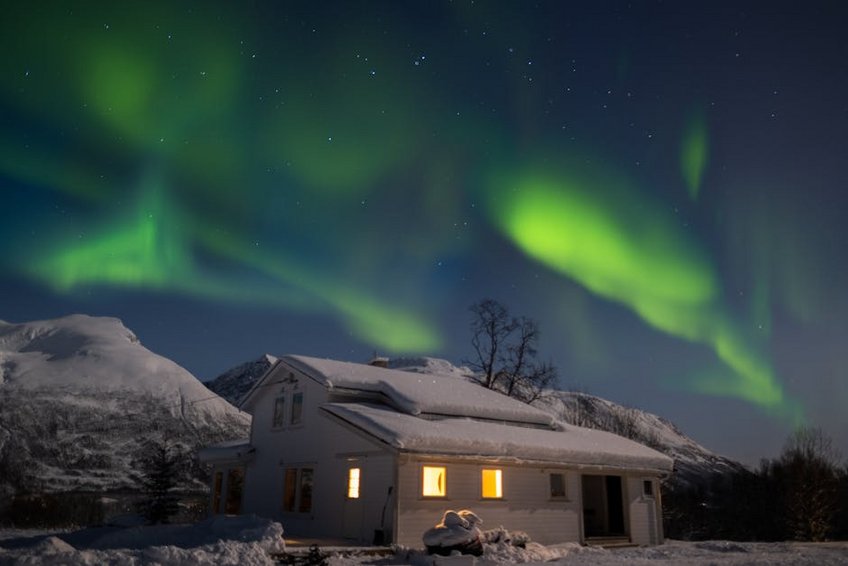
The Northern Lights, or aurora borealis, result from charged solar particles colliding with Earth’s atmosphere, creating ethereal green, purple, and red curtains of light. Tromso’s position 350 kilometers north of the Arctic Circle places it directly under the auroral oval, a ring-shaped zone with the highest probability of activity. This unique geography makes the city a prime destination for aurora chasers from around the globe.
Solar activity follows an 11-year cycle, influencing the frequency and intensity of displays. We are currently in a period of high solar activity, increasing your chances of a spectacular show. Local guides monitor space weather forecasts, including the KP index, which measures geomagnetic storm strength on a scale from 0 to 9. A KP index of 3 or higher in Tromso often signals visible activity.
Understanding the Solar Phenomenon
Knowing the science helps you appreciate what you’re seeing and when to look.
- The lights occur when solar wind particles are guided by Earth’s magnetic field toward the poles, exciting oxygen (green/red) and nitrogen (blue/purple) molecules in the upper atmosphere.
- Auroral activity correlates with sunspot cycles; we are in Solar Cycle 25, which peaks between 2024 and 2026, promising strong displays.
- Critical forecasting tools include the KP Index (aim for KP 3+), solar wind speed, and the Bz component of the interplanetary magnetic field, which must turn southward for major storms.
- Budget Traveler ($100-150/day): Stay in hostels or guesthouses, use public transport, join large-group bus tours ($80-100), and cook your own meals. Focus on free activities like city walks and hiking.
- Mid-Range Traveler ($250-400/day): Book comfortable hotel or private Airbnb rooms, join high-quality small-group minibus tours with photographers ($150-200), and enjoy a mix of restaurant and self-catered meals.
- Luxury Traveler ($500+/day): Opt for premium hotels with aurora alerts, private guided tours with professional photography ($500+ per night), fine dining, and add-on experiences like dog sledding or Sami culture visits.
- Visit Tromso Official Tourism Board
- NOAA Aurora Forecast (Space Weather Prediction Center)
Tromso’s Arctic Climate
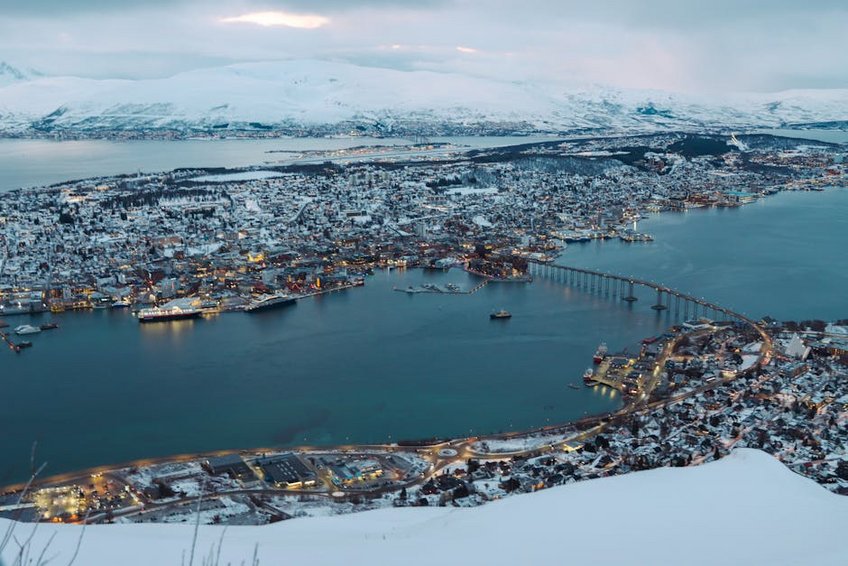
Tromso’s coastal location moderates its winter temperatures compared to inland Arctic areas. Expect average winter temperatures between 20°F and 32°F (-7°C to 0°C), though it can feel colder with wind chill. The polar night period, from late November to mid-January, brings perpetual twilight, offering potential aurora viewing for nearly 24 hours a day.
However, the coastal climate also brings variable cloud cover. Successful viewing often requires mobility to escape cloud banks, which is why guided tours that chase clear patches are highly recommended. Precipitation is common, so waterproof, insulated outer layers are non-negotiable for comfort during long nights outdoors.
Historical and Cultural Significance
For indigenous Sami cultures, the Northern Lights hold deep spiritual meaning, often seen as manifestations of ancestors or supernatural beings. Early Norse mythology interpreted the lights as reflections from the shields and armor of the Valkyrie. Today, Tromso celebrates this heritage through cultural centers and storytelling on many aurora tours, adding a rich layer to the visual spectacle.
Alt: “tromso-arctic-night-sky-aurora-borealis-mountains”
Norway Tromso Aurora Viewing Guide – Planning Your Trip
Strategic planning separates a fleeting glimpse from an unforgettable Northern Lights experience. Your success depends on choosing the right season, allocating an adequate budget, and preparing for Arctic conditions. This section outlines the key decisions you’ll make before booking your flights to Tromso, Langnes Airport (TOS).
A dedicated aurora viewing trip requires a minimum three-night stay to statistically increase your chances of a clear, active night. Tours operate regardless of cloud cover, but the best operators will travel significant distances—sometimes into Finland—to find clear skies. Flexibility and patience are your greatest assets when chasing this natural wonder.
Best Time to Visit Tromso for Aurora
The core season for reliable darkness and aurora activity runs from late September through early April. The peak months are September-October and February-March, offering a balance of decent weather, reasonable daylight for other activities, and strong solar activity. Temperatures typically range from 25°F to 35°F (-4°C to 2°C) during these months.
The deep winter months of November to January offer maximum darkness but also the highest cloud cover and precipitation. February and March provide more stable weather, clearer skies, and increasing daylight. While summer (May-August) has midnight sun, the lack of dark sky makes aurora viewing impossible despite ongoing solar activity.
Budget Planning and Costs
Costs vary based on accommodation style, tour selection, and dining choices.
Essential Preparation Checklist
Packing correctly is critical for enjoying long nights outside. Essential clothing includes a merino wool or synthetic base layer, a thick mid-layer fleece or down jacket, and a windproof and waterproof hardshell outer layer. Insulated, waterproof boots with good grip, thermal socks, and glove liners under insulated mittens are mandatory.
Documentation needs are straightforward for US and EU passport holders, requiring a passport valid for three months beyond your stay. No visa is needed for tourist stays under 90 days. Book your aurora tour and key accommodations at least 2-3 months in advance, especially for peak season visits in February and March.
Top Viewing Experiences and Activities
Beyond simply looking up, Tromso offers diverse ways to experience the Northern Lights, from traditional chase tours to unique cultural settings. The city serves as a gateway to pristine Arctic landscapes where light pollution is minimal. Combining aurora viewing with other Arctic adventures makes for a richly layered trip, ensuring enjoyment even if the lights are shy.
Guided tours provide the highest success rate due to professional forecast analysis and mobility. Independent viewing is possible with a rental car, but requires meticulous weather monitoring and knowledge of safe, dark locations. Many visitors opt for a mix: one or two guided tours for learning and chasing, then independent attempts on other nights.
Must-See Highlights and Tours
Small-group minibus tours (8-15 people) offer the best balance of mobility, guide attention, and comfort. Reputable operators provide thermal suits, tripods, hot drinks, and expert photography help. These tours typically last 5-8 hours, venturing to proven locations like Ersfjordbotn or Sommarøy, and cost $150-$200 per person.
For a unique experience, consider a Northern Lights cruise, which sails away from coastal light pollution. Alternatively, overnight stays at wilderness camps like Camp Tamok or Lyngen Lodge combine aurora viewing with other daytime Arctic activities. The Tromso Fjords provide a stunning reflective foreground if the lights appear over the water.
Hidden Gems and Local Favorites
Venture to the outer islands of the Tromso region for exceptionally dark skies. The island of Kvaløya, just a 40-minute drive from the city center, has numerous secluded beaches and mountain lookouts. Locals often head to spots like Grøtfjord or the roadside pull-offs along the route to Brensholmen for a quiet, personal experience.
For a cultural twist, some Sami-owned tour companies offer aurora viewing from a traditional lavvu (Sami tent), complete with stories and a warm fire. The Tromsø Arctic-Alpine Botanic Garden, while within the city, offers a surprisingly dark and beautiful setting with its unique polar plant collections silhouetted against the sky.
Photographing the Northern Lights
Capturing the aurora requires a camera with manual settings, a fast wide-angle lens (f/2.8 or wider), and a sturdy tripod. Essential settings typically start at ISO 1600-3200, aperture f/2.8, and a shutter speed between 5-15 seconds, adjusted for aurora movement intensity. Always shoot in RAW format for better post-processing.
Remember to enjoy the moment with your own eyes, not just through the viewfinder. Use a remote shutter release or your camera’s timer to prevent shake. Bring extra batteries, as cold drains them quickly; keep spares in an inner pocket close to your body to keep them warm until needed.
Practical Travel Information
Navigating Tromso is straightforward, with a compact city center and efficient public transport to key points. The city is well-equipped for tourism, with English widely spoken and card payments accepted almost universally. Your biggest logistical task will be coordinating evening tours with daytime explorations, as aurora hunting is a late-night endeavor.
Accommodation ranges from city-center hotels to secluded cabins. Staying downtown offers convenience for restaurants and museums, while lodging outside the city provides darker skies right from your doorstep. Many hotels offer aurora wake-up calls—a valuable service for spontaneous displays.
| Accommodation Type | Best For & Features | Price Range (USD/Night) |
|---|---|---|
| City Center Hotels | Convenience, restaurants, tour pick-ups, aurora alerts | $150 – $350 |
| Waterfront Cabins/Airbnbs | Privacy, dark skies, kitchen facilities, scenic views | $200 – $500 |
| Hostels & Guesthouses | Solo travelers/budget, social atmosphere, shared kitchens | $50 – $120 |
| Wilderness Lodges | Immersion, guided activities, all-inclusive packages | $300 – $700+ |