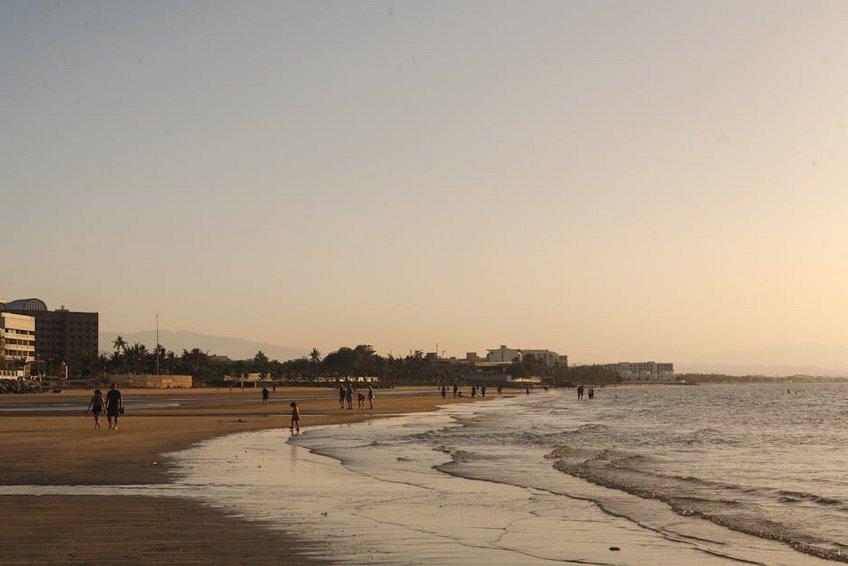
Muscat Travel Guide: Exploring Oman’s Enchanting Capital
Muscat offers a rare blend of ancient tradition and modern development framed by dramatic mountain and sea vistas. This Omani capital presents a clean, safe, and deeply cultured urban experience where historic forts stand alongside contemporary architecture and bustling souks. This Muscat travel guide provides the practical details and insider knowledge needed to navigate this unique Arabian Gulf destination, from the labyrinthine Muttrah Corniche to the serene Sultan Qaboos Grand Mosque.
Essential Information About Muscat
Muscat serves as the political, economic, and cultural heart of the Sultanate of Oman. Unlike many regional capitals, the cityscape is intentionally low-rise, preserving views of the stark Hajar Mountains that cradle the metropolitan area along the Gulf of Oman. The city is actually a conglomeration of several smaller towns and districts, including Old Muscat, Muttrah, and Ruwi, each with its own distinct character and history.
The Omani rial (OMR) is the official currency, and one rial is fixed at approximately 2.60 US dollars, making conversions straightforward for American travelers. English is widely spoken in business and tourist areas, though learning a few Arabic greetings is greatly appreciated. Omani culture is conservative yet famously hospitable, with a rich maritime history tied to frankincense trade routes that date back millennia.
A Brief History and Cultural Context
Muscat’s history as a strategic port spans over two millennia, influencing its cosmopolitan yet deeply traditional character. The Al Jalali and Al Mirani forts, built by the Portuguese in the 16th century, stand guard over the Old Muscat harbor, symbolizing centuries of maritime exchange. Modern Oman’s renaissance began in 1970 under Sultan Qaboos bin Said, who transformed the nation’s infrastructure while preserving its cultural heritage.
Geographical Setting and Climate
The city stretches along roughly 50 kilometers of coastline, sandwiched between the Gulf of Oman and the rugged Western Hajar Mountains. This geography creates a hot desert climate moderated by coastal humidity. Summer temperatures (June-September) often exceed 104°F (40°C), while the pleasant winter season (November-March) sees averages of 75-82°F (24-28°C), making it the prime time for exploration.
Language and Local Customs
Arabic is the official language, but English is commonly used in signage, hotels, and restaurants. Men typically wear the *dishdasha* (ankle-length robe), while women wear the *abaya* (cloak) and often a headscarf, though foreign visitors are not required to adhere to this dress code. Visitors should dress modestly in public areas, covering shoulders and knees, to respect local sensibilities and avoid causing offense in residential neighborhoods.
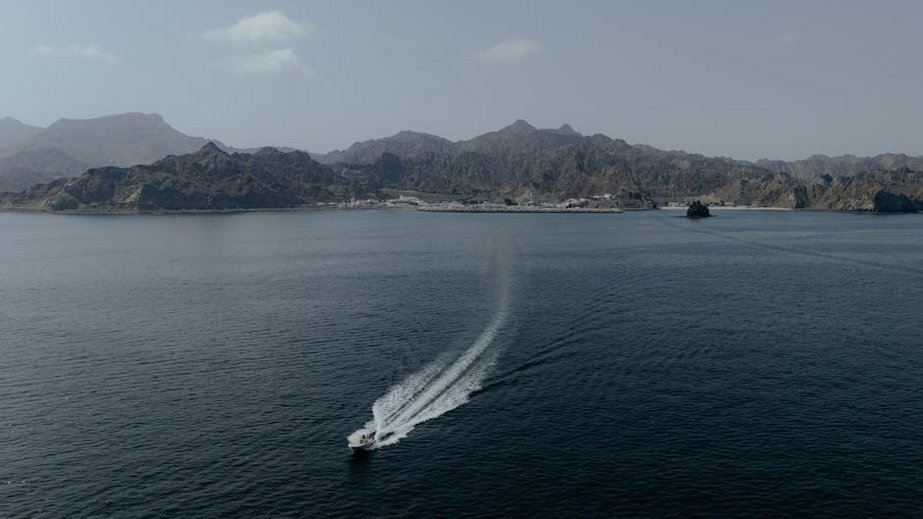
Alt: “muttrrah-corniche-fort-souq-hajar-mountains-oman”
Muscat Travel Guide – Planning Your Trip
Successful travel to Oman’s capital requires understanding seasonal patterns, budgeting for a mid-range to high-cost destination, and respecting cultural norms. Your Muscat travel guide planning should prioritize the cooler winter months for maximum comfort during outdoor sightseeing. A comprehensive plan accounts for the city’s sprawling layout, which often necessitates taxi rides or a rental car to connect major districts and attractions efficiently.
Accommodation costs represent a significant portion of your budget, with international luxury brands concentrated in the Shatti Al-Qurum and Al Khuwair districts. Booking flights and hotels several months in advance for peak season (December-February) is essential to secure the best rates. Always carry local currency (Omani rials) for smaller souk purchases, as some market stalls and older cafes may not accept international credit cards.
Best Time to Visit Muscat
The absolute best time for a visit is between November and March, when daytime temperatures range from a pleasant 70-82°F (21-28°C) and evenings are cool. This period offers ideal conditions for exploring outdoor sites like the Royal Opera House gardens and taking *dhow* cruises along the coast. January and February see the most international tourists, so expect higher prices and more crowds at premier attractions.
Shoulder seasons in April-May and October are viable but warmer, with temperatures climbing into the 90s°F (32-37°C). The summer months from June to September are extremely hot and humid, with temperatures consistently above 100°F (38°C), making outdoor activities challenging and limiting sightseeing to early mornings or air-conditioned venues. Many residents escape the heat during this time.
Budget Planning and Costs
Oman is not a budget destination, but strategic planning can manage costs effectively across different travel styles.
- Budget Traveler ($80-120/day): Focus on guesthouses in Muttrah, use public buses (only main routes), eat at local *shwarma* and rice-and-chicken cafeterias, and visit free attractions like the Muttrah Souq and corniche. Museums have nominal fees under $5.
- Mid-Range Traveler ($180-280/day): Stay in 4-star hotels in Ruwi or Al Khuwair, use metered taxis or rent an economy car for day trips, enjoy mixed meals at mid-range restaurants, and book guided half-day tours to Nizwa or snorkeling at the Daymaniyat Islands.
- Luxury Traveler ($400+/day): Experience 5-star beach resorts in Shatti Al-Qurum, hire a private driver-guide, dine at upscale international restaurants, and arrange exclusive experiences like private sunset *dhow* charters or spa treatments using Omani frankincense.
- Oman Ministry of Tourism
- Lonely Planet Muscat Guide
Essential Preparation Checklist
Pack lightweight, loose-fitting clothing made from natural fibers like cotton or linen, ensuring items cover shoulders and knees. A pashmina or light scarf is invaluable for women entering mosques. Essential gear includes high-SPF sunscreen, a wide-brimmed hat, quality sunglasses, and comfortable walking shoes with good grip for historic sites with uneven stone pathways.
US, UK, Canadian, and EU passport holders receive a 14-day visa on arrival (cost approx. 5 OMR / $13), extendable online. Ensure your passport is valid for at least six months. Comprehensive travel insurance covering medical evacuation is highly recommended. Book major hotel stays and internal flights (if traveling to Salalah) at least three months in advance for winter visits.
Top Attractions and Activities in Muscat
The city’s highlights showcase its imperial grandeur, maritime heritage, and natural beauty. You can easily spend three days exploring the core historical and cultural sites spread across the main districts. Start your exploration in Old Muscat to understand the city’s origins before moving to the vibrant port area of Muttrah. The coastal and mountain scenery provides a stunning backdrop to every experience, from urban exploration to aquatic adventures.
Many attractions have specific visiting hours, particularly religious sites, which close to non-Muslims during prayer times. The Grand Mosque, for instance, is open to visitors Saturday through Thursday mornings only. Planning your daily itinerary around these schedules and the midday heat will result in a more comfortable and efficient sightseeing experience. Always carry a bottle of water with you.
Must-See Historical and Cultural Sites
The Sultan Qaboos Grand Mosque is an architectural masterpiece and non-negotiable stop. It features the world’s second-largest hand-loomed Persian carpet and a magnificent Swarovski crystal chandelier. Visitors must dress modestly (abayas are provided for women at the entrance) and arrive during public visiting hours, typically 8-11 AM Saturday through Thursday, as it is closed on Fridays.
The Royal Opera House Muscat represents the nation’s modern cultural ambitions, with a stunning contemporary Omani architectural design. Even if you don’t attend a performance, joining a guided daytime tour (approx. 3 OMR) offers insight into its acoustics and design. In the Muttrah district, the Bait Al Zubair Museum provides an excellent overview of Omani heritage through traditional artifacts, weaponry, and costumes.
Al Jalali and Al Mirani, the twin forts guarding Old Muscat Bay, are iconic symbols of the city. While Al Jalali is not open to the public (it remains a royal palace), viewing them from the corniche or the nearby Al Mirani viewing platform is spectacular, especially at sunset. The adjacent Al Alam Palace, the ceremonial palace of the Sultan, can be admired from its grand forecourt.
Natural Wonders and Outdoor Adventures
The rugged coastline invites exploration. Book a traditional wooden *dhow* cruise from the Marina Bandar Al Rowdha to spot dolphins, turtles, and flying fish, often with views of the city’s mountainous skyline. For snorkeling and diving, the protected Daymaniyat Islands Nature Reserve, about an hour by boat, offers pristine coral reefs and clear waters teeming with marine life from September to May.
Inland, the dramatic Wadi Al Arbeieen offers a taste of Oman’s mountainous interior without a multi-day expedition. This canyon features turquoise plunge pools, date palm plantations, and traditional villages, accessible via a 4×4 vehicle. It’s less crowded than the famous Wadi Shab but equally rewarding for a half-day adventure, provided you have suitable transportation and start early.
Modern Muscat and Family-Friendly Activities
The Qurum Natural Park is a sprawling, manicured green space perfect for families, with walking paths, a lake with pedal boats, playgrounds, and numerous cafes. It’s a welcome respite from the urban environment and a popular spot for locals on weekends. Nearby, the Omani French Museum offers a quieter, child-friendly cultural stop in a beautifully restored historic house.
For a unique perspective, visit the Amouage perfume factory on the outskirts of the city. While tours require advance booking, the visitor center explains Oman’s deep connection to the frankincense trade and allows you to experience the world’s most expensive perfume. It’s a fascinating look at a luxury industry rooted in local raw materials and ancient traditions.
Practical Travel Information for Muscat
Navigating Oman’s capital is straightforward but requires understanding its decentralized layout. Most visitors rely on a combination of rental cars for day trips and taxis for intra-city travel, as the public bus network is limited in coverage. Accommodation is clustered in specific districts, each offering a different vibe, from the historic souq area of Muttrah to the modern beachfront of Shatti Al-Qurum.
Ride-hailing apps like Otaxi (the local equivalent) and international services operate reliably within the city. For maximum flexibility, especially for visiting outlying attractions like the Grand Mosque or the opera house, renting a car is advisable. Traffic is generally calm, road signs are in both Arabic and English, and petrol is exceptionally inexpensive by international standards.
| Accommodation Area | Best For / Vibe | Average Nightly Rate (USD) |
|---|---|---|
| Shatti Al-Qurum | Luxury beachfront resorts, high-end dining, shopping | $250 – $600+ |
| Al Khuwair | Modern business hotels, central location, mid-range options | $120 – $250 |
| Muttrah | Budget to mid-range, historic souq atmosphere, corniche views | $70 – $160 |
| Ruwi | Commercial center, value hotels, local dining, transportation hub | $60 – $130 |