Essaouira February Windsurfing: Atlantic Conditions & Local Charm
February transforms Essaouira into a windsurfing hub where consistent Atlantic winds meet a UNESCO-listed medina. The Alizée trade wind delivers reliable 20-25 knot conditions perfect for intermediate to advanced riders seeking open-water freedom. This guide details planning your Morocco Essaouira February windsurfing trip, covering wind patterns, gear rental logistics, and balancing water time with cultural exploration in this unique coastal city.
Essaouira’s Wind & Winter Climate Essentials
Essaouira’s reputation as “Africa’s Wind City” stems from the powerful Alizée wind funneled between the mainland and Mogador Island. During February, this thermal effect peaks, creating predictable strong winds most afternoons ideal for planing and jumping. Water temperatures hover around a brisk 63°F (17°C), requiring proper wetsuit protection.
The city experiences a mild winter climate with air temperatures ranging from 55°F to 68°F (13°C to 20°C). Mornings often start calm and sunny before winds build steadily from the northwest around midday. This reliable pattern allows for strategic session planning, with cultural visits best scheduled before noon when conditions are lighter.
February sits outside the peak summer tourist season, meaning fewer crowds in the medina and more space on the water. However, the Atlantic can deliver larger swells and powerful currents, particularly at the bay’s edges. Understanding these coastal dynamics is crucial for safety and selecting appropriate launch spots.
February Wind Analysis and Water Conditions
Windsurfers can expect sessions on 15 out of 28 days on average. The wind statistics show a clear pattern favoring afternoon sailing.
- Average Wind Speed: 18-25 knots, with stronger gusts possible in the bay’s central channel.
- Wind Direction: Predominantly Northwest (300-320 degrees), creating side-onshore conditions at the main beach.
- Swell Height: 4-8 feet (1.2-2.4 meters), with longer period waves offering challenging but rideable conditions.
- Budget Traveler ($800): Hostel dorm, rental gear for 3 days (board/sail/wetsuit ~$45/day), self-catered meals, and bus travel from Marrakech. Focus on freeride equipment and limited coaching.
- Mid-Range Enthusiast ($1,400): Private studio apartment near beach, unlimited gear rental package (~$300/week), daily restaurant meals, and a few lessons. Includes taxi transfers and entry fees for local sites.
- Luxury Experience ($2,000+): Boutique riad with sea view, premium gear rental (latest wave boards/sails), private coaching sessions, dining at top restaurants, and a rental car for exploring the surrounding coast.
- Moroccan National Tourist Office (ONMT)
- Windfinder Essaouira Wind & Weather Forecasts
What Makes Essaouira Unique for Windsurfing
Unlike many lagoon-based spots, Essaouira offers open Atlantic sailing with a historic city as your backdrop. The bay stretches over two miles, providing ample space for freeride and wave sailing without congestion. You can sail for miles along the coast with the fortified medina walls always in view.
The local windsurfing community is well-established, with several schools and rental shops operating year-round. This infrastructure means you can find equipment repairs, coaching, and fellow sailors easily. The combination of reliable conditions and full support services makes it a stress-free destination for traveling wind enthusiasts.
Navigating the Medina and Beach Access
The windsurfing beach runs directly alongside the medina, separated by a broad promenade. Access points are located near the main city gate (Bab Sbaâ) and further south near the port. Most rental centers cluster in this southern zone, offering storage for your gear just steps from the water.
Street parking is available along the coastal road if you have a rental car and your own equipment. For those renting gear, the shops provide secure storage, eliminating the need to transport bulky sails and boards through the medina’s narrow alleys. This convenient setup maximizes your time on the water.
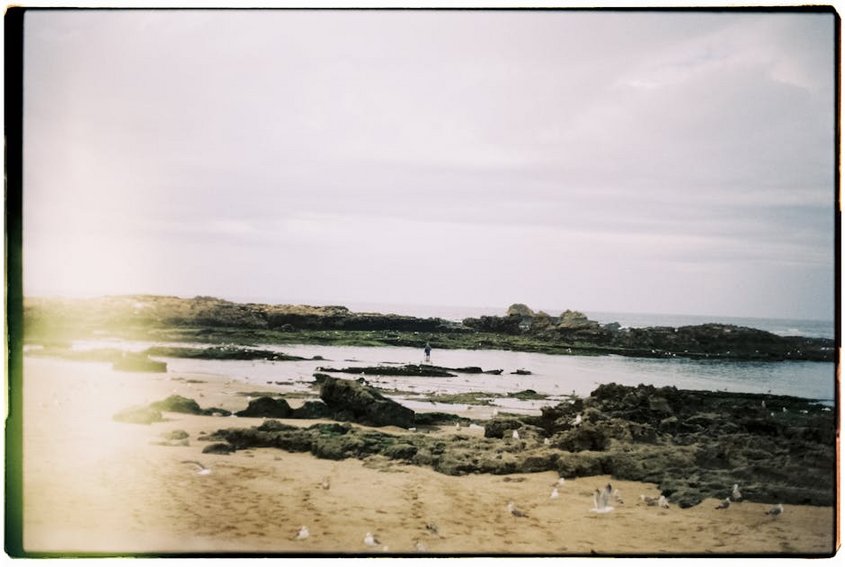
Alt: “essaouira-atlantic-beach-windsurfing-february-wind-conditions”
Morocco Essaouira February Windsurfing – Planning Your Trip
Organizing a windsurfing-focused visit requires attention to seasonal specifics. February demands preparation for variable conditions, from strong sun to chilly winds. Booking windsurfing packages in advance secures the best gear, as local stock, especially for advanced sails and boards, can be limited during this active month.
Your budget should allocate funds for a 5/4mm wetsuit, booties, and potentially a hood, as the Atlantic remains cold. Most visitors spend between $800 and $2,000 for a week-long trip, excluding international flights. This range covers mid-range accommodation, daily equipment rental, meals, and local transportation.
Focus your lodging search on the medina’s southern edge or the modern “Ville Nouvelle” district near the beach. These locations minimize walk time with gear. Confirm your hotel or rental apartment has hot water and good heating for comfortable post-session recovery.
Best Time to Visit for Wind Consistency
The peak wind season runs from April through September, but February offers a compelling alternative with strong winds and no crowds. Daily wind patterns typically start around 11 AM, building until 4 PM, then gradually decreasing. Mornings are perfect for exploring the souks or visiting the Portuguese ramparts.
Early February can see slightly more rainfall, while late February often brings more consistent sunshine. The Moroccan school holiday period sometimes occurs in February, potentially increasing domestic tourism, but this rarely affects water space. For the strongest guaranteed winds, target the last two weeks of the month.
Budget Planning and Costs
Costs vary significantly based on gear needs and accommodation style. Here’s a typical breakdown for a one-week trip.
Essential Preparation Checklist
Pack a 5/4mm full wetsuit, 3mm booties, gloves, and a neoprene hood. The wind chill on the water is significant. Bring a separate repair kit with epoxy, fiberglass cloth, and a multi-tool, as rental shops may charge for minor damages. Sun protection is vital—pack zinc cream for your face and lip balm.
Ensure your travel insurance explicitly covers windsurfing. Most standard policies exclude “extreme sports,” requiring an add-on. For visa requirements, US and EU passport holders receive a 90-day entry stamp on arrival. Book your initial night’s accommodation to show proof of plans if requested at customs.
Top Wind Spots and Local Activities
Essaouira’s bay presents multiple zones suited to different skill levels. Beginners stick to the southern sheltered area near the port, while experts head to the central channel for high-speed runs. The northern point near Cap Sim offers wave sailing when swell direction aligns, though currents here demand caution.
Beyond windsurfing, the medina provides endless exploration with its blue-shuttered houses and artisan workshops. The Skala de la Ville fortress offers panoramic views of the bay, perfect for assessing afternoon wind conditions. The port area buzzes with activity as fishermen unload the day’s catch.
Day trips to the surrounding Argan forest or the nearby Diabat dunes provide a break from the wind. These excursions showcase the region’s diverse landscape, from coastal scrub to rolling sandy hills. You can book these through local agencies found just inside the medina gates.
Must-See Highlights in and Around Essaouira
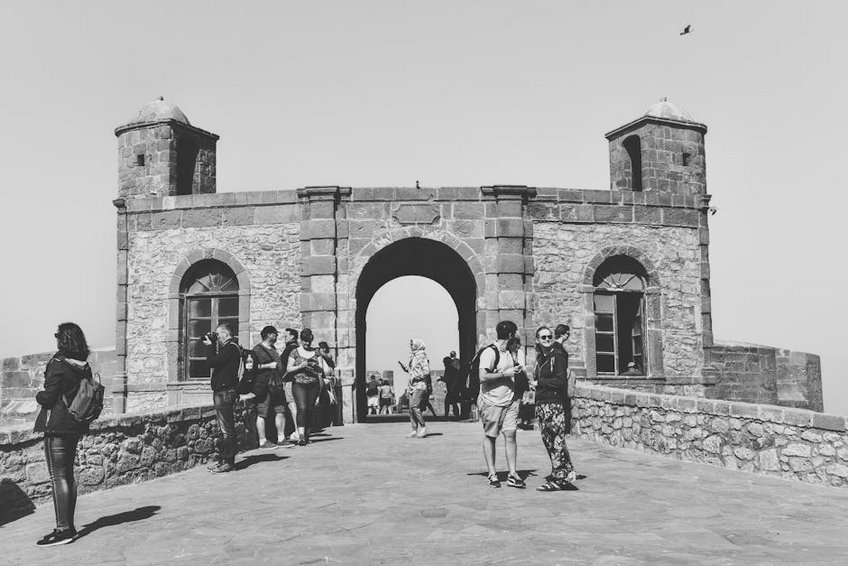
The medina’s UNESCO-listed ramparts, built in the 18th century, provide a historic backdrop to your sailing. Walk the walls in the morning for photos before the wind picks up. Entry is free, and it’s less crowded than similar sites in Marrakech or Fez.
Mogador Island, visible from the beach, is a nature reserve closed to the public but forms part of the iconic view. The bustling fish market at the port is a sensory experience; have a vendor grill your chosen fish for an inexpensive, fresh lunch. For a cultural deep dive, visit the Sidi Mohammed ben Abdallah Museum to understand the city’s musical and artistic heritage.
Hidden Gems and Local Favorites
Locals often escape the wind in the courtyard of Cafe L’Horloge, a quiet spot near the clock tower. For post-session relaxation, the hammams just inside the medina walls offer authentic steam baths and massages at a fraction of hotel spa prices. Ask for “gommage” (scrub) for the full experience.
Venture south of the city to Sidi Kaouki, a laid-back village with a longer, more exposed beach. The wind is often stronger here, and the vibe is purely surf-focused with simple cafes. It’s a 25-minute taxi ride or a scenic bike ride along the coast if the wind isn’t blowing.
Wave Sailing and Freeride Zones
The main bay offers a mix of flat water near the shore and building swells further out. For wave sailing, head to the northern sector when the swell is from the northwest. This area works best on a mid to high tide, providing steep, manageable waves for frontside riding.
Freeriders enjoy the vast area from the port to the river mouth, where consistent side-onshore winds create ideal planing conditions. This zone has minimal current, making it safe for long, fast reaches. Several rental shops position themselves here for easy access to the best wind.
Practical Travel and Accommodation Information
Essaouira’s compact size makes navigation easy. The Essaouira-Mogador Airport (ESU) receives flights from European cities like Paris and Brussels, plus domestic connections from Casablanca. Most international travelers fly into Marrakech (RAK) and take a 2.5-hour bus or taxi to the coast.
Within the city, everything is walkable. Petit taxis are inexpensive for traveling with gear from accommodations further inland. Car rentals are useful for exploring the coast but unnecessary for a wind-focused stay, as all services are beach-adjacent.
| Accommodation Type | Best For | Price Range/Night (USD) |
|---|---|---|
| Beachfront Apartments | Direct beach access, kitchen facilities, gear storage | $70 – $120 |
| Medina Riads | Authentic experience, traditional architecture, central location | $50 – $150 |
| Modern Hotels (Ville Nouvelle) | Comfort, reliable heating, international standards | $80 – $200 |
| Surf Camps | Social atmosphere, package deals, equipment included | $40 – $90 (including meals) |