Modern Attractions in Baku
Baku masterfully bridges centuries, where ancient cobblestone streets meet a glittering skyline of futuristic towers. This capital of Azerbaijan offers a unique urban adventure, showcasing bold contemporary architecture, world-class museums, and vibrant public spaces that have reshaped its identity. This guide explores the essential modern attractions in Baku, providing practical details on visiting these landmarks, understanding their design, and planning a seamless trip.
Baku’s Contemporary Transformation
The city’s modern aesthetic is a direct result of its 21st-century economic growth and a deliberate vision to establish a global presence. Architectural marvels now define the coastline and business districts, creating dramatic contrasts with the UNESCO-listed Old City, Icherisheher. This fusion offers visitors a dynamic experience where they can explore millennia of history and cutting-edge design within a single day.
Key projects were often designed by internationally acclaimed architects, bringing a distinct and often avant-garde style to the Caspian shoreline. The development is not merely cosmetic; it includes major cultural institutions, expansive boulevards, and intelligent urban planning aimed at enhancing livability. Understanding this context enriches the experience of seeing these structures, as they symbolize the nation’s forward-looking aspirations.
Architectural Styles and Vision
The contemporary architecture in Baku is characterized by several dominant styles and influences.
- Futurist & Organic Forms: Buildings like the Heydar Aliyev Center, designed by Zaha Hadid, feature flowing, seamless curves that reject traditional angles, symbolizing fluidity and the future.
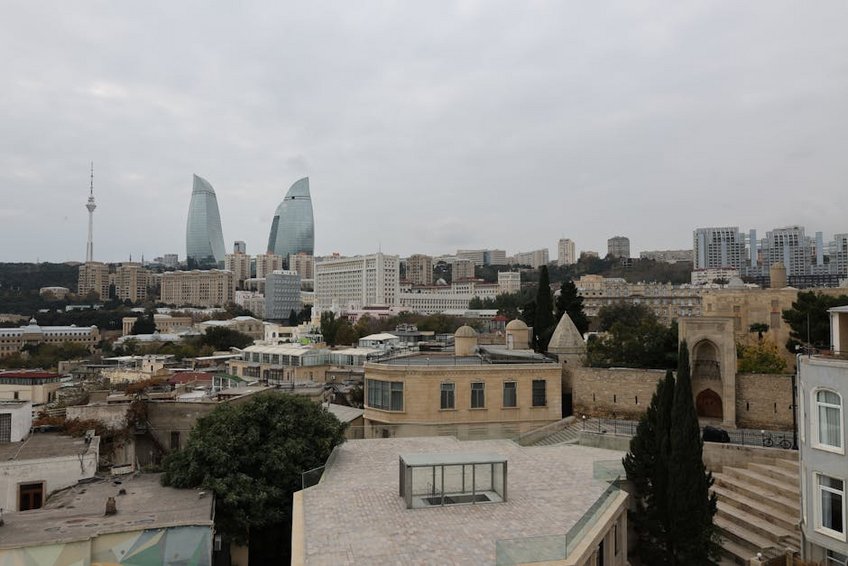
- Neo-Futurist & Symbolic: The iconic Flame Towers are clad in LED screens that display moving fire, a powerful nod to Azerbaijan’s history as a land of natural gas fires and its Persian name, “Land of Fire.”
- Modernist & Functional: Structures like the Baku Crystal Hall and various business centers emphasize glass, steel, and clean lines, prioritizing function and light.
- Budget Traveler ($50-80/day): Stay in hostels or budget guesthouses, use the metro, eat at local eateries (qutab, plov), and enjoy free attractions like the Baku Boulevard and viewing buildings externally. Allocate $10-15 for one major paid museum entry.
- Mid-Range Traveler ($100-200/day): Comfortable hotel in the city center, occasional taxis, meals at mid-range restaurants, and entry to 2-3 major paid attractions like the Heydar Aliyev Center Museum and the Flame Towers observation deck. Includes a guided walking tour.
- Luxury Traveler ($300+/day): Five-star hotel with Caspian Sea views (e.g., Fairmont or Four Seasons), private driver or guided tours, fine dining experiences, and exclusive access or VIP tickets to events and cultural shows.
- Official Tourism Board of Azerbaijan
- UNESCO World Heritage Centre – Baku
Key Neighborhoods for Modern Design
While modern landmarks are spread across the city, two primary areas concentrate the most impressive contemporary architecture. The White City (Ag Shahar) and Baku Boulevard area along the Caspian Sea form the core of this new landscape. Here, you can walk from one stunning structure to another, enjoying both the architecture and the seaside promenade.
The Baku Crystal Hall and the Flame Towers are central features of this coastal zone. Meanwhile, developments in the Heydar Aliyev Center area and the Port Baku district showcase more recent additions to the city’s business and cultural fabric. Exploring these districts reveals the scale and ambition of Baku’s urban renewal.
The Role of Cultural Revival
Modern construction in Baku is deeply intertwined with cultural preservation and promotion. Many new attractions are cultural institutions first, such as the Heydar Aliyev Center, which houses a museum, gallery, and auditorium. This ensures the contemporary landscape has intellectual and artistic substance beyond its visual impact.
The government has actively used architecture to bolster national pride and attract international tourism and business. This strategy has been largely successful, putting Baku on the map for travelers interested in design and urban development. The city now hosts major international events, from the European Games to Formula 1, in these very venues.
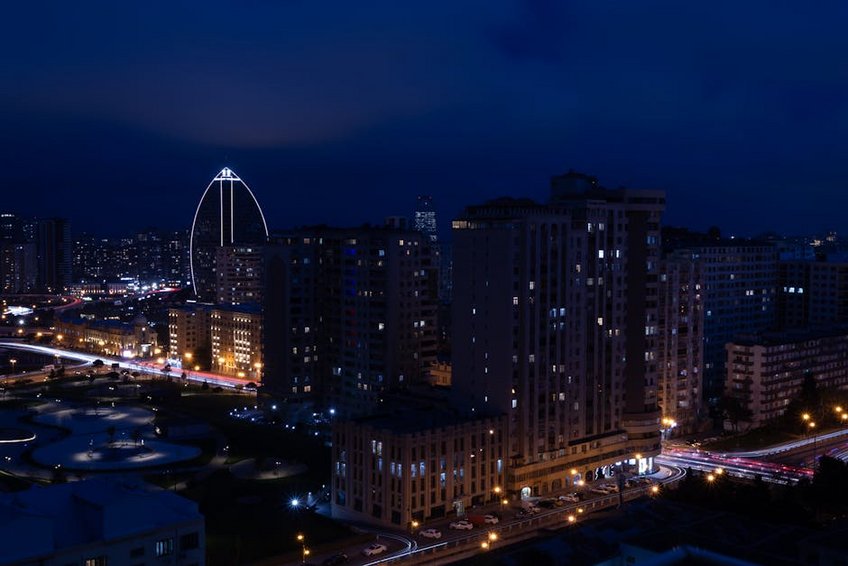
Alt: “baku-flame-towers-night-skyline-caspian-sea”
Modern Attractions in Baku – Planning Your Trip
To fully appreciate Baku’s contemporary side, strategic planning is key. The city experiences hot, dry summers and cool, windy winters, which influences the best time for comfortable exploration. Your modern attractions in Baku itinerary should balance iconic photo spots with deeper cultural visits inside the museums and centers. Most major sites are concentrated, making efficient exploration possible.
Budgeting is variable; while viewing architecture from the outside is free, entrance fees for museums and observation decks add up. Consider purchasing the Baku Card for discounted access to several key attractions. Transportation between modern districts is easiest by taxi or the modern Baku Metro, whose own stations are attractions of Soviet-era design.
Best Time to Visit for Architecture and Exploration
The ideal months for exploring Baku’s outdoor modern attractions are April-May and September-October. During these periods, daytime temperatures range from a pleasant 65°F to 80°F (18°C to 27°C), with minimal rain and manageable crowds. This weather is perfect for walking the boulevard and photographing landmarks in comfortable conditions.
Summer (June-August) can be intensely hot, often exceeding 95°F (35°C), though evenings on the boulevard are lively. Winter (November-March) is chilly and windy, with temperatures between 35°F and 50°F (2°C and 10°C), but hotel rates are at their lowest. The Flame Towers’ light shows are spectacular year-round after dusk.
Budget Planning and Costs
Daily costs vary significantly based on your travel style. Here is a breakdown for different budgets.
Essential Preparation Checklist
Pack for variable weather; include layers, a windbreaker, comfortable walking shoes, sunglasses, and a sun hat for the bright, reflective cityscape. For photography, a wide-angle lens is essential to capture the scale of the modern architecture, and a tripod is useful for night shots of the illuminated towers.
Check visa requirements; many nationalities, including US and EU passport holders, can obtain an e-visa online easily before travel. Secure travel insurance that covers medical emergencies. Book accommodation and popular museum tickets online in advance during peak seasons to ensure availability and sometimes receive a discount.
Top Contemporary Landmarks and Experiences
Baku’s skyline is a showcase of ambitious 21st-century architecture. Each landmark tells a story of design, function, and national identity. From the undulating curves of a world-famous cultural center to towers that dance with light, these sites form the core of any modern exploration. All are accessible via public transport or a short taxi ride from the city center.
Beyond the iconic structures, the city offers modern museums, high-tech parks, and innovative public spaces. Pairing a visit to an exterior marvel with an interior exploration of its museum provides a complete understanding of the attraction’s purpose. Most sites are open daily, though hours for museums and observation decks should be verified in advance.
Must-See Architectural Highlights
The Heydar Aliyev Center is an absolute must-see, both inside and out. Its seamless, wave-like structure defies conventional architectural form. Inside, it houses excellent exhibitions on Azerbaijani history and culture, alongside a gallery of classic cars. Plan for at least 2-3 hours to appreciate both the building and its contents.
The Flame Towers are Baku’s most recognizable symbol. Visit during the day to admire their sleek form, and return after dark to witness the spectacular LED light show that mimics fire across their facades. For the best panoramic view of the city and the towers themselves, take the funicular up to Highland Park (Dagustu Park).
The Baku Crystal Hall, built for the Eurovision Song Contest, is a striking glass structure on the boulevard. While access inside is often event-dependent, its exterior is impressive. Nearby, the Carpet Museum’s building, shaped like a rolled-up carpet, is a modern tribute to this traditional art form and worth a visit.
Hidden Gems and Local Favorites
While the major towers dominate the skyline, seek out the “Little Venice” complex on Baku Boulevard. This charming network of canals and bridges, built in the 1960s and recently renovated, offers gondola rides and is a picturesque, often overlooked, example of mid-century modern leisure design integrated into the cityscape.
For a local hangout with modern vibes, visit the Port Baku area. This upmarket development features contemporary shopping, dining, and beautifully landscaped public spaces favored by Baku’s residents. It provides a glimpse into the city’s aspirational lifestyle away from the main tourist paths.
The Museum of Modern Art, though smaller, presents a compelling collection of Azerbaijani and international contemporary works in a sleek, modern building. It’s a quiet refuge that showcases the artistic output paralleling the architectural boom.
Modern Cultural Experiences
Attend a performance at the Heydar Aliyev Center’s auditorium, which hosts everything from classical music to ballet in a state-of-the-art setting. Check their schedule in advance and book tickets online. This offers a chance to experience the building’s acclaimed acoustics and interior design as a local would.
Explore the “YARAT” Contemporary Art Space, a non-profit organization dedicated to nurturing contemporary art in Baku. Housed in a converted Soviet-era naval building, its ever-changing exhibitions focus on cutting-edge local and regional artists, providing context for the city’s creative energy beyond architecture.
Practical Travel and Logistics
Navigating Baku is straightforward, with its modern attractions concentrated in accessible areas. Heydar Aliyev International Airport (GYD) is the main gateway, located about 20 km east of the city center. The most convenient way to reach your hotel is via a pre-booked taxi or the airport express bus, which connects to the metro system.
Accommodation options cater to all budgets, with luxury hotels offering the best views of the Caspian Sea and the Flame Towers. Staying near Fountains Square or the Boulevard provides walking access to many sites and the vibrant downtown dining scene. For longer stays, apartments in the newer White City district offer a local feel.
| Accommodation Type | Best For / Features | Average Nightly Rate (USD) |
|---|---|---|
| Luxury (5-Star) | Sea/City views, spas, fine dining, prime boulevard location | $200 – $450 |
| Mid-Range (4-Star/Boutique) | Central location, comfort, breakfast included, modern amenities | $80 – $150 |
| Budget (Hotel/Guesthouse) | Basic clean rooms, near metro, social atmosphere | $40 – $80 |
| Apartment Rental | Families/long stays, self-catering, local neighborhood feel | $50 – $120 |