Malta Travel Guide: Navigating the Mediterranean’s Historic Crossroads
This Malta travel guide provides essential information for exploring this unique archipelago nation. You’ll find a compelling mix of 7,000 years of history, vibrant contemporary culture, and stunning coastal landscapes packed into a small, easily navigable area. This guide details the best times to visit, how to get around, top historical sites, and authentic local experiences to help you plan an efficient and rewarding trip.
Essential Malta Information
Malta is a Southern European island country in the Mediterranean Sea, consisting of three inhabited islands: Malta, Gozo, and Comino. The nation boasts a rich, layered history shaped by Phoenicians, Romans, Arabs, Knights of St. John, French, and British rule, each leaving distinct cultural and architectural marks. Its strategic location has made it a historical crossroads, evident in its UNESCO World Heritage sites, multilingual population, and unique Maltese language.
The official languages are Maltese and English, making communication straightforward for most travelers. Malta uses the Euro (€) and is a member of the European Union and the Schengen Area. The climate is typically Mediterranean, with hot, dry summers and mild, wetter winters, offering distinct seasonal travel experiences.
Key Facts and Figures
Before you visit, here are some foundational details about the Maltese islands.
- Capital City: Valletta, a fortified city and a UNESCO site, is one of the world’s smallest national capitals by area.
- Population: Approximately 520,000 people reside across the main islands, creating a dense but lively atmosphere.
- Getting There: Malta International Airport (MLA) is the sole airport, with direct flights from many major European hubs.
- Budget (Under $75/day): Stay in a hostel or guesthouse, use public buses, eat pastizzi (savory pastries) and ftira (sandwiches) from local bakeries, and focus on free sights like wandering Valletta’s streets and coastal walks.
- Mid-Range ($100-$200/day): This covers a comfortable hotel or Airbnb, occasional taxis, restaurant meals, and entry fees to major sites like St. John’s Co-Cathedral and the Hypogeum. You can also afford a Gozo day trip and some guided tours.
- Luxury ($300+/day): Stay in a 5-star hotel or a boutique palazzo, hire a private driver for day trips, dine at top restaurants, and book exclusive experiences like private yacht charters to Comino or guided archaeology tours.
- Malta Tourism Authority
- UNESCO World Heritage Centre – Malta
Understanding the Maltese Islands
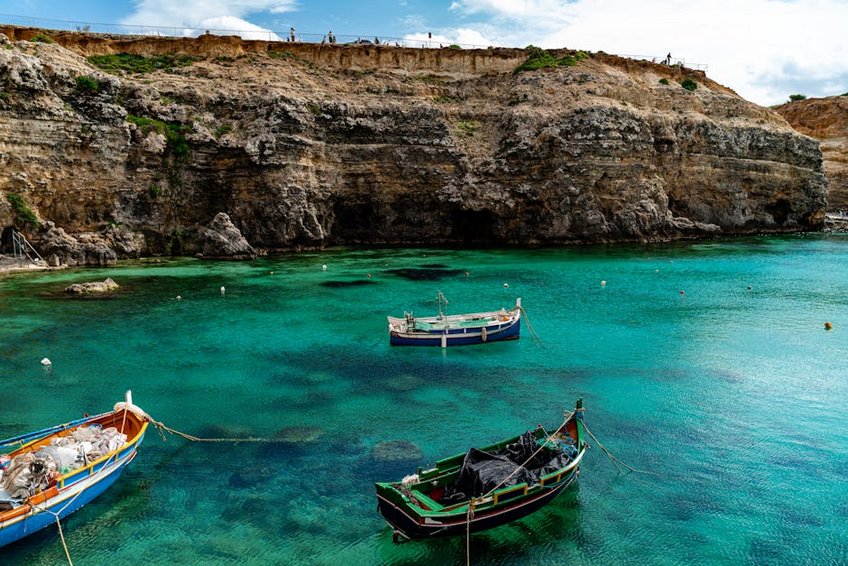
Each island offers a different character. Mainland Malta is the bustling heart, home to the capital Valletta, the historic Three Cities, and most commercial activity. Gozo, accessible by a 25-minute ferry, is greener, more rural, and known for its dramatic coastline, including the Azure Window site. Tiny Comino is largely uninhabited and famous for the breathtaking Blue Lagoon.
Distances are short. You can drive from the southernmost to the northernmost point of Malta in about an hour. This compact size allows for efficient day trips and easy exploration. However, traffic, especially around the central harbor area, can be heavy during peak hours.
A Brief Historical Context
Malta’s history is visible at every turn. The Ġgantija Temples on Gozo are older than Stonehenge and the Egyptian pyramids. The Knights of St. John built imposing fortifications, hospitals, and palaces in Valletta and the Three Cities after the Great Siege of 1565. British rule from 1800 to 1964 introduced left-hand driving and the iconic red phone boxes.
This historical confluence creates a fascinating cultural tapestry. You’ll hear Maltese, a Semitic language with heavy Italian and English influences, see Baroque churches next to modernist buildings, and enjoy a cuisine that blends Southern European and North African flavors.
Alt: “valletta-grand-harbor-fortifications-baroque-architecture-sunset”
Malta Travel Guide – Planning Your Trip
Successful planning for the Maltese islands balances historical exploration with coastal relaxation. You must consider the intense summer heat, the festive but crowded winter holidays, and your primary interests, whether diving, hiking, or archaeology. Booking key attractions and popular restaurants in Valletta a few days in advance is wise, especially from June to September.
Accommodation ranges from budget guesthouses in Sliema to luxury hotels in historic Valletta buildings. Renting a car provides maximum flexibility for visiting remote temples and beaches, but parking in urban centers is challenging. Alternatively, the extensive and affordable bus network serves most key destinations reliably.
Best Time to Visit Malta
The peak season runs from June to August, offering guaranteed sunshine and sea temperatures around 77°F (25°C), perfect for swimming. However, daytime highs often exceed 86°F (30°C), and popular spots are crowded. This is the best time for beach holidays and vibrant nightlife in St. Julian’s.
For ideal sightseeing weather, visit during the shoulder seasons of April-May or September-October. Temperatures range from a pleasant 68-77°F (20-25°C), crowds are thinner, and accommodation prices are lower. The winter months (November-March) are mild, around 59°F (15°C), but can be rainy and windy, though they offer a quiet, local experience and festive Christmas markets.
Budget Planning and Costs
Your daily budget depends heavily on season and accommodation style. Here’s a typical breakdown for a mid-range traveler.
Essential Preparation Checklist
Pack for the season: light, breathable clothing, a sun hat, and strong sunscreen are summer essentials. Include a light jacket or sweater for cooler evenings and winter visits. Comfortable walking shoes are non-negotiable for exploring historic cities with steep, cobbled streets.
Ensure your passport is valid for at least three months beyond your planned departure from the Schengen Area. U.S. and EU citizens do not need a visa for stays under 90 days. Book the Hal Saflieni Hypogeum, a unique underground Neolithic temple, weeks or even months in advance, as tickets are extremely limited.
Top Attractions and Historical Sites
The Maltese archipelago is an open-air museum. The capital, Valletta, is a masterpiece of Baroque architecture and military engineering, packed with monuments. Beyond the capital, the ancient megalithic temples stand as silent testaments to prehistoric engineering. The island’s fortifications, built by the Knights, offer panoramic views and a tangible sense of history.
Coastal attractions are equally impressive. The Blue Lagoon on Comino provides unbelievably turquoise waters for swimming and snorkeling. The dramatic cliffs of Dingli on Malta and the inland sea of Dwejra on Gozo showcase the powerful natural beauty shaped by wind and sea.
Must-See Highlights
Start in Valletta. St. John’s Co-Cathedral is astonishing, with its ornate, gold-filled interior and Caravaggio masterpieces. Walk the fortification walls for Grand Harbour views and visit the Upper Barrakka Gardens for the noon cannon firing. The National Museum of Archaeology provides crucial context for the prehistoric sites.
Across the harbor, the Three Cities (Vittoriosa, Senglea, and Cospicua) offer a more authentic, less crowded historical experience. Take a traditional dghajsa (water taxi) across for the best approach. On Gozo, the Ċittadella in Victoria is a fortified city with roots in the Bronze Age, offering museums and superb island views.
Hidden Gems and Local Favorites
Escape the crowds at the St. Agatha’s Catacombs in Rabat, a less-visited alternative to the famous St. Paul’s Catacombs. For a stunning, secluded swim, head to Għar Lapsi, a natural rocky inlet on Malta’s south coast. The nearby Mnajdra and Ħaġar Qim temples have a spectacular seaside setting.
In Gozo, visit the Ta’ Mena Estate for a taste of local wine, olive oil, and cheese. The quiet, rural lanes around Xagħra and Nadur are perfect for cycling. For a unique perspective, join a kayaking tour around the southern cliffs of Malta, inaccessible by land.
Diving and Marine Exploration
Malta is a top European diving destination with clear waters, caves, and wrecks. The underwater landscape features reefs, arches, and the famous Blue Hole on Gozo. Numerous wrecks, like the WWII bomber and the tugboat Rozi, are purposely sunk to create artificial reefs.
Dive schools cater to all levels, from beginner courses to advanced technical diving. The best conditions are from May to October, with visibility often exceeding 100 feet (30 meters). Snorkelers will also enjoy the clear waters at spots like the Blue Lagoon and St. Peter’s Pool.
Practical Travel Information
Navigating the islands is straightforward. Malta’s public bus system is comprehensive and very affordable, with a flat fare for most routes. The Tallinja Card offers unlimited travel for a set number of days. Ferries connect Malta to Gozo and Comino frequently, with the main crossing taking 25 minutes.
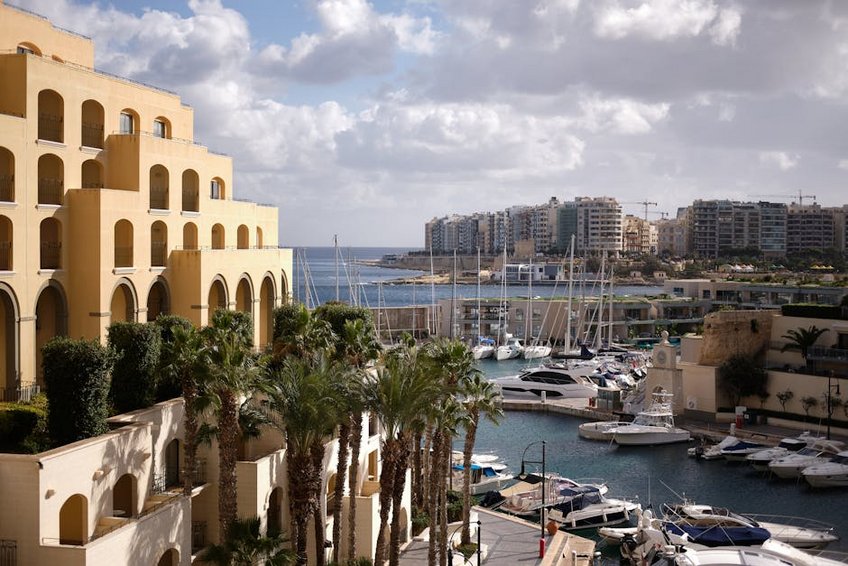
Accommodation is concentrated in several key areas: Sliema and St. Julian’s for nightlife and modern amenities, Valletta for history and luxury, and Mdina or Gozo for a quieter, more atmospheric stay. Self-catering apartments and farmhouses on Gozo are excellent for longer or family stays.
| Accommodation Area | Best For | Price Range/Night (USD) |
|---|---|---|
| Sliema/St. Julian’s | Nightlife, restaurants, sea views, modern hotels | $80 – $250+ |
| Valletta | History, luxury boutique hotels, walking to sights | $120 – $400+ |
| Mdina/Rabat | Quiet, historic atmosphere, quaint guesthouses | $70 – $180 |
| Gozo (Various Villages) | Rural relaxation, self-catering farmhouses, diving | $60 – $200 |