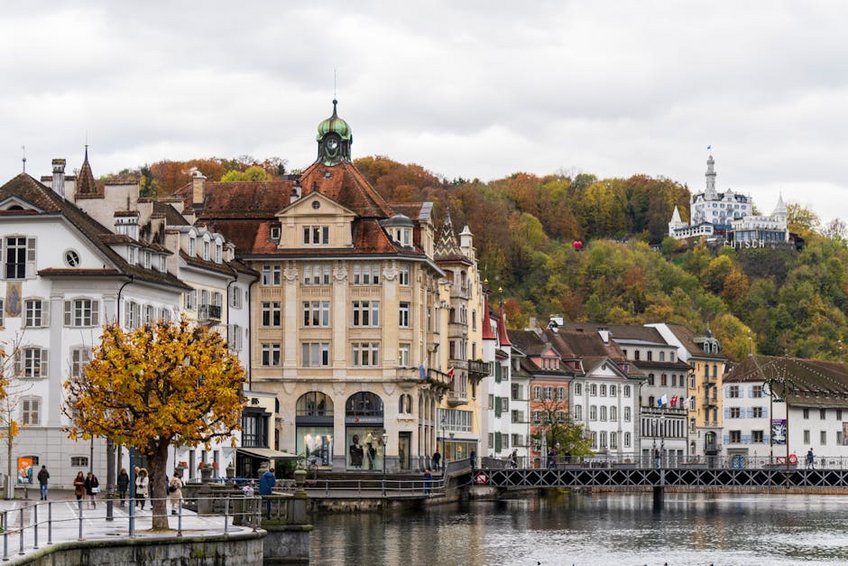
Lucerne Travel Guide: Explore Switzerland’s Lakeside Gem
Planning a trip to Switzerland centers around choosing the right base, and Lucerne stands out as a premier choice. This comprehensive Lucerne travel guide provides the essential details for navigating its historic bridges, mountain excursions, and charming old town. You will find practical advice on timing your visit, budgeting for Swiss prices, and crafting an itinerary that captures the city’s unique blend of natural beauty and urban culture.
Essential Lucerne Information
Lucerne, or Luzern in German, is a city in central Switzerland situated on the shores of Lake Lucerne. Its history dates back to the 8th century, with its official founding around 1178. The city gained strategic importance with the construction of the Chapel Bridge in the 14th century, which served as part of its fortifications.
Today, it functions as the capital of the canton of Lucerne and a major tourism hub. The city’s location makes it a gateway to central Switzerland and the Alps. Visitors appreciate its compact, walkable center and efficient public transport links to surrounding peaks.
Switzerland is part of the Schengen Area, allowing US and EU passport holders visa-free stays of up to 90 days. The local currency is the Swiss Franc (CHF), though Euros are often accepted with change given in Francs. Credit cards are widely used, but having some cash is wise for smaller cafes and markets.
Key Facts at a Glance
Before you pack your bags, here are the fundamental details you should note.
- Language: The primary language is Swiss German, but English is universally spoken in tourist areas, and Hochdeutsch (standard German) is understood. French and Italian language skills are less common here.
- Currency: Swiss Franc (CHF). As of late 2024, 1 CHF is approximately $1.10 USD. Check exchange rates before exchanging money, as airport kiosks offer poor rates.
- Best Airport: Zurich Airport (ZRH) is the primary international gateway, located about 1 hour away by direct train. The smaller EuroAirport Basel-Mulhouse-Freiburg (BSL) is a 1.5-hour drive.
- Budget Traveler ($100-150/day): Stay in hostels like the YHA Lucerne, use a Swiss Travel Pass Youth, eat supermarket meals (Coop/Migros), and enjoy free sights like the Museggmauer city walls. Focus on walking tours and public lake ferries included in the pass.
- Mid-Range Traveler ($250-400/day): Book a 3-star hotel in the old town, dine at casual restaurants for one meal daily, take one major mountain excursion (Pilatus Golden Round Trip costs ~$110), and use regional travel passes. This allows for comfort and key experiences.
- Luxury Traveler ($600+/day): Stay at lakeside hotels like the Hotel Palace Luzern, enjoy fine dining at places like Old Swiss House, take private guided tours, and experience multiple premium mountain trips via cable car and cogwheel train. This tier offers maximum convenience and exclusive access.
- Luzern Tourism Official Website
- Switzerland Tourism – Lucerne Region
Climate and Weather Patterns
Lucerne experiences a temperate climate with four distinct seasons. Summers, from June to August, are pleasantly warm with average highs between 70-75°F (21-24°C). This period sees the most sunshine but also occasional afternoon thunderstorms, especially in July.
Winter, from December to February, is cold and often overcast. Temperatures typically range from 30-38°F (-1 to 3°C), with snowfall common in the city and plentiful in the nearby mountains. Spring and fall are transitional seasons with mixed weather, offering fewer crowds and moderate temperatures.
Local Culture and Etiquette
Swiss culture values punctuality, cleanliness, and quiet. Public transportation runs precisely on schedule, so being late is frowned upon. Sundays are traditionally quiet, with most shops closed and residents observing a day of rest.
When greeting, a firm handshake is standard. Tipping is not obligatory as service charges are included, but rounding up the bill or leaving 5-10% for excellent service is appreciated. Always recycle diligently using the color-coded public bins.
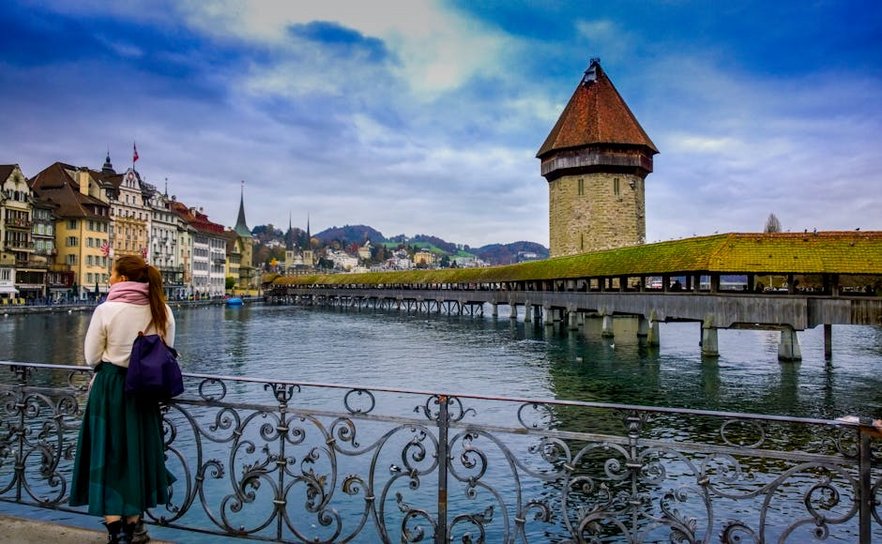
Alt: “lucerne-switzerland-chapel-bridge-waterfront-historic-city”
Lucerne Travel Guide – Planning Your Trip
Effective planning transforms a good visit into a great one. This Swiss city offers different experiences each season, so aligning your interests with the calendar is crucial. Your budget will also shape your choices, from mountain excursions to dining options.
Accommodation books quickly during peak periods, so securing your hotel three to six months in advance is advisable. Consider purchasing a Swiss Travel Pass for unlimited travel on trains, buses, boats, and free museum entry, which offers significant savings for intensive itineraries.
This Lucerne travel guide emphasizes checking the official SBB website for train schedules and buying tickets in advance for popular mountain railways like Pilatus or Titlis. These journeys are highlights but require planning, especially for good weather windows.
Best Time to Visit Lucerne
The ideal time depends on your priorities. For warm weather and lake activities, visit between late May and September. July and August are peak tourist months with long days, but also the highest prices and crowds. Hotel rates can be 30-40% higher.
For winter sports and Christmas markets, December through February is perfect. The city is festive, and nearby Engelberg-Titlis offers superb skiing. Shoulder seasons like April-May and September-October provide a balance of decent weather, fewer people, and lower costs.
Budget Planning and Costs
Switzerland is expensive, but smart planning manages costs. Daily budgets vary widely by travel style.
Essential Preparation Checklist
Packing requires consideration for variable weather. Bring layered clothing, a quality waterproof jacket, and comfortable walking shoes with good grip for cobblestone streets. A power adapter for Type J Swiss plugs (230V) is mandatory for charging devices.
Ensure your passport is valid for at least three months beyond your planned departure from the Schengen Area. Purchase comprehensive travel insurance that covers medical emergencies and activity cancellations. Download the SBB Mobile app for real-time train schedules and ticket purchases before you arrive.
Top Attractions and Activities
Lucerne’s charm lies in its seamless mix of urban and natural attractions. The compact Altstadt (Old Town) is adorned with painted facades and cobbled lanes, perfect for leisurely exploration. Meanwhile, the surrounding lake and mountains provide endless opportunities for panoramic views and outdoor adventure.
Key landmarks are within easy walking distance of each other. The city is also a hub for boat trips on the Vierwaldstättersee (Lake Lucerne), offering stunning perspectives of the Alps. Each excursion reveals a different facet of the region’s dramatic landscape.
Investing in a visitor card from your hotel or a Swiss Travel Pass provides access to many included activities. This can include museum entries, local transport, and discounts on mountain railways, making sightseeing both convenient and cost-effective.
Must-See Highlights
The Kapellbrücke (Chapel Bridge) is the city’s iconic symbol. This 14th-century wooden footbridge, adorned with interior paintings, crosses the Reuss River diagonally. Visit early morning to avoid the heaviest crowds and capture beautiful photos in the soft light.
The Lion Monument is a powerful, moving sculpture carved into a sandstone cliff. It commemorates the Swiss Guards who died during the French Revolution. It’s a quick but poignant stop, best visited on a walking route that includes the nearby Glacier Garden, a fascinating natural monument.
Ride the world’s steepest cogwheel railway to the summit of Mount Pilatus. The “Golden Round Trip” includes a boat, cogwheel train, cable car, and bus, showcasing varied landscapes. On clear days, the view spans across dozens of Alpine peaks.
Hidden Gems and Local Favorites
Escape the main tourist flow by walking the Museggmauer, the well-preserved medieval city walls. You can climb several of its towers for free, like the Zytturm with its famous clock, for unique views over the rooftops toward the lake.
Take a short bus ride to the Verkehrshaus (Swiss Museum of Transport). It’s one of Europe’s most comprehensive transport museums, with interactive exhibits on trains, planes, and automobiles. Its IMAX theatre and planetarium are exceptional additions.
For a peaceful lake experience, take a boat to Weggis or Vitznau instead of the more common Bürgenstock route. These villages offer serene waterfront promenades, local cafes, and quieter access points for mountain trails.
Mountain Excursions Comparison
Choosing which mountain to visit can be challenging. Mount Pilatus is closest to the city, famous for its steep railway and dragon mythology. Mount Titlis, near Engelberg, features a rotating cable car and a glacier park with year-round snow activities.
Mount Rigi, accessible via a historic cogwheel railway from Vitznau, is known as the “Queen of the Mountains” and offers extensive hiking trails and thermal baths. Each peak provides a distinct experience, from adventure sports to serene wellness, all within a day’s journey from the city center.
Practical Travel Information
Navigating Lucerne is straightforward thanks to Switzerland’s famed efficiency. The city’s main train station, Luzern Bahnhof, is a major hub with connections across the country. It also houses a large shopping mall and the tourist information center.
Accommodation ranges from boutique hotels in historic buildings to modern chain hotels near the station. Staying within the old town or along the lakefront offers the most atmospheric experience, though rooms are smaller and prices higher. The areas across the river are slightly quieter but still very convenient.
| Accommodation Type | Best For & Features | Average Price Range (USD) |
|---|---|---|
| Luxury Lakeside Hotel | Unparalleled views, full spa, fine dining, prime location. | $400 – $800+ per night |
| Boutique Old Town Hotel | Historic charm, central for walking, personalized service. | $250 – $450 per night |
| Modern Business Hotel | Near train station, spacious rooms, reliable amenities. | $180 – $300 per night |
| Hostel / Budget Guesthouse | Solo travelers & groups, kitchen access, social atmosphere. | $40 – $100 per night |