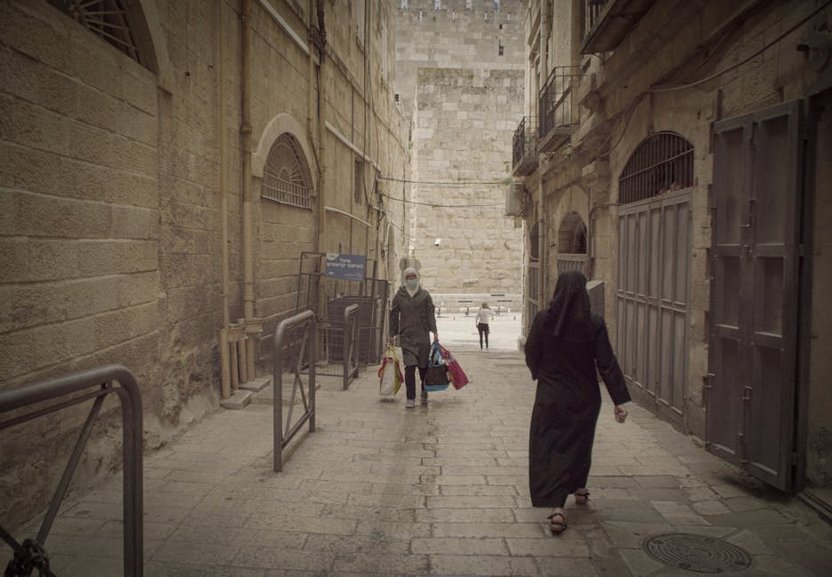
Jerusalem Travel Guide: Navigating History, Faith, and Culture
Jerusalem stands as a living mosaic of spiritual devotion, ancient history, and vibrant modern life. Your visit here connects you directly with millennia of human civilization, where the sacred sites of Judaism, Christianity, and Islam exist within a few square miles. This Jerusalem travel guide provides the essential context and practical steps for a respectful and enriching journey, helping you navigate its profound layers, from the iconic stones of the Old City to the contemporary pulse of its newer neighborhoods. We will cover key historical periods, essential etiquette for holy sites, seasonal timing for crowds and weather, and detailed logistics for accommodation and transport.
Essential Historical and Cultural Context
Understanding Jerusalem’s timeline is key to appreciating its gravity. The city’s history spans over 3,000 years, with control passing between Canaanites, Israelites, Babylonians, Romans, Byzantines, Muslims, Crusaders, Ottomans, and the British. Each layer left a physical and cultural mark, creating the uniquely dense tapestry you experience today. Walking its streets is a journey through the rise and fall of empires, all centered on this singular, revered location.
The city is divided into four main quarters within the walls of the Old City: the Armenian, Christian, Jewish, and Muslim Quarters. Each has a distinct atmosphere, architecture, and community. Beyond the walls, neighborhoods like Ein Karem, Yemin Moshe, and Mahane Yehuda offer contrasting experiences from serene artistry to bustling market life. This division is not just geographical but reflects the ongoing narrative of coexistence and tension that defines the city.
The Old City Quarters – A Microcosm of the World
Navigating the four quarters requires awareness and respect.
- The Muslim Quarter is the largest and most populous, centered around the bustling Arab souk. It provides access to the Dome of the Rock and Al-Aqsa Mosque compound (Haram al-Sharif), with entry for non-Muslims restricted to specific gates and times.
- The Christian Quarter is anchored by the Church of the Holy Sepulchre, believed to encompass the sites of Jesus’s crucifixion and tomb. The quarter’s lanes are lined with pilgrim hostels and shops selling religious souvenirs.
- The Jewish Quarter, largely reconstructed after 1967, houses the Western Wall (Kotel), the last remnant of the Second Temple. It features yeshivas, archaeological parks, and a more uniform, modern stone architecture.
- The Armenian Quarter, the smallest and most secluded, is centered around the St. James Cathedral. It maintains a distinct community identity, with its own schools and cultural institutions behind ancient, high walls.
- Budget Traveler ($60-90/day): Stay in a dormitory in the Old City or nearby. Eat falafel and shawarma from street stalls, use the light rail, and focus on free sites like the Western Wall and city walks. Entrance fees to museums and the Tower of David will be your main expenses.
- Mid-Range Traveler ($150-250/day): This allows for a private room in a central hotel or boutique guesthouse. You can enjoy sit-down meals at local restaurants, take a few guided tours for deeper insight, and use taxis for convenience. You can comfortably visit all major paid attractions.
- Luxury Traveler ($400+/day): Stay at a five-star hotel like the King David or Mamilla with iconic views. Dine at top-tier restaurants, hire private guides for specialized tours (archaeology, cuisine), and arrange private transfers. This tier offers seamless comfort and exclusive access.
- Official Jerusalem Tourism Portal
- Lonely Planet Jerusalem Guide
Key Historical Eras and Their Legacy
Several periods fundamentally shaped the city’s layout. King David’s conquest around 1000 BCE established it as a Jewish capital. Herod the Great’s massive construction projects in the 1st century BCE, including expanding the Temple Mount, left the monumental foundations you see today. The Roman destruction of the Second Temple in 70 CE and subsequent rebuilding as Aelia Capitolina set the current street grid of the Old City.
The Byzantine era saw the construction of the first Church of the Holy Sepulchre. Later, Muslim rule in the 7th century brought the construction of the Dome of the Rock and Al-Aqsa Mosque. The Crusader period, though brief, left fortifications and churches. Finally, Ottoman rule for four centuries built the current city walls and many public fountains. Recognizing these layers adds profound depth to every corner you turn.
Alt: “jerusalem-old-city-aerial-view-four-quarters-domed-buildings”
Jerusalem Travel Guide – Planning Your Visit
Careful planning is crucial for navigating the complexities of this destination. A successful trip balances historical exploration with cultural immersion, while accounting for religious holidays, security considerations, and climate. Your Jerusalem travel guide itinerary should allocate days both inside and outside the ancient walls to grasp the city’s full scope. Budgeting requires understanding the range of options, from affordable hostels in the city center to high-end hotels with historic views.
Logistics involve learning the public light rail system, comfortable walking shoes for endless steps, and modest clothing for holy sites. Booking guided tours for specific sites like the Temple Mount or underground tunnels can provide essential context you’d otherwise miss. Always check the calendar for Jewish Shabbat (Friday sunset to Saturday sunset) and Muslim Friday prayers, as these affect opening hours and public transport.
Best Time to Visit Jerusalem
The ideal periods are the shoulder seasons of April-May and September-October. During these months, daytime temperatures are pleasant, ranging from 60-80°F (15-27°C), and rainfall is minimal. Crowds are manageable compared to the peak summer and major holiday periods. These windows offer the best balance for comfortable sightseeing and participation in outdoor festivals.
Summer (June-August) is hot and dry, with temperatures often exceeding 90°F (32°C). It is peak tourist season, so sites are very crowded. Winter (November-March) can be cold and rainy, with occasional light snow, and temperatures between 40-55°F (4-13°C). Major religious holidays like Passover, Easter, Ramadan, and Christmas bring immense crowds and significantly higher prices for flights and hotels.
Budget Planning and Costs
Daily costs vary widely based on your travel style.
Essential Preparation Checklist
Pack modest clothing that covers shoulders and knees for holy sites. Comfortable, broken-in walking shoes are non-negotiable for the stone streets and uneven terrain. Bring a hat, sunscreen, and a reusable water bottle for hydration. A lightweight scarf is versatile for both modesty and sun protection. A power adapter for Type H outlets (three prongs) is required for Israeli sockets.
Ensure your passport is valid for at least six months beyond your entry date. Most Western nationals receive a free tourist visa on arrival. Purchase comprehensive travel insurance that covers medical evacuation. Book accommodation and in-demand tours (like the Western Wall Tunnels) at least 2-3 months in advance for peak season visits. Learn a few basic Hebrew and Arabic phrases like “shalom” (hello/peace) and “shukran” (thank you).
Top Attractions and Unmissable Experiences
The density of significant sites can be overwhelming. Prioritizing is essential. Within the Old City, the Western Wall, Church of the Holy Sepulchre, and the Dome of the Rock plaza are the three apex sites. Each requires time for contemplation and observation of worshippers. The Ramparts Walk offers a unique aerial perspective of the quarters below, while the City of David excavations take you deep into the biblical-era origins of the city.
Outside the walls, Yad Vashem, the World Holocaust Remembrance Center, is a profoundly moving and essential visit. The Israel Museum houses the Dead Sea Scrolls and a superb model of Second Temple Jerusalem. The Mahane Yehuda Market transforms from a daytime grocery hub to a vibrant nightlife center. Balancing solemn historical sites with these lively cultural experiences provides a more complete picture of the modern city.
Must-See Historical and Religious Sites
The Western Wall is the most sacred site where Jews are permitted to pray. The plaza is open 24/7, with separate sections for men and women. The Church of the Holy Sepulchre is shared by six Christian denominations. Visit early in the morning to avoid the largest tour groups and experience a more contemplative atmosphere. The line to enter the Edicule (the tomb) can be long.
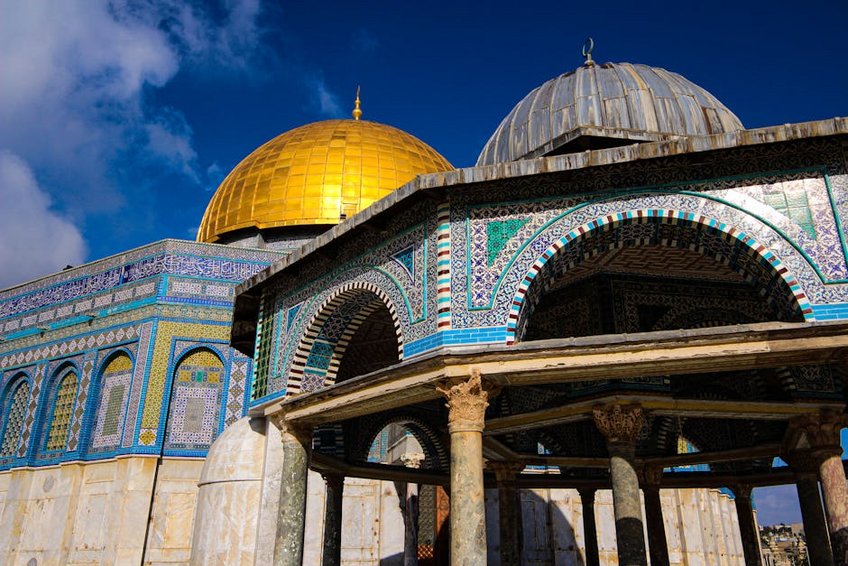
The Dome of the Rock is an architectural masterpiece and a holy Islamic site. Non-Muslim visitors can only enter the Temple Mount/Haram al-Sharif via the Mughrabi Gate at specific, limited times (usually morning hours, not on Fridays or Muslim holidays). Modest dress is strictly enforced. The adjacent Al-Aqsa Mosque is closed to non-Muslim visitors. Always verify current access rules before you go.
Hidden Gems and Local Favorites
Escape the crowds in the tranquil Lutheran Church of the Redeemer. Climb its spire for one of the best panoramic views over the Old City rooftops. The Garden Tomb, an alternative site suggested by some Protestants for Jesus’s burial, offers a serene, garden setting for reflection, a stark contrast to the crowded Holy Sepulchre.
Explore the winding, artistic lanes of Ein Karem, a village-like neighborhood on the city’s outskirts, famous for its churches and art galleries. For a unique shopping experience, seek out the Off the Wall Market in the Jewish Quarter for handmade Israeli crafts and jewelry, far from the mass-produced souvenirs of the main souks. These spots provide quiet moments of beauty and local connection.
Archaeological and Museum Highlights
The City of David, just south of the Temple Mount, is an active archaeological park. You can walk through Hezekiah’s 2,700-year-old water tunnel (knee-deep water, bring a flashlight) and see the earliest foundations of the city. The Israel Museum’s Shrine of the Book, housing the Dead Sea Scrolls, is a world-class exhibition. The scale model of Jerusalem in the late Second Temple period helps visualize the ancient city’s grandeur before its destruction.
Practical Travel Information: Logistics and Lodging
Navigating the city is straightforward with a little preparation. Ben Gurion International Airport (TLV) is the main gateway, located about 45-60 minutes from the city center by train or taxi. The high-speed train from the airport to Jerusalem’s Yitzhak Navon Station is efficient and affordable. Within the city, the red line of the light rail is the backbone of public transport, running from the Central Bus Station to Mount Herzl, passing key points like City Hall and Jaffa Gate.
Accommodation clusters in several key areas. Staying inside or immediately adjacent to the Old City offers unparalleled atmosphere but can mean noise and lots of stairs. The German Colony and Mamilla areas provide more modern amenities while remaining central. For a quieter, more residential feel with good cafe culture, consider Rehavia or Ein Karem. Booking directly with hotels can sometimes secure better rates or room upgrades.
| Accommodation Type | Best For / Features | Price Range (USD/Night) |
|---|---|---|
| Old City Hostels | Budget travelers, immersive atmosphere, social vibe, basic amenities | $25-45 (dorm) |
| Boutique Guesthouses (German Colony) | Mid-range charm, personalized service, historic buildings, breakfast included | $120-220 |
| Modern Hotel (Mamilla) | Luxury convenience, rooftop views, designer shopping, central location | $300-500 |
| Apartment Rental (Rehavia) | Families or longer stays, kitchenette, more space, local neighborhood feel | $150-300 |