Interlaken Travel Guide: Your Gateway to the Jungfrau Region
Nestled between Lake Thun and Lake Brienz, Interlaken serves as the premier gateway to Switzerland’s majestic Jungfrau Region. This comprehensive Interlaken Travel Guide provides the essential details for navigating its adventure offerings, from paragliding over alpine valleys to serene boat cruises. You’ll discover practical tips on timing your visit for optimal weather, budgeting for Swiss prices, and crafting an itinerary that balances adrenaline with relaxation.
Essential Interlaken Information
Interlaken’s unique position in the Bernese Oberland has made it a central travel hub for centuries. The town itself is compact and walkable, divided into two main districts: Interlaken Ost (East) and Interlaken West, connected by a scenic promenade. Its history as a Victorian-era health resort is still visible in the grand old hotels and expansive parkland at its heart.
Understanding the local geography is key. Interlaken is the valley floor base for exploring the iconic trio of mountains: Eiger, Mönch, and Jungfrau. The town operates as a logistical center, with excellent transport links via train, bus, and boat to every corner of the region. Most visitors use it as a home base for day trips rather than a destination with endless internal attractions.
What You Need to Know First
Before you dive into planning, keep these foundational points in mind.
- The local currency is the Swiss Franc (CHF), though Euros are often accepted with change given in francs. Credit cards are widely used, but carry some cash for smaller vendors and mountain huts.
- Switzerland is part of the Schengen Area. US, UK, and Canadian passport holders can visit for up to 90 days within a 180-day period for tourism without a visa.
- The primary language is Swiss German, but English is universally spoken in the tourism sector. French and Italian are also official national languages.
- Budget Traveler ($100-150/day): Stay in hostels like Balmers Hostel, cook your own meals, use a Swiss Travel Pass for transport, and focus on free hiking. This covers dorm accommodation, supermarket food, and included transit.
- Mid-Range Traveler ($250-400/day): This allows for a private hotel room (e.g., Hotel Bernerhof), meals at casual restaurants, a guided activity like paragliding, and full access to mountain railways. It balances comfort with experience.
- Luxury Traveler ($600+/day): Enjoy 5-star hotels like Victoria-Jungfrau, fine dining, private guided tours, and helicopter excursions. This tier offers maximum convenience and exclusive access to the alpine environment.
- Official Interlaken Tourism Website
- Switzerland Tourism – Interlaken Portal
- Jungfrau Region Official Site
Key Regional Geography
Interlaken sits in the Bernese Oberland canton, a region famed for its dramatic landscapes. The town is literally “between lakes” (Inter-laken), with Lake Thun to the west and Lake Brienz to the east. This valley provides direct access to the Jungfrau-Aletsch UNESCO World Heritage site, home to Europe’s largest glacier.
The surrounding villages are integral to the experience. Lauterbrunnen, Grindelwald, and Mürren are not suburbs but distinct mountain communities, each with unique character and access to different trails and peaks. Your Swiss travel card or pass will determine the ease of moving between them.
Climate and Weather Patterns
The alpine climate is highly variable and changes with altitude. Valley floors like Interlaken experience milder conditions, while mountain peaks remain snowy year-round. Summer days (June-August) are warm, averaging 68-75°F (20-24°C), but nights can be cool.
Winter brings snow to the town from December to February, with average temperatures between 28-36°F (-2 to 2°C). The shoulder seasons of May and September offer fewer crowds and pleasant hiking weather, though some high-altitude attractions may have limited access.
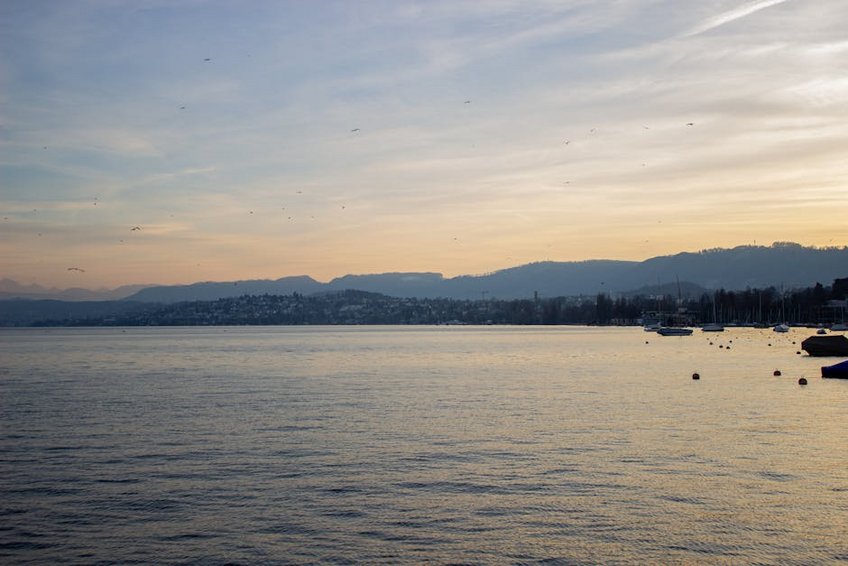
Alt: “interlaken-swiss-alps-view-between-lakes-thun-brienz”
Interlaken Travel Guide – Planning Your Trip
Strategic planning transforms a good Swiss holiday into a great one. This section of your Interlaken Travel Guide focuses on the critical decisions: when to visit, how to manage costs, and what to prepare. Switzerland requires more advance booking than many European destinations, especially for popular hotels and guided adventures.
Your budget will be the most significant factor. Switzerland is expensive, but value comes from efficient planning and utilizing regional passes. Prioritize your must-do activities, as peak experiences like the Jungfraujoch railway command premium prices. Balancing paid excursions with free hiking can create a rich yet manageable itinerary.
Best Time to Visit Interlaken
Visit Interlaken between late June and early September for guaranteed access to all high-alpine trails and railways. These summer months offer long daylight hours, average highs of 75°F (24°C), and lush green landscapes. This is also peak tourist season, so book accommodation and key train tickets at least three months in advance.
The shoulder seasons of May and late September to October provide a compelling alternative. You’ll encounter fewer crowds and lower prices, with daytime temperatures a pleasant 55-65°F (13-18°C). Be aware that some mountain railways, like the Schynige Platte, may operate on a reduced schedule or close for maintenance during these windows.
Budget Planning and Costs
Daily costs vary dramatically based on your travel style. Here is a realistic breakdown for a per-person budget.
Essential Preparation Checklist
Packing correctly is crucial for comfort and safety. Regardless of season, bring layers: a moisture-wicking base, insulating mid-layer like a fleece, and a waterproof/windproof outer shell. Sturdy, broken-in hiking boots are non-negotiable for trails. Also pack a daypack, water bottle, sunglasses, and high-SPF sunscreen.
Organize key documents well ahead. Ensure your passport is valid for at least three months beyond your departure date. Purchase comprehensive travel insurance that covers high-altitude activities and medical evacuation. Download essential apps: SBB Mobile for trains, MeteoSwiss for weather, and SwitzerlandMobility for trails.
Top Attractions and Activities
The Jungfrau Region offers an unparalleled mix of natural wonders and human engineering. The star attraction is the Jungfraujoch – Top of Europe, a railway journey to a high-altitude saddle at 11,362 feet (3,454 meters). The trip includes ice palaces, observation decks, and stunning views of the Aletsch Glacier, but demands a full day and a significant budget.
For a more active pursuit, the region boasts over 300 miles of signposted hiking trails. Classic routes include the hike from Männlichen to Kleine Scheidegg, offering iconic face-on views of the Eiger North Wall. Alternatively, the Schynige Platte to First trail provides wildflowers in summer and panoramic vistas of the entire Bernese Alps.
Must-See Highlights
Harder Kulm, Interlaken’s own house mountain, is accessible via a funicular. The summit offers the classic postcard view directly over Interlaken between the two lakes. Visit for late afternoon light and stay for dinner at the panoramic restaurant. The round trip takes about two hours and costs approximately 38 CHF.
A boat cruise on either Lake Thun or Lake Brienz is a serene must-do. Lake Brienz is known for its stunning turquoise color and visits to the Giessbach Falls. Lake Thun’s route passes picturesque castles like Schloss Oberhofen. A Swiss Travel Pass covers these cruises, making them an excellent value.
For adventure seekers, paragliding from Beatenberg or Mürren provides a bird’s-eye view of the valley. Tandem flights with certified pilots are available year-round, weather permitting. This experience typically lasts 45 minutes and costs between 170-220 CHF, including transport from Interlaken.
Hidden Gems and Local Favorites
Venture to the St. Beatus Caves on the north shore of Lake Thun. These limestone caves feature walkways past underground waterfalls and illuminated chambers, with a legend of a dragon. The adjacent restaurant has a terrace with exceptional lake views, making for a perfect half-day trip away from the main crowds.
Discover the open-air museum of Ballenberg, near Brienz. This sprawling site showcases over 100 original Swiss buildings from across the country’s history, complete with traditional crafts demonstrations and farm animals. It’s a fantastic, engaging option for families or a cultural deep dive, easily reached by bus or train.
Winter Sports and Activities
While Interlaken itself isn’t a ski resort, it’s a hub for several world-class areas. The Jungfrau Ski Region, accessible from Grindelwald and Mürren, offers over 130 miles of pistes for all levels. Ski passes are expensive but grant access to impeccably groomed runs with breathtaking scenery.
Winter also opens up unique experiences like the “Eiger Run” sledding route from Biglenalp to Grindelwald, a 9-mile descent. Snowshoeing trails around Mürren provide silent, pristine exploration. For non-skiers, consider a winter hike on cleared paths or a fondue evening in a mountain restaurant.
Practical Travel Information
Navigating Switzerland’s efficient system is part of the adventure. Interlaken has two main train stations: Interlaken Ost (East) is the primary hub for trains to the Jungfrau Region and boats; Interlaken West serves trains from Bern and Thun. The town center is a flat, 20-minute walk between them, also served by local buses.
Accommodation ranges from budget hostels to legendary grand hotels. Booking early is critical, especially for summer and Christmas. Many hotels offer half-board (breakfast and dinner) options, which can provide good value and convenience given high restaurant prices in town.
| Accommodation Type | Best For / Features | Price Range (USD/Night) |
|---|---|---|
| Hostel / Budget Hotel | Solo travelers, groups; social atmosphere, basic amenities, central locations | $40 – $120 |
| Mid-Range Hotel | Couples, families; private rooms, often include breakfast, good service | $180 – $350 |
| Traditional Swiss Chalet | Authentic experience, self-catering, more space, often in surrounding villages | $250 – $500 |
| Luxury Resort | Splurge, spa focus, historic grandeur, fine dining, prime location | $500 – $1,000+ |