Inca Trail in Peru: Your Guide to the Classic Andean Trek
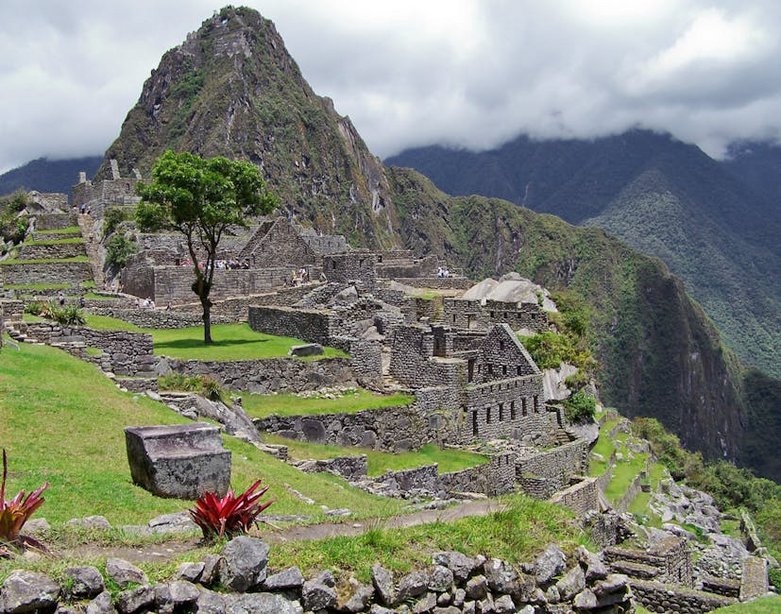
Hiking the Inca Trail in Peru is a transformative journey that combines physical challenge with profound cultural immersion. This 26-mile ancient footpath winds through cloud forests and over high mountain passes, culminating at the iconic Sun Gate entrance to Machu Picchu. A successful trek requires careful planning around permits, physical preparation, and understanding the unique conditions of this high-altitude adventure.
Essential Trail Information and History
The Inca Trail is part of an extensive 25,000-mile road network built by the Inca Empire over 500 years ago. This specific route served as a pilgrimage path for Inca nobility traveling to the sacred citadel of Machu Picchu. Today, it stands as Peru’s most famous trek and a protected UNESCO World Heritage site, attracting thousands of adventurers annually.
Access is strictly regulated to preserve the fragile ecosystem and archaeological sites along the route. Only 500 people are allowed on the trail each day, including guides and porters, making advance booking essential. The classic four-day trek covers diverse ecosystems, from high Andean plains to subtropical cloud forest.
What Makes This Trek Unique
This journey offers more than just a hike to an archaeological wonder.
- You walk on original Inca stonework, passing multiple significant ruins like Wiñay Wayna and Intipata that are inaccessible by train.
- The trek involves crossing two high-altitude passes, with Dead Woman’s Pass reaching 13,828 feet (4,215 meters), offering immense physical and mental reward.
- You experience the journey as the Incas did, arriving at Machu Picchu through the Sun Gate at sunrise, an emotional moment unmatched by bus arrivals.
- Budget tours ($650-850 USD) use large groups, basic meals, and minimal porter support. They often have quicker hiking paces and less guide interaction, but provide the essential permit and logistics.
- Mid-range tours ($900-1,200 USD) offer better food, smaller groups (8-12 people), and higher guide-to-guest ratios. These typically include porter-carried duffels, thicker sleeping mats, and better camping equipment.
- Luxury tours ($1,500-2,500+ USD) feature gourmet meals, spacious tents, portable toilets, and extra amenities like morning coca tea delivered to your tent. Some offer single tent supplements and longer, more interpretive hiking days.
- Peru Travel Official Tourism Site
- Official Machu Picchu Management Website
- International Porter Protection Group
Archaeological Sites Along the Route
Beyond Machu Picchu, the trail features several impressive ruins. Llactapata is an ancient Inca town with sophisticated agricultural terraces visible early in the trek. Runkurakay is a circular tambo, or resting place, perched dramatically on a mountainside before the second pass.
The most spectacular site before the finale is Wiñay Wayna, meaning “forever young.” This extensive ruin features stunning terraces and a ceremonial complex with water channels. Most tour groups camp nearby, allowing for peaceful exploration in the late afternoon light.
Trail Conservation and Regulations
Strict conservation rules govern the entire experience to combat erosion and preserve history. All trekkers must travel with a licensed tour operator, and independent hiking is prohibited. Porters have regulated weight limits for their health, and waste management is comprehensive, with everything carried out.
These measures ensure the trail’s preservation for future generations. Your permit fee directly funds conservation efforts and community projects in the surrounding area, making your trek a sustainable travel choice.
Alt: “inca-trail-peru-mountain-pass-hikers-stone-path”
Inca Trail in Peru – Planning Your Trek
Organizing your Inca Trail in Peru adventure demands attention to detail and early action. Permits for the classic route sell out months in advance, especially for the peak dry season from May to September. You must book through a government-licensed tour operator, as independent trekking is not permitted on this protected route.
Choosing a responsible operator is crucial for both your experience and ethical treatment of porters. Look for companies certified by the International Porter Protection Group or that adhere to ethical porter treatment standards. These operators provide fair wages, proper gear, and adequate load limits for their staff.
Physical preparation should focus on cardiovascular endurance and leg strength, with emphasis on hiking with a daypack. While porters carry camping gear and main luggage, you’ll still need stamina for 6-8 hour hiking days at high altitude. Mental readiness for basic facilities and changeable weather completes the preparation picture.
Best Time to Hike the Inca Trail
The optimal hiking season runs from late April to early October, during Peru’s dry winter. May and September offer the best balance of clear skies and slightly fewer crowds, with daytime temperatures around 65°F (18°C) and nighttime lows near freezing at high camps. Rainfall is minimal during these months.
The wet season from November to March sees frequent afternoon showers and muddy trails, though landscapes are greener and permits are easier to secure. The trail closes completely during February for maintenance. Shoulder months like April and October present a compromise with occasional rain but vibrant scenery.
Budget Planning and Costs
Tour prices vary significantly based on service level, group size, and operator reputation.
Essential Preparation Checklist
Start training 2-3 months in advance with weekend hikes carrying weight, stair climbing, and cardiovascular exercises. Break in your hiking boots on multiple short trips to prevent blisters on the trail. Consider a pre-trek altitude acclimatization period of 2-3 days in Cusco or the Sacred Valley.
Your packing list must include broken-in waterproof hiking boots, quality rain gear, warm layers for cold nights, and a comfortable daypack. Don’t forget trekking poles, a headlamp, and personal medications. Required documentation includes your passport, which must match your permit exactly, and travel insurance covering high-altitude trekking.
Top Experiences and Daily Itinerary
The classic four-day trek follows a logical progression in difficulty and reward. Day one is a gentle introduction along the Urubamba River, while day two presents the challenge of Dead Woman’s Pass. Day three is often considered the most beautiful, passing multiple ruins, and day four brings the sunrise arrival at Machu Picchu.
Each day unfolds with changing ecosystems and archaeological surprises. Knowledgeable guides provide context about Inca history, local flora like native orchids and polylepis trees, and Andean cosmology. The group dynamic, shared challenges, and stunning campsites create a powerful communal experience.
Must-See Highlights Along the Path
Dead Woman’s Pass is the highest point and most physically demanding section, rewarding climbers with panoramic views back down the valley. The descent from the pass leads to the Pacaymayo Valley camp, a welcome rest stop. The following day’s climb to the second pass reveals different landscapes with cloud forest beginning to appear.
The Intipata terraces appear suddenly on day three, a vast agricultural complex with perfect Inca stonework. Wiñay Wayna, just before the final camp, is arguably the most impressive ruin after Machu Picchu itself, with water fountains and intricate architecture. The final morning’s pre-dawn hike to the Sun Gate creates unforgettable anticipation.
Alternative Shorter Route Options
For those with less time or seeking a less strenuous option, the two-day Inca Trail offers a condensed experience. This version covers the final section from Km 104, passing Wiñay Wayna and arriving at Machu Picchu in the afternoon, with a hotel stay in Aguas Calientes. It requires a good fitness level but avoids the highest passes.
The five-day trek extends the classic route with shorter daily distances, allowing more time for exploration and photography. This option is excellent for those concerned about altitude or wanting a more leisurely pace. Some operators also offer seven-day archaeological-focused treks with additional sites not on the standard route.
Machu Picchu Arrival and Exploration
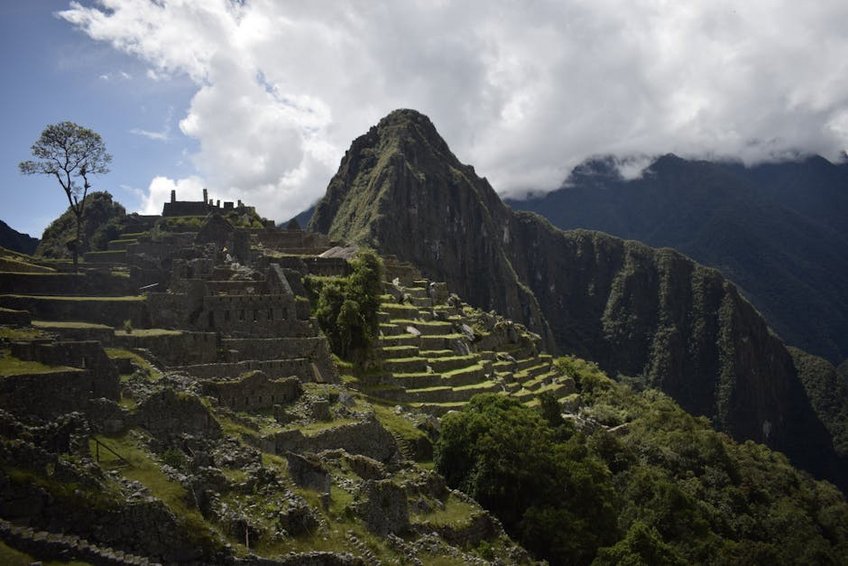
Reaching the Sun Gate at sunrise provides that iconic first view of Machu Picchu spread across the ridge below. Most tours then descend for a guided tour of the citadel before crowds arriving by bus dominate the site. You’ll learn about the Temple of the Sun, Intihuatana stone, and residential sectors.
After the tour, you have free time to explore further or climb Huayna Picchu or Machu Picchu Mountain (permits required, book early). Most packages include a bus ticket down to Aguas Calientes town, where you can enjoy a celebratory meal and hotel stay before returning to Cusco by train the following day.
Practical Travel and Logistics
All logistical arrangements are handled by your chosen tour operator, from permits to transportation. The standard package includes transfers from Cusco to the trailhead at Km 82, porters for group equipment, cooks, guides, all meals on the trail, camping gear, and the return train from Aguas Calientes. You only need to manage your personal gear and daypack during hikes.
Accommodation before and after the trek is typically not included, so you’ll need to book hotels in Cusco separately. Most operators offer assistance with these bookings. The entire experience requires careful coordination, which is why using a reputable company with strong logistical experience is invaluable.
| Category | Options/Features | Price Range (USD) |
|---|---|---|
| Tour Operator | Budget group (16pp), basic meals, included permits | $650-850 |
| Tour Operator | Mid-range (8-12pp), better food/gear, duffel service | $900-1,200 |
| Tour Operator | Luxury service, gourmet food, private toilets, small group | |
| Additional Costs | Sleeping bag rental, trekking poles, porter tips, extra nights | $80-200 |