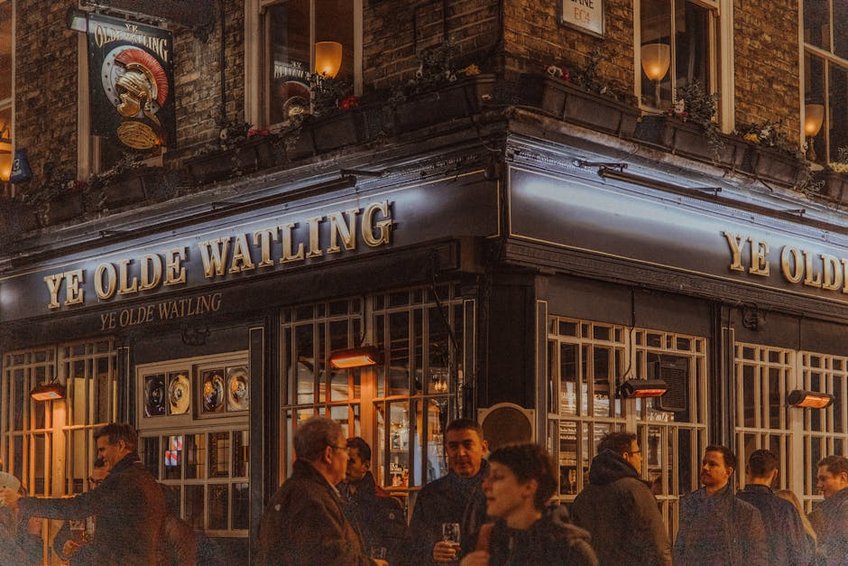
Historic Pub Routes in London
Exploring historic pub routes in London offers a unique journey through the city’s social and architectural heritage, connecting centuries-old taverns with captivating stories. These guided crawls take you beyond typical tourist sites, revealing hidden courtyards, former coaching inns, and pubs frequented by literary giants and historical figures. This guide covers the best trails, planning tips for a seamless experience, and how to immerse yourself in the authentic atmosphere of London’s timeless drinking establishments.
London’s Liquid History: An Introduction
London’s pub culture is woven into the fabric of the city, with establishments dating back to the medieval period. These were not merely places to drink but served as meeting halls, courtrooms, and hubs for commerce and travel. The concept of following a historic pub route allows you to trace this evolution physically, walking the same streets as Charles Dickens, Samuel Johnson, and countless Londoners through the ages.
The preservation of these buildings, from Tudor beams to Victorian gin palaces, tells a visual story of architectural trends and urban development. Many routes are concentrated in areas like the City of London, Southwark, and Westminster, where history is layered thickly. Understanding this context enriches the experience, transforming a simple pub crawl into a moving history lesson.
What Defines a Historic Pub?
Not every old-looking pub qualifies for a dedicated historic trail. Authentic routes feature establishments with verified heritage.
- Official recognition, such as being listed on the Campaign for Real Ale’s (CAMRA) National Inventory of Historic Pub Interiors, which protects pubs with interiors largely unaltered since before 1939.
- Documented historical significance, like serving as a meeting point for famous literary circles, political groups, or being a former coaching inn on a major route out of the city.
- Survival of original architectural features, which may include snob screens, etched glass, tilework, or gas lighting fittings that have been meticulously maintained.
- Budget-Friendly (Under $40): Focus on 3-4 pubs, sharing a half-pint or a soft drink at each (approx. $4-$5 each). Walk the entire route, using free online guides. Skip paid museum pubs, and enjoy the architecture and atmosphere without a big tab.
- Standard Experience ($60-$100): Enjoy a full pint at 4-5 historic pubs (approx. $7-$9 each). Include a classic pub lunch at one stop, like a pie or fish and chips ($15-$20). Consider a small donation if using a detailed printed trail guide from a historical society.
- Premium Curated Tour ($120+): Book a guided walking tour with a historian guide ($50-$70 per person). This includes priority access, detailed stories, and a curated tasting of different ale styles. Cap the night with a dinner at a historic dining room, such as at The George Inn or The Black Friar.
- CAMRA National Inventory of Historic Pub Interiors
- Historic UK – The Great British Pub
The Evolution of the London Tavern
The classic London pub evolved from the medieval alehouse, a domestic dwelling where homeowners sold their own brew. The 17th and 18th centuries saw the rise of the coaching inn, large complexes with stables and lodging for travelers. The Victorian era then brought the ornate gin palace, a glittering response to the gin craze, characterized by massive mirrors, engraved glass, and mahogany bars.
Following historic pub routes in the capital showcases these distinct phases. In the financial district, you’ll find pubs rebuilt after the Great Fire of 1666. Along the Thames in Southwark, former inns that served medieval pilgrims heading to Canterbury still stand. This progression is best appreciated by visiting pubs from different centuries in a single, well-planned afternoon.
Key Historic Districts for Pub Exploration
Certain London neighborhoods are exceptionally rich in historic pubs, making them ideal starting points for self-guided tours. The City of London, the ancient Roman and medieval core, hosts numerous pubs with cellars dating back centuries, often rebuilt after the Great Fire. Southwark, south of the river, was historically a lawless area of theatres, bear-baiting pits, and inns for travelers, leaving a legacy of atmospheric taverns.
Westminster and Fleet Street are other prime territories. Westminster pubs served politicians and journalists for generations, while Fleet Street’s establishments were the watering holes for the printing and newspaper industry. Each district offers a different thematic lens through which to view London’s past, all centered around the communal hub of the pub.
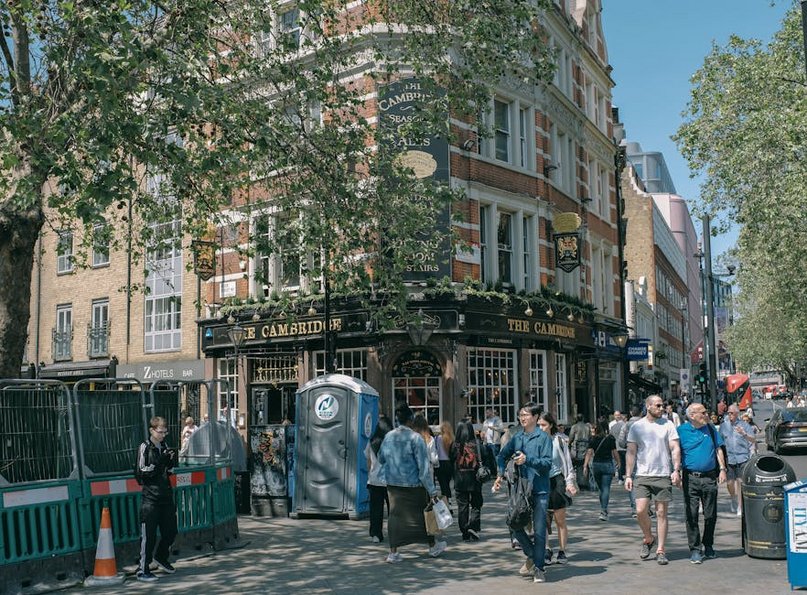
Alt: “the-george-inn-southwark-londons-oldest-coaching-inn-courtyard”
Historic Pub Routes in London – Planning Your Trail
Successfully navigating historic pub routes in London requires more than just enthusiasm; it needs smart strategy. London is vast, and its historic pubs are scattered, so focusing on a single, walkable cluster is essential. Planning around opening hours is critical, as many City pubs close on weekends, while others may have restricted hours.
Your budget should account for London drink prices, which typically range from $6 to $9 for a pint of ale in a historic establishment. Allocate funds for potential food stops, as many classic pubs serve excellent traditional fare. Comfortable footwear is non-negotiable, as you’ll be combining leisurely drinks with several miles of walking on often uneven, historic streets.
Best Time to Visit for a Pub Route
Visit London for a historic pub crawl between late April and early October for the most pleasant walking conditions, with average temperatures between 55°F and 68°F (13°C-20°C). Daylight lasts until 9 PM in summer, allowing for longer, safer exploration. Weekday afternoons (Tuesday-Thursday) are ideal for avoiding the post-work crowds that fill City pubs from 5 PM onwards.
The shoulder seasons of March-April and September-October offer cooler weather, around 50-60°F (10-15°C), and fewer tourists. Winter can be atmospheric, especially around Christmas when pubs are decorated, but prepare for limited daylight after 4 PM and temperatures of 35-45°F (2-7°C). Always check individual pub websites, as hours change seasonally.
Budget Planning and Costs
A historic pub tour can be tailored to different spending levels, with the main cost being drinks and possibly food.
Essential Preparation Checklist
Physically preparing for a day of walking and standing in pubs is key. Wear broken-in, supportive shoes as you may cover 2-4 miles on cobblestones. Pack a lightweight, waterproof layer—London weather is famously changeable. Carry a portable phone charger, as you’ll rely on maps and may need to look up historical facts.
Ensure you have a contactless payment card or Apple/Google Pay; most London pubs are now cashless. Download an offline map of your chosen route area. If traveling with a group, establish a meeting point in case you get separated in crowded spaces. Familiarize yourself with basic pub etiquette, like ordering at the bar and not expecting table service.
Top Historic Pub Trails and Experiences
London boasts several iconic pub routes that have been enjoyed by locals and visitors for decades. The “City of London” trail takes in pubs with direct links to the Great Fire, the plague, and Dickensian London. The “Southwark and Borough” route explores the taverns of Shakespeare’s time and the old coaching inns near London Bridge.
A “Legal London” crawl in Holborn and Fleet Street visits pubs used by barristers and journalists, often featuring stunning Victorian interiors. These established trails are well-documented, making self-guiding easy. Alternatively, you can create a custom route based on a specific theme, like literary pubs or riverside taverns, for a more personalized adventure.
Must-See Highlights on the Classic Trails
The George Inn, Southwark, is London’s last remaining galleried coaching inn, owned by the National Trust. Its 17th-century courtyard is a remarkable time capsule. Ye Olde Cheshire Cheese on Fleet Street, rebuilt in 1667, is a warren of dark-paneled rooms and was a favorite of Mark Twain and Dickens.
The Black Friar, near Blackfriars station, is an Art Nouveau masterpiece with marble reliefs and copper sculptures of friars. The Prospect of Whitby in Wapping, dating from 1520, claims to be the riverside pub with the longest continuous history. Visiting these cornerstones provides a solid foundation for understanding the variety within London’s pub heritage.
Hidden Gems and Local Favorites
Venture beyond the most famous names to discover equally historic but less crowded gems. The Seven Stars in Holborn, a tiny pub built in 1602, survives behind the Royal Courts of Justice and is famously run by a charismatic landlady and her cat. The Jerusalem Tavern in Clerkenwell is housed in an early 18th-century coffee house and is the London outpost for St. Peter’s Brewery.
The Grenadier in Belgravia, formerly an officers’ mess, is reputedly one of London’s most haunted pubs. The Dove in Hammersmith, with a low-ceilinged bar and Thames terrace, boasts a mention in the Guinness Book of Records for the smallest bar room. These spots offer deep history with a more local, intimate feel.
Crafting a Literary Pub Crawl
For book lovers, a themed crawl focusing on literary connections is highly rewarding. Start at The Lamb and Flag in Covent Garden, known as the “Bucket of Blood” for its bare-knuckle fighting past and frequent patronage by Charles Dickens. Walk to The Salisbury in St. Martin’s Lane, a stunning late-Victorian gin palace where actors and writers like Graham Greene gathered.
Continue to The Fitzroy Tavern in Fitzrovia, the heart of the Bloomsbury Group’s social scene. End at Ye Olde Cheshire Cheese, where the literary club the “Rhymers’ Club” met, counting W.B. Yeats among its members. This route connects the physical spaces where some of the English language’s greatest works were discussed and debated.
Practical Travel Information for Your Crawl
Navigating London’s transport system is straightforward and essential for linking different pub trail starting points. The Underground (“Tube”) and buses are the most efficient methods. Use a contactless payment card or Oyster card for the best fares; simply tap in and out. Google Maps or the Citymapper app provides excellent real-time routing.
Accommodation near prime historic pub districts like Southwark, the City, or Holborn puts you in the heart of the action. These areas offer a range from boutique hotels to upscale chains, but book well in advance, especially for summer weekends. Remember that the City of London becomes very quiet on weekends, which can be peaceful but means fewer open pubs in that specific area.
| Accommodation Area | Pros for Pub Routes | Average Nightly Rate (USD) |
|---|---|---|
| Southwark/Borough | Walking distance to The George Inn, The Anchor, historic Borough Market pubs. | $180 – $300 |
| The City of London | Central to many medieval and Wren-era pubs; quiet on weekends. | $200 – $350 |
| Holborn/Clerkenwell | Access to Legal London pubs, The Jerusalem Tavern, and The Lamb. | $170 – $280 |
| Westminster/Victoria | Close to political history pubs; excellent transport links citywide. | $190 – $320 |