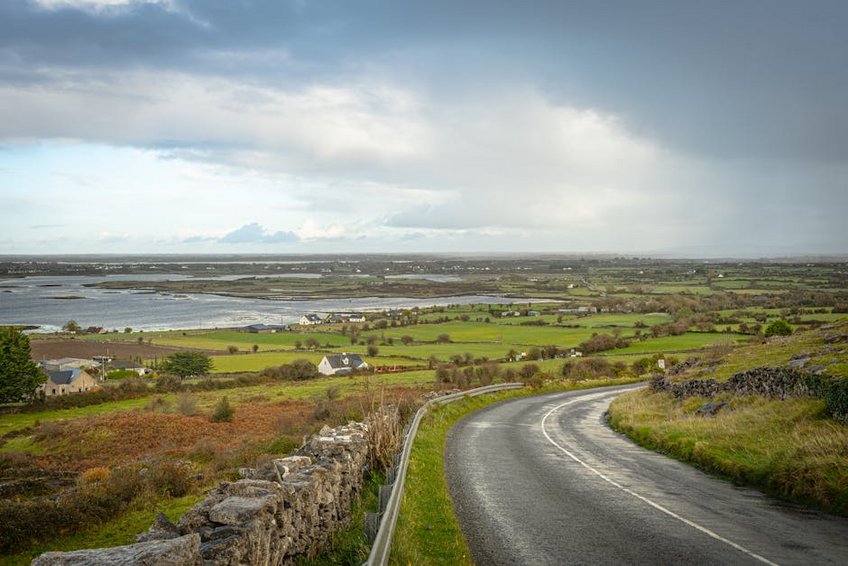
Green Routes in Ireland: Sustainable Travel Through Emerald Landscapes
Sustainable travel in Ireland focuses on its Green Routes, a network of paths designed for low-impact exploration of the island’s most stunning scenery. These former railway lines, canal towpaths, and forest trails now offer walkers and cyclists car-free access to coastal cliffs, pastoral valleys, and historic villages. This guide covers essential planning, top routes, and cultural tips for experiencing Ireland’s commitment to eco-tourism firsthand.
Essential Information on Ireland’s Sustainable Paths
Ireland’s network of sustainable trails represents a significant investment in eco-tourism and active travel infrastructure. The development of these paths often involves repurposing historic transport corridors, preserving industrial heritage while creating new recreational assets. This approach connects communities and provides safe, scenic corridors away from vehicle traffic.
These routes vary significantly in length, difficulty, and landscape. You can find everything from flat, paved family-friendly greenways to rugged mountain walking trails. Understanding the different types available helps match an adventure to your fitness level and interests, ensuring a rewarding experience.
What Defines a Green Route in Ireland?
The term generally refers to trails specifically developed for non-motorized use with environmental conservation in mind.
- **Former Infrastructure:** Many are built on disused railway lines, offering gentle gradients and engineered stability, perfect for cycling and accessible walking.
- **Protected Corridors:** These paths often traverse specially managed landscapes, National Parks, or UNESCO Geoparks, with conservation efforts integrated into their maintenance.
- **Waymarked Standards:** Most are part of national waymarked systems like National Looped Walks or the EuroVelo cycling network, ensuring consistent signage and maintenance.
- **Budget Traveler ($60-$90/day):** Stay in hostels or campings, self-cater meals, use public transport or a basic bike rental. Focus on free walking routes and pack lunches. A hostel bed costs $25-$40, and a simple bike rental is $20-$30 per day.
- **Mid-Range Explorer ($120-$200/day):** Stay in B&Bs or guesthouses, enjoy pub lunches and occasional dinners out, and rent a quality hybrid or e-bike. This budget allows for guided tours on specific sections and taxi transfers. A good B&B runs $80-$120 per night.
- **Luxury & Supported Journey ($300+/day):** Book multi-day guided walking or cycling tours with luggage transfers, stay in boutique hotels or manor houses, and dine at top restaurants. This includes premium e-bike rentals, private guides, and entrance to all attractions. Tours often start at $250 per day.
- Irish Trails – National Trails Office
- Greenway Information & Official Site
Key Regions and Trail Types
The western seaboard, from Donegal to Kerry, boasts dramatic coastal walking routes like the Cliffs of Moher Coastal Path. These trails offer raw Atlantic scenery but often involve more challenging terrain and exposure to weather. In contrast, the inland river valleys and canal networks provide sheltered, flat cycling perfect for families.
Midland greenways, such as those along the River Shannon or Royal Canal, explore a quieter, lakeland Ireland. Forest parks nationwide also maintain extensive trail networks, offering woodland walks managed by Coillte, the state forestry body. Each region provides a distinct flavor of the Irish landscape.
Understanding the Signage Systems
Navigating is straightforward thanks to standardized waymarking. National Looped Walks use colored arrows: yellow for shorter strolls, red for moderate hikes, and purple for more demanding routes. Major greenways like the Waterford Greenway have clear milepost markers and information boards.
For long-distance walking, look for the acorn symbol denoting a National Waymarked Trail. Cycling routes may display EuroVelo numbers. Always carry a physical map or offline digital version, as mobile service can be unreliable in remote scenic areas.
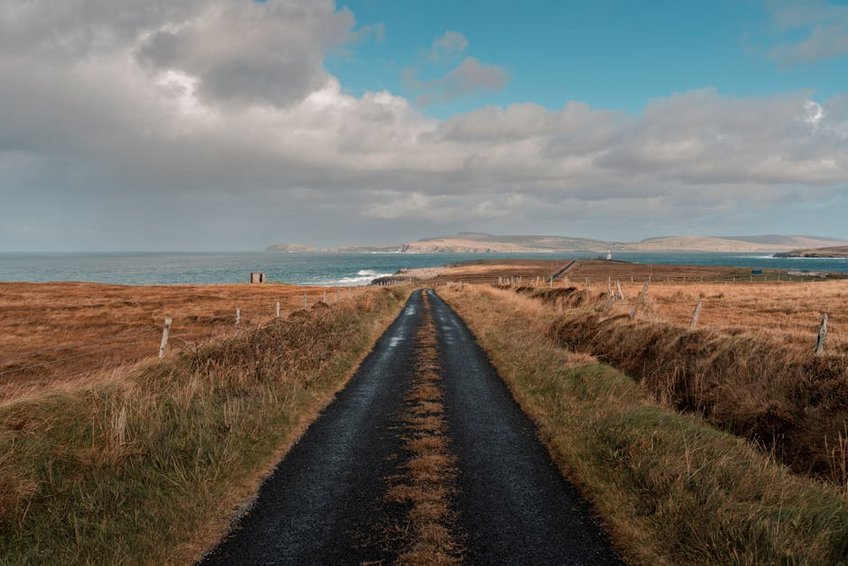
Alt: “waterford-greenway-cyclists-crossing-viaduct-over-river-suir”
Green Routes in Ireland – Planning Your Trip
Successfully exploring Ireland’s sustainable trails requires thoughtful preparation centered on the variable climate and logistical setup. Your experience hinges on selecting the right route for your group, packing for rapidly changing conditions, and booking key services well in advance during peak seasons. A flexible itinerary allows you to embrace the famous Irish weather rather than fight it.
Focus your planning on a specific region rather than attempting to cover too much distance. Ireland may look small on a map, but travel between trailheads takes time. Base yourself in a central town like Westport for the Great Western Greenway or Dungarvan for the Waterford Greenway to maximize your time on the path.
Best Time to Visit for Trail Activities
For the most reliable walking and cycling weather, target late spring (May to early June) or early autumn (September). Daytime temperatures range from 55°F to 65°F (13°C to 18°C), rainfall is typically lower, and daylight hours are long. The summer crowds have not yet peaked or have just subsided, making accommodation easier to book.
July and August offer the warmest weather, 60°F to 68°F (16°C to 20°C), but also bring the highest tourist numbers and booked-out rentals. Winter months from November to February see short days, average temps of 41°F to 48°F (5°C to 9°C), and frequent rain, but offer solitude for prepared hikers. Some routes may be muddy or have reduced services.
Budget Planning and Costs
Costs vary based on comfort level and gear rental needs. Below is a typical daily budget per person.
Essential Preparation Checklist
Packing is all about layering for changeable conditions. Essential items include a waterproof and windproof jacket, moisture-wicking base layers, sturdy waterproof hiking boots or supportive cycling shoes, and a daypack. For cycling, padded shorts and gloves are highly recommended, even for greenway rentals.
Documentation is straightforward for US and EU citizens. No visa is required for stays under 90 days. Do carry proof of travel insurance with medical evacuation coverage. Book rental bikes, especially e-bikes, several months ahead for summer. Reserve accommodation directly with B&Bs or via platforms like Booking.com at least two months in advance for peak season.
Top Sustainable Trails and Attractions
Ireland’s premier greenways offer world-class experiences, blending effortless cycling with incredible landscapes. The Great Western Greenway and Waterford Greenway are the flagship routes, providing seamless, car-free journeys. Beyond these, a wealth of national waymarked trails and coastal paths deliver more rugged adventures for experienced walkers.
These paths connect major tourist attractions in a sustainable way. You can cycle from Westport to the pilgrimage site of Croagh Patrick or walk from Dingle into the Blasket Islands’ heritage center. The integration of natural beauty, history, and local culture along these corridors is their defining strength.
Must-See Highlights and Premier Greenways
The **Great Western Greenway** is a 42km traffic-free trail from Westport to Achill Island. It passes through the picturesque towns of Newport and Mulranny with views of Clew Bay’s drumlin islands. The section into Achill offers breathtaking coastal scenery. Bike rentals and shuttle services operate in Westport.
The **Waterford Greenway** is a 46km off-road trail from Waterford City to Dungarvan. Its highlight is crossing the historic viaduct over the River Suir. The route passes through the atmospheric Mount Congreve Gardens and the Viking settlement of Kingstown. E-bike rentals in either terminus city make the full distance manageable for most.
For walkers, the **Cliffs of Moher Coastal Path** provides a dramatic 20km hiking route south from Doolin to Hags Head, away from the main visitor center crowds. Meanwhile, the **Kingfisher Trail** in Cavan and Fermanagh is a cycling network exploring the serene lakelands and quiet backroads of the border region.
Hidden Gems and Local Favorites
The **Old Railway Line in Carlow** offers a peaceful, 12km linear walk or cycle through the Barrow Valley, rich in wildlife. It’s far less trafficked than the major greenways. Start in the heritage town of Leighlinbridge for a quiet, rewarding day out.
In Northern Ireland, the **Lagan Towpath** stretches from Belfast to Lisburn, following the river and canal through parks and past historic locks. It’s a beloved local route for runners and cyclists, easily accessed from the city center. The **Blessington Greenway** in Wicklow, circling Poulaphouca Reservoir, delivers stunning mountain views close to Dublin.
Connecting with Historical Sites
Many sustainable paths are conduits to Ireland’s past. The Great Western Greenway passes the 16th-century Rockfleet Castle. The Waterford route runs near the Norman-era Reginald’s Tower. The Boyne Greenway under development will connect Drogheda directly to the UNESCO World Heritage site of Brú na Bóinne (Newgrange).
Walking the Kerry Way or Dingle Way brings you past countless ring forts, early Christian monastic sites, and famine-era villages. This layering of natural and human history is a profound aspect of traveling these ancient landscapes on foot or by bike.
Practical Travel Information and Logistics
Navigating Ireland to access and travel along these routes involves a mix of public transport, rentals, and strategic planning. While major greenways have good services, more remote walking trails require careful logistical planning. Accommodation ranges from rustic hostels along trail corridors to luxurious castle hotels nearby.
Booking accommodation along the route itself is crucial for multi-day journeys. Many B&Bs and guesthouses specifically cater to walkers and cyclists, offering packed lunches, drying rooms, and local transport advice. In peak season, these fill quickly, so plan your overnight stops early.
| Transportation Type | Best For / Key Features | Approx. Daily Cost (USD) |
|---|---|---|
| Bicycle Rental (Standard) | Greenway cycling; includes lock, helmet, repair kit. Pick-up/drop-off at different points. | $25 – $40 |
| E-Bike Rental | Longer distances, hills, or less experienced riders; extends range dramatically. | $50 – $75 |
| Local Bus & Rail (Public) | Accessing trailheads from cities like Dublin, Galway, or Cork. Check bike carriage policy. | $15 – $40 (per journey) |
| Private Baggage Transfer | Multi-day tours; services move luggage between accommodations so you travel light. | $30 – $50 (per bag) |