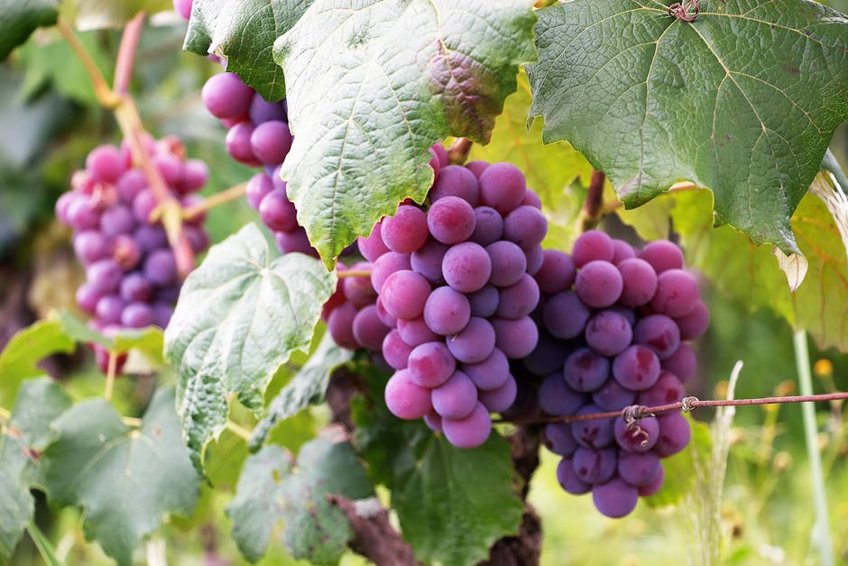
Grape Harvest Experience in the Aegean
Participating in a grape harvest experience in the Aegean connects you directly with ancient winemaking traditions amid stunning coastal landscapes. You will work alongside local vintners, learn hands-on harvesting techniques, and taste exceptional wines at their source. This guide provides essential planning details, from choosing the perfect island to packing tips, ensuring your immersion into this unique cultural event is seamless and rewarding.
Essential Information on Aegean Viticulture
The Aegean Sea hosts some of the world’s oldest vineyards, with winemaking roots stretching back over 6,500 years. Islands like Santorini, Samos, and Crete have developed distinct viticultural identities shaped by volcanic soil, sea winds, and intense sunlight. This long history creates a deeply authentic backdrop for any modern wine harvest participation.
Local grape varieties, such as Assyrtiko, Muscat, and Xinomavro, thrive in these unique microclimates. Harvest timing varies by island and altitude, typically occurring from late August through October. Understanding this regional diversity helps you select the ideal destination for your interests and schedule.
What Makes the Aegean Unique for Wine
The region’s terroir is defined by several key factors you will encounter firsthand.
- Volcanic and limestone soils on islands like Santorini impart a distinctive minerality to the white wines, a characteristic you can taste straight from the vine.
- The “meltemi” wind and bright sunshine naturally limit yields, concentrating flavors in the grapes you will help pick and sort.
- Ancient techniques, such as training vines into protective basket shapes called “kouloura,” are still practiced, offering a living lesson in agricultural history.
- Budget-Friendly ($800-$1,200): Includes basic dorm or guesthouse lodging, daily harvest participation, lunches, and basic tastings. Ideal for solo travelers or students; book ferry tickets early for savings.
- Mid-Range ($1,500-$2,500): Features private room accommodations at a guesthouse or 3-star hotel, all meals, guided tastings of reserve wines, and one cooking class. This offers the best value for comprehensive cultural immersion.
- Luxury ($3,000-$5,000+): Provides stays at boutique vineyard hotels or high-end villas, private tours with head winemakers, gourmet meals with wine pairings, and included private transfers. This is a fully curated, premium experience.
- Wine Roads of Northern Greece
- Santorini Wine Museum
Key Details on Harvest Participation
Most programs are designed for enthusiastic beginners, requiring no prior farming experience. A typical day starts early in the cool morning, involves 4-6 hours of light work like grape picking or sorting, and includes extensive tasting and educational sessions. You will be provided with basic tools, gloves, and a hat, but comfortable, durable clothing is essential.
These immersive tours are intimate, often limited to 10-15 participants, ensuring personalized attention from winemakers. They focus on the cultural and sensory journey rather than intensive labor. You will gain a profound appreciation for the effort behind every bottle.
The Cultural Significance of the Vintage
The harvest, or “τρύγος” (trygos), is a deeply social and celebratory time in village life. It represents the culmination of a year’s work and is often followed by communal meals and local festivals. Your participation is viewed as sharing in this annual celebration of abundance and community spirit.
This tradition is intertwined with Greek philoxenia, the concept of generous hospitality extended to strangers. As a guest worker, you are welcomed into this cycle, creating connections that go beyond a standard tourism visit. It is an authentic cultural exchange centered around the land and its fruit.
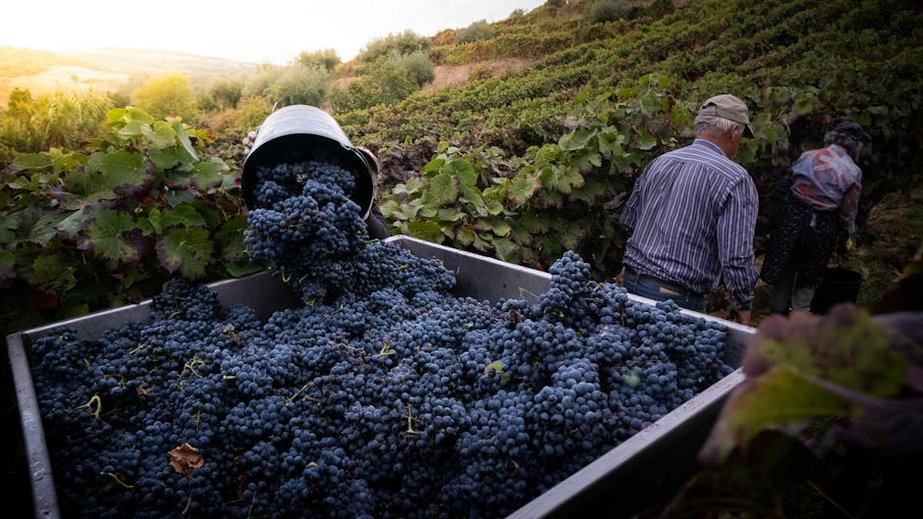
Alt: “aegean-island-vineyard-grape-harvest-volcanic-landscape”
Grape Harvest Experience in the Aegean – Planning Your Trip
Selecting the right island and timing is crucial for your viticulture adventure. Santorini offers a dramatic volcanic setting with Assyrtiko grapes, while Samos is famous for its sweet Muscat wines in lush, mountainous terrain. Crete provides a larger-scale experience with diverse indigenous varieties and a longer harvest season due to varied microclimates.
Booking directly with a family-owned estate or a reputable specialty tour operator 3-6 months in advance is recommended. These programs fill quickly, especially for the peak September period. A well-planned trip ensures you secure a spot in a program that matches your desired level of hands-on activity versus tasting and education.
Your budget should account for the harvest program fee, accommodation, and inter-island travel. While the work is not strenuous, a basic level of mobility and comfort with outdoor weather conditions is necessary. Planning transforms this idea into a tangible, unforgettable journey into the heart of Aegean winemaking.
Best Time for an Aegean Wine Harvest
The harvest window runs from late August to mid-October, with September being the peak month for most islands. Daytime temperatures in September are pleasant, ranging from 75°F to 85°F (24°C to 29°C), while mornings are cooler. This is the busiest and most vibrant time, with the full hustle of the vintage in action.
For a slightly quieter experience with still-excellent conditions, consider late August or early October. The weather remains warm, and you may encounter the tail end or beginning of different grape varietal harvests. Avoid July due to extreme heat and November, as most harvest activities are complete.
Budget Planning and Costs
Costs vary based on island, program length, and accommodation style. Here is a typical breakdown for a 5-day experience.
Essential Preparation Checklist
Packing correctly is key to comfort. You will need sturdy, closed-toe shoes for rocky vineyards, breathable long-sleeved shirts for sun protection, a wide-brimmed hat, and durable work gloves. Include layers for cool mornings and a reusable water bottle. Sunscreen and a small backpack are must-haves for each day in the field.
Ensure your passport is valid for at least three months beyond your departure date from the Schengen Area. While not mandatory, travel insurance covering medical emergencies and activity participation is highly advised. Book key ferries or flights between islands in advance, especially in September.
Top Islands and Harvest Activities
Santorini presents a lunar-like landscape where vines grow in unique basket shapes close to the ground. The harvest of Assyrtiko grapes here is iconic, set against cliffs and caldera views. Activities often include pruning demonstrations and tasting directly from the barrel in volcanic cave wineries.
Samos, a greener, mountainous island, specializes in golden Muscat grapes used for celebrated sweet wines. The harvest here feels more pastoral, with terraced vineyards climbing hillsides. Participation frequently includes learning about the sun-drying process for dessert wines.
Crete, with its vast size, offers the most diversity, from coastal vineyards to high-altitude plots. You can experience harvesting multiple varieties across several days. Many programs incorporate visits to ancient Minoan sites, linking modern practice with ancient wine culture.
Must-See Highlights and Vineyards
On Santorini, domaines like Gaia Wines and Santo Wines offer exceptional harvest programs with caldera vistas. A visit to the traditional village of Megalochori provides context. Tastings of rare, aged Vinsanto wine are a profound highlight of the Santorini wine experience.
In Samos, the historic Samos Wine Cooperative is a cornerstone of the island’s viticulture. Their programs explain cooperative production. The picturesque villages of Platanos and Vourliotes are surrounded by terraced vineyards perfect for exploration after a morning’s work.
Hidden Gems and Local Favorites
Beyond major islands, consider Ikaria or Tinos for intimate, lesser-known experiences. Ikaria’s harvest is infused with the island’s famous relaxed pace and longevity culture. Small producers welcome visitors for informal participation followed by communal feasts.
On Tinos, discover organic vineyards revitalizing local varieties. The harvest here is often combined with visits to the island’s renowned marble-artisan workshops. These smaller islands offer a stronger sense of personal connection with winemaking families.
Beyond the Vine: Complementary Experiences
Many harvest programs include complementary activities like olive oil tasting, cheese making with local shepherd families, or foraging for wild herbs. These elements deepen your understanding of the Aegean’s agricultural tapestry. Cooking classes focusing on seasonal, vineyard-adjacent cuisine are particularly popular.
Some tours offer sailing trips along the coast, providing a stunning maritime perspective of the cliffside vineyards you’ve been working in. This integration of land and sea captures the essential spirit of the Aegean region perfectly.
Practical Travel Information
Reaching the Aegean islands requires flying into an Athens international airport (ATH) first. From Athens, connect to island airports like Santorini (JTR) or Samos (SMI) via a 45-minute domestic flight, or take a ferry from Piraeus port. Ferry journeys range from 4 to 8 hours, offering a scenic but longer alternative.
Accommodation ranges from vineyard guesthouses and family-run pensions to luxury cave hotels. Staying in a village close to your host winery minimizes daily travel and immerses you in local life. Renting a car is advisable on larger islands like Crete for flexibility, but not necessary on smaller ones where wineries are within walking distance or provide transport.
| Accommodation Type | Features & Best For | Price Range/Night (USD) |
|---|---|---|
| Vineyard Guesthouse | On-site lodging, family hospitality, basic breakfast included. Best for immersion. | $70 – $120 |
| Traditional Pension | Local village setting, simple rooms, often family-owned. Best for budget-conscious travelers. | $50 – $90 |
| Boutique Hotel | Stylish design, premium amenities, swimming pool. Best for comfort after a day in the fields. | $150 – $300 |
| Luxury Villa/Suite | Private terraces, caldera or sea views, concierge service. Best for a splurge or special occasion. | $350+ |