Egypt Nile River Cruise Prices
Understanding Egypt Nile River Cruise prices is essential for planning a journey along the world’s longest river, where ancient temples and timeless landscapes unfold from the water’s edge. Costs vary dramatically based on cruise length, ship luxury level, cabin type, and seasonal demand, directly impacting your experience and itinerary inclusions. This guide breaks down the pricing structure, reveals the best value periods, and provides a detailed cost comparison to help you budget effectively for this iconic voyage.
Essential Nile River Cruise Information
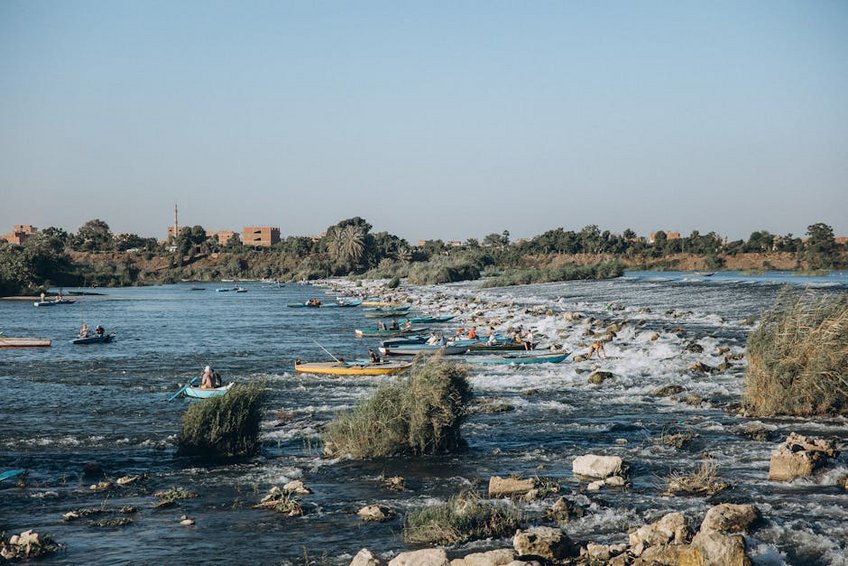
A voyage on the Nile is the quintessential Egyptian travel experience, connecting major archaeological sites from Luxor to Aswan. These cruises operate on a specific stretch of the river, typically between these two cities, passing through the serene Egyptian countryside. The journey itself is as important as the destinations, offering a constantly changing vista of river life, palm groves, and distant mountains from the comfort of your ship.
Modern Nile cruisers range from floating palaces with pools and spas to more modest, classic vessels focused on cultural immersion. The standard duration is between three and seven nights, with four-night itineraries from Luxor to Aswan being the most common. Sailing schedules are tightly coordinated with sightseeing tours, ensuring you see key landmarks like Karnak, Valley of the Kings, and Philae Temple with expert guides.
Understanding Cruise Tiers and Styles
Nile cruises are broadly categorized into three market segments. Your choice determines not just price, but also onboard atmosphere, cabin size, dining quality, and excursion group size.
- Luxury/5-Star Deluxe: Features the newest ships with large cabins (often with balconies), gourmet international and Egyptian cuisine, high staff-to-guest ratios, premium toiletries, and sometimes included premium excursions or butler service. These vessels prioritize comfort and exclusivity.
- First Class/4-Star: Offers excellent value with comfortable, well-appointed cabins (often windows only), solid buffet and à la carte dining options, a pool, standard guided tours, and reliable service. This tier is the most popular among international travelers seeking a balance of quality and cost.
- Standard/3-Star: Provides a basic, functional experience with smaller cabins, simpler Egyptian meals, and fewer onboard amenities. These are often favored by budget-conscious travelers and larger tour groups, with a focus on the destinations rather than the ship itself.
- Budget Cruise (Approx. $800-$1,200 total per person): This covers a 3-4 night standard class cruise in a lower deck cabin, basic guided tours, and essential gratuities. You’ll book independently, travel in summer, and skip premium add-ons like hot air balloon rides over Luxor or special sound and light shows.
- Mid-Range Cruise (Approx. $1,500-$2,500 total per person): This tier includes a 4-5 night first-class cruise with a main deck cabin, all standard tours, pre-arranged gratuities, and perhaps a few premium excursions. Booking is typically through a specialized tour operator for added support and seamless logistics.
- Luxury Cruise (Approx. $3,000-$6,000+ total per person): This encompasses a 7-night journey on a 5-star deluxe ship with a balcony suite, all premium excursions (like private temple access), full beverage packages, all service charges, and often includes domestic flights within Egypt or a night in a Cairo luxury hotel.
- Egypt Tourism Authority
- Lonely Planet Nile Valley Guide
- EgyptAir (Domestic Flights)
Key Factors That Influence Your Fare
The base price you see is just the starting point. Several variables can cause the final cost of your Egyptian river voyage to fluctuate. Itinerary length is the most obvious factor, with seven-night trips costing significantly more than three-night options. Cabin location and size also play a huge role, with suites and balcony cabins commanding premiums of 50-100% over standard lower-deck rooms.
Seasonality creates the largest price swings. December and January peak season fares can be double those of the scorching summer months. Furthermore, booking channel matters, as prices differ between international tour operators, local Egyptian agencies, and direct booking with cruise lines, each offering varying levels of support and inclusion.
What’s Typically Included and Excluded
Most advertised cruise prices are all-inclusive of certain essentials but exclude other significant costs. Understanding this breakdown prevents unexpected expenses. Standard inclusions are full-board accommodation (breakfast, lunch, dinner), daily guided tours to temples and tombs mentioned in the itinerary, and all onboard entertainment and facilities.
Common exclusions are international and domestic flights, Egyptian entry visa fees, gratuities for guides and crew (often a mandatory daily charge), alcoholic beverages and premium drinks, and travel insurance. Some luxury lines include these, so always check the fine print before comparing Nile cruise packages.
Alt: “luxury-nile-cruise-ship-sailing-past-egyptian-temple”
Egypt Nile River Cruise Prices – Planning Your Trip
Accurately budgeting for your Nile journey requires looking beyond the per-person cabin rate. A holistic view accounts for the cruise fare, mandatory add-ons, discretionary spending, and pre/post-cruise expenses. For a mid-range, four-night trip, aim for a total budget of $1,200-$1,800 per person, excluding international airfare.
Your planning timeline also affects price. Booking three to six months in advance for peak season travel secures the best cabin categories and often better rates. Last-minute deals do exist, especially for summer departures, but choice will be limited. Consider bundling your cruise with a Cairo and pyramid tour, as package rates usually offer savings over booking each element separately.
Best Time to Visit for Cruise Value and Comfort
The ideal time for a Nile cruise balances pleasant weather with manageable crowds and fair pricing. Peak season runs from October through April, featuring daytime temperatures of 70-85°F (21-29°C) and cool evenings. This is the most expensive and crowded period, with December and January holidays seeing the highest Egypt Nile River Cruise prices.
Shoulder months of May and late September offer a compelling compromise, with warmer weather (85-95°F/29-35°C) and lower fares. The summer months (June-August) are the most affordable, but be prepared for intense heat exceeding 100°F (38°C), though the dry climate and air-conditioned ships make it feasible for heat-tolerant travelers.
Budget Planning and Cost Tiers
Your total expenditure will fall into one of these three categories, each providing a different level of experience.
Essential Preparation Checklist
Proper preparation ensures a smooth sailing experience and helps avoid hidden costs. Secure your Egyptian tourist visa in advance, either online or upon arrival at Cairo airport. Comprehensive travel insurance with medical evacuation coverage is non-negotiable for a remote river journey. Book and pay for key premium excursions like the Luxor hot air balloon ride early, as they sell out.
Pack modest, lightweight clothing for temple visits, a wide-brimmed hat, high-SPF sunscreen, sturdy walking shoes for archaeological sites, and a reusable water bottle. Ensure you have sufficient USD or EUR in small bills for additional tipping and local souvenirs, as ATMs are scarce outside major ports. Finally, confirm all vaccination requirements and carry any necessary prescription medications with documentation.
Top Attractions and Cruise Itineraries
A Nile River voyage is fundamentally an archaeological pilgrimage, with each day dedicated to exploring monumental sites. The standard route from Luxor to Aswan allows you to follow the ancient flow of the river and history. East Bank sites like Karnak and Luxor Temples showcase grand columned halls, while West Bank necropolises like the Valley of the Kings reveal intricate underground tombs.
Sailing days provide relaxation and cultural immersion as you watch rural Egyptian life unfold along the banks. Feluccas (traditional sailboats) glide by, farmers tend to fields, and children wave from mud-brick villages. Stops at smaller temples like Edfu and Kom Ombo, dedicated to Horus and Sobek respectively, offer equally impressive architecture without the largest crowds.
Must-See Highlights on Your Sailing
Karnak Temple in Luxor is an overwhelming complex of sanctuaries, obelisks, and the majestic Hypostyle Hall with its 134 massive columns. Plan at least three hours here, preferably in the early morning to avoid the heat and biggest tour groups. The Temple of Philae near Aswan, relocated to Agilkia Island to save it from flooding, is a graceful Ptolemaic-era monument to Goddess Isis, best visited in the late afternoon light.
The Valley of the Kings contains over 60 royal tombs, including the famous tomb of Tutankhamun. Your ticket typically includes entry to three tombs; consider purchasing an extra ticket for the spectacular tombs of Seti I or Ramesses VI. The twin temples of Kom Ombo, uniquely dedicated to both Sobek the crocodile god and Horus the falcon god, provide a fascinating stop right on the riverbank, often visited in the evening.
Hidden Gems and Local Encounters
For a break from grand temples, visit the Nubian Village on the West Bank near Aswan. These brightly painted communities offer a glimpse into a distinct culture, where you can share sweet tea in a local home and learn about traditions. The Tombs of the Nobles in Luxor, less frequented than the royal valleys, feature incredibly vivid and well-preserved daily life scenes that feel more intimate and relatable.
A sunset felucca ride around Aswan’s islands, like Kitchener’s Island Botanical Gardens, is a peaceful and inexpensive activity not always included in cruise itineraries. For the adventurous, a visit to a working camel market or a donkey ride through the local farmland near a docking point provides an authentic, unvarnished look at contemporary Egyptian rural life beyond the tourist trail.
Optional Excursions and Add-Ons
Many premium experiences are not included in standard cruise fares but are highly recommended. The hot air balloon ride over Luxor’s West Bank at dawn offers a breathtaking aerial perspective of the temples and the Theban Mountains. The Sound and Light show at Karnak Temple is a dramatic, if somewhat dated, multimedia presentation that brings the temple’s history to life after dark.
An Abu Simbel day trip from Aswan, while a long drive (about 3 hours each way), is unforgettable. The monumental temples of Ramesses II and Nefertari, also rescued from Lake Nasser’s waters, are among Egypt’s most awe-inspiring sights. Booking this as a private tour from your cruise ship allows for a more flexible and potentially less crowded visit than large convoy tours.
Practical Travel and Booking Information
Navigating the booking process for a Nile voyage involves choosing between international operators and local Egyptian agencies. International operators offer convenience, English-speaking support, and financial protection, but at a higher cost. Local Egyptian agencies provide excellent value and deep regional knowledge, requiring more due diligence on the traveler’s part to ensure reliability and service standards.
Your cruise itinerary will dictate your flight plans. Most Nile cruises start in either Luxor (LXR) or Aswan (ASW). You will need to book a domestic flight from Cairo to your embarkation city. Major Egyptian airlines like EgyptAir and Nile Air offer frequent, inexpensive flights on this route. Allow a full day in Cairo before your cruise to account for any international flight delays.
| Cruise Tier | Key Features & Inclusions | Price Range Per Person (4 Nights) |
|---|---|---|
| Luxury (5-Star Deluxe) | Suite with private balcony, gourmet dining, premium drinks package, butler service, exclusive guided tours, all gratuities included. | $1,800 – $3,500 |
| First Class (4-Star) | Comfortable cabin with window, buffet & à la carte meals, standard guided tours, swimming pool, evening entertainment, basic Wi-Fi. | $900 – $1,600 |
| Standard (3-Star) | Basic twin cabin, full-board Egyptian cuisine, shared guided tours, sun deck, simple lounge area. | $500 – $850 |
| Dahabiya Sailboat | Intimate boutique sailing (12-20 cabins), slow travel, unique itineraries visiting private sites, communal dining, relaxed atmosphere. | $1,200 – $2,800 |