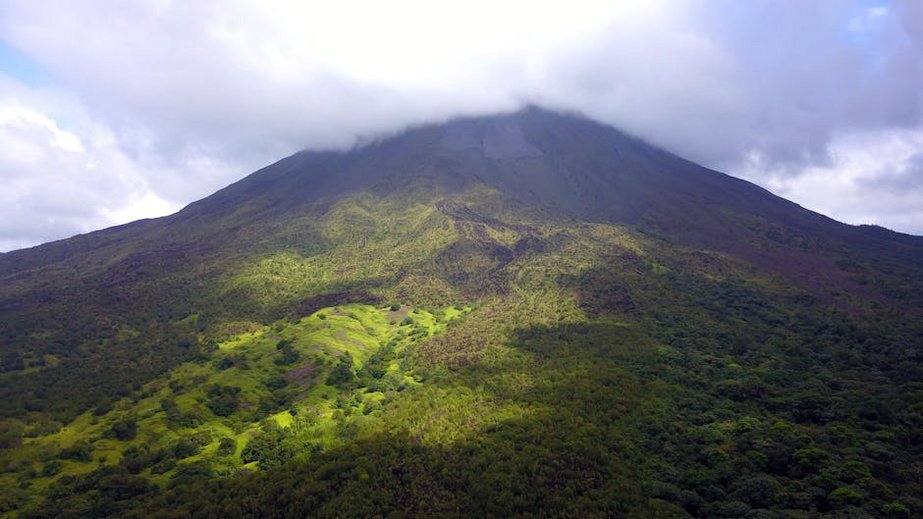
Top Costa Rica Corcovado National Park Remote Discovery 5

Costa Rica Corcovado National Park Remote: Accessing Pristine Wilderness

Exploring Costa Rica Corcovado National Park remote areas delivers one of Central America’s most authentic rainforest adventures, where dense jungles meet untouched Pacific coastline across the Osa Peninsula’s 164 square miles. This protected region shelters 2.5% of global biodiversity with jaguars, scarlet macaws, and four monkey species thriving in ecosystems ranging from mangrove swamps to cloud forests. Your journey into these isolated sectors requires careful logistical planning, specialized gear for tropical conditions, and realistic expectations for minimal infrastructure.

Corcovado National Park Essential Information

Corcovado National Park spans the Osa Peninsula in southwestern Costa Rica, established in 1975 to protect Central America’s largest lowland tropical rainforest. The park’s remote designation refers to limited road access, requiring most visitors to arrive via boat from Puerto Jiménez or Drake Bay settlements. National Geographic once labeled this region “the most biologically intense place on Earth” due to its unprecedented species density per square kilometer.

Park Geography and Ecosystems

Corcovado’s landscape combines 13 major ecosystems including montane forests, freshwater herbaceous swamps, and coastal marine environments. Elevations range from sea level to 745 meters at Cerro Rincón, creating microclimates that support distinct wildlife communities. The park contains Costa Rica’s largest population of scarlet macaws and maintains healthy populations of all four Central American monkey species.

Conservation Status and Regulations

Park authorities limit daily visitors through a mandatory guide system and advance reservation requirements for all trail access. These measures protect fragile ecosystems while ensuring visitor safety in areas with potentially dangerous wildlife like American crocodiles and venomous snakes. All visitors must check in at ranger stations where officials verify permits and provide current trail conditions.

Wildlife Viewing Opportunities

Prime wildlife observation occurs during early morning hours when nocturnal species remain active and before afternoon heat reduces animal movements. The Sirena Ranger Station area offers exceptional mammal watching with regular tapir, peccary, and coati sightings along forest trails. Bird enthusiasts should bring binoculars for observing over 360 avian species including the endangered harpy eagle in canopy areas.
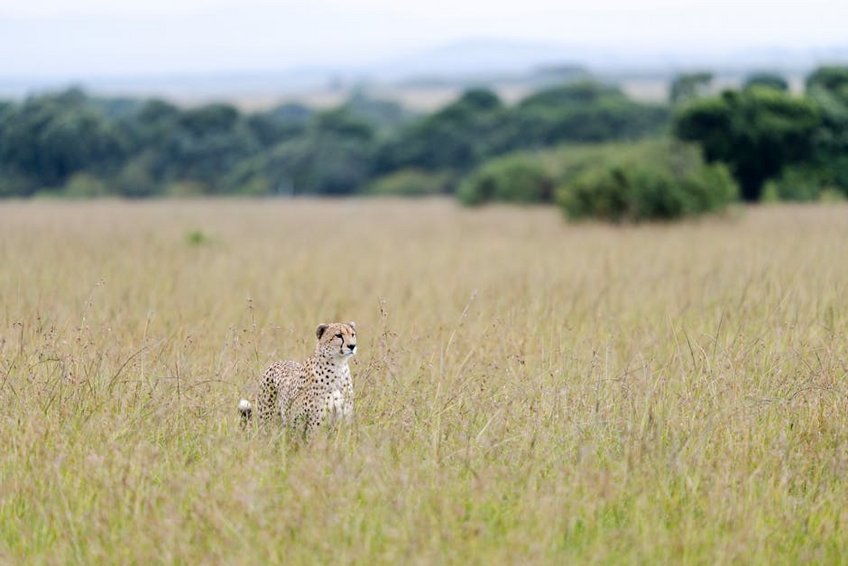
Costa Rica Corcovado National Park Remote

Alt: “corcovado-national-park-remote-jungle-trail-wildlife”

Costa Rica Corcovado National Park Remote – Planning Your Expedition

Organizing your Costa Rica Corcovado National Park remote adventure demands attention to seasonal weather patterns, physical preparation for challenging terrain, and understanding limited communication options. The dry season from December through April provides optimal hiking conditions with minimal rainfall, while the green season offers lush vegetation but requires waterproof gear for daily downpours. All visitors must secure certified guides through authorized tour operators months in advance due to strict park capacity limits.

Best Time to Visit Corcovado

Visit between late December and mid-April for prime dry season conditions with average temperatures of 85°F (29°C) and minimal precipitation under 4 inches monthly. February typically delivers the driest weather window with only 2-3 rainy days, ideal for multi-day treks to remote ranger stations. Shoulder months like November and May offer reduced crowds but require preparedness for intermittent heavy rainfall exceeding 12 inches monthly.

Budget Planning and Expedition Costs

Corcovado remote access involves significant expenses for mandatory guides, park permits, and transportation to trailheads.

  1. Budget travelers should allocate $75-150 daily covering basic guided day trips, shared accommodations in Puerto Jiménez, and simple meals, excluding international flights and insurance.
  2. Mid-range expeditions cost $200-350 daily including certified naturalist guides, comfortable eco-lodges, boat transfers to park entrances, and most meals during multi-day itineraries.
  3. Luxury wildlife experiences range $400-600 daily featuring private guides, premium jungle lodges with amenities, charter flights over the park, and specialized photography equipment rentals.
  4. Essential Preparation Checklist

    Pack quick-dry clothing, waterproof hiking boots, and multiple moisture-wicking socks for Corcovado’s humid conditions where daily sweat saturation is inevitable. Essential gear includes high-DEET insect repellent, waterproof backpack covers, water purification tablets, and headlamps with extra batteries for early morning wildlife viewing. Secure comprehensive travel insurance covering emergency evacuation, obtain necessary vaccinations, and carry cash in Costa Rican colones since credit cards receive limited acceptance in remote areas.

    Top Attractions and Wilderness Experiences

    Corcovado’s primary attractions center around its vast roadless wilderness where wildlife encounters exceed typical rainforest experiences found elsewhere in Costa Rica. The park’s trail network connects various ranger stations through primary forest corridors where visitors regularly observe species rarely seen in other protected areas. Multi-day treks between stations provide the most immersive experience, though day trips from gateway towns offer accessible alternatives for time-limited travelers.

    Must-See Park Highlights

    Sirena Ranger Station functions as the park’s wildlife observation hub with extensive trail systems radiating through prime habitat for Baird’s tapirs and white-lipped peccaries. The coastal trail from La Leona to Sirena showcases dramatic Pacific scenery with opportunities to spot humpback whales offshore during migration seasons from December to April. San Pedrillo Station offers waterfall hikes and tidal pool exploration where visitors can observe marine life during low tide cycles throughout the day.

    Hidden Gems and Local Favorites

    Local guides recommend the less-frequented Los Patos sector for authentic solitude experiences where howler monkey troops provide constant auditory backdrop without tourist crowds. The Rio Claro tributary near Sirena Station creates natural swimming holes perfect for cooling off after humid jungle hikes, though visitors should verify crocodile activity with rangers. Night hikes from Drake Bay accommodations reveal entirely different wildlife communities including kinkajous, porcupines, and various frog species active after dark.

    Wildlife Photography Opportunities

    Professional photographers prioritize early morning hours at Sirena’s airfield where tapirs and peccaries frequently graze in open areas with optimal lighting conditions. The canopy towers near San Pedrillo provide elevated perspectives for capturing scarlet macaw flocks and monkey troops moving through emergent trees. Coastal areas during golden hour yield spectacular landscape shots with jungle meeting sea formations unique to the Osa Peninsula’s geography.

    Practical Travel Information and Logistics

    Reaching Corcovado requires multiple transportation modes since no roads penetrate the park’s interior, making advance planning essential for smooth logistics. Most visitors fly into Puerto Jiménez or Drake Bay via domestic flights from San José, then arrange boat transfers to park entrance points along the coastline. Accommodation options range from basic research station bunk beds to comfortable eco-lodges in buffer communities, though all require early reservations during peak seasons.

    Getting There and Transportation Options

    Fly into Puerto Jiménez Airport (PJM) via 50-minute domestic flights from San José International Airport, with multiple daily departures on Sansa Airlines. Alternatively, drive the Pan-American Highway to Golfito followed by ferry crossing to Puerto Jiménez, totaling 6-8 hours from the capital with rental car options. Within the Osa Peninsula, 4×4 vehicles prove essential for accessing trailheads, while boat transfers from Drake Bay provide scenic approaches to western park entrances.

    Where to Stay Near Corcovado

    Drake Bay offers the most convenient access to western park entrances with numerous eco-lodges specializing in Corcovado expeditions and comfortable amenities. Puerto Jiménez serves as the eastern gateway with more accommodation variety, restaurants, and supplies for self-organized trips into Los Patos sector. For maximum immersion, reserve bunk space at Sirena Ranger Station inside the park, though these limited spots require booking 3-6 months in advance through official channels.

    Costa Rica Corcovado National Park Remote

    Alt: “drake-bay-corcovado-access-boat-transport”

    Local Culture, Cuisine, and Community

    Osa Peninsula communities maintain strong connections to conservation efforts while preserving traditional livelihoods centered around fishing, agriculture, and increasingly, ecological tourism. Local culture blends campesino traditions with indigenous influences, particularly from the Boruca and Guaymi communities who maintain territories near park boundaries. Visitors should approach cultural interactions with respect for local knowledge, especially regarding rainforest navigation and wildlife behavior learned through generations.

    Regional Cuisine and Dining

    Traditional Osa Peninsula cuisine features fresh seafood like red snapper and dorado, often prepared with coconut milk and plantains reflecting Caribbean influences. Must-try dishes include casado completo with grilled fish, rice, beans, and fried sweet plantains available at sodas throughout Puerto Jiménez. For authentic experiences, visit family-operated restaurants in Drake Bay serving daily catch specials with prices ranging $8-15 per meal including natural fruit beverages.

    Cultural Etiquette and Local Customs

    Greet locals with “buenos días” before transactions and maintain friendly patience since “tico time” often means relaxed scheduling throughout the region. Tipping 10% at restaurants demonstrates appreciation for service, while guides typically expect $15-25 daily gratuities depending on group size and satisfaction. Dress modestly in towns, remove shoes before entering homes when invited, and always ask permission before photographing local residents or their properties.

    Indigenous Communities and Conservation

    Several indigenous territories border Corcovado where communities practice traditional land management while participating in park protection initiatives. Visitors can sometimes arrange cultural tours to learn about medicinal plants, traditional hunting practices, and conservation challenges facing these populations. These experiences require sensitive engagement and typically involve community-guided activities rather than independent exploration of indigenous lands.

    Sources and References

    • Costa Rica National System of Conservation Areas
    • Anywhere Costa Rica Travel Guide
    • Frequently Asked Questions

      When is the best time to visit Corcovado National Park for wildlife viewing?

      Visit between January and April for optimal wildlife viewing when dry conditions concentrate animals around water sources and improved trail accessibility. Temperatures average 85°F (29°C) with minimal rainfall under 4 inches monthly, though early reservations remain essential. The green season from May to November offers lush vegetation but requires preparedness for daily afternoon showers exceeding 12 inches monthly.

      How much does a Corcovado National Park expedition cost?

      A comprehensive Corcovado expedition costs $200-400 daily including certified guides, park fees, accommodations, and most meals depending on comfort level. Budget travelers can manage $75-150 daily with basic guided day trips, while luxury experiences reach $600 daily with private guides and premium lodges. These estimates exclude international flights and travel insurance requirements.

      How many days do you need for Corcovado National Park?

      Plan 3-5 days minimum to experience Corcovado’s diverse ecosystems through multi-day treks between ranger stations with adequate wildlife observation time. Two-day itineraries work for time-limited visitors focusing on Sirena Station, while serious naturalists allocate 5-7 days for comprehensive coverage. Factor additional travel days for transportation to remote park access points.

      How do you get to Corcovado National Park?

      Fly to Puerto Jiménez Airport via domestic connection from San José, then take 4×4 transportation to park entrances or boat transfers from Drake Bay. Driving from San José requires 6-8 hours including ferry crossing, while charter flights directly to Sirena Station save time but cost significantly more. All access methods require advance planning and local guide arrangements.

      Where should you stay for Corcovado National Park access?

      Stay in Drake Bay for convenient western access via boat transfers or Puerto Jiménez for eastern entry points with more accommodation options. Drake Bay lodges specialize in park expeditions while Puerto Jiménez offers better infrastructure and supplies. For maximum immersion, reserve limited bunk space at Sirena Ranger Station inside the park months ahead.

      Is Corcovado National Park safe for travelers?

      Yes, Corcovado maintains excellent safety records with mandatory guides ensuring visitor protection in remote wilderness areas containing wildlife. Follow guide instructions regarding animal encounters, stay on marked trails, and carry sufficient water to prevent dehydration in humid conditions. Basic precautions like securing valuables and using insect repellent prevent most issues.

      Do you need special preparation for Corcovado National Park?

      Yes, you need waterproof hiking gear, broken-in boots, and high-DEET repellent for challenging tropical conditions and insect protection. Secure mandatory guide services months ahead, obtain comprehensive travel insurance covering evacuation, and bring cash since electronic payments receive limited acceptance. Physical conditioning for humid hiking proves equally important as equipment preparation.

      Final Expedition Considerations

      Corcovado delivers unparalleled wildlife density and pristine ecosystems through careful visitor management and remote location preservation on Costa Rica’s Pacific coast. Your Costa Rica Corcovado National Park remote adventure succeeds with dry season timing, certified guide reservations, and realistic physical preparation for humid tropical trekking. Which wildlife species most interests your rainforest exploration priorities?

      Related Stories

      spot_img

      Discover

      Ultimate Nepal Holi Festival Kathmandu Guide 12 Tips

      Nepal Holi Festival Kathmandu: A Guide to Celebrating the Festival of Colors Celebrating the Nepal...

      Philippines Moriones Festival Marinduque: 12 Ultimate

      Philippines Moriones Festival Marinduque Experiencing the Philippines Moriones Festival Marinduque offers a profound dive into...

      Top Indonesia Nyepi Silence Day Bali Guide 5 Tips

      Indonesia Nyepi Silence Day Bali Nyepi, the Balinese Day of Silence, transforms the vibrant island...

      Complete Vietnam Hue Festival Cultural Events Journey 3 Tips

      Vietnam Hue Festival Cultural Events The Vietnam Hue Festival cultural events represent a spectacular biennial...

      2026 Updated Thailand Songkran Water Festival Preparations

      Thailand Songkran Water Festival Preparations The Thailand Songkran Water Festival is the most exuberant and...

      Ultimate Peru Lima Gastronomy Festival Experience 7 Tips

      Peru Lima Gastronomy Festival: A Culinary Tour of the Andes and Amazon Each October, the...

      Popular Categories

      Comments

      LEAVE A REPLY

      Please enter your comment!
      Please enter your name here

    Accommodation Type Features and Location Price Range (USD)
    Research Station Bunks Basic dormitory-style lodging at Sirena Station, shared bathrooms, meal service included $30-50 per night
    Eco-Lodges Private cabins with solar power, guided activities, family-style meals in Drake Bay $120-250 per night
    Befront Hotels Comfortable rooms with AC, swimming pools, tour desks in Puerto Jiménez $80-150 per night
    Luxury Wilderness Resorts Private villas, gourmet dining, spa services, private guide allocations $400-700 per night