Colorful Streets in Colombia: A Guide to Vibrant Towns and Art Districts
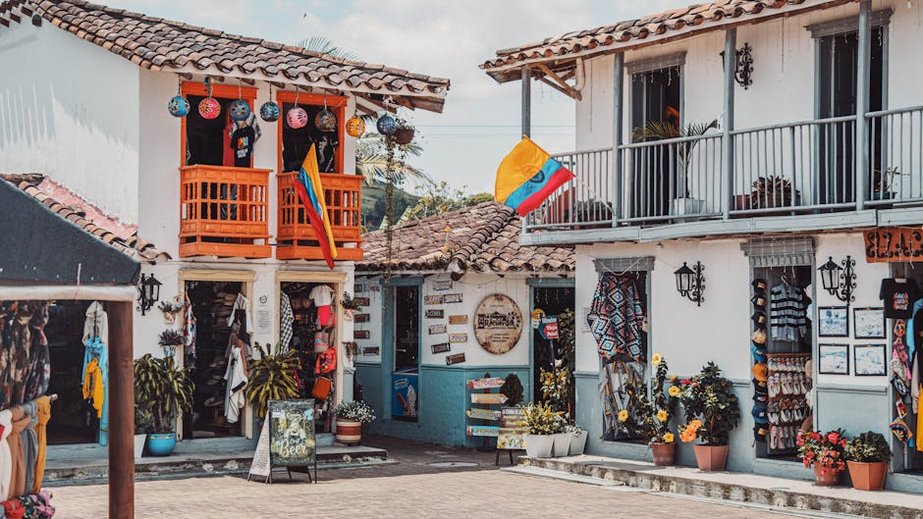
Colombia’s palette extends far beyond lush green mountains and deep blue coastlines. The country’s most captivating hues are often found painted across colonial facades and woven into street art, telling stories of history, resilience, and joy. Exploring the colorful streets in Colombia offers a unique window into local culture, transforming a simple stroll into an immersive art experience. This guide details where to find these vibrant scenes, the best times for photography, and practical tips for navigating these photogenic neighborhoods.
The Allure of Colombia’s Painted Towns
Colombia’s tradition of vibrant architecture has roots in both practicality and pride. In many historic towns, painting buildings in bright colors was a method of revitalization and identity, helping communities stand out. Today, these chromatic displays attract visitors from around the globe, serving as open-air galleries. Each region boasts its own distinctive style, from the intricate zócalos (baseboard reliefs) of Antioquia to the Caribbean pastels of the coast.
Beyond aesthetics, the colors often carry meaning. In Guatapé, the colorful reliefs depict the livelihood, beliefs, and history of each home’s residents. Meanwhile, in cities like Bogotá and Medellín, large-scale murals address social themes, making street art tours a profound cultural lesson. This fusion of art, history, and urban design makes exploring these areas a multi-layered adventure.
Guatapé and Its Iconic Zócalos
No discussion of Colombian color is complete without Guatapé. This town, nestled beside a massive reservoir, is world-famous for its zócalos. These bas-relief panels, painted in every imaginable shade, wrap around the lower portions of almost every building. Walking the streets feels like browsing a storybook, with each panel illustrating scenes from rural life, local myths, or family trades.
- The main square, Parque Principal, offers a stunning concentration of vibrant buildings, perfect for iconic photographs.
- For the best light, visit Calle del Recuerdo in the late afternoon when the sun highlights the textures of the zócalos.
- Many shops sell miniature replicas of the zócalos, making for unique and authentic souvenirs that directly support local artisans.
- Budget travelers can expect to spend $40-60 USD per day by using public buses, staying in hostels, and eating at local markets. A bus from Medellín to Guatapé costs around $6 USD each way. Focus on one or two regions to minimize transport costs.
- A mid-range budget of $80-120 USD per day allows for comfortable boutique hotels in town centers, guided street art tours in cities ($20-30 USD), and meals at good restaurants. Consider regional flights (e.g., Bogotá to Bucaramanga for Barichara) to save time.
- Luxury experiences at $200+ USD per day include private drivers between towns, stays in restored colonial mansions, and personalized photography tours with local experts. This tier offers the most flexibility and depth for dedicated cultural exploration.
- Colombia Travel Official Tourism Portal
- Lonely Planet Colombia Travel Guide
Cartagena’s Walled City Romance
The historic center of Cartagena de Indias presents a more elegant color scheme. Here, colonial mansions are washed in warm Caribbean pastels—dusty pinks, sunflower yellows, and sky blues. The colors contrast beautifully with the massive stone walls and the vibrant bougainvillea cascading from wooden balconies. This palette creates a distinctly romantic and photogenic atmosphere that has captivated travelers for decades.
Getting lost in the maze of cobbled streets within the walls is the best way to experience it. You’ll find stunning doorways adorned with hefty knockers on Calle de las Damas and beautiful balconies overlooking Getsemaní’s Plaza de la Trinidad at night. The play of light and shadow here, especially during the golden hour, is exceptional for photography.
Barichara: The Stoned Palette
Dubbed Colombia’s prettiest town, Barichara offers a different kind of color. Its well-preserved colonial architecture is built from local beige sandstone, giving the entire village a harmonious, earthy tone. The color comes from intricate wooden doors, window frames painted in deep greens and blues, and brilliant floral displays. The effect is sophisticated and serene, a striking contrast to the explosive vibrancy of Guatapé.
A walk along the Calle Real reveals craft shops and artisan studios where the traditional skill of papel picado (hand-cut paper) is still practiced. The town’s immaculate preservation and quiet charm make it a perfect place to slow down and appreciate architectural details.
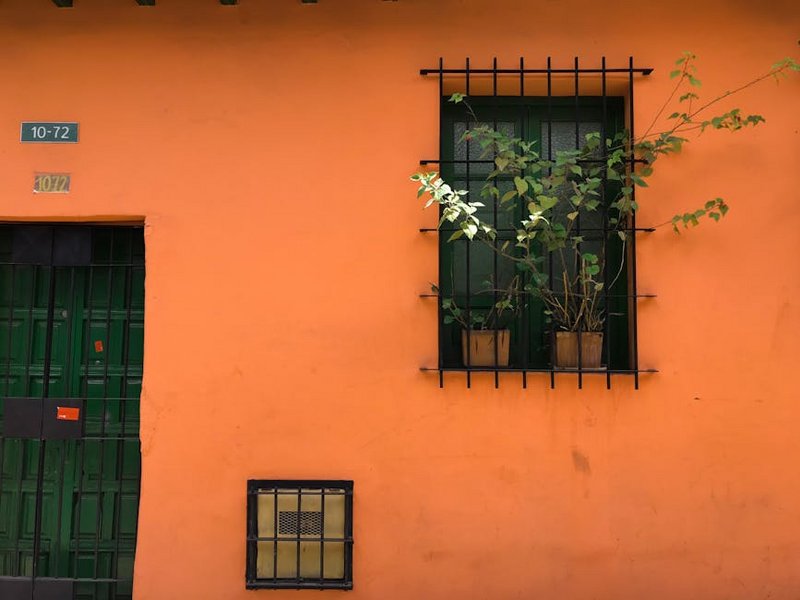
Alt: “guatapé-colombia-colorful-zocalos-street-art-bas-relief”
Colorful Streets in Colombia – Planning Your Trip
To fully appreciate Colombia’s chromatic charm, thoughtful planning is essential. Your experience of the colorful streets in Colombia will be shaped by the regions you choose, the season of your visit, and your daily itinerary. A successful trip balances iconic destinations like Guatapé with emerging art districts in major cities. Allocate time for both guided tours, which provide deep context, and solo wandering for personal discovery.
Consider your travel style. Are you seeking non-stop photography, cultural immersion, or a relaxed aesthetic retreat? Your answer will determine whether you base yourself in a dynamic city like Medellín or a tranquil pueblo like Barichara. Budget also plays a role, as accessing some remote colorful towns may require private transport or domestic flights.
Best Time to Visit for Color and Comfort
The ideal window for exploring Colombia’s painted towns is during the dry seasons, which vary by region. For the Andean region (including Guatapé and Barichara), visit between December and March or June and August. These months offer stable weather with minimal rainfall, maximizing your chances for sunny, blue-sky photos. Daytime temperatures are pleasant, ranging from 65-75°F (18-24°C).
The Caribbean coast, including Cartagena, is best visited from December to April to avoid the rainy season and intense humidity. Expect hotter conditions here, averaging 80-90°F (27-32°C). Shoulder months like May and November can offer good value and fewer crowds, though you may encounter brief afternoon showers.
Budget Planning and Costs
A trip focused on Colombia’s vibrant streets can be tailored to any budget. The main costs involve inter-city travel, as the best towns are spread across different regions.
Essential Preparation Checklist
Pack for variable weather and lots of walking. Essentials include broken-in walking shoes for cobblestones, lightweight clothing that layers for cooler Andean evenings, and a high-SPF sunscreen. A wide-angle lens (16-35mm) is ideal for capturing narrow streets and building facades, while a polarizing filter can enhance sky and color saturation.
Ensure your travel insurance covers medical emergencies and trip interruptions. U.S. and EU passport holders do not need a visa for tourist stays under 90 days, but your passport must be valid for the duration of your trip. Book accommodations in popular towns like Guatapé at least two months in advance for peak season visits.
Top Artistic Districts and Hidden Gems
Beyond the famous painted towns, Colombia’s urban centers harbor incredible street art scenes. Neighborhoods like Medellín’s Comuna 13 and Bogotá’s La Candelaria are dynamic canvases where art is intertwined with community transformation. These areas showcase how color and creativity have been powerful tools for social change, adding a profound layer to your visual journey.
Venturing off the typical tourist trail reveals lesser-known gems. Towns like Salamina in the Coffee Region or the waterfront community of Puerto Colombia on the coast offer authentic, un-crowded displays of local color without the tour groups. Discovering these spots often leads to more meaningful interactions with residents.
Must-See Urban Art Scenes
Medellín’s Comuna 13 is a global symbol of urban transformation. Once one of the city’s most dangerous districts, it’s now a vibrant, open-air gallery covered in massive murals and dotted with outdoor escalators. Guided tours are highly recommended to understand the stories behind the art and the community’s remarkable resilience. The energy and creativity here are palpable.
In Bogotá, the downtown neighborhood of La Candelaria is the epicenter of street art. Take a guided tour to decode the politically and socially charged murals by famous artists like DJLU and Crisp. Meanwhile, the Getsemaní district in Cartagena has evolved from a working-class area into a bohemian hub, its walls covered in innovative, contemporary murals that contrast with the Old City’s classic elegance.
Off-the-Beaten-Path Colorful Villages
For a more serene experience, seek out lesser-known pueblos. Salamina, in the Caldas department, is a National Monument town with beautifully preserved architecture featuring brightly painted balconies and ornate woodwork. Its steep, cobbled streets offer stunning views of the coffee farms below. It receives a fraction of the visitors of Guatapé.
Near Barichara, the tiny village of Guane offers a quiet, one-street exploration of whitewashed buildings with colorful trim. It’s accessible via a beautiful scenic hike from Barichara. On the Caribbean coast, the fishing village of Taganga, while known for diving, also has charming, brightly painted houses cascading down arid hillsides to the sea.
Photography Tips for Vibrant Streets
Capturing the essence of these locations requires more than a camera. The best light for photographing colorful facades is during the golden hours—shortly after sunrise and before sunset—when the light is soft and warm, reducing harsh shadows. Overcast days can also be excellent, providing even, diffused light that makes colors appear rich and saturated without glare.
Engage with the environment. Include local life in your shots—a resident walking down a bright alley, a vendor in front of a shop—to add scale and narrative. Always be respectful; ask for permission before taking portraits of people. Use leading lines, like cobblestone streets or rows of balconies, to draw the viewer’s eye into the photograph.
Practical Travel and Navigation
Navigating between Colombia’s colorful destinations requires an understanding of the country’s geography. Major hubs like Bogotá, Medellín, and Cartagena are well-connected by frequent and affordable domestic flights with airlines like Avianca, LATAM, and Viva Air. For shorter distances, intercity buses are reliable, comfortable, and very inexpensive, though travel times can be long due to mountainous terrain.
Within towns, everything is easily accessible on foot. For day trips from cities (e.g., Medellín to Guatapé), you can take a public bus or join a guided tour that handles transportation. In smaller villages like Barichara, the most common transport is a moto-taxi or a short, inexpensive taxi ride from the main bus terminal.
| Transport Method | Best For | Approx. Cost (USD) |
|---|---|---|
| Domestic Flight | Cross-country travel (e.g., Bogotá to Cartagena) | $50 – $150 one-way |
| Intercity Bus | Regional travel (e.g., Medellín to Guatapé) | $5 – $20 per journey |
| Private Driver/Tour | Day trips with flexibility and guides | $60 – $120 per day |
| Local Taxi/Moto | Short trips within towns and villages | $1 – $5 per ride |